HPE (HPE) Q1 2026 Earnings Call Transcript
Written by Emily J. Thompson, Senior Investment Analyst
Updated: 1 hour ago
0mins
Should l Buy HPE?
Source: NASDAQ.COM
Trade with 70% Backtested Accuracy
Stop guessing "Should I Buy HPE?" and start using high-conviction signals backed by rigorous historical data.
Sign up today to access powerful investing tools and make smarter, data-driven decisions.
Analyst Views on HPE
Wall Street analysts forecast HPE stock price to rise
16 Analyst Rating
8 Buy
8 Hold
0 Sell
Moderate Buy
Current: 21.580

Low
21.00
Averages
27.13
High
31.00
Current: 21.580
Low
21.00
Averages
27.13
High
31.00
About HPE
Hewlett Packard Enterprise Company is a global technology company focused on developing intelligent solutions that allow customers to capture, analyze and act upon data seamlessly from edge to cloud. Its customers range from small-and-medium-sized businesses to large global enterprises and governmental entities. Its segments include Server, Hybrid Cloud, Networking, Financial Services, and Corporate Investments and Other. Its Server segment offerings consist of general-purpose servers for multi-workload computing, workload-optimized servers, and integrated systems. Its Hybrid Cloud segment offers a range of cloud-native and hybrid solutions across storage, private cloud and the infrastructure software-as-a-service space. The Networking segment develops and sells high-performance networking and security products and services. Its Financial Services segment provides flexible investment solutions, such as leasing, financing, IT consumption, utility programs, and asset management services.
About the author

Emily J. Thompson
Emily J. Thompson, a Chartered Financial Analyst (CFA) with 12 years in investment research, graduated with honors from the Wharton School. Specializing in industrial and technology stocks, she provides in-depth analysis for Intellectia’s earnings and market brief reports.

HPE (HPE) Q1 2026 Earnings Call Transcript

See More

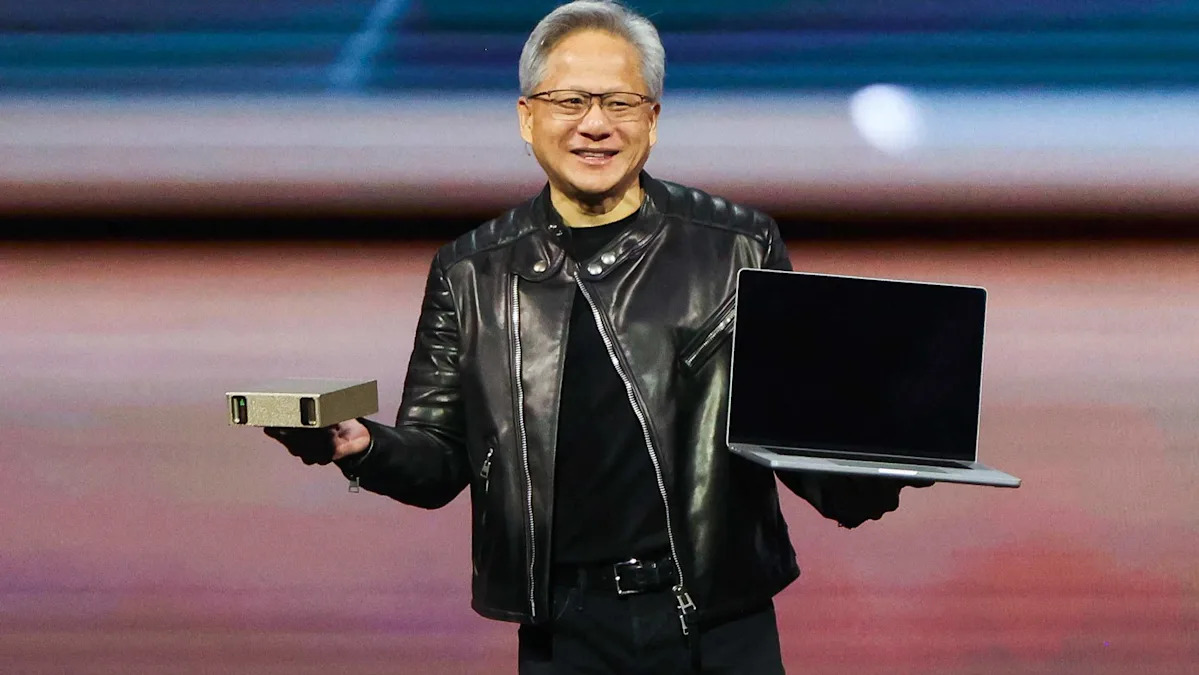
Nvidia's $20 Billion Acquisition of Groq Technology


- Acquisition Context: Nvidia's reported $20 billion deal to license technology from chip startup Groq and hire its CEO aims to bolster its competitive edge in the AI inference market, particularly as AI computing becomes increasingly mainstream.
- Technology Integration: Nvidia plans to showcase how it will incorporate Groq's chip technology into its dominant AI computing ecosystem at the upcoming GTC conference, which is expected to drive further advancements in its inference capabilities.
- Market Competition: The inference market is becoming increasingly crowded, with Nvidia's GPUs excelling in the training phase, yet facing competition from Google's TPUs and Amazon's Trainium; Groq's technology is expected to help Nvidia maintain its leadership in this area.
- Strategic Implications: This acquisition is seen as a crucial step for Nvidia to expand its product line and market share, especially given that its networking business generated approximately $11 billion in revenue in Q4 of fiscal 2026, highlighting its strong growth potential in the AI sector.
See More

Rising Oil Prices Impact Market, Cramer Analyzes Investment Themes


- Oil Price Surge Impact: The ongoing Iran war has driven WTI crude oil prices above $88 per barrel, marking a year-to-date increase of over 50%, which could pressure the stock market, as evidenced by the S&P 500's slight decline amid a 5% rise in oil prices.
- Strategic Petroleum Reserve Release: President Trump announced the release of the U.S. Strategic Petroleum Reserve to alleviate energy prices, while the International Energy Agency agreed to release 400 million barrels of oil to address global supply disruptions, although these measures are seen as temporary fixes.
- Strong Data Center Infrastructure: Cramer highlighted Oracle's robust earnings as validation of the AI-driven data center infrastructure theme, indicating that its buildout is progressing better than expected, potentially offering new opportunities for investors.
- Ongoing Memory Shortage: Commentary from Hewlett Packard Enterprise suggests that the shortage of memory used in AI and computing systems may persist longer than anticipated, providing potential investment opportunities for related companies.
See More

AI Demand Drives Transformation in Memory Industry


- Price Surge Trend: The memory industry is experiencing a price increase as a new norm driven by surging AI demand, with Micron's stock rising over 370% and Sandisk's soaring more than 1100% in the past year, indicating strong market demand and future growth potential for memory products.
- Preference for Long-term Contracts: SK Hynix reports that customers are increasingly favoring long-term contracts to secure memory supply, replacing the previously common one-year agreements, reflecting a structural shift in the industry that suggests sustained price increases in the coming years.
- Supply Shortage Phenomenon: HPE CEO Antonio Neri highlights that memory supply cannot meet demand, predicting continued price hikes in the industry, which not only impacts memory manufacturers' profits but may also lead to increased costs for downstream customers.
- Changing AI Architecture Demand: Meta VP Yee Jiun Song notes that AI workloads require higher bandwidth memory, and despite growing concerns over HBM supply, the company has secured the necessary supply for future builds, indicating that advancements in AI technology are reshaping the demand structure in the memory market.
See More
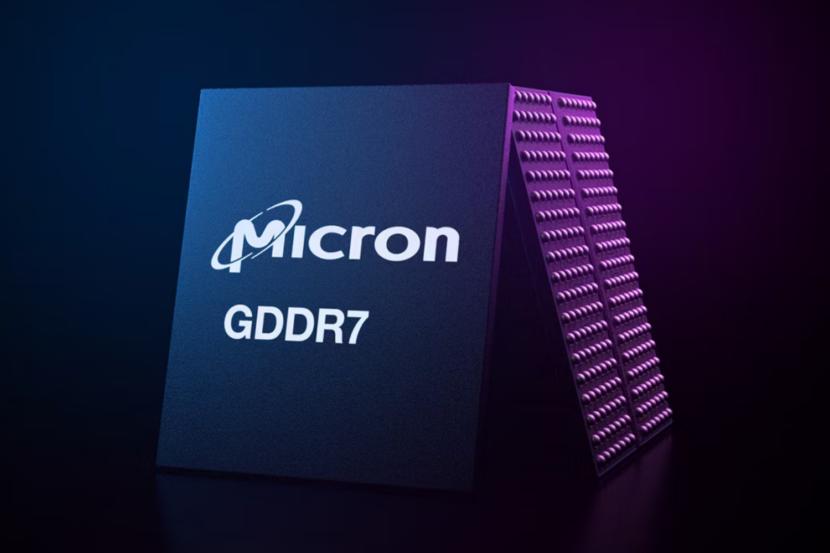
Memory Stocks Surge as AI Demand Soars
- Surge in Memory Prices: The demand from AI chipmakers has led to a significant increase in memory prices, with Micron's shares rising over 370% in the past year and Sandisk's soaring more than 1100%, indicating a structural shift in market demand for memory.
- Long-Term Contract Trend: As hyperscalers increasingly prefer long-term contracts to secure supply, the traditional short-term contract model in the memory industry is being disrupted; HPE CEO Antonio Neri noted that the imbalance between supply and demand will continue to drive prices upward.
- Industry Structural Change: SK Hynix reported that the entire memory industry is undergoing structural changes, with customers' preference for long-term contracts reflecting the urgency of memory supply, and price hikes are expected to become the
See More

US Stocks Dip Slightly Amid 12% Oil Price Plunge

- Market Performance: The S&P 500 index fell by 0.21%, the Dow Jones Industrial Average by 0.07%, and the Nasdaq 100 by 0.04%, reflecting market concerns over the Iran war and rising 10-year Treasury yields.
- Oil Price Plunge: WTI crude oil prices dropped by 12% following President Trump's assertion that the Iran war is 'pretty much' over, which not only alleviates inflationary pressures on the US economy but may also influence the Fed's monetary policy direction.
- Strong Home Sales: February existing home sales in the US rose by 1.7% month-over-month to 4.09 million, exceeding market expectations of 3.88 million, indicating resilience in the housing market that could support the stock market.
- Tech Stock Performance: Despite the overall market decline, most of the Magnificent Seven tech stocks rose, with Nvidia and Meta Platforms gaining over 1%, reflecting continued investor confidence in tech stocks, although Microsoft underperformed.
See More
HPE (HPE) Q1 2026 Earnings Call Transcript
See More
Nvidia's $20 Billion Acquisition of Groq Technology
- Acquisition Context: Nvidia's reported $20 billion deal to license technology from chip startup Groq and hire its CEO aims to bolster its competitive edge in the AI inference market, particularly as AI computing becomes increasingly mainstream.
- Technology Integration: Nvidia plans to showcase how it will incorporate Groq's chip technology into its dominant AI computing ecosystem at the upcoming GTC conference, which is expected to drive further advancements in its inference capabilities.
- Market Competition: The inference market is becoming increasingly crowded, with Nvidia's GPUs excelling in the training phase, yet facing competition from Google's TPUs and Amazon's Trainium; Groq's technology is expected to help Nvidia maintain its leadership in this area.
- Strategic Implications: This acquisition is seen as a crucial step for Nvidia to expand its product line and market share, especially given that its networking business generated approximately $11 billion in revenue in Q4 of fiscal 2026, highlighting its strong growth potential in the AI sector.
See More
Rising Oil Prices Impact Market, Cramer Analyzes Investment Themes
- Oil Price Surge Impact: The ongoing Iran war has driven WTI crude oil prices above $88 per barrel, marking a year-to-date increase of over 50%, which could pressure the stock market, as evidenced by the S&P 500's slight decline amid a 5% rise in oil prices.
- Strategic Petroleum Reserve Release: President Trump announced the release of the U.S. Strategic Petroleum Reserve to alleviate energy prices, while the International Energy Agency agreed to release 400 million barrels of oil to address global supply disruptions, although these measures are seen as temporary fixes.
- Strong Data Center Infrastructure: Cramer highlighted Oracle's robust earnings as validation of the AI-driven data center infrastructure theme, indicating that its buildout is progressing better than expected, potentially offering new opportunities for investors.
- Ongoing Memory Shortage: Commentary from Hewlett Packard Enterprise suggests that the shortage of memory used in AI and computing systems may persist longer than anticipated, providing potential investment opportunities for related companies.
See More
AI Demand Drives Transformation in Memory Industry
- Price Surge Trend: The memory industry is experiencing a price increase as a new norm driven by surging AI demand, with Micron's stock rising over 370% and Sandisk's soaring more than 1100% in the past year, indicating strong market demand and future growth potential for memory products.
- Preference for Long-term Contracts: SK Hynix reports that customers are increasingly favoring long-term contracts to secure memory supply, replacing the previously common one-year agreements, reflecting a structural shift in the industry that suggests sustained price increases in the coming years.
- Supply Shortage Phenomenon: HPE CEO Antonio Neri highlights that memory supply cannot meet demand, predicting continued price hikes in the industry, which not only impacts memory manufacturers' profits but may also lead to increased costs for downstream customers.
- Changing AI Architecture Demand: Meta VP Yee Jiun Song notes that AI workloads require higher bandwidth memory, and despite growing concerns over HBM supply, the company has secured the necessary supply for future builds, indicating that advancements in AI technology are reshaping the demand structure in the memory market.
See More
Memory Stocks Surge as AI Demand Soars
- Surge in Memory Prices: The demand from AI chipmakers has led to a significant increase in memory prices, with Micron's shares rising over 370% in the past year and Sandisk's soaring more than 1100%, indicating a structural shift in market demand for memory.
- Long-Term Contract Trend: As hyperscalers increasingly prefer long-term contracts to secure supply, the traditional short-term contract model in the memory industry is being disrupted; HPE CEO Antonio Neri noted that the imbalance between supply and demand will continue to drive prices upward.
- Industry Structural Change: SK Hynix reported that the entire memory industry is undergoing structural changes, with customers' preference for long-term contracts reflecting the urgency of memory supply, and price hikes are expected to become the
See More
US Stocks Dip Slightly Amid 12% Oil Price Plunge
- Market Performance: The S&P 500 index fell by 0.21%, the Dow Jones Industrial Average by 0.07%, and the Nasdaq 100 by 0.04%, reflecting market concerns over the Iran war and rising 10-year Treasury yields.
- Oil Price Plunge: WTI crude oil prices dropped by 12% following President Trump's assertion that the Iran war is 'pretty much' over, which not only alleviates inflationary pressures on the US economy but may also influence the Fed's monetary policy direction.
- Strong Home Sales: February existing home sales in the US rose by 1.7% month-over-month to 4.09 million, exceeding market expectations of 3.88 million, indicating resilience in the housing market that could support the stock market.
- Tech Stock Performance: Despite the overall market decline, most of the Magnificent Seven tech stocks rose, with Nvidia and Meta Platforms gaining over 1%, reflecting continued investor confidence in tech stocks, although Microsoft underperformed.
See More