Housing Affordability Takes Center Stage: Insights from Competing Mortgage Lenders Rocket and UWM.
Written by Emily J. Thompson, Senior Investment Analyst
Updated: Jan 16 2026
0mins


Source: Barron's
Housing Affordability Concerns: Housing affordability is a significant issue for Americans, with President Trump and others focusing on the impact of mortgages and interest rates.
Market Reactions: Recent statements from Trump and his team have influenced the markets, particularly affecting major mortgage companies like UWM Holdings and Rocket Cos.
Trade with 70% Backtested Accuracy
Stop guessing "Should I Buy WFC?" and start using high-conviction signals backed by rigorous historical data.
Sign up today to access powerful investing tools and make smarter, data-driven decisions.
Analyst Views on WFC
Wall Street analysts forecast WFC stock price to rise
17 Analyst Rating
10 Buy
6 Hold
1 Sell
Moderate Buy
Current: 79.610

Low
74.00
Averages
98.66
High
113.00
Current: 79.610
Low
74.00
Averages
98.66
High
113.00
About WFC
Wells Fargo & Company is a financial services company. The Company provides a diversified set of banking, investment and mortgage products and services, as well as consumer and commercial finance, to individuals, businesses and institutions. The Company operates through four segments: Consumer Banking and Lending, Commercial Banking, Corporate and Investment Banking, and Wealth & Investment Management. The Company provides consumer financial products and services, including checking and savings accounts, credit and debit cards, and auto, residential mortgage, and small business lending. In addition, the Company offers financial planning, private banking, investment management, and fiduciary services. It also provides financial solutions to businesses through products and services including traditional commercial loans and lines of credit, letters of credit, asset-based lending and leasing, trade financing, treasury management, and investment banking services.
About the author

Emily J. Thompson
Emily J. Thompson, a Chartered Financial Analyst (CFA) with 12 years in investment research, graduated with honors from the Wharton School. Specializing in industrial and technology stocks, she provides in-depth analysis for Intellectia’s earnings and market brief reports.
Latest Rating Changes on Wall Street


- Tesla Neutral Rating: Goldman Sachs maintains a neutral stance on Tesla, expressing caution regarding its semiconductor ventures, noting a mixed track record in semiconductor engineering, while suggesting potential applications for inference chips in data centers and distributed computing remain to be seen.
- Upgrade Based on Iran War: Wells Fargo upgrades Kinetik, ONEOK, and Enterprise Products Partners from equal weight to overweight, anticipating that the Iran war will create a structural shift in global energy markets, boosting demand for U.S. energy, particularly in Permian gas and NGL supply.
- ESCO Technologies Buy Initiation: Deutsche Bank initiates coverage on ESCO Technologies with a Buy rating and a $350 target price, highlighting its potential for “defensive growth at a discount” in the aerospace and defense sectors, indicating strong confidence in the company's future.
- Arm Rating Upgrade: Wolfe upgrades Arm from market perform to outperform, citing the company's recent in-house chip launch and significantly increased earnings forecasts for FY28 and FY31, setting a target price of $166, reflecting optimism about its new business model.
See More
Market Dynamics and Investment Strategy Recap

- Market Reaction Analysis: Following President Trump's statement about U.S.-Iran negotiations, the S&P 500 showed little change, despite Iranian media denying direct talks, indicating market sensitivity to mixed headlines and caution against chasing short-term rallies.
- Wells Fargo Performance: Shares of Wells Fargo dipped slightly amidst turmoil in the private credit sector, with Moody's downgrading a private credit fund managed by KKR and Future Standard to junk status; however, Cramer views this as a positive sign for Wells Fargo, reflecting the strength of its lending relationships.
- Microsoft Rating Upgrade: Bank of America reinstated Microsoft with a buy rating and a $500 price target, highlighting its central role in the AI supercycle and potential for significant revenue generation, with Cramer suggesting buying the stock after a 20% decline this year.
- Rapid Fire Stock Review: Stocks mentioned at the end of the video included Estee Lauder, Ralph Lauren, OpenAI, Sumitomo Mitsui, and Celsius, showcasing a diverse investment portfolio and keen awareness of market dynamics.
See More
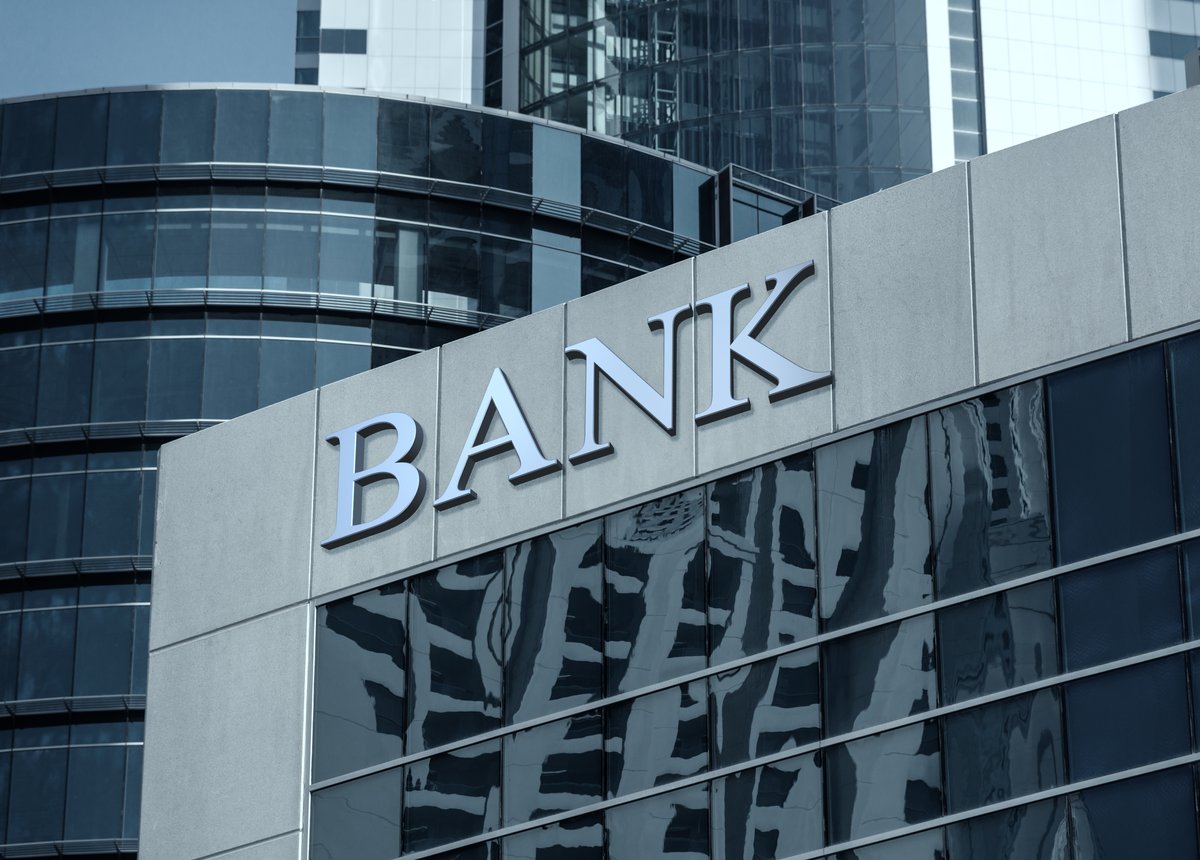
Federal Reserve Proposes Easing Bank Capital Requirements

- Easing Capital Requirements: The Federal Reserve's proposal to lower tier 1 capital requirements by 4.8% for large banks, 5.2% for midsize banks, and 7.8% for smaller banks is expected to free up billions of dollars for profit generation, significantly enhancing financial flexibility for banks.
- Regulatory Shift: Following the 2007-2008 financial crisis, capital standards were tightened, but the Fed now believes the banking system is safer, indicating a willingness to recalibrate these standards, which reflects confidence in financial stability.
- Positive Market Reaction: Following the announcement of the new rules, bank stocks surged, with Morgan Stanley rising 2.4% and Goldman Sachs and Wells Fargo each gaining 1.4%, indicating strong market optimism regarding the potential for increased profitability in the banking sector.
- Optimistic Future Outlook: The relaxation of capital requirements will allow banks to allocate more funds for lending, share buybacks, and dividends, which is expected to enhance shareholder returns and drive stock prices higher, creating a positive feedback loop.
See More

U.S. Banks to Relax Capital Requirements
- Relaxed Capital Requirements: Major U.S. regulators proposed reducing capital requirements for banks, with tier 1 capital requirements expected to decrease by 4.8% for large banks, 5.2% for midsize banks, and 7.8% for smaller banks, which will free up billions for lending and profit generation, significantly enhancing banks' profitability.
- Increased Shareholder Returns: The relaxation of capital requirements will allow banks to utilize additional capital for share buybacks and dividends, which is expected to directly boost shareholder returns, enhance investor confidence, and drive stock price increases.
- Positive Market Reaction: Following the announcement of the new rules, bank stocks rose broadly, with Morgan Stanley climbing 2.4%, and Goldman Sachs and Wells Fargo each gaining 1.4%, indicating a positive market response to the new regulations, which is likely to further enhance the overall performance of the banking sector.
- Long-term Strategic Implications: Fed Chair Jerome Powell noted that after nearly two decades of regulation, the banking system is considered safer, and relaxing capital requirements will help banks play a larger role in economic recovery by promoting credit liquidity and economic growth.
See More

Analysis of Market Winners and Losers

- Divergent Market Performance: The S&P 500 faced its fourth consecutive weekly decline, breaking below the 200-day moving average, indicating a less constructive environment with only 11 stocks rising, reflecting weakened investor confidence.
- Pepsi's Pricing Strategy: Pepsi plans to lower prices to gain market share, resulting in a 5% stock increase this year despite a 3% drop in the overall market, showcasing its unique market strategy and resilience.
- Consumer Goods Struggles: Major consumer companies like McDonald's, Walmart, Home Depot, and Procter & Gamble faced setbacks, suggesting a potential shift in spending patterns among low-income consumers that could impact sales performance.
- Energy Stocks Rise: Amidst overall market downturns, energy stocks like Exxon and Chevron rose by 2%, indicating that major energy companies may benefit from a reassessment of energy demand despite oil price fluctuations.
See More
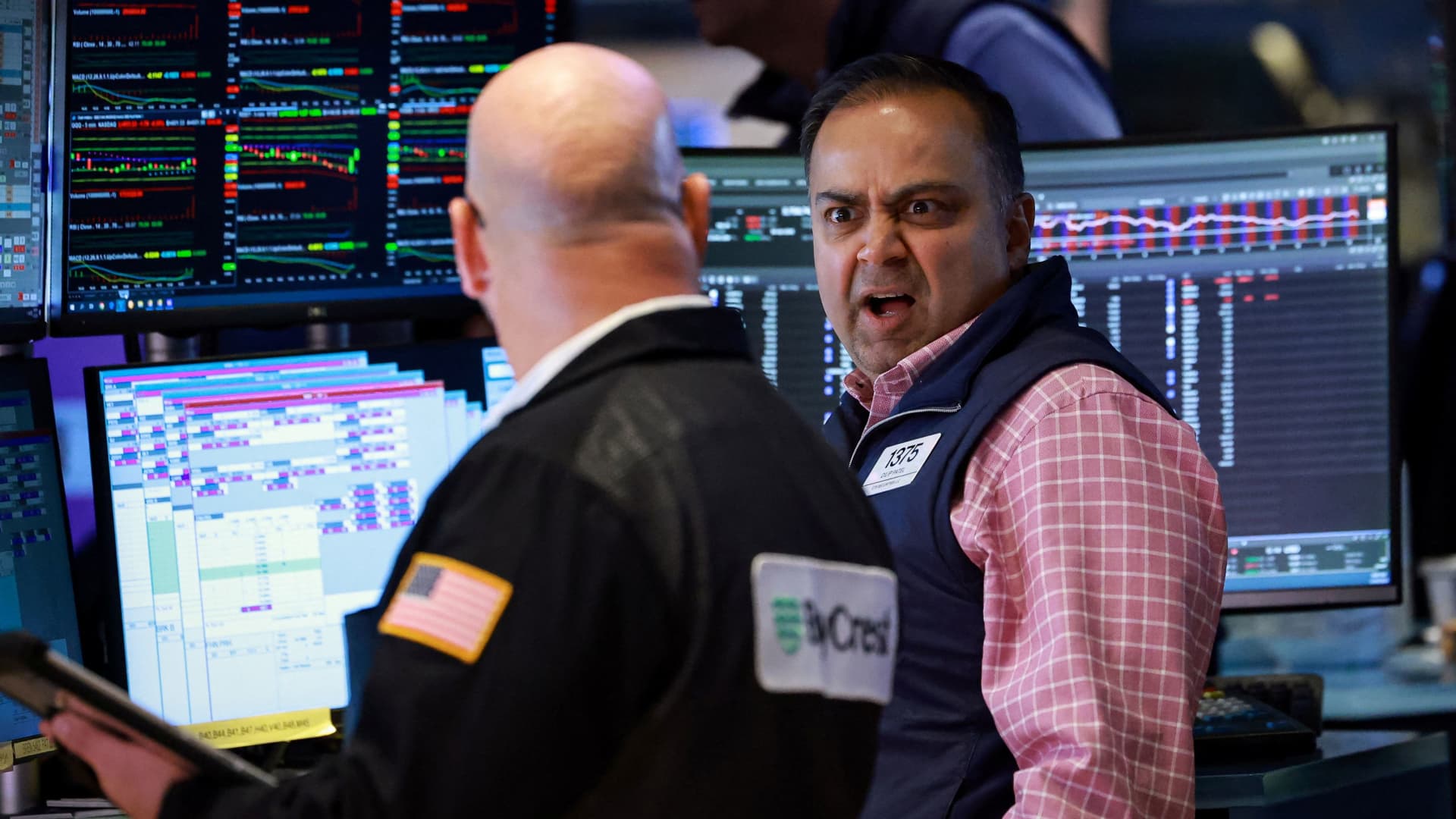
Trump's Tweet Triggers Massive Global Market Reversal
- Market Rebound: Trump's claim of 'productive' talks with Iran led to a surge in Dow futures by around 1,000 points, with S&P 500 and Nasdaq-100 futures each rising by 2%, reflecting market optimism about potential peace.
- Energy Market Volatility: Despite the stock market rebound, crude futures tumbled while gold prices cut losses, indicating a complex market reaction to Trump's statements that could undermine investor confidence in energy sectors.
- Investor Caution: Although the market showed a rebound, investors remain skeptical of Trump's claims, especially after Iran denied the discussions, suggesting that the short-term surge may not be sustainable amid ongoing market instability.
- Technical Indicator Focus: The S&P 500 closed below its 200-day moving average, prompting investors to watch for a potential breakout, with analysts predicting short-term relief rallies but emphasizing the need for more news to confirm market trends.
See More
Latest Rating Changes on Wall Street
- Tesla Neutral Rating: Goldman Sachs maintains a neutral stance on Tesla, expressing caution regarding its semiconductor ventures, noting a mixed track record in semiconductor engineering, while suggesting potential applications for inference chips in data centers and distributed computing remain to be seen.
- Upgrade Based on Iran War: Wells Fargo upgrades Kinetik, ONEOK, and Enterprise Products Partners from equal weight to overweight, anticipating that the Iran war will create a structural shift in global energy markets, boosting demand for U.S. energy, particularly in Permian gas and NGL supply.
- ESCO Technologies Buy Initiation: Deutsche Bank initiates coverage on ESCO Technologies with a Buy rating and a $350 target price, highlighting its potential for “defensive growth at a discount” in the aerospace and defense sectors, indicating strong confidence in the company's future.
- Arm Rating Upgrade: Wolfe upgrades Arm from market perform to outperform, citing the company's recent in-house chip launch and significantly increased earnings forecasts for FY28 and FY31, setting a target price of $166, reflecting optimism about its new business model.
See More
Market Dynamics and Investment Strategy Recap
- Market Reaction Analysis: Following President Trump's statement about U.S.-Iran negotiations, the S&P 500 showed little change, despite Iranian media denying direct talks, indicating market sensitivity to mixed headlines and caution against chasing short-term rallies.
- Wells Fargo Performance: Shares of Wells Fargo dipped slightly amidst turmoil in the private credit sector, with Moody's downgrading a private credit fund managed by KKR and Future Standard to junk status; however, Cramer views this as a positive sign for Wells Fargo, reflecting the strength of its lending relationships.
- Microsoft Rating Upgrade: Bank of America reinstated Microsoft with a buy rating and a $500 price target, highlighting its central role in the AI supercycle and potential for significant revenue generation, with Cramer suggesting buying the stock after a 20% decline this year.
- Rapid Fire Stock Review: Stocks mentioned at the end of the video included Estee Lauder, Ralph Lauren, OpenAI, Sumitomo Mitsui, and Celsius, showcasing a diverse investment portfolio and keen awareness of market dynamics.
See More
Federal Reserve Proposes Easing Bank Capital Requirements
- Easing Capital Requirements: The Federal Reserve's proposal to lower tier 1 capital requirements by 4.8% for large banks, 5.2% for midsize banks, and 7.8% for smaller banks is expected to free up billions of dollars for profit generation, significantly enhancing financial flexibility for banks.
- Regulatory Shift: Following the 2007-2008 financial crisis, capital standards were tightened, but the Fed now believes the banking system is safer, indicating a willingness to recalibrate these standards, which reflects confidence in financial stability.
- Positive Market Reaction: Following the announcement of the new rules, bank stocks surged, with Morgan Stanley rising 2.4% and Goldman Sachs and Wells Fargo each gaining 1.4%, indicating strong market optimism regarding the potential for increased profitability in the banking sector.
- Optimistic Future Outlook: The relaxation of capital requirements will allow banks to allocate more funds for lending, share buybacks, and dividends, which is expected to enhance shareholder returns and drive stock prices higher, creating a positive feedback loop.
See More
U.S. Banks to Relax Capital Requirements
- Relaxed Capital Requirements: Major U.S. regulators proposed reducing capital requirements for banks, with tier 1 capital requirements expected to decrease by 4.8% for large banks, 5.2% for midsize banks, and 7.8% for smaller banks, which will free up billions for lending and profit generation, significantly enhancing banks' profitability.
- Increased Shareholder Returns: The relaxation of capital requirements will allow banks to utilize additional capital for share buybacks and dividends, which is expected to directly boost shareholder returns, enhance investor confidence, and drive stock price increases.
- Positive Market Reaction: Following the announcement of the new rules, bank stocks rose broadly, with Morgan Stanley climbing 2.4%, and Goldman Sachs and Wells Fargo each gaining 1.4%, indicating a positive market response to the new regulations, which is likely to further enhance the overall performance of the banking sector.
- Long-term Strategic Implications: Fed Chair Jerome Powell noted that after nearly two decades of regulation, the banking system is considered safer, and relaxing capital requirements will help banks play a larger role in economic recovery by promoting credit liquidity and economic growth.
See More
Analysis of Market Winners and Losers
- Divergent Market Performance: The S&P 500 faced its fourth consecutive weekly decline, breaking below the 200-day moving average, indicating a less constructive environment with only 11 stocks rising, reflecting weakened investor confidence.
- Pepsi's Pricing Strategy: Pepsi plans to lower prices to gain market share, resulting in a 5% stock increase this year despite a 3% drop in the overall market, showcasing its unique market strategy and resilience.
- Consumer Goods Struggles: Major consumer companies like McDonald's, Walmart, Home Depot, and Procter & Gamble faced setbacks, suggesting a potential shift in spending patterns among low-income consumers that could impact sales performance.
- Energy Stocks Rise: Amidst overall market downturns, energy stocks like Exxon and Chevron rose by 2%, indicating that major energy companies may benefit from a reassessment of energy demand despite oil price fluctuations.
See More
Trump's Tweet Triggers Massive Global Market Reversal
- Market Rebound: Trump's claim of 'productive' talks with Iran led to a surge in Dow futures by around 1,000 points, with S&P 500 and Nasdaq-100 futures each rising by 2%, reflecting market optimism about potential peace.
- Energy Market Volatility: Despite the stock market rebound, crude futures tumbled while gold prices cut losses, indicating a complex market reaction to Trump's statements that could undermine investor confidence in energy sectors.
- Investor Caution: Although the market showed a rebound, investors remain skeptical of Trump's claims, especially after Iran denied the discussions, suggesting that the short-term surge may not be sustainable amid ongoing market instability.
- Technical Indicator Focus: The S&P 500 closed below its 200-day moving average, prompting investors to watch for a potential breakout, with analysts predicting short-term relief rallies but emphasizing the need for more news to confirm market trends.
See More