Hewlett Packard Enterprise Reports Strong Q1 2026 Earnings with Record EPS
Written by Emily J. Thompson, Senior Investment Analyst
Updated: Mar 10 2026
0mins
Source: seekingalpha
- Significant Revenue Growth: Hewlett Packard Enterprise reported Q1 2026 revenue of $9.3 billion, an 18% year-over-year increase despite a 4% sequential decline, exceeding market expectations and demonstrating strong performance in networking and cloud sectors.
- Strong Networking Performance: The networking segment saw a remarkable 152% revenue increase, now accounting for nearly 30% of total revenues and contributing over half of the operating profits, indicating a solidifying leadership position in the networking market.
- Surge in AI System Orders: The company entered Q2 with a record AI systems backlog of $5 billion, despite a 3% revenue decline in Cloud & AI, with operating margins rising 18%, highlighting robust demand and future growth potential in the AI market.
- Optimistic Outlook: Management raised the fiscal 2026 EPS outlook to $2.30 to $2.50 and increased free cash flow expectations to at least $2 billion, reflecting confidence in future performance and a commitment to disciplined long-term investments.
Trade with 70% Backtested Accuracy
Stop guessing "Should I Buy HPE?" and start using high-conviction signals backed by rigorous historical data.
Sign up today to access powerful investing tools and make smarter, data-driven decisions.
Analyst Views on HPE
Wall Street analysts forecast HPE stock price to fall
16 Analyst Rating
8 Buy
8 Hold
0 Sell
Moderate Buy
Current: 48.200

Low
21.00
Averages
27.13
High
31.00
Current: 48.200
Low
21.00
Averages
27.13
High
31.00
About HPE
Hewlett Packard Enterprise Company is a global technology company focused on developing intelligent solutions that allow customers to capture, analyze and act upon data from edge-to-cloud. The Cloud & AI segment includes server and storage offerings. The Cloud & AI server portfolio includes general-purpose servers for multi-workload computing and workload-optimized servers for applications, and integrated systems designed to address high-performance computing and supercomputing (including exascale applications), AI, data analytics, and transaction processing workloads for government and commercial customers. The Networking segment develops and sells high-performance network and security products and services. The Corporate Investments and Other segments include the advisory and professional services business, which primarily offers consultative-led services, HPE and partner technology expertise and advice, implementation services as well as complex solution engagement capabilities.
About the author

Emily J. Thompson
Emily J. Thompson, a Chartered Financial Analyst (CFA) with 12 years in investment research, graduated with honors from the Wharton School. Specializing in industrial and technology stocks, she provides in-depth analysis for Intellectia’s earnings and market brief reports.

Pellera Named HPE North America Solution Provider Partner of the Year

- Honor Recognition: Pellera Technologies was awarded the North America Solution Provider Partner of the Year at HPE Discover 2026, highlighting its exceptional contributions to digital infrastructure solutions and solidifying its strategic partnership with HPE.
- Business Growth Driver: This award signifies Pellera's success in helping customers modernize infrastructure, unlock data value, and achieve significant business outcomes, reflecting its crucial role in the rapidly evolving AI and hybrid cloud markets.
- Innovative Solutions: Through close collaboration with HPE, Pellera accelerates AI adoption for clients and effectively addresses technological changes, showcasing its capability in delivering innovative solutions and measurable customer outcomes.
- Leadership Showcase: Pellera's CEO Greg Berard stated that this award reflects the team's dedication and strong partnership with HPE, further enhancing its leadership position in the North American market and empowering customers to navigate complex technology landscapes with confidence.
See More

Super Micro Computer Shares Surge 10.4% Amid AI Demand


- Stock Surge: Super Micro Computer (SMCI) shares rose 10.4% on Thursday, closing around $31, despite a 31% decline over the past year, indicating strong market response to AI hardware.
- Revenue Doubling: In fiscal Q3 2026, Super Micro's revenue more than doubled to $10.2 billion year-over-year, driven by surging demand for AI servers built on Nvidia chips, highlighting robust market demand.
- Order Boom: The company recently secured approximately $39 billion in AI server orders and lined up $7 billion in new equity financing to fulfill these orders, showcasing its competitive position in the rapidly growing AI market.
- Margin Recovery: Although still thin, gross margin rebounded from 6.3% to 9.9%, with management attributing this improvement to selling more complete systems rather than bare servers, reflecting positive changes in cost control and product mix.
See More
Super Micro Stock Surges Over 10% in a Single Session
- Revenue Surge: Super Micro's revenue more than doubled year-over-year in Q3 2026, reaching $10.2 billion, primarily driven by surging demand for AI servers built around Nvidia chips, indicating strong performance in the rapidly growing AI market.
- Gross Margin Recovery: After dropping to 6.3% in the previous quarter, the gross margin rebounded to 9.9%, still thin but reflecting improved profitability through the sale of more complete systems rather than bare servers, alongside reduced costs related to tariffs, shipping, and inventory.
- Increased Debt Load: By the end of the quarter, Super Micro's total bank debt and convertible notes reached $8.8 billion, nearly double from six months prior, and the additional $7 billion in financing raises concerns about share dilution, which could worry investors.
- Export Control Investigation Risk: The company's board is conducting an independent review of certain transactions tied to export control issues, and while the latest financial results indicate a healthy business, the outcome of this review could impact future financial stability, leading to cautious investor sentiment.
See More
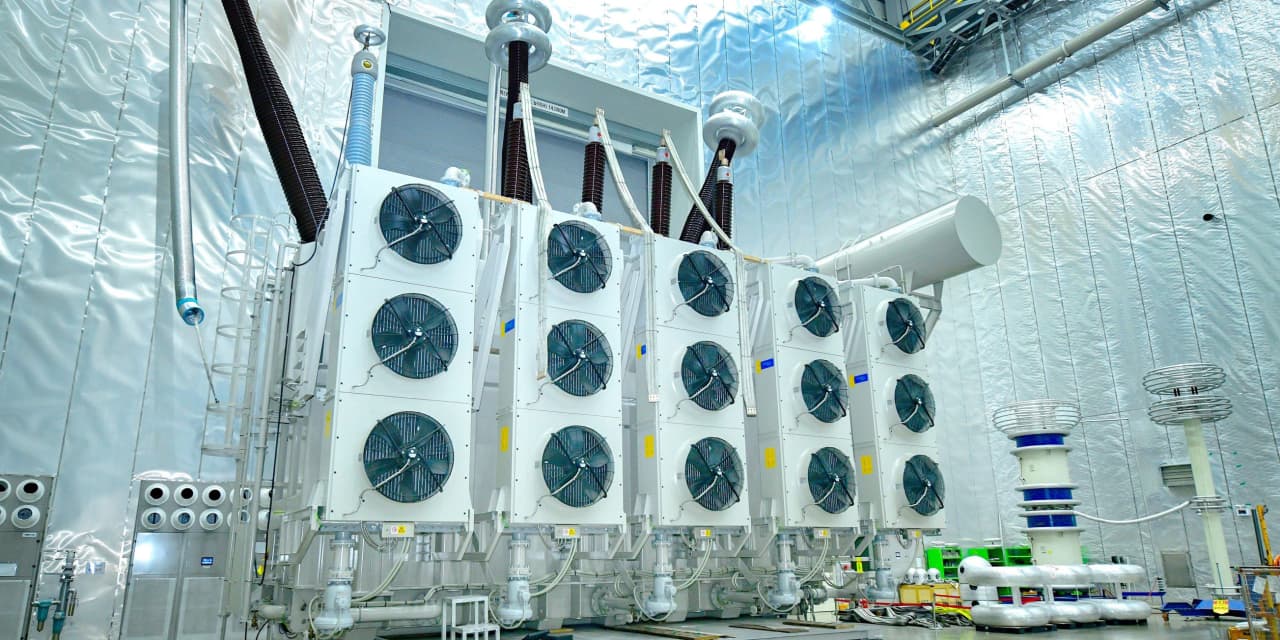
Cisco Systems Sees Strong Growth Driven by AI Infrastructure


- AI Infrastructure Order Surge: Cisco raised its fiscal 2026 AI infrastructure order target from $5 billion to approximately $9 billion, reflecting stronger-than-expected hyperscaler demand, which is expected to drive future revenue growth.
- Revenue and Earnings Outlook: Cisco expects revenues for fiscal 2026 to range between $62.8 billion and $63 billion, representing an 11.1% year-over-year increase, with non-GAAP earnings projected between $4.27 and $4.29 per share, indicating strong profitability and market confidence.
- Network Modernization Trend: Cisco's enterprise data center switching orders grew over 40% in Q3 fiscal 2026, and campus networking orders reached record levels, highlighting the company's leadership in network modernization and AI-driven traffic growth.
- Rising Demand for Security Products: Cisco's core security products saw double-digit order growth, with management expecting security business to continue improving in fiscal 2026, showcasing the company's unique advantage in addressing emerging AI security needs.
See More

HPE Unveils New Software to Enhance Hybrid Cloud Management Capabilities
- Software Launch: HPE introduces Morpheus software, integrating self-service and observability to efficiently manage VM and container workloads in hybrid cloud environments, enhancing operational efficiency and reducing complexity.
- Deepening Strategic Collaboration: HPE partners with ServiceNow to leverage GreenLake Intelligence for real-time full-stack insights, driving autonomous AI-driven service delivery aimed at improving IT operational transparency and efficiency.
- Virtualization Migration Support: HPE launches a new platform migration program to help customers reduce financial risks during virtualization migrations, offering up to one year of free VM Essentials licenses to support seamless transitions to HPE virtual machines.
- Private Cloud Expansion: HPE Private Cloud PC7000 updates extend unified operations from edge to datacenter, ensuring compliance with Department of Defense IL4 certification requirements, enhancing security and meeting regulatory environment needs.
See More
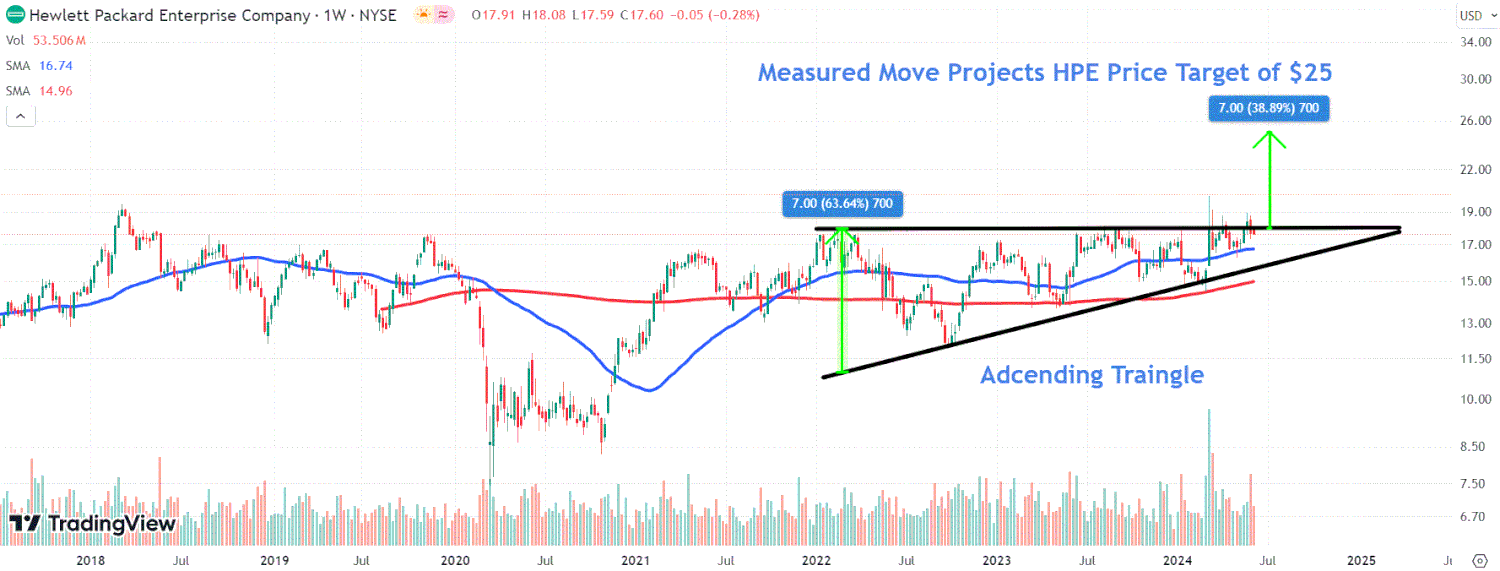
Vultr Partners with HPE and NVIDIA to Build Global AI Cloud Platform
- AI Infrastructure Expansion: Vultr has selected HPE and NVIDIA for large-scale AI data center deployments aimed at meeting the growing enterprise demand for private cloud and AI workloads, marking the next phase of its global AI infrastructure expansion.
- High-Performance Computing Capabilities: The new deployments will combine HPE's AI factory capabilities with NVIDIA's accelerated computing, networking, and software to deliver a scalable, production-ready AI platform optimized for high-performance model training and inference, enhancing enterprise innovation.
- Global Network Optimization: Vultr will leverage NVIDIA Spectrum-X Ethernet networking featuring 400GbE and 800GbE interconnects to enhance its GPU-as-a-service capabilities, addressing enterprise needs for decentralized, latency-sensitive workloads and further solidifying its market position.
- Strategic Partnership Outlook: The collaboration between HPE and Vultr not only validates the importance of AI data center architectures but also showcases Vultr's potential as a new generation of AI cloud providers, expected to drive the next wave of global AI growth.
See More
Pellera Named HPE North America Solution Provider Partner of the Year
- Honor Recognition: Pellera Technologies was awarded the North America Solution Provider Partner of the Year at HPE Discover 2026, highlighting its exceptional contributions to digital infrastructure solutions and solidifying its strategic partnership with HPE.
- Business Growth Driver: This award signifies Pellera's success in helping customers modernize infrastructure, unlock data value, and achieve significant business outcomes, reflecting its crucial role in the rapidly evolving AI and hybrid cloud markets.
- Innovative Solutions: Through close collaboration with HPE, Pellera accelerates AI adoption for clients and effectively addresses technological changes, showcasing its capability in delivering innovative solutions and measurable customer outcomes.
- Leadership Showcase: Pellera's CEO Greg Berard stated that this award reflects the team's dedication and strong partnership with HPE, further enhancing its leadership position in the North American market and empowering customers to navigate complex technology landscapes with confidence.
See More
Super Micro Computer Shares Surge 10.4% Amid AI Demand
- Stock Surge: Super Micro Computer (SMCI) shares rose 10.4% on Thursday, closing around $31, despite a 31% decline over the past year, indicating strong market response to AI hardware.
- Revenue Doubling: In fiscal Q3 2026, Super Micro's revenue more than doubled to $10.2 billion year-over-year, driven by surging demand for AI servers built on Nvidia chips, highlighting robust market demand.
- Order Boom: The company recently secured approximately $39 billion in AI server orders and lined up $7 billion in new equity financing to fulfill these orders, showcasing its competitive position in the rapidly growing AI market.
- Margin Recovery: Although still thin, gross margin rebounded from 6.3% to 9.9%, with management attributing this improvement to selling more complete systems rather than bare servers, reflecting positive changes in cost control and product mix.
See More
Super Micro Stock Surges Over 10% in a Single Session
- Revenue Surge: Super Micro's revenue more than doubled year-over-year in Q3 2026, reaching $10.2 billion, primarily driven by surging demand for AI servers built around Nvidia chips, indicating strong performance in the rapidly growing AI market.
- Gross Margin Recovery: After dropping to 6.3% in the previous quarter, the gross margin rebounded to 9.9%, still thin but reflecting improved profitability through the sale of more complete systems rather than bare servers, alongside reduced costs related to tariffs, shipping, and inventory.
- Increased Debt Load: By the end of the quarter, Super Micro's total bank debt and convertible notes reached $8.8 billion, nearly double from six months prior, and the additional $7 billion in financing raises concerns about share dilution, which could worry investors.
- Export Control Investigation Risk: The company's board is conducting an independent review of certain transactions tied to export control issues, and while the latest financial results indicate a healthy business, the outcome of this review could impact future financial stability, leading to cautious investor sentiment.
See More
Cisco Systems Sees Strong Growth Driven by AI Infrastructure
- AI Infrastructure Order Surge: Cisco raised its fiscal 2026 AI infrastructure order target from $5 billion to approximately $9 billion, reflecting stronger-than-expected hyperscaler demand, which is expected to drive future revenue growth.
- Revenue and Earnings Outlook: Cisco expects revenues for fiscal 2026 to range between $62.8 billion and $63 billion, representing an 11.1% year-over-year increase, with non-GAAP earnings projected between $4.27 and $4.29 per share, indicating strong profitability and market confidence.
- Network Modernization Trend: Cisco's enterprise data center switching orders grew over 40% in Q3 fiscal 2026, and campus networking orders reached record levels, highlighting the company's leadership in network modernization and AI-driven traffic growth.
- Rising Demand for Security Products: Cisco's core security products saw double-digit order growth, with management expecting security business to continue improving in fiscal 2026, showcasing the company's unique advantage in addressing emerging AI security needs.
See More
HPE Unveils New Software to Enhance Hybrid Cloud Management Capabilities
- Software Launch: HPE introduces Morpheus software, integrating self-service and observability to efficiently manage VM and container workloads in hybrid cloud environments, enhancing operational efficiency and reducing complexity.
- Deepening Strategic Collaboration: HPE partners with ServiceNow to leverage GreenLake Intelligence for real-time full-stack insights, driving autonomous AI-driven service delivery aimed at improving IT operational transparency and efficiency.
- Virtualization Migration Support: HPE launches a new platform migration program to help customers reduce financial risks during virtualization migrations, offering up to one year of free VM Essentials licenses to support seamless transitions to HPE virtual machines.
- Private Cloud Expansion: HPE Private Cloud PC7000 updates extend unified operations from edge to datacenter, ensuring compliance with Department of Defense IL4 certification requirements, enhancing security and meeting regulatory environment needs.
See More
Vultr Partners with HPE and NVIDIA to Build Global AI Cloud Platform
- AI Infrastructure Expansion: Vultr has selected HPE and NVIDIA for large-scale AI data center deployments aimed at meeting the growing enterprise demand for private cloud and AI workloads, marking the next phase of its global AI infrastructure expansion.
- High-Performance Computing Capabilities: The new deployments will combine HPE's AI factory capabilities with NVIDIA's accelerated computing, networking, and software to deliver a scalable, production-ready AI platform optimized for high-performance model training and inference, enhancing enterprise innovation.
- Global Network Optimization: Vultr will leverage NVIDIA Spectrum-X Ethernet networking featuring 400GbE and 800GbE interconnects to enhance its GPU-as-a-service capabilities, addressing enterprise needs for decentralized, latency-sensitive workloads and further solidifying its market position.
- Strategic Partnership Outlook: The collaboration between HPE and Vultr not only validates the importance of AI data center architectures but also showcases Vultr's potential as a new generation of AI cloud providers, expected to drive the next wave of global AI growth.
See More