Helium Stocks Surge Amid Conflict and Chip Demand: 5 Key Companies to Watch

Helium Stocks Surge: In 2026, helium gas companies have emerged as significant winners in the stock market, with notable gains from companies like Avantih Helium and Pulsar Helium, driven by geopolitical developments and increased demand in semiconductor manufacturing.
Impact of Iran Conflict: The ongoing conflict in Iran has significantly affected helium supplies, particularly from Qatar, which produces about one-third of the world's helium. Attacks on Qatar's LNG facilities have led to a projected 17% drop in its export capacity, further straining global helium availability.
Rising Prices and Market Dynamics: As helium supply tightens due to geopolitical tensions and production constraints, prices are rising rapidly, benefiting helium stocks in other regions. Companies like Avantih Helium have seen stock prices increase by nearly 300% in 2026.
Investment Risks and Opportunities: Despite the potential for high returns, investing in helium stocks carries risks due to their low market capitalizations and the companies' focus on exploration rather than revenue generation. Analysts suggest that companies like Avantih, which plan to start selling helium soon, may present the most interesting investment opportunities.
Trade with 70% Backtested Accuracy
Analyst Views on XOM

About XOM
About the author


ExxonMobil: Investment Opportunities in Energy Cycles
- Energy Price Volatility: The geopolitical conflict in the Middle East is driving oil and gas prices higher, yet such market fluctuations are common in the energy sector, prompting investors to be cautious when selecting oil stocks to mitigate future price declines.
- Strong Financial Foundation: ExxonMobil boasts a debt-to-equity ratio of approximately 0.19, significantly lower than its peers, demonstrating immense financial flexibility that allows it to support its business and dividends during downturns in oil prices.
- Long-Term Investment Value: With 43 consecutive years of dividend increases, ExxonMobil showcases its success and reliability in a volatile industry, attracting long-term investors who value its ability to withstand falling energy prices.
- Investment Opportunities in Downturns: During industry downturns, ExxonMobil can leverage its robust financial position to invest in undervalued energy assets or companies, transforming industry challenges into potential investment opportunities for shareholders.

Amazon Upgraded as AI Enthusiasm Returns; Netflix Downgraded Ahead of Q1 Earnings

- Amazon Upgrade: Agar Capital upgraded Amazon (AMZN) from Hold to Buy, citing improved cash flow visibility from AWS, advertising, and retail segments, with AI infrastructure and same-day delivery expansion reinforcing its competitive position.
- Southwest Airlines Outlook: Despite headwinds from rising oil prices and inflation, analyst Dhierin Bechai upgraded Southwest Airlines (LUV) from Hold to Buy, believing that strategic cost management and potential fare increases can offset these pressures and deliver meaningful upside.
- Exxon Mobil Downgrade: Asian Value Investor downgraded Exxon Mobil (XOM) from Buy to Hold, noting that current valuation fully reflects geopolitical risks, with technical indicators showing overbought conditions and limited appreciation potential.
- Netflix Caution: Vinay Utham, CFA, downgraded Netflix (NFLX) from Buy to Hold, viewing the stock as fairly valued ahead of Q1 earnings, with current levels pricing in ad-revenue growth expectations and leaving no cushion for potential disappointments.
Fragile U.S.-Iran Ceasefire Tested Amid Oil Price Volatility


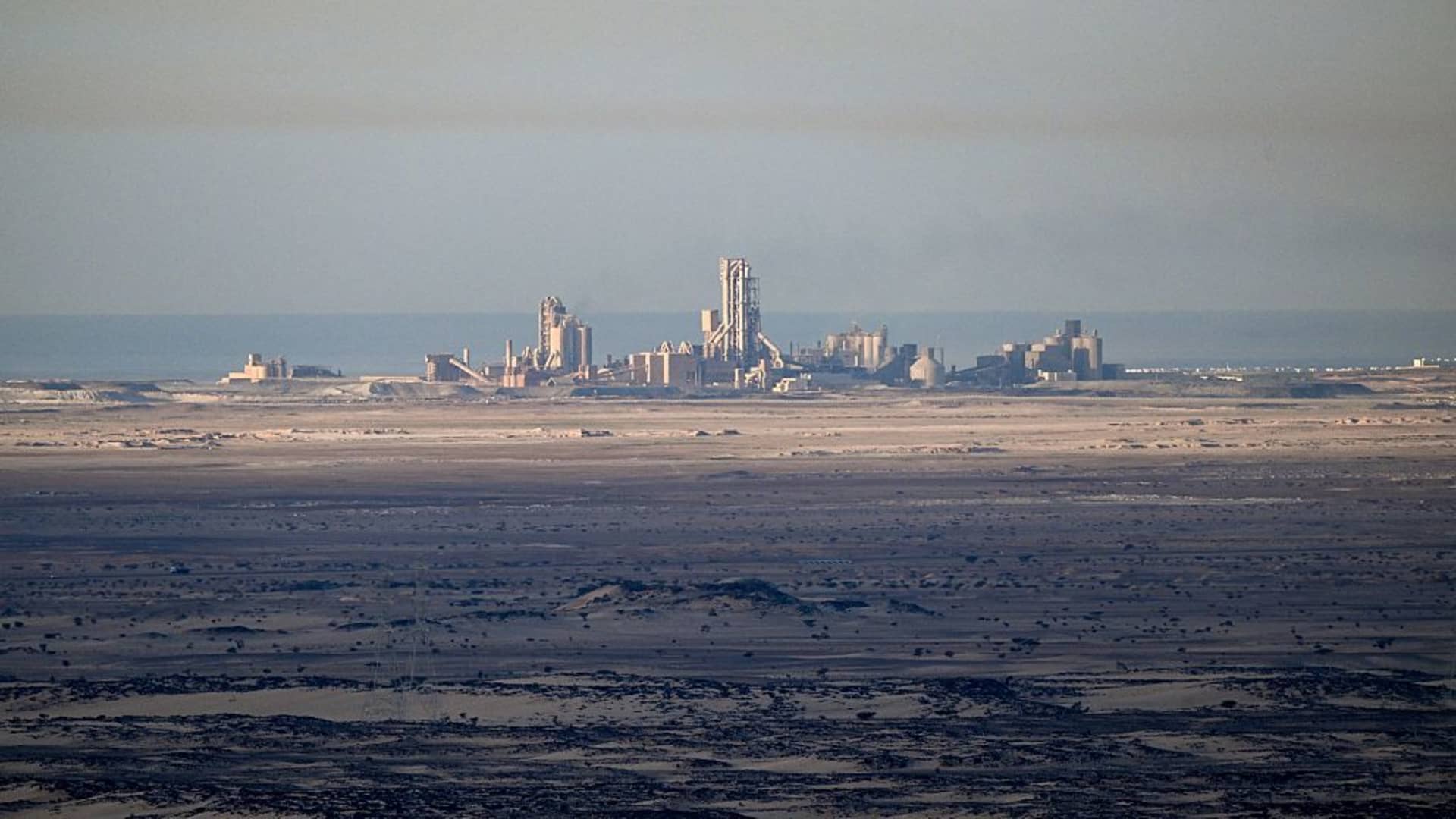
- Oil Price Fluctuations: Iran's attack on Saudi Arabia's Red Sea pipeline has cut throughput by 700,000 barrels per day, causing oil prices to hover below $100 per barrel, which exacerbates uncertainty in global markets.
- Ceasefire Negotiations Tension: U.S. and Iranian negotiators are set to meet in Pakistan, and despite heated rhetoric, there remains a willingness to maintain the ceasefire, which could impact future energy supply and price stability.
- Global Economic Impact: China's factory-gate prices have risen for the first time in over three years, indicating the war's disruption of global energy markets, potentially leading to increased inflationary pressures for the Federal Reserve.
- Political Landscape Attention: The British Prime Minister expressed frustration over energy price volatility, highlighting the influence of international politics on domestic economies, which underscores the far-reaching effects of global political dynamics on markets.

Closure of Strait of Hormuz Triggers Global Energy Crisis
- Market Reaction: Oil prices surged above $100 per barrel due to the closure of the Strait of Hormuz, reflecting market concerns over tight energy supplies that could lead to a global economic slowdown.
- Transport Restrictions: The CEO of Abu Dhabi National Oil Co. confirmed that the Strait of Hormuz is not open to shipping, with traffic being restricted, which will further exacerbate international oil price volatility and impact the global energy supply chain.
- Geopolitical Tensions: Iran's plan to charge shipping companies cryptocurrency tolls for passage through the Strait could provoke strong international backlash, increasing the risk of regional conflict.
- Emergency Measures Escalate: Japan is reportedly considering releasing about 20 days' worth of oil reserves as early as May to address the global supply crisis, demonstrating the urgency and strategic responses of governments facing energy shortages.
Middle East Conflict Threatens Global Economy


- Escalating Middle East Tensions: The war initiated by the U.S. and Israel against Iran has spread throughout the Middle East, threatening global economic stability, particularly impacting Lebanon and Gulf energy exporters.
- Strait of Hormuz Closure: Despite a fragile two-week ceasefire between the U.S. and Iran, traffic through the Strait of Hormuz remains largely restricted, affecting global energy supply and contributing to rising oil prices.
- Oil Price Fluctuations: As of 8:41 p.m. ET, West Texas Intermediate (WTI) rose by 0.69% to $98.55 per barrel, while Brent crude increased by 0.91% to $95.92 per barrel, reflecting market sensitivity to the Middle East situation.
- Japan's Oil Reserve Release Plan: Japan plans to release 20 days' worth of oil reserves starting in May, with current reserves sufficient for 230 days, aiming to alleviate energy supply pressures caused by the Middle East conflict.
Southern Co. Approaches Dividend Aristocrats Eligibility


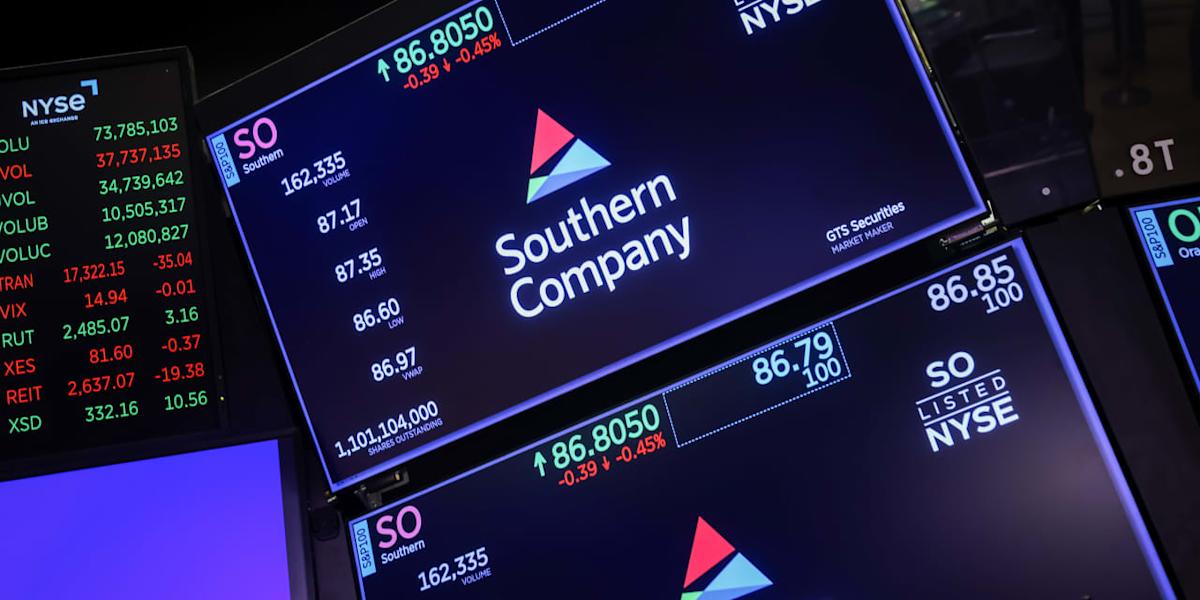
- Dividend Aristocrats Eligibility: Southern Co. is nearing eligibility for the Dividend Aristocrats index, indicating its stability and reliability in consistent dividend payments, which attracts income-focused investors.
- Steady Earnings Growth: The company has achieved steady earnings growth, which is expected to enhance its market appeal, especially as demand for stable income rises in the current economic climate.
- Attractive Yield: With a current dividend yield of 3%, Southern Co. stands out in the low-interest-rate environment, potentially drawing more income-oriented investors looking for reliable returns.
- Potential Returns: As the company approaches Dividend Aristocrats status, it is anticipated to drive its stock price higher, providing substantial returns for investors and further solidifying its leadership position in the utility sector.
ExxonMobil: Investment Opportunities in Energy Cycles
- Energy Price Volatility: The geopolitical conflict in the Middle East is driving oil and gas prices higher, yet such market fluctuations are common in the energy sector, prompting investors to be cautious when selecting oil stocks to mitigate future price declines.
- Strong Financial Foundation: ExxonMobil boasts a debt-to-equity ratio of approximately 0.19, significantly lower than its peers, demonstrating immense financial flexibility that allows it to support its business and dividends during downturns in oil prices.
- Long-Term Investment Value: With 43 consecutive years of dividend increases, ExxonMobil showcases its success and reliability in a volatile industry, attracting long-term investors who value its ability to withstand falling energy prices.
- Investment Opportunities in Downturns: During industry downturns, ExxonMobil can leverage its robust financial position to invest in undervalued energy assets or companies, transforming industry challenges into potential investment opportunities for shareholders.
Amazon Upgraded as AI Enthusiasm Returns; Netflix Downgraded Ahead of Q1 Earnings
- Amazon Upgrade: Agar Capital upgraded Amazon (AMZN) from Hold to Buy, citing improved cash flow visibility from AWS, advertising, and retail segments, with AI infrastructure and same-day delivery expansion reinforcing its competitive position.
- Southwest Airlines Outlook: Despite headwinds from rising oil prices and inflation, analyst Dhierin Bechai upgraded Southwest Airlines (LUV) from Hold to Buy, believing that strategic cost management and potential fare increases can offset these pressures and deliver meaningful upside.
- Exxon Mobil Downgrade: Asian Value Investor downgraded Exxon Mobil (XOM) from Buy to Hold, noting that current valuation fully reflects geopolitical risks, with technical indicators showing overbought conditions and limited appreciation potential.
- Netflix Caution: Vinay Utham, CFA, downgraded Netflix (NFLX) from Buy to Hold, viewing the stock as fairly valued ahead of Q1 earnings, with current levels pricing in ad-revenue growth expectations and leaving no cushion for potential disappointments.
Fragile U.S.-Iran Ceasefire Tested Amid Oil Price Volatility
- Oil Price Fluctuations: Iran's attack on Saudi Arabia's Red Sea pipeline has cut throughput by 700,000 barrels per day, causing oil prices to hover below $100 per barrel, which exacerbates uncertainty in global markets.
- Ceasefire Negotiations Tension: U.S. and Iranian negotiators are set to meet in Pakistan, and despite heated rhetoric, there remains a willingness to maintain the ceasefire, which could impact future energy supply and price stability.
- Global Economic Impact: China's factory-gate prices have risen for the first time in over three years, indicating the war's disruption of global energy markets, potentially leading to increased inflationary pressures for the Federal Reserve.
- Political Landscape Attention: The British Prime Minister expressed frustration over energy price volatility, highlighting the influence of international politics on domestic economies, which underscores the far-reaching effects of global political dynamics on markets.
Closure of Strait of Hormuz Triggers Global Energy Crisis
- Market Reaction: Oil prices surged above $100 per barrel due to the closure of the Strait of Hormuz, reflecting market concerns over tight energy supplies that could lead to a global economic slowdown.
- Transport Restrictions: The CEO of Abu Dhabi National Oil Co. confirmed that the Strait of Hormuz is not open to shipping, with traffic being restricted, which will further exacerbate international oil price volatility and impact the global energy supply chain.
- Geopolitical Tensions: Iran's plan to charge shipping companies cryptocurrency tolls for passage through the Strait could provoke strong international backlash, increasing the risk of regional conflict.
- Emergency Measures Escalate: Japan is reportedly considering releasing about 20 days' worth of oil reserves as early as May to address the global supply crisis, demonstrating the urgency and strategic responses of governments facing energy shortages.
Middle East Conflict Threatens Global Economy
- Escalating Middle East Tensions: The war initiated by the U.S. and Israel against Iran has spread throughout the Middle East, threatening global economic stability, particularly impacting Lebanon and Gulf energy exporters.
- Strait of Hormuz Closure: Despite a fragile two-week ceasefire between the U.S. and Iran, traffic through the Strait of Hormuz remains largely restricted, affecting global energy supply and contributing to rising oil prices.
- Oil Price Fluctuations: As of 8:41 p.m. ET, West Texas Intermediate (WTI) rose by 0.69% to $98.55 per barrel, while Brent crude increased by 0.91% to $95.92 per barrel, reflecting market sensitivity to the Middle East situation.
- Japan's Oil Reserve Release Plan: Japan plans to release 20 days' worth of oil reserves starting in May, with current reserves sufficient for 230 days, aiming to alleviate energy supply pressures caused by the Middle East conflict.
Southern Co. Approaches Dividend Aristocrats Eligibility
- Dividend Aristocrats Eligibility: Southern Co. is nearing eligibility for the Dividend Aristocrats index, indicating its stability and reliability in consistent dividend payments, which attracts income-focused investors.
- Steady Earnings Growth: The company has achieved steady earnings growth, which is expected to enhance its market appeal, especially as demand for stable income rises in the current economic climate.
- Attractive Yield: With a current dividend yield of 3%, Southern Co. stands out in the low-interest-rate environment, potentially drawing more income-oriented investors looking for reliable returns.
- Potential Returns: As the company approaches Dividend Aristocrats status, it is anticipated to drive its stock price higher, providing substantial returns for investors and further solidifying its leadership position in the utility sector.