Hasbro CEO Discusses AI's Impact on Toy Development
Written by Emily J. Thompson, Senior Investment Analyst
Updated: Feb 14 2026
0mins
Source: Yahoo Finance
- Productivity Boost: Hasbro anticipates saving approximately one million work hours over the next 12 months by reallocating employee time from low-value tasks like order management to innovation, significantly enhancing overall productivity.
- Creative Transformation: The combination of AI and 3D printing has reduced the time from toy design to 3D printed models by 80%, which not only accelerates product development but also enables the company to launch more competitive toys and games faster.
- Market Positioning Shift: Hasbro plans to introduce more toys targeting the collector market and adult consumers in the future, reflecting the company's keen insight into technological advancements and rapid response to changing market demands.
- Exploring Technological Potential: CEO Chris Cocks emphasizes the creativity and playfulness of AI, noting that the company is developing entirely new categories of toys and games, which are expected to provide exciting experiences for consumers and further drive innovation in the toy industry.
Trade with 70% Backtested Accuracy
Stop guessing "Should I Buy HAS?" and start using high-conviction signals backed by rigorous historical data.
Sign up today to access powerful investing tools and make smarter, data-driven decisions.
Analyst Views on HAS
Wall Street analysts forecast HAS stock price to rise
9 Analyst Rating
7 Buy
1 Hold
1 Sell
Moderate Buy
Current: 82.290

Low
90.00
Averages
95.71
High
100.00
Current: 82.290
Low
90.00
Averages
95.71
High
100.00
About HAS
Hasbro, Inc. is a game, intellectual property (IP) and toy company. The Company delivers play experiences to kids, families, and fans around the world, through physical and digital games, video games, and toys, among others. Its Consumer Products segment engages in the sourcing, marketing and sales of toy and game products around the world. Its Wizards of the Coast and Digital Gaming segment engages in the promotion of the Company's brands through the development of trading cards, role-playing and digital game experiences based on Hasbro and Wizards of the Coast games. Its Entertainment segment engages in the development and production of Hasbro-branded entertainment content, including film, television, children’s programming, digital content and live entertainment focused on Hasbro-owned properties. Its portfolio of brands includes MAGIC: THE GATHERING, DUNGEONS & DRAGONS, MONOPOLY, HASBRO GAMES, NERF, TRANSFORMERS, PLAY-DOH and PEPPA PIG, as well as premier partner brands.
About the author

Emily J. Thompson
Emily J. Thompson, a Chartered Financial Analyst (CFA) with 12 years in investment research, graduated with honors from the Wharton School. Specializing in industrial and technology stocks, she provides in-depth analysis for Intellectia’s earnings and market brief reports.
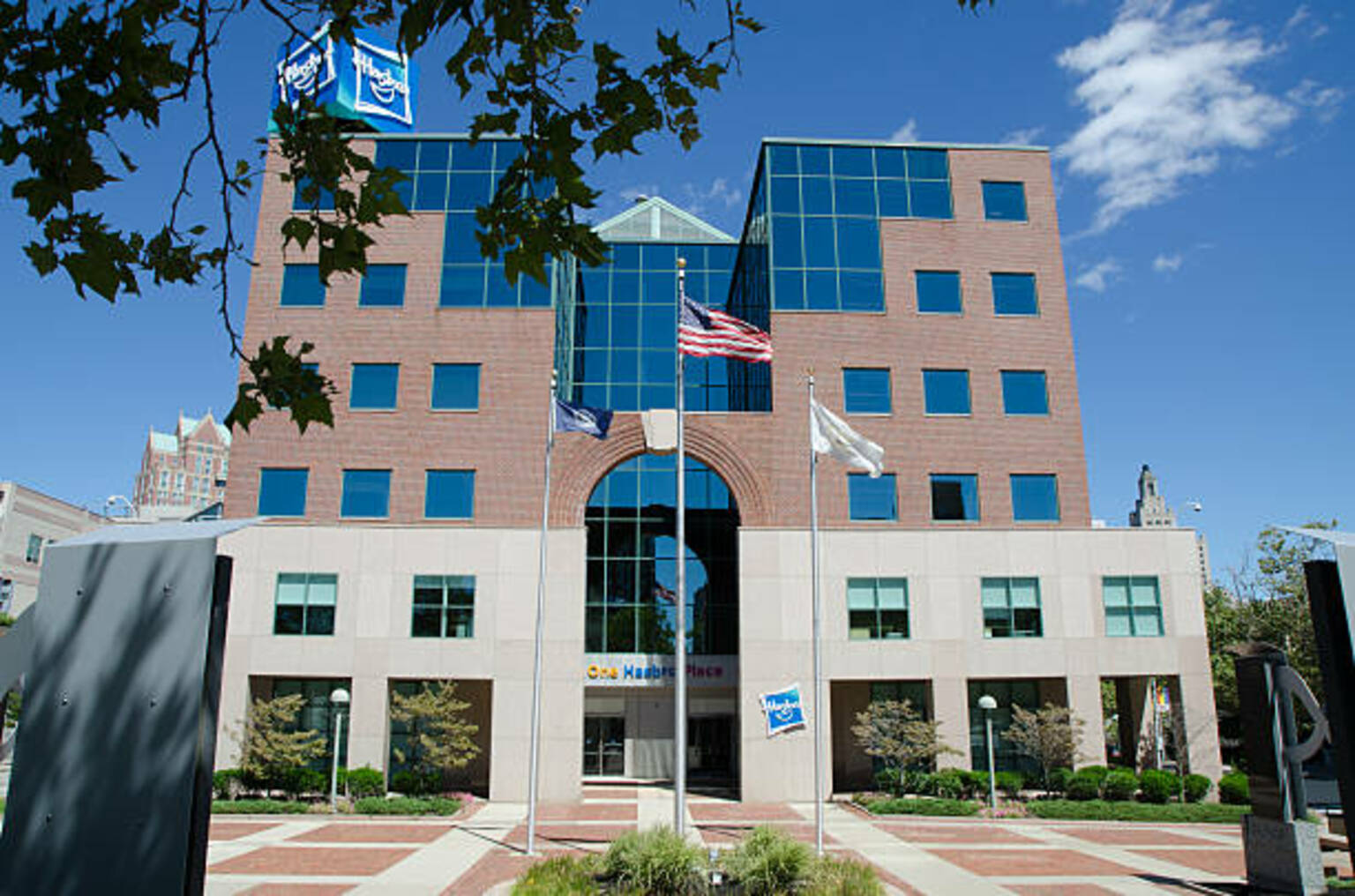
Hasbro Launches New AI Character Licensing Model

- AI Character Licensing Innovation: Hasbro introduces Behavioral Licensing through its new Sixth Wall unit, focusing on how characters think, speak, and interact in dynamic environments, aiming to enhance brand applications in AI products while ensuring authenticity and commercial rights.
- Technology-Driven Character Management: Behavioral Licensing is powered by Hasbro's proprietary system, CharacterOS, which encodes characters' personalities, voices, and safety guardrails to ensure consistency across interactive experiences, addressing the issue of unauthorized character use in AI platforms.
- Strategic Partnership: Hasbro partners with AI audio company ElevenLabs to bring iconic characters like Optimus Prime and Megatron into ElevenLabs' Iconic Marketplace, further expanding the application of characters in AI products.
- CEO's Vision: Hasbro CEO Chris Cocks highlights the significance of CharacterOS, stating it not only addresses the challenge of unauthorized AI content use but also unlocks a larger creative canvas for storytelling and enhances user experiences.
See More

Hasbro Launches New AI Character Licensing Model
- Strategic Partnership: Hasbro has formed a strategic partnership with leading AI audio company ElevenLabs to introduce twelve iconic characters into ElevenLabs' Iconic Marketplace, which is expected to enhance the brand's influence and market share in the AI sector.
- Behavioral Licensing Model: The newly introduced Behavioral Licensing focuses on how characters think, speak, and interact in dynamic experiences, ensuring authenticity and safety for characters in AI applications, thus providing a trusted framework for creators and brands.
- Technological Innovation: With the CharacterOS system, Hasbro can preserve character personality and voice in interactive experiences, addressing the challenge of unauthorized AI content use, and further promoting collaboration between brands and creators.
- Market Positioning: Sixth Wall's initial focus is on experiences for users aged 13 and above, actively participating in discussions around industry safety standards to ensure the safety of AI products while providing diverse application scenarios for future authorized character access.
See More
Investment Opportunities in European Small Caps Amid Market Shift

- Market Positive Shift: The European market is experiencing a positive shift with the STOXX Europe 600 Index climbing 3.00% amid hopes for de-escalation in the Middle East, creating unique investment opportunities in small-cap stocks that attract investor interest.
- Small Cap Potential: Companies like CellaVision and Eurocell are considered undervalued due to their strong fundamentals and recent insider buying activity, indicating market confidence in their future growth prospects.
- Hays Company Dynamics: Hays is navigating executive changes with CEO Mark Dearnley recently purchasing 485,500 shares valued at approximately £147,301; despite a slight dip in sales and net income, earnings are forecasted to grow over 105% annually.
- Morgan Advanced Materials Challenges: Morgan Advanced Materials reported sales of £996.6 million for 2025, down from the previous year, with net income dropping to £21.1 million; however, insider buying suggests confidence in future growth despite financial challenges.
See More
Star Wars: The Mandalorian and Grogu Opens to Lowest Ticket Sales in Franchise History
- Record Low Pre-Sales: According to Comscore, 'Star Wars: The Mandalorian and Grogu' achieved only $12 million in Thursday night previews, marking the lowest advanced ticket sales in franchise history, previously held by 'Solo: A Star Wars Story' at $14.1 million.
- Opening Weekend Projections: Box office analysts estimate the film will generate around $80 million over its three-day opening weekend and approximately $95 million during the four-day Memorial Day holiday, indicating one of the weakest openings for a 'Star Wars' film in modern cinematic history.
- Market Competition and Opportunities: Despite facing limited competition, the film may benefit from the popularity of the television series and the extended holiday weekend; however, its performance will serve as a stress test for future 'Star Wars' theatrical releases amid a lackluster cinema run for the franchise and Marvel.
- Consumer Products Potential: Beyond box office revenue, Disney is expected to gain from a robust consumer products launch tied to the film, particularly with Grogu's popularity among fans, which could drive retail sales significantly, reminiscent of Hasbro's nearly $500 million in sales following the 2015 release of 'The Force Awakens.'
See More
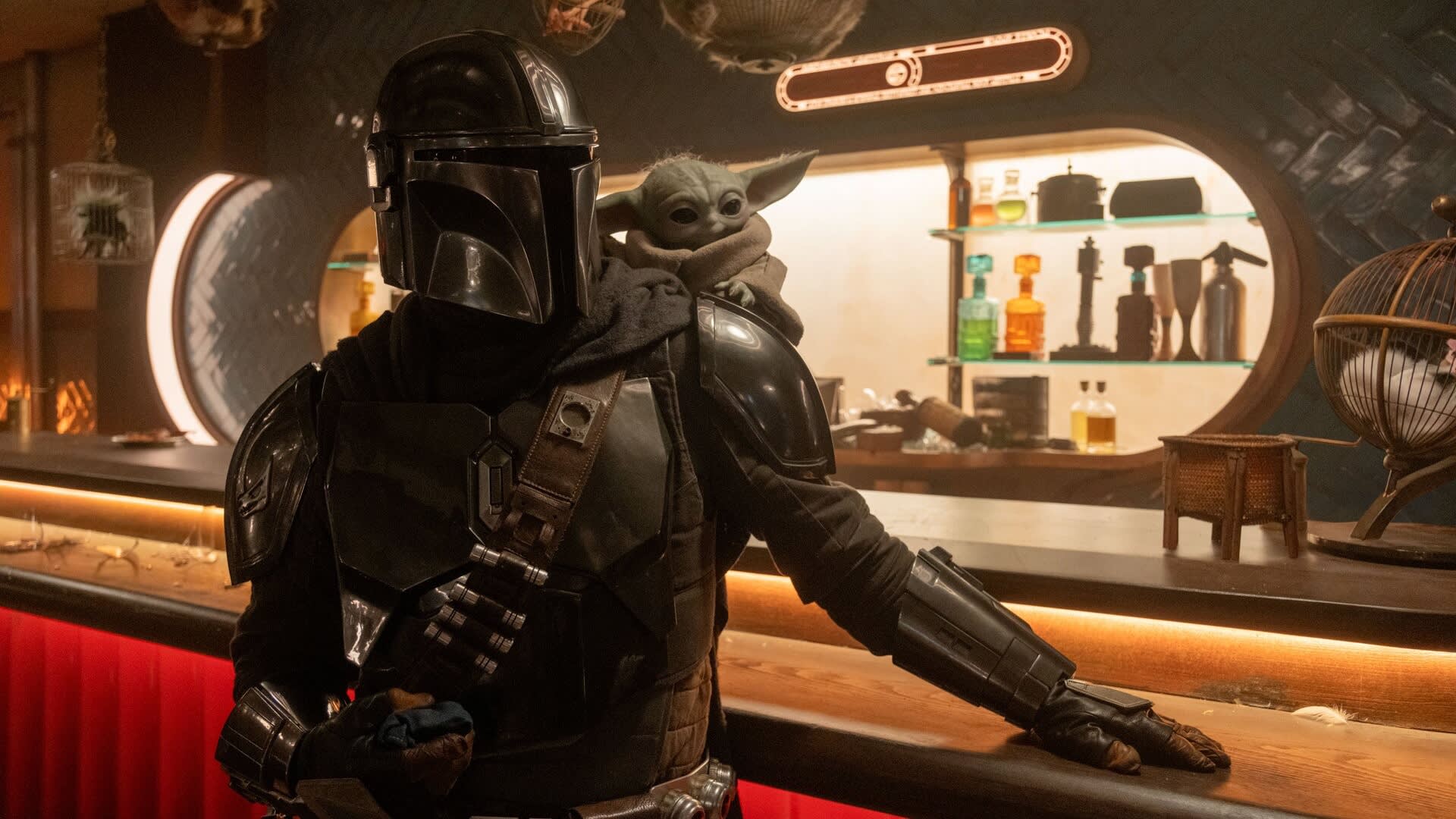
Star Wars: The Mandalorian and Grogu Opens to Historic Low Ticket Sales

- Historic Low Pre-Sales: According to Comscore, 'Star Wars: The Mandalorian and Grogu' achieved only $12 million in Thursday night preview sales, marking the lowest in franchise history, with the previous low held by 'Solo: A Star Wars Story' at $14.1 million.
- Opening Weekend Projections: Analysts predict the film will generate around $80 million for its three-day opening weekend and approximately $95 million for the four-day Memorial Day holiday, indicating a decline in the franchise's box office appeal compared to previous releases.
- Lower Production Costs: With an estimated production budget of $165 million, which is significantly lower than the typical $250 million or more for other Star Wars films, this film has a reduced profitability threshold, although marketing expenses remain a critical factor.
- Merchandising Opportunities: Despite potential box office struggles, Disney aims to leverage the film's release through a robust consumer products launch and theme park tie-ins, particularly capitalizing on the popularity of Grogu, which could significantly boost retail sales.
See More

U.S. Stocks Surge as Oil Prices Plunge, Boosting Market Sentiment


- Market Recovery: The S&P 500 Index rose by 1.08%, the Dow Jones Industrial Average increased by 1.31%, and the Nasdaq 100 Index climbed by 1.66%, reflecting renewed investor confidence in economic recovery, particularly amid a significant drop in oil prices.
- Oil Price Plunge: Crude oil prices fell by over 5% due to hopes for an end to the Iran conflict, which not only lowered inflation expectations but also caused the 10-year Treasury yield to drop by 10 basis points to 4.57%, providing support for the bond market.
- Semiconductor Stocks Rally: Nvidia rose more than 1% ahead of its earnings report, with Q1 sales expected to increase by 80%, drawing market attention to its production ramp-up and competitive strategies, positively impacting the overall tech sector.
- Mortgage Applications Decline: U.S. MBA mortgage applications fell by 2.3% for the week ending May 1, with the purchase mortgage sub-index down 4.1%, indicating pressure on the housing market from high interest rates, as the average 30-year fixed mortgage rate rose to 6.56%.
See More
Hasbro Launches New AI Character Licensing Model
- AI Character Licensing Innovation: Hasbro introduces Behavioral Licensing through its new Sixth Wall unit, focusing on how characters think, speak, and interact in dynamic environments, aiming to enhance brand applications in AI products while ensuring authenticity and commercial rights.
- Technology-Driven Character Management: Behavioral Licensing is powered by Hasbro's proprietary system, CharacterOS, which encodes characters' personalities, voices, and safety guardrails to ensure consistency across interactive experiences, addressing the issue of unauthorized character use in AI platforms.
- Strategic Partnership: Hasbro partners with AI audio company ElevenLabs to bring iconic characters like Optimus Prime and Megatron into ElevenLabs' Iconic Marketplace, further expanding the application of characters in AI products.
- CEO's Vision: Hasbro CEO Chris Cocks highlights the significance of CharacterOS, stating it not only addresses the challenge of unauthorized AI content use but also unlocks a larger creative canvas for storytelling and enhances user experiences.
See More
Hasbro Launches New AI Character Licensing Model
- Strategic Partnership: Hasbro has formed a strategic partnership with leading AI audio company ElevenLabs to introduce twelve iconic characters into ElevenLabs' Iconic Marketplace, which is expected to enhance the brand's influence and market share in the AI sector.
- Behavioral Licensing Model: The newly introduced Behavioral Licensing focuses on how characters think, speak, and interact in dynamic experiences, ensuring authenticity and safety for characters in AI applications, thus providing a trusted framework for creators and brands.
- Technological Innovation: With the CharacterOS system, Hasbro can preserve character personality and voice in interactive experiences, addressing the challenge of unauthorized AI content use, and further promoting collaboration between brands and creators.
- Market Positioning: Sixth Wall's initial focus is on experiences for users aged 13 and above, actively participating in discussions around industry safety standards to ensure the safety of AI products while providing diverse application scenarios for future authorized character access.
See More
Investment Opportunities in European Small Caps Amid Market Shift
- Market Positive Shift: The European market is experiencing a positive shift with the STOXX Europe 600 Index climbing 3.00% amid hopes for de-escalation in the Middle East, creating unique investment opportunities in small-cap stocks that attract investor interest.
- Small Cap Potential: Companies like CellaVision and Eurocell are considered undervalued due to their strong fundamentals and recent insider buying activity, indicating market confidence in their future growth prospects.
- Hays Company Dynamics: Hays is navigating executive changes with CEO Mark Dearnley recently purchasing 485,500 shares valued at approximately £147,301; despite a slight dip in sales and net income, earnings are forecasted to grow over 105% annually.
- Morgan Advanced Materials Challenges: Morgan Advanced Materials reported sales of £996.6 million for 2025, down from the previous year, with net income dropping to £21.1 million; however, insider buying suggests confidence in future growth despite financial challenges.
See More
Star Wars: The Mandalorian and Grogu Opens to Lowest Ticket Sales in Franchise History
- Record Low Pre-Sales: According to Comscore, 'Star Wars: The Mandalorian and Grogu' achieved only $12 million in Thursday night previews, marking the lowest advanced ticket sales in franchise history, previously held by 'Solo: A Star Wars Story' at $14.1 million.
- Opening Weekend Projections: Box office analysts estimate the film will generate around $80 million over its three-day opening weekend and approximately $95 million during the four-day Memorial Day holiday, indicating one of the weakest openings for a 'Star Wars' film in modern cinematic history.
- Market Competition and Opportunities: Despite facing limited competition, the film may benefit from the popularity of the television series and the extended holiday weekend; however, its performance will serve as a stress test for future 'Star Wars' theatrical releases amid a lackluster cinema run for the franchise and Marvel.
- Consumer Products Potential: Beyond box office revenue, Disney is expected to gain from a robust consumer products launch tied to the film, particularly with Grogu's popularity among fans, which could drive retail sales significantly, reminiscent of Hasbro's nearly $500 million in sales following the 2015 release of 'The Force Awakens.'
See More
Star Wars: The Mandalorian and Grogu Opens to Historic Low Ticket Sales
- Historic Low Pre-Sales: According to Comscore, 'Star Wars: The Mandalorian and Grogu' achieved only $12 million in Thursday night preview sales, marking the lowest in franchise history, with the previous low held by 'Solo: A Star Wars Story' at $14.1 million.
- Opening Weekend Projections: Analysts predict the film will generate around $80 million for its three-day opening weekend and approximately $95 million for the four-day Memorial Day holiday, indicating a decline in the franchise's box office appeal compared to previous releases.
- Lower Production Costs: With an estimated production budget of $165 million, which is significantly lower than the typical $250 million or more for other Star Wars films, this film has a reduced profitability threshold, although marketing expenses remain a critical factor.
- Merchandising Opportunities: Despite potential box office struggles, Disney aims to leverage the film's release through a robust consumer products launch and theme park tie-ins, particularly capitalizing on the popularity of Grogu, which could significantly boost retail sales.
See More
U.S. Stocks Surge as Oil Prices Plunge, Boosting Market Sentiment
- Market Recovery: The S&P 500 Index rose by 1.08%, the Dow Jones Industrial Average increased by 1.31%, and the Nasdaq 100 Index climbed by 1.66%, reflecting renewed investor confidence in economic recovery, particularly amid a significant drop in oil prices.
- Oil Price Plunge: Crude oil prices fell by over 5% due to hopes for an end to the Iran conflict, which not only lowered inflation expectations but also caused the 10-year Treasury yield to drop by 10 basis points to 4.57%, providing support for the bond market.
- Semiconductor Stocks Rally: Nvidia rose more than 1% ahead of its earnings report, with Q1 sales expected to increase by 80%, drawing market attention to its production ramp-up and competitive strategies, positively impacting the overall tech sector.
- Mortgage Applications Decline: U.S. MBA mortgage applications fell by 2.3% for the week ending May 1, with the purchase mortgage sub-index down 4.1%, indicating pressure on the housing market from high interest rates, as the average 30-year fixed mortgage rate rose to 6.56%.
See More