Google Provides Financial Support for Nexus Data Centers
Written by Emily J. Thompson, Senior Investment Analyst
Updated: 2 days ago
0mins


Should l Buy GOOGL?
Google (GOOGL) plans to offer financial support, including offering construction loans for Nexus Data Centers, the operator behind a multibillion-dollar data center project in Texas that is leased to Anthropic, people familiar with the matter told Financial Times' Michelle Chan, Stephen Morris and Martha Muir. Support from Google parent Alphabet should allow the project to raise the financing at a lower cost than financing that was being readied by a consortium of banks competing to provide financing, the report stated.
Trade with 70% Backtested Accuracy
Stop guessing "Should I Buy GOOGL?" and start using high-conviction signals backed by rigorous historical data.
Sign up today to access powerful investing tools and make smarter, data-driven decisions.
Analyst Views on GOOGL
Wall Street analysts forecast GOOGL stock price to rise
33 Analyst Rating
26 Buy
7 Hold
0 Sell
Strong Buy
Current: 280.920

Low
305.00
Averages
374.25
High
400.00
Current: 280.920
Low
305.00
Averages
374.25
High
400.00
About GOOGL
Alphabet Inc. is a holding company. The Company's segments include Google Services, Google Cloud, and Other Bets. The Google Services segment includes products and services such as ads, Android, Chrome, devices, Google Maps, Google Play, Search, and YouTube. The Google Cloud segment includes infrastructure and platform services, collaboration tools, and other services for enterprise customers. Its Other Bets segment is engaged in the sale of healthcare-related services and Internet services. Its Google Cloud provides enterprise-ready cloud services, including Google Cloud Platform and Google Workspace. Google Cloud Platform provides access to solutions such as artificial intelligence (AI) offerings, including its AI infrastructure, Vertex AI platform, and Gemini for Google Cloud; cybersecurity, and data and analytics. Google Workspace includes cloud-based communication and collaboration tools for enterprises, such as Calendar, Gmail, Docs, Drive, and Meet.
About the author

Emily J. Thompson
Emily J. Thompson, a Chartered Financial Analyst (CFA) with 12 years in investment research, graduated with honors from the Wharton School. Specializing in industrial and technology stocks, she provides in-depth analysis for Intellectia’s earnings and market brief reports.

Brookfield Renewable Corporation's Growth Outlook Remains Strong

- Historic Deal: Brookfield Renewable Corporation has secured the largest renewable energy agreement in history with Microsoft, totaling 10.5 gigawatts, expected to commence deliveries in 2024, significantly enhancing the company's market position and revenue potential.
- Growing Power Demand: With the surge in electricity demand from AI data centers, Brookfield's current capacity exceeds 47 gigawatts, with an additional 227.4 gigawatts in its development pipeline, showcasing the company's strong competitive edge in the clean energy sector.
- Dividend Growth: The company recently announced a 5% increase in its distribution and expects to continue growing it by 5% to 9% annually, which will bolster investor confidence and attract more long-term investors.
- Debt Management: Despite potential interest rate hike risks, Brookfield's average debt maturity exceeds 10 years, with most being fixed-rate, which will mitigate the impact of short-term interest rate fluctuations on the company.
See More
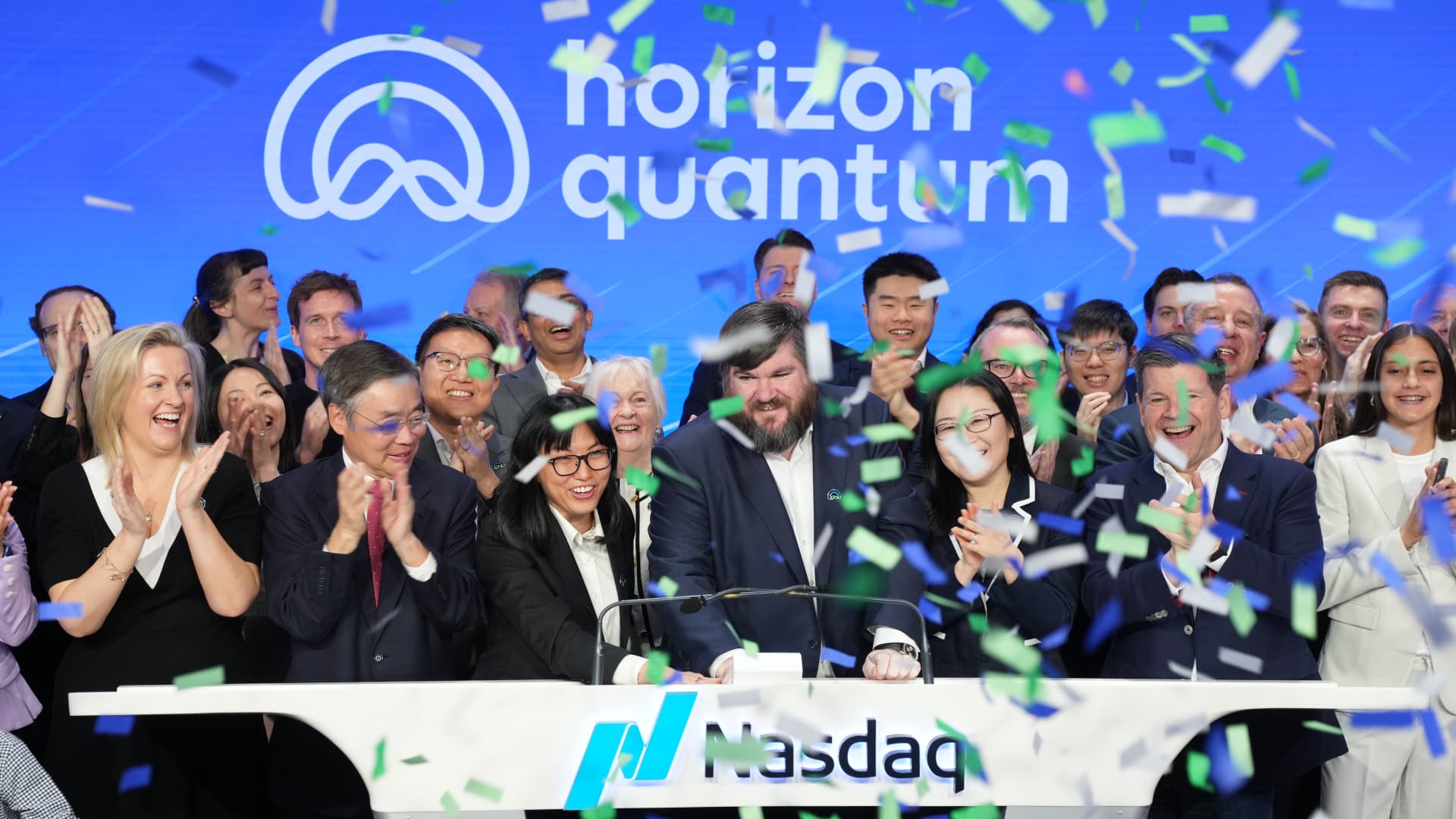
Xanadu Quantum Successfully Goes Public Amid Market Turbulence


- IPO Performance: Xanadu Quantum's shares rose 15% on their debut on Nasdaq and the Toronto Stock Exchange, although they fell over 10% in after-hours trading, indicating a mix of market interest and caution towards quantum computing firms.
- SPAC Merger: Xanadu went public through a merger with the special purpose acquisition company Crane Harbor Acquisition, a method that provides a quicker financing route for quantum startups, reflecting growing market confidence in quantum technology.
- Industry Breakthroughs: Significant advancements in quantum computing over the past 18 months, including improvements in quantum error correction and increased qubit counts, lay the groundwork for commercial applications, with expectations for larger-scale quantum computing capabilities by the mid-2030s.
- Market Potential: The quantum computing market is estimated to be worth between $100 billion and $250 billion, attracting investments from tech giants like Alphabet and Microsoft, indicating a positive long-term outlook from investors in this sector.
See More

Analysis of Brookfield Renewable Corporation's Stock Pullback
- Stock Pullback: Brookfield Renewable Corporation (BEPC) has seen its shares decline over 10% recently, while most energy stocks have surged due to rising oil and gas prices, potentially offering investors a buying opportunity below $40.
- Historical Rebound: The last time the stock pulled back to similar levels, it rebounded quickly, indicating strong market recovery potential, which may encourage investors to consider increasing their positions for potential gains.
- Massive Contract: Brookfield's agreement with Microsoft for 10.5 gigawatts of renewable energy delivery marks the largest deal in history, expected to commence this year, significantly enhancing the company's market position and revenue potential.
- Dividend Growth: The company recently announced a 5% increase in its distribution and expects to continue growing it by 5% to 9% annually, which not only boosts investor confidence but also adds appeal for long-term holders.
See More
Wall Street Bull Market Endures, Divergence Among Magnificent Seven


- Performance of the Magnificent Seven: Wall Street's 'Magnificent Seven' includes Nvidia, Apple, Alphabet, Microsoft, Amazon, Meta, and Tesla, which, while all possessing sustainable competitive advantages, show significant differences in price-to-earnings and cash flow ratios, with Tesla and Apple having cash flow ratios of 81.5 and 24.3 respectively, indicating high valuation risks.
- Cash Flow Ratio Analysis: As of March 24, Meta and Amazon's forward-year cash flow ratios stand at 9.3 and 9.7, respectively, marking them as relatively cheap investment options within the Magnificent Seven; notably, Meta's social media assets attracted an average of 3.58 billion daily users, enhancing its advertising pricing power.
- AI and Advertising Revenue: Meta's integration of generative AI solutions into its advertising platform has improved click-through rates, further enhancing its pricing power, and despite significant investments in AI, the short-term results indicate strong competitiveness in the advertising market.
- Amazon's Growth Drivers: Amazon's cash flow growth is primarily driven by its ancillary operations, particularly AWS, which is the world's leading cloud infrastructure service platform; the integration of generative AI and large language models has accelerated its growth rate, while its Prime subscription and advertising services continue to show double-digit sales growth, solidifying its market position.
See More

Competitive Advantages of Wall Street's Magnificent Seven
- AI-Driven Growth: Among the Magnificent Seven, Tesla and Apple show poor cash flow forecasts, while Nvidia, Alphabet, and Microsoft are valued between fairly and modestly attractive, highlighting the profound impact of AI technology on company valuations.
- Meta's Advertising Edge: In December, Meta attracted 3.58 billion daily active users, allowing it to charge premium prices for ad placements due to its unique social media assets, and the integration of generative AI has improved ad click-through rates, further enhancing pricing power.
- Amazon's Cash Flow Surge: Amazon's cash flow growth is primarily driven by its ancillary operations, particularly AWS, the world's leading cloud infrastructure service platform, which has reaccelerated its growth rate by incorporating generative AI capabilities, showcasing strong market competitiveness.
- Significant Valuation Discounts: Based on forward cash flow estimates, Meta is valued at a 34% discount to its average cash flow multiple over the past five years, while Amazon shows a 48% discount, presenting attractive investment opportunities in a historically pricey market.
See More
Apple Faces Multiple Challenges, Investors Should Proceed with Caution

- Aging Product Risk: With the iPhone approaching its 20th anniversary, market saturation has diminished the appeal of new models, forcing Apple to rely on price increases for growth, which is concerning as iPhones account for 50% of its revenue.
- Intensifying Competition: While Apple holds a 60% market share in the U.S., it only commands 25% in China, facing fierce competition from Huawei, Vivo, and Xiaomi, and any decline in market share could negatively impact Apple's stock price.
- Regulatory and Trade Risks: Global regulators are pressuring Apple regarding its App Store, requiring it to allow alternative app stores, which could undermine the growth potential of its high-margin services segment, while trade tensions pose risks to its supply chain stability.
- Investor Response Strategy: Investors should consider reallocating some capital from Apple to more innovative companies like Meta and Alphabet, or defensive investments such as consumer staples ETFs, to mitigate potential declines in Apple's future performance.
See More
Brookfield Renewable Corporation's Growth Outlook Remains Strong
- Historic Deal: Brookfield Renewable Corporation has secured the largest renewable energy agreement in history with Microsoft, totaling 10.5 gigawatts, expected to commence deliveries in 2024, significantly enhancing the company's market position and revenue potential.
- Growing Power Demand: With the surge in electricity demand from AI data centers, Brookfield's current capacity exceeds 47 gigawatts, with an additional 227.4 gigawatts in its development pipeline, showcasing the company's strong competitive edge in the clean energy sector.
- Dividend Growth: The company recently announced a 5% increase in its distribution and expects to continue growing it by 5% to 9% annually, which will bolster investor confidence and attract more long-term investors.
- Debt Management: Despite potential interest rate hike risks, Brookfield's average debt maturity exceeds 10 years, with most being fixed-rate, which will mitigate the impact of short-term interest rate fluctuations on the company.
See More
Xanadu Quantum Successfully Goes Public Amid Market Turbulence
- IPO Performance: Xanadu Quantum's shares rose 15% on their debut on Nasdaq and the Toronto Stock Exchange, although they fell over 10% in after-hours trading, indicating a mix of market interest and caution towards quantum computing firms.
- SPAC Merger: Xanadu went public through a merger with the special purpose acquisition company Crane Harbor Acquisition, a method that provides a quicker financing route for quantum startups, reflecting growing market confidence in quantum technology.
- Industry Breakthroughs: Significant advancements in quantum computing over the past 18 months, including improvements in quantum error correction and increased qubit counts, lay the groundwork for commercial applications, with expectations for larger-scale quantum computing capabilities by the mid-2030s.
- Market Potential: The quantum computing market is estimated to be worth between $100 billion and $250 billion, attracting investments from tech giants like Alphabet and Microsoft, indicating a positive long-term outlook from investors in this sector.
See More
Analysis of Brookfield Renewable Corporation's Stock Pullback
- Stock Pullback: Brookfield Renewable Corporation (BEPC) has seen its shares decline over 10% recently, while most energy stocks have surged due to rising oil and gas prices, potentially offering investors a buying opportunity below $40.
- Historical Rebound: The last time the stock pulled back to similar levels, it rebounded quickly, indicating strong market recovery potential, which may encourage investors to consider increasing their positions for potential gains.
- Massive Contract: Brookfield's agreement with Microsoft for 10.5 gigawatts of renewable energy delivery marks the largest deal in history, expected to commence this year, significantly enhancing the company's market position and revenue potential.
- Dividend Growth: The company recently announced a 5% increase in its distribution and expects to continue growing it by 5% to 9% annually, which not only boosts investor confidence but also adds appeal for long-term holders.
See More
Wall Street Bull Market Endures, Divergence Among Magnificent Seven
- Performance of the Magnificent Seven: Wall Street's 'Magnificent Seven' includes Nvidia, Apple, Alphabet, Microsoft, Amazon, Meta, and Tesla, which, while all possessing sustainable competitive advantages, show significant differences in price-to-earnings and cash flow ratios, with Tesla and Apple having cash flow ratios of 81.5 and 24.3 respectively, indicating high valuation risks.
- Cash Flow Ratio Analysis: As of March 24, Meta and Amazon's forward-year cash flow ratios stand at 9.3 and 9.7, respectively, marking them as relatively cheap investment options within the Magnificent Seven; notably, Meta's social media assets attracted an average of 3.58 billion daily users, enhancing its advertising pricing power.
- AI and Advertising Revenue: Meta's integration of generative AI solutions into its advertising platform has improved click-through rates, further enhancing its pricing power, and despite significant investments in AI, the short-term results indicate strong competitiveness in the advertising market.
- Amazon's Growth Drivers: Amazon's cash flow growth is primarily driven by its ancillary operations, particularly AWS, which is the world's leading cloud infrastructure service platform; the integration of generative AI and large language models has accelerated its growth rate, while its Prime subscription and advertising services continue to show double-digit sales growth, solidifying its market position.
See More
Competitive Advantages of Wall Street's Magnificent Seven
- AI-Driven Growth: Among the Magnificent Seven, Tesla and Apple show poor cash flow forecasts, while Nvidia, Alphabet, and Microsoft are valued between fairly and modestly attractive, highlighting the profound impact of AI technology on company valuations.
- Meta's Advertising Edge: In December, Meta attracted 3.58 billion daily active users, allowing it to charge premium prices for ad placements due to its unique social media assets, and the integration of generative AI has improved ad click-through rates, further enhancing pricing power.
- Amazon's Cash Flow Surge: Amazon's cash flow growth is primarily driven by its ancillary operations, particularly AWS, the world's leading cloud infrastructure service platform, which has reaccelerated its growth rate by incorporating generative AI capabilities, showcasing strong market competitiveness.
- Significant Valuation Discounts: Based on forward cash flow estimates, Meta is valued at a 34% discount to its average cash flow multiple over the past five years, while Amazon shows a 48% discount, presenting attractive investment opportunities in a historically pricey market.
See More
Apple Faces Multiple Challenges, Investors Should Proceed with Caution
- Aging Product Risk: With the iPhone approaching its 20th anniversary, market saturation has diminished the appeal of new models, forcing Apple to rely on price increases for growth, which is concerning as iPhones account for 50% of its revenue.
- Intensifying Competition: While Apple holds a 60% market share in the U.S., it only commands 25% in China, facing fierce competition from Huawei, Vivo, and Xiaomi, and any decline in market share could negatively impact Apple's stock price.
- Regulatory and Trade Risks: Global regulators are pressuring Apple regarding its App Store, requiring it to allow alternative app stores, which could undermine the growth potential of its high-margin services segment, while trade tensions pose risks to its supply chain stability.
- Investor Response Strategy: Investors should consider reallocating some capital from Apple to more innovative companies like Meta and Alphabet, or defensive investments such as consumer staples ETFs, to mitigate potential declines in Apple's future performance.
See More