Google Expands Maps AI Charging Features to Over 350 Car Models

Google (GOOGL; GOOG) said it is bringing Maps' AI-powered EV charging features to over 350 car models with Android Auto. Now, Maps will recommend when and where to charge based on EV model and battery level, reducing range anxiety and the need to juggle multiple apps. Users just need to add their EV info to Maps and set a destination in the car to see their expected battery usage. Then, add their current charge level to get recommended charging stops, estimated arrival battery level and an updated ETA based on charging time. "To deliver accurate battery predictions for hundreds of vehicles, we combine AI with advanced energy models that analyze car details - like weight and battery size - alongside Maps' real-time information about traffic, road elevation and weather. This will allow us to bring intelligent trip-planning features to most U.S. EVs soon," the company said. AI-powered battery predictions are rolling out now on hundreds of EV models in the U.S. across more than 15 brands, with more coming soon. Publicly traded companies in the space include Tesla (TSLA), Lucid (LCID), Nio (NIO), Rivian (RIVN), Xpeng (XPEV), Li Auto (LI), Zeekr (ZK), General Motors (GM), Ford (F), Stellantis (STLA), Volkswagen (VWAGY), BMW (BMWYY), Mercedes-Benz (MBGYY), and Hyundai (HYMTF).
Trade with 70% Backtested Accuracy
Analyst Views on GOOGL

About GOOGL
About the author

Investment Opportunity Analysis for Nasdaq-100 Index

- Historical Return Potential: The Nasdaq-100 has achieved an average five-year return of 103% over the past two decades, with historical data suggesting that it could nearly double investors' money in the next five years, making it an attractive option for investors.
- AI-Driven Growth: The Invesco QQQ Trust is heavily invested in AI-related stocks, with top holdings including tech giants like Nvidia and Apple, which are expected to benefit from the rapid development of AI technologies, further enhancing market performance.
- Market Correction Timing: The Nasdaq Composite is currently in a market correction, down over 10% from its all-time high, and historical data indicates that such corrections have led to an average five-year return of 146%, presenting a favorable investment opportunity.
- Concentration Risk Warning: While the Invesco QQQ Trust has a reasonable expense ratio of 0.18%, its top ten holdings account for nearly 50% of its performance, prompting investors to carefully consider the concentration risk and potential price volatility.

Nasdaq-100 Expected to Perform Well in Future
- Historical Returns: The Nasdaq-100 has achieved a 103% average five-year total return over the past two decades, indicating that investors could potentially double their money in the next five years, thus drawing increased investor interest.
- Market Correction Opportunity: The Nasdaq Composite fell into correction territory last month, which historically has been viewed as a good time to invest; after 13 market corrections, the Nasdaq-100's five-year total returns averaged 146%, suggesting a favorable outlook.
- AI-Driven Growth: The Invesco QQQ Trust is heavily invested in AI-related stocks, with over 80% of its assets concentrated in technology and consumer discretionary sectors, which are expected to perform well due to the rise of artificial intelligence, enhancing its investment appeal.
- Reasonable Expense Ratio: The Invesco QQQ Trust has an expense ratio of 0.18%, meaning shareholders pay $18 annually for every $10,000 invested; despite concentration risks, the current buying opportunity remains attractive for long-term investors.

Americans Growing Comfortable with Autonomous Ride-Hailing Services


- Market Acceptance Growth: A survey by Murphy & Prachthauser reveals that 70% of Americans feel at least somewhat apprehensive about autonomous ride-hailing, yet 64% of those who have experienced self-driving rides reported feeling comfortable, indicating a growing acceptance that could positively impact stock prices of related companies.
- Waymo's Leading Position: Waymo has completed over 20 million rides with a customer satisfaction rate of 93%, and its safety record shows a 92% reduction in serious injuries and pedestrian crashes compared to human drivers, solidifying its competitive edge in the autonomous driving market.
- Tesla's Expansion Potential: Tesla is currently offering autonomous ride-hailing services in Austin and plans to expand to more cities, with VP Lars Moravy stating that Tesla is the only company capable of scaling quickly to meet market demands, positioning it favorably for future competition.
- Technology Comparison and Challenges: Tesla's reliance on computer vision, as opposed to Waymo's LiDAR sensors, reduces costs but may compromise safety, a factor that could influence Tesla's long-term competitiveness in the autonomous ride-hailing market.
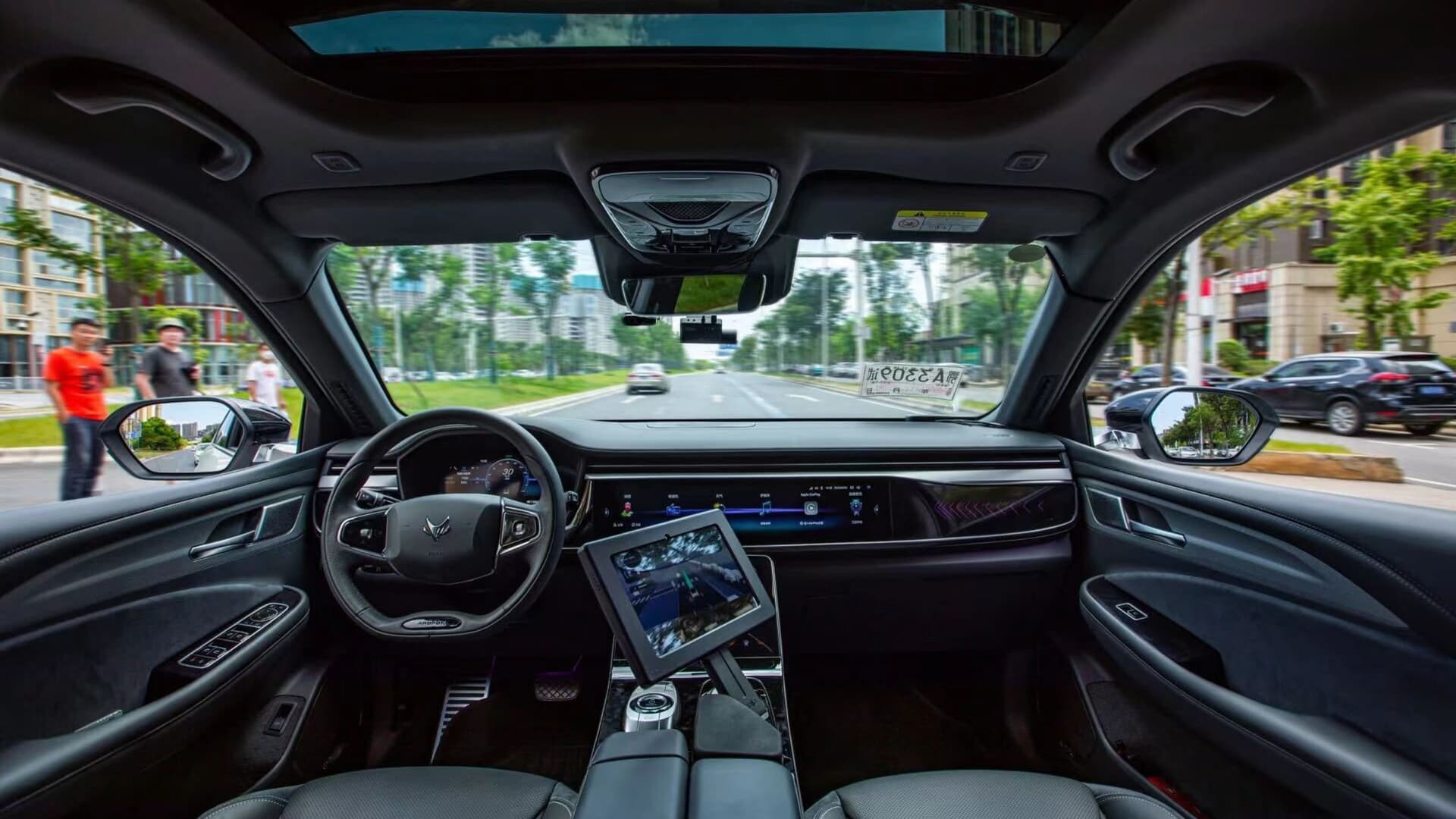
Baidu's Apollo Go Faces System Malfunction Incident

- System Malfunction Incident: In Wuhan, Baidu's Apollo Go robotaxis stalled mid-traffic due to system malfunctions, trapping passengers and causing multiple traffic collisions, highlighting the potential risks of autonomous driving technology in real-world applications.
- Passenger Safety Assurance: Despite the malfunction, local traffic police confirmed that passengers safely exited the vehicles, indicating emergency response capabilities during crises, yet the incident remains under investigation, potentially affecting public trust in driverless technology.
- Competitive Market Pressure: With over 1,000 vehicles deployed in China, Apollo Go faces fierce competition from rivals like WeRide and Pony.AI, which could impact its market share and future investment attractiveness.
- International Expansion Challenges: Although Apollo Go is testing in multiple international cities and partnering with Uber and Lyft, this incident may negatively affect its reputation in overseas markets, particularly for its autonomous services in Abu Dhabi and Dubai.
Americans' Attitude Towards Autonomous Rideshares Improves
- Positive Survey Results: A recent survey by Murphy & Prachthauser found that 70% of Americans feel anxious about riding in autonomous rideshares, yet 64% of those who have experienced self-driving vehicles felt comfortable during their last ride, indicating a growing acceptance of this emerging market.
- Waymo's Market Leadership: Waymo's autonomous vehicles have completed over 20 million rides, boasting a 93% customer satisfaction rate, and its safety record shows a 92% reduction in serious injuries and pedestrian crashes compared to human drivers, making it a safer choice as determined by insurance giant Swiss Re.
- Tesla's Expansion Plans: Tesla is currently offering autonomous rideshare services in Austin and plans to expand into more cities, with VP Lars Moravy stating that Tesla is the only company capable of scaling quickly to meet the surging demand for autonomy, highlighting the massive potential market size.
- Technological Competitive Edge: Tesla's full self-driving technology relies solely on computer vision, which lowers costs but may compromise safety, while Waymo employs LiDAR sensors, showcasing a fundamental difference in their technological approaches that could impact future market shares.

OpenAI Secures $122 Billion in Funding Round

- Record Funding Amount: OpenAI announced it raised $122 billion in its latest funding round, a figure that not only sets a new record in the AI sector but also reflects the market's high recognition and expectations for its technology.
- Microsoft's Support Boosts Confidence: With Microsoft as a key investor, OpenAI gains not only financial backing but also strengthens its leadership position in the AI field, which is expected to accelerate the commercialization of related technologies.
- Broad Market Prospects: This funding will enable OpenAI to increase its R&D investments, driving innovation in areas such as natural language processing and machine learning, which is anticipated to have a profound impact across multiple industries, particularly in automation and data analytics.
- Strategic Partnership Potential: With the influx of capital, OpenAI may seek to establish strategic partnerships with more companies to expand its technology application scenarios, thereby positioning itself more favorably in a highly competitive market.
Investment Opportunity Analysis for Nasdaq-100 Index
- Historical Return Potential: The Nasdaq-100 has achieved an average five-year return of 103% over the past two decades, with historical data suggesting that it could nearly double investors' money in the next five years, making it an attractive option for investors.
- AI-Driven Growth: The Invesco QQQ Trust is heavily invested in AI-related stocks, with top holdings including tech giants like Nvidia and Apple, which are expected to benefit from the rapid development of AI technologies, further enhancing market performance.
- Market Correction Timing: The Nasdaq Composite is currently in a market correction, down over 10% from its all-time high, and historical data indicates that such corrections have led to an average five-year return of 146%, presenting a favorable investment opportunity.
- Concentration Risk Warning: While the Invesco QQQ Trust has a reasonable expense ratio of 0.18%, its top ten holdings account for nearly 50% of its performance, prompting investors to carefully consider the concentration risk and potential price volatility.
Nasdaq-100 Expected to Perform Well in Future
- Historical Returns: The Nasdaq-100 has achieved a 103% average five-year total return over the past two decades, indicating that investors could potentially double their money in the next five years, thus drawing increased investor interest.
- Market Correction Opportunity: The Nasdaq Composite fell into correction territory last month, which historically has been viewed as a good time to invest; after 13 market corrections, the Nasdaq-100's five-year total returns averaged 146%, suggesting a favorable outlook.
- AI-Driven Growth: The Invesco QQQ Trust is heavily invested in AI-related stocks, with over 80% of its assets concentrated in technology and consumer discretionary sectors, which are expected to perform well due to the rise of artificial intelligence, enhancing its investment appeal.
- Reasonable Expense Ratio: The Invesco QQQ Trust has an expense ratio of 0.18%, meaning shareholders pay $18 annually for every $10,000 invested; despite concentration risks, the current buying opportunity remains attractive for long-term investors.
Americans Growing Comfortable with Autonomous Ride-Hailing Services
- Market Acceptance Growth: A survey by Murphy & Prachthauser reveals that 70% of Americans feel at least somewhat apprehensive about autonomous ride-hailing, yet 64% of those who have experienced self-driving rides reported feeling comfortable, indicating a growing acceptance that could positively impact stock prices of related companies.
- Waymo's Leading Position: Waymo has completed over 20 million rides with a customer satisfaction rate of 93%, and its safety record shows a 92% reduction in serious injuries and pedestrian crashes compared to human drivers, solidifying its competitive edge in the autonomous driving market.
- Tesla's Expansion Potential: Tesla is currently offering autonomous ride-hailing services in Austin and plans to expand to more cities, with VP Lars Moravy stating that Tesla is the only company capable of scaling quickly to meet market demands, positioning it favorably for future competition.
- Technology Comparison and Challenges: Tesla's reliance on computer vision, as opposed to Waymo's LiDAR sensors, reduces costs but may compromise safety, a factor that could influence Tesla's long-term competitiveness in the autonomous ride-hailing market.
Baidu's Apollo Go Faces System Malfunction Incident
- System Malfunction Incident: In Wuhan, Baidu's Apollo Go robotaxis stalled mid-traffic due to system malfunctions, trapping passengers and causing multiple traffic collisions, highlighting the potential risks of autonomous driving technology in real-world applications.
- Passenger Safety Assurance: Despite the malfunction, local traffic police confirmed that passengers safely exited the vehicles, indicating emergency response capabilities during crises, yet the incident remains under investigation, potentially affecting public trust in driverless technology.
- Competitive Market Pressure: With over 1,000 vehicles deployed in China, Apollo Go faces fierce competition from rivals like WeRide and Pony.AI, which could impact its market share and future investment attractiveness.
- International Expansion Challenges: Although Apollo Go is testing in multiple international cities and partnering with Uber and Lyft, this incident may negatively affect its reputation in overseas markets, particularly for its autonomous services in Abu Dhabi and Dubai.
Americans' Attitude Towards Autonomous Rideshares Improves
- Positive Survey Results: A recent survey by Murphy & Prachthauser found that 70% of Americans feel anxious about riding in autonomous rideshares, yet 64% of those who have experienced self-driving vehicles felt comfortable during their last ride, indicating a growing acceptance of this emerging market.
- Waymo's Market Leadership: Waymo's autonomous vehicles have completed over 20 million rides, boasting a 93% customer satisfaction rate, and its safety record shows a 92% reduction in serious injuries and pedestrian crashes compared to human drivers, making it a safer choice as determined by insurance giant Swiss Re.
- Tesla's Expansion Plans: Tesla is currently offering autonomous rideshare services in Austin and plans to expand into more cities, with VP Lars Moravy stating that Tesla is the only company capable of scaling quickly to meet the surging demand for autonomy, highlighting the massive potential market size.
- Technological Competitive Edge: Tesla's full self-driving technology relies solely on computer vision, which lowers costs but may compromise safety, while Waymo employs LiDAR sensors, showcasing a fundamental difference in their technological approaches that could impact future market shares.
OpenAI Secures $122 Billion in Funding Round
- Record Funding Amount: OpenAI announced it raised $122 billion in its latest funding round, a figure that not only sets a new record in the AI sector but also reflects the market's high recognition and expectations for its technology.
- Microsoft's Support Boosts Confidence: With Microsoft as a key investor, OpenAI gains not only financial backing but also strengthens its leadership position in the AI field, which is expected to accelerate the commercialization of related technologies.
- Broad Market Prospects: This funding will enable OpenAI to increase its R&D investments, driving innovation in areas such as natural language processing and machine learning, which is anticipated to have a profound impact across multiple industries, particularly in automation and data analytics.
- Strategic Partnership Potential: With the influx of capital, OpenAI may seek to establish strategic partnerships with more companies to expand its technology application scenarios, thereby positioning itself more favorably in a highly competitive market.