Goldman Sachs Sells $20 Billion Apple Card Portfolio to JPMorgan Chase

- Asset Sale: Goldman Sachs has decided to sell its $20 billion Apple Card portfolio, which it has operated since 2019, to JPMorgan Chase, with the transaction expected to close in 24 months, highlighting ongoing challenges in Goldman’s consumer banking efforts.
- Customer Acquisition: JPMorgan Chase will immediately gain access to over 12 million Apple Card customers, who are generally more affluent than the average population, providing a key opportunity for cross-selling the bank's products and services and further solidifying its leading position in consumer banking.
- Financial Impact: Although the $20 billion balance of the Apple Card represents only 1.3% of JPMorgan Chase's total loan portfolio, Goldman Sachs will continue to manage the card for the next two years, and the financial impact on JPMorgan Chase post-transaction is expected to be minimal.
- Market Reaction: JPMorgan Chase's CFO stated that the transaction is economically compelling for the bank, and despite the challenges of integrating the Apple Card into internal systems, there remains an overall optimistic sentiment, indicating confidence in future growth.
Trade with 70% Backtested Accuracy
Analyst Views on GS

About GS
About the author


CD Rates Decline but Remain Competitive

- Current Rate Overview: Short-term CDs (6 to 12 months) currently offer rates between 4% and 4.5% APY, with the highest rate at 4.05% APY from Marcus by Goldman Sachs, indicating that despite the overall decline, CDs remain more attractive than traditional savings accounts.
- Historical Rate Review: Since 2009, average CD rates have significantly decreased, particularly after the 2008 financial crisis when five-year CDs fell below 2% APY, reflecting the economic slowdown's impact on interest rates.
- Economic Policy Impact: Following 11 rate hikes by the Fed between 2022 and 2023, CD rates saw a rebound, and although rates are now declining, they remain high by historical standards, suggesting potential for economic recovery.
- Factors in Choosing CDs: When selecting a CD, it’s essential to consider not only the high APY but also the term length, type of financial institution, and account terms to ensure alignment with personal financial goals and liquidity needs.
Goldman Sachs Bars Hong Kong Bankers from Using Anthropic AI Models
- AI Model Ban: Goldman Sachs has barred its Hong Kong employees from using Anthropic's Claude AI models, reflecting a strict interpretation of its contract with Anthropic aimed at ensuring compliance and mitigating potential risks.
- Access Restrictions Implemented: Reports indicate that Goldman employees have been unable to access the Claude models for several weeks, a move that could hinder the progress of internal automation projects, especially as AI technology becomes increasingly critical.
- Market Environment Consideration: While mainland China imposes strict restrictions on AI model usage, Hong Kong's relatively free market environment makes Goldman's decision particularly significant, potentially impacting its business operations in the region.
- Vendor Relationship Management: This decision does not extend to contracts with other AI vendors like OpenAI, indicating Goldman Sachs' selective and cautious approach to AI technology application, which may affect the pace of its technological innovation.
Goldman Sachs Prohibits Bankers from Utilizing Anthropic's Claude in Hong Kong - FT
Goldman Sachs' Strategy: The bank is focusing on enhancing its operations in Hong Kong, leveraging the expertise of its bankers to navigate the Asian market effectively.
Antropic's Role: Goldman Sachs is utilizing Antropic's AI capabilities to improve its banking services and decision-making processes in the competitive financial landscape.
WHITE HOUSE DISCUSSIONS ON MYTHOS TODAY YIELDED NO COMPREHENSIVE SOLUTION, BUT TALKS CONTINUE - CNBC'S SEEMA MODY ON X

White House Meeting: A recent meeting at the White House focused on addressing myths, but did not lead to an overarching solution.
Ongoing Discussions: Discussions surrounding the topic are still ongoing, indicating that the issue remains unresolved.
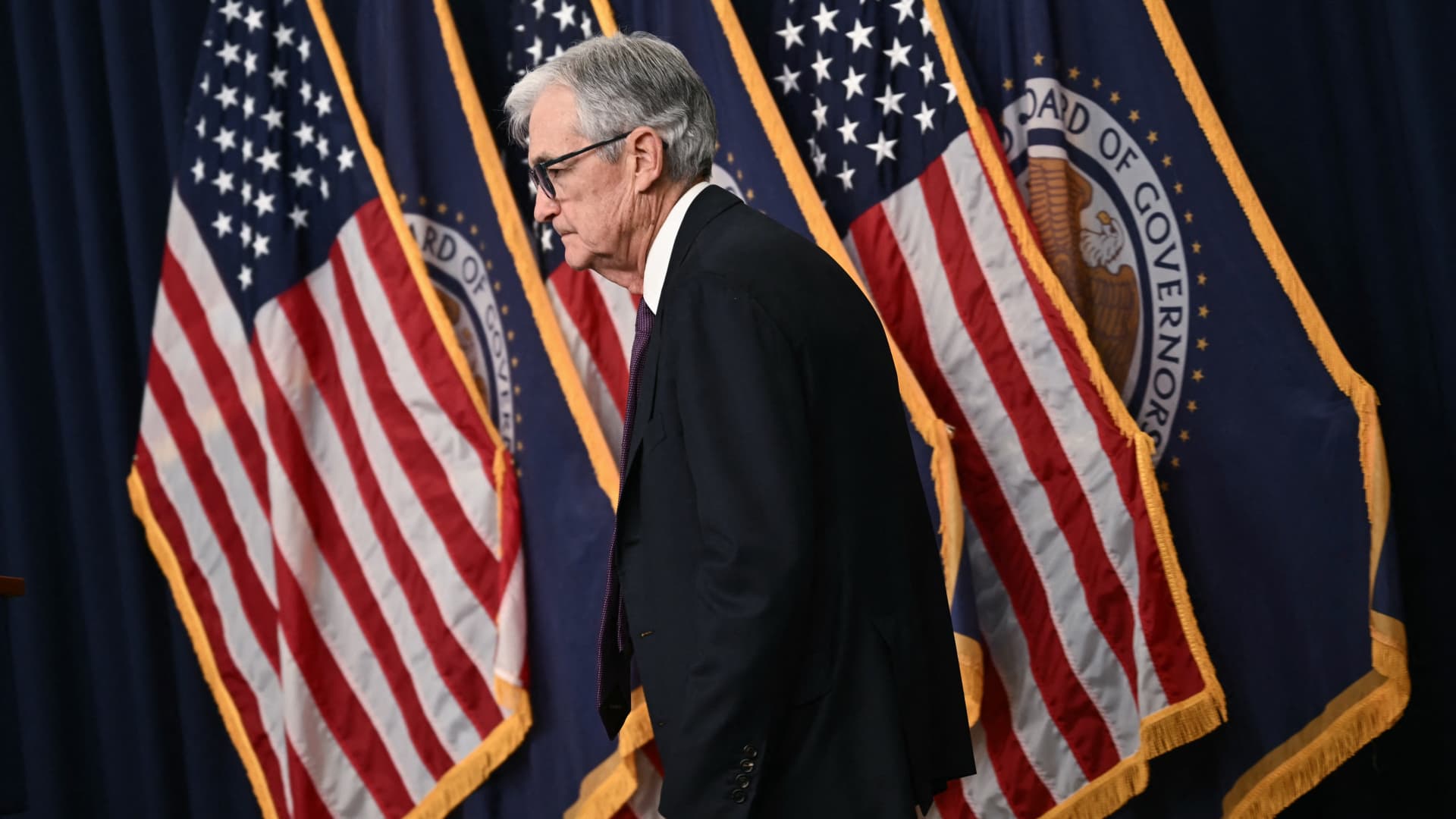
Federal Reserve Meeting: Powell's Potential Final Decision
- Rate Policy Hold: Federal Reserve Chair Jerome Powell is expected to maintain interest rates at the upcoming meeting, despite inflation remaining at 3%, indicating a cautious approach to balancing economic recovery and inflation pressures.
- Energy Price Impact: Current crude oil prices hover around $100 per barrel, with gasoline prices surging to $4.18 per gallon, complicating the Fed's monetary policy decisions, especially amid escalating tensions in the Middle East.
- Successor Set to Take Over: Powell's successor, Kevin Warsh, is anticipated to assume the role in May, which may render Powell's press conference more of a farewell than a guide to future policy, leading to a muted market reaction.
- Investigation Affecting Future: Powell has not indicated whether he will remain for the final two years of his governorship, stating he won't leave until the investigation into the Fed's headquarters renovations is complete, creating uncertainty that could influence market expectations regarding the Fed's future policies.

Surging Oil Prices Signal Major Market Impacts


- Supply Disruption Impact: The closure of the Strait of Hormuz by Iran has severely affected 20% of global oil and LNG supplies, leading to a 57% drop in oil production in the Persian Gulf, approximately 14.5 million barrels per day, with recovery expected to take months, exacerbating market tensions.
- Price Forecast Adjustment: Goldman Sachs predicts Brent crude will reach $100 by year-end, reflecting the risks of oil flows not normalizing, which will significantly boost oil companies' earnings beyond market expectations.
- Cash Flow Growth: ConocoPhillips anticipates generating over $1 billion in additional free cash flow due to rising oil prices, while Occidental Petroleum will see a $265 million increase in annual cash flows for every $1 rise in crude prices, highlighting the positive financial impact of high oil prices on companies.
- Increased Investor Returns: As oil prices remain elevated, oil companies are likely to return more profits to investors through share buybacks, which could drive stock prices higher and attract more investor interest in oil stocks.
CD Rates Decline but Remain Competitive
- Current Rate Overview: Short-term CDs (6 to 12 months) currently offer rates between 4% and 4.5% APY, with the highest rate at 4.05% APY from Marcus by Goldman Sachs, indicating that despite the overall decline, CDs remain more attractive than traditional savings accounts.
- Historical Rate Review: Since 2009, average CD rates have significantly decreased, particularly after the 2008 financial crisis when five-year CDs fell below 2% APY, reflecting the economic slowdown's impact on interest rates.
- Economic Policy Impact: Following 11 rate hikes by the Fed between 2022 and 2023, CD rates saw a rebound, and although rates are now declining, they remain high by historical standards, suggesting potential for economic recovery.
- Factors in Choosing CDs: When selecting a CD, it’s essential to consider not only the high APY but also the term length, type of financial institution, and account terms to ensure alignment with personal financial goals and liquidity needs.
Goldman Sachs Bars Hong Kong Bankers from Using Anthropic AI Models
- AI Model Ban: Goldman Sachs has barred its Hong Kong employees from using Anthropic's Claude AI models, reflecting a strict interpretation of its contract with Anthropic aimed at ensuring compliance and mitigating potential risks.
- Access Restrictions Implemented: Reports indicate that Goldman employees have been unable to access the Claude models for several weeks, a move that could hinder the progress of internal automation projects, especially as AI technology becomes increasingly critical.
- Market Environment Consideration: While mainland China imposes strict restrictions on AI model usage, Hong Kong's relatively free market environment makes Goldman's decision particularly significant, potentially impacting its business operations in the region.
- Vendor Relationship Management: This decision does not extend to contracts with other AI vendors like OpenAI, indicating Goldman Sachs' selective and cautious approach to AI technology application, which may affect the pace of its technological innovation.
Goldman Sachs Prohibits Bankers from Utilizing Anthropic's Claude in Hong Kong - FT
Goldman Sachs' Strategy: The bank is focusing on enhancing its operations in Hong Kong, leveraging the expertise of its bankers to navigate the Asian market effectively.
Antropic's Role: Goldman Sachs is utilizing Antropic's AI capabilities to improve its banking services and decision-making processes in the competitive financial landscape.
WHITE HOUSE DISCUSSIONS ON MYTHOS TODAY YIELDED NO COMPREHENSIVE SOLUTION, BUT TALKS CONTINUE - CNBC'S SEEMA MODY ON X
White House Meeting: A recent meeting at the White House focused on addressing myths, but did not lead to an overarching solution.
Ongoing Discussions: Discussions surrounding the topic are still ongoing, indicating that the issue remains unresolved.
Federal Reserve Meeting: Powell's Potential Final Decision
- Rate Policy Hold: Federal Reserve Chair Jerome Powell is expected to maintain interest rates at the upcoming meeting, despite inflation remaining at 3%, indicating a cautious approach to balancing economic recovery and inflation pressures.
- Energy Price Impact: Current crude oil prices hover around $100 per barrel, with gasoline prices surging to $4.18 per gallon, complicating the Fed's monetary policy decisions, especially amid escalating tensions in the Middle East.
- Successor Set to Take Over: Powell's successor, Kevin Warsh, is anticipated to assume the role in May, which may render Powell's press conference more of a farewell than a guide to future policy, leading to a muted market reaction.
- Investigation Affecting Future: Powell has not indicated whether he will remain for the final two years of his governorship, stating he won't leave until the investigation into the Fed's headquarters renovations is complete, creating uncertainty that could influence market expectations regarding the Fed's future policies.
Surging Oil Prices Signal Major Market Impacts
- Supply Disruption Impact: The closure of the Strait of Hormuz by Iran has severely affected 20% of global oil and LNG supplies, leading to a 57% drop in oil production in the Persian Gulf, approximately 14.5 million barrels per day, with recovery expected to take months, exacerbating market tensions.
- Price Forecast Adjustment: Goldman Sachs predicts Brent crude will reach $100 by year-end, reflecting the risks of oil flows not normalizing, which will significantly boost oil companies' earnings beyond market expectations.
- Cash Flow Growth: ConocoPhillips anticipates generating over $1 billion in additional free cash flow due to rising oil prices, while Occidental Petroleum will see a $265 million increase in annual cash flows for every $1 rise in crude prices, highlighting the positive financial impact of high oil prices on companies.
- Increased Investor Returns: As oil prices remain elevated, oil companies are likely to return more profits to investors through share buybacks, which could drive stock prices higher and attract more investor interest in oil stocks.