Goldman Sachs: Fed Independence Concerns Could Drive Gold Prices to $5,000
Written by Emily J. Thompson, Senior Investment Analyst
Updated: Sep 04 2025
0mins


Should l Buy GS?
Source: MarketWatch
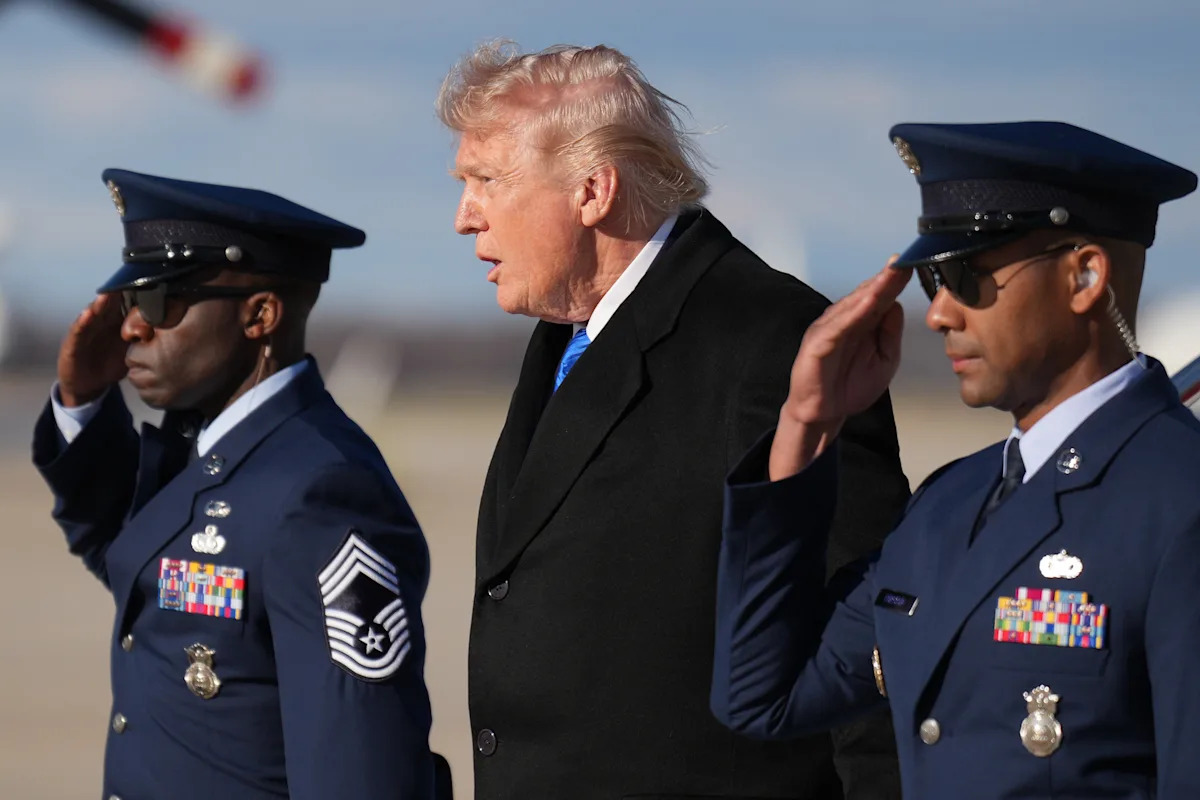
Upcoming Senate Hearing: Stephen Miran, nominated by President Trump for a Federal Reserve governor position, is set to attend a Senate nomination hearing on Thursday.
Judicial Decision Expected: A ruling may be issued by Friday regarding the status of Fed governor Lisa Cook, who Trump attempted to dismiss through a social media post.
Trade with 70% Backtested Accuracy
Stop guessing "Should I Buy GS?" and start using high-conviction signals backed by rigorous historical data.
Sign up today to access powerful investing tools and make smarter, data-driven decisions.
Analyst Views on GS
Wall Street analysts forecast GS stock price to rise
12 Analyst Rating
5 Buy
7 Hold
0 Sell
Moderate Buy
Current: 835.720

Low
604.00
Averages
951.45
High
1100
Current: 835.720
Low
604.00
Averages
951.45
High
1100
About GS
The Goldman Sachs Group, Inc. is a global financial institution that delivers a range of financial services to a large and diversified client base that includes corporations, financial institutions, governments and individuals. Its segments include Global Banking & Markets, Asset & Wealth Management and Platform Solutions. The Global Banking & Markets segment offers a range of services, including financing, advisory services, risk distribution, and hedging for its institutional and corporate clients. It facilitates client transactions and makes markets in fixed income, equity, currency and commodity products. The Asset & Wealth Management segment manages assets and offers investment products across all asset classes to a diverse set of clients. It also provides investing and wealth advisory solutions. The Platform Solutions segment includes consumer platforms, such as partnerships offering credit cards and point-of-sale financing, and transaction banking and other platform businesses.
About the author

Emily J. Thompson
Emily J. Thompson, a Chartered Financial Analyst (CFA) with 12 years in investment research, graduated with honors from the Wharton School. Specializing in industrial and technology stocks, she provides in-depth analysis for Intellectia’s earnings and market brief reports.

Braze Stock Shows Significant Upside Potential, Analysts Bullish


- Stock Surge: Braze's shares jumped 19% on Wednesday following the release of its fourth-quarter results, with revenue of $205.2 million exceeding FactSet's consensus of $198.2 million, reflecting strong market performance and investor confidence.
- Future Revenue Outlook: The company expects revenue to range between $884 million and $889 million through January 2027, significantly higher than the $858.2 million anticipated by analysts, indicating robust growth potential and competitive advantage in the market.
- Analyst Ratings: Goldman Sachs lowered its price target for Braze to $40, yet this still implies a 122% upside from Tuesday's close, demonstrating ongoing analyst optimism regarding the stock's future performance.
- Competitive Edge: Analyst Gabriela Borges emphasized that Braze can continue to gain market share due to the ROI from product investments and challenges faced by legacy providers, further solidifying its leadership position in the industry.
See More

Latest Rating Changes on Wall Street


- Tesla Neutral Rating: Goldman Sachs maintains a neutral stance on Tesla, expressing caution regarding its semiconductor ventures, noting a mixed track record in semiconductor engineering, while suggesting potential applications for inference chips in data centers and distributed computing remain to be seen.
- Upgrade Based on Iran War: Wells Fargo upgrades Kinetik, ONEOK, and Enterprise Products Partners from equal weight to overweight, anticipating that the Iran war will create a structural shift in global energy markets, boosting demand for U.S. energy, particularly in Permian gas and NGL supply.
- ESCO Technologies Buy Initiation: Deutsche Bank initiates coverage on ESCO Technologies with a Buy rating and a $350 target price, highlighting its potential for “defensive growth at a discount” in the aerospace and defense sectors, indicating strong confidence in the company's future.
- Arm Rating Upgrade: Wolfe upgrades Arm from market perform to outperform, citing the company's recent in-house chip launch and significantly increased earnings forecasts for FY28 and FY31, setting a target price of $166, reflecting optimism about its new business model.
See More

Federal Reserve Faces Rising Recession Risks

- Rising Recession Expectations: Moody's Analytics has raised its recession probability for the next 12 months to 48.6%, significantly above the normal expectation of around 20%, indicating heightened uncertainty in economic outlook due to escalating geopolitical risks.
- Impact of Rising Oil Prices: Oil prices have surged by $1.02, or 35%, over the past month, which could accelerate the onset of a recession, particularly as consumer spending and the labor market face increasing pressures, further exacerbating the risk of economic slowdown.
- Weak Labor Market: The U.S. economy created only 116,000 jobs in 2025, with the unemployment rate steady at 4.4%, primarily due to a lack of hiring rather than layoffs, highlighting vulnerabilities in the labor market that could negatively impact consumer spending.
- Declining Consumer Confidence: A survey by NerdWallet revealed that 65% of respondents expect a recession within the next 12 months, up 6 percentage points from the previous month, reflecting a growing pessimism among consumers regarding the economic outlook.
See More

Bitcoin's Rise as a Safe Haven Asset Amid Geopolitical Tensions

- Safe Haven Performance: Amid escalating geopolitical tensions in the Middle East, Bitcoin's price has risen 5% since March 1, recovering from approximately $65,000 to $69,000, demonstrating its potential as a store-of-value asset, particularly with oil prices hovering around $100.
- Historical Performance Analysis: According to a report by BlackRock, Bitcoin outperformed gold in four out of six major geopolitical crises from 2020 to 2025 within the first 10 days, and in all cases after 60 days, indicating its resilience during crises.
- Market Reaction: Bitcoin's current performance aligns with historical trends, as seen after the U.S.-Iran tensions in 2020, where Bitcoin surged 26% in 60 days while gold only increased by 7%, providing investors confidence that Bitcoin may again outperform gold.
- Portfolio Diversification: While gold remains the traditional safe asset, Bitcoin's digital nature, tradability, and 24/7 liquidity are increasingly appealing to hedge fund managers, especially as oil prices could soar to $150, suggesting investors should consider including it in their portfolios.
See More

Bitcoin Bounces Back Amid Middle East Crisis
- Price Fluctuation Analysis: Bitcoin dropped over 45% from October 2025 to March 2026, falling from a high of $126,000 to $65,000, indicating its volatility in traditional cycles; however, it has recently rebounded to around $69,000 due to escalating tensions in the Middle East, gaining 5%.
- Safe-Haven Asset Performance: Historically, Bitcoin has outperformed gold during geopolitical crises, notably rising 26% in the 60 days following the U.S.-Iran conflict in 2020, while gold only increased by 7%, reinforcing its status as a potential safe asset.
- Oil Price Impact: With oil prices hovering around $100 per barrel and potentially soaring to $150, Bitcoin's value has remained stable, demonstrating its ability as a store-of-value asset amid increasing global economic uncertainty.
- Investor Confidence: Although Bitcoin may not be the top choice for investors, its digital nature, tradability, and 24/7 accessibility provide unique advantages as a safe asset, attracting hedge fund managers' interest, especially with the prospect of rising oil prices.
See More

South Korea Enhances Economic Emergency Planning Amid Middle East Conflict

- Emergency Economic Task Force: South Korean Prime Minister Kim Min-seok announced the establishment of an emergency economic task force to coordinate cross-ministerial responses to the economic impacts of the Middle East conflict, with meetings scheduled twice weekly to ensure effective monitoring of energy, macroeconomics, and financial markets.
- Energy Dependency Risks: With approximately 70% of crude oil and 20% of liquefied natural gas imported from the Middle East, prolonged disruptions in energy flows pose significant risks to the economy, prompting the government to implement several emergency measures to mitigate potential economic crises.
- Fuel Price Cap Implementation: In response to soaring energy prices, the South Korean government has imposed a fuel price cap for the first time in nearly three decades, which is expected to lower retail fuel prices by about 8% on an annual average basis, alleviating economic burdens on households and businesses.
- Energy Structure Adjustment: The government aims to increase nuclear power utilization to over 80% and lift the maximum operational limit on coal to address the ongoing energy crisis, with experts urging further diversification of energy sources to enhance resilience against future shocks.
See More
Braze Stock Shows Significant Upside Potential, Analysts Bullish
- Stock Surge: Braze's shares jumped 19% on Wednesday following the release of its fourth-quarter results, with revenue of $205.2 million exceeding FactSet's consensus of $198.2 million, reflecting strong market performance and investor confidence.
- Future Revenue Outlook: The company expects revenue to range between $884 million and $889 million through January 2027, significantly higher than the $858.2 million anticipated by analysts, indicating robust growth potential and competitive advantage in the market.
- Analyst Ratings: Goldman Sachs lowered its price target for Braze to $40, yet this still implies a 122% upside from Tuesday's close, demonstrating ongoing analyst optimism regarding the stock's future performance.
- Competitive Edge: Analyst Gabriela Borges emphasized that Braze can continue to gain market share due to the ROI from product investments and challenges faced by legacy providers, further solidifying its leadership position in the industry.
See More
Latest Rating Changes on Wall Street
- Tesla Neutral Rating: Goldman Sachs maintains a neutral stance on Tesla, expressing caution regarding its semiconductor ventures, noting a mixed track record in semiconductor engineering, while suggesting potential applications for inference chips in data centers and distributed computing remain to be seen.
- Upgrade Based on Iran War: Wells Fargo upgrades Kinetik, ONEOK, and Enterprise Products Partners from equal weight to overweight, anticipating that the Iran war will create a structural shift in global energy markets, boosting demand for U.S. energy, particularly in Permian gas and NGL supply.
- ESCO Technologies Buy Initiation: Deutsche Bank initiates coverage on ESCO Technologies with a Buy rating and a $350 target price, highlighting its potential for “defensive growth at a discount” in the aerospace and defense sectors, indicating strong confidence in the company's future.
- Arm Rating Upgrade: Wolfe upgrades Arm from market perform to outperform, citing the company's recent in-house chip launch and significantly increased earnings forecasts for FY28 and FY31, setting a target price of $166, reflecting optimism about its new business model.
See More
Federal Reserve Faces Rising Recession Risks
- Rising Recession Expectations: Moody's Analytics has raised its recession probability for the next 12 months to 48.6%, significantly above the normal expectation of around 20%, indicating heightened uncertainty in economic outlook due to escalating geopolitical risks.
- Impact of Rising Oil Prices: Oil prices have surged by $1.02, or 35%, over the past month, which could accelerate the onset of a recession, particularly as consumer spending and the labor market face increasing pressures, further exacerbating the risk of economic slowdown.
- Weak Labor Market: The U.S. economy created only 116,000 jobs in 2025, with the unemployment rate steady at 4.4%, primarily due to a lack of hiring rather than layoffs, highlighting vulnerabilities in the labor market that could negatively impact consumer spending.
- Declining Consumer Confidence: A survey by NerdWallet revealed that 65% of respondents expect a recession within the next 12 months, up 6 percentage points from the previous month, reflecting a growing pessimism among consumers regarding the economic outlook.
See More
Bitcoin's Rise as a Safe Haven Asset Amid Geopolitical Tensions
- Safe Haven Performance: Amid escalating geopolitical tensions in the Middle East, Bitcoin's price has risen 5% since March 1, recovering from approximately $65,000 to $69,000, demonstrating its potential as a store-of-value asset, particularly with oil prices hovering around $100.
- Historical Performance Analysis: According to a report by BlackRock, Bitcoin outperformed gold in four out of six major geopolitical crises from 2020 to 2025 within the first 10 days, and in all cases after 60 days, indicating its resilience during crises.
- Market Reaction: Bitcoin's current performance aligns with historical trends, as seen after the U.S.-Iran tensions in 2020, where Bitcoin surged 26% in 60 days while gold only increased by 7%, providing investors confidence that Bitcoin may again outperform gold.
- Portfolio Diversification: While gold remains the traditional safe asset, Bitcoin's digital nature, tradability, and 24/7 liquidity are increasingly appealing to hedge fund managers, especially as oil prices could soar to $150, suggesting investors should consider including it in their portfolios.
See More
Bitcoin Bounces Back Amid Middle East Crisis
- Price Fluctuation Analysis: Bitcoin dropped over 45% from October 2025 to March 2026, falling from a high of $126,000 to $65,000, indicating its volatility in traditional cycles; however, it has recently rebounded to around $69,000 due to escalating tensions in the Middle East, gaining 5%.
- Safe-Haven Asset Performance: Historically, Bitcoin has outperformed gold during geopolitical crises, notably rising 26% in the 60 days following the U.S.-Iran conflict in 2020, while gold only increased by 7%, reinforcing its status as a potential safe asset.
- Oil Price Impact: With oil prices hovering around $100 per barrel and potentially soaring to $150, Bitcoin's value has remained stable, demonstrating its ability as a store-of-value asset amid increasing global economic uncertainty.
- Investor Confidence: Although Bitcoin may not be the top choice for investors, its digital nature, tradability, and 24/7 accessibility provide unique advantages as a safe asset, attracting hedge fund managers' interest, especially with the prospect of rising oil prices.
See More
South Korea Enhances Economic Emergency Planning Amid Middle East Conflict
- Emergency Economic Task Force: South Korean Prime Minister Kim Min-seok announced the establishment of an emergency economic task force to coordinate cross-ministerial responses to the economic impacts of the Middle East conflict, with meetings scheduled twice weekly to ensure effective monitoring of energy, macroeconomics, and financial markets.
- Energy Dependency Risks: With approximately 70% of crude oil and 20% of liquefied natural gas imported from the Middle East, prolonged disruptions in energy flows pose significant risks to the economy, prompting the government to implement several emergency measures to mitigate potential economic crises.
- Fuel Price Cap Implementation: In response to soaring energy prices, the South Korean government has imposed a fuel price cap for the first time in nearly three decades, which is expected to lower retail fuel prices by about 8% on an annual average basis, alleviating economic burdens on households and businesses.
- Energy Structure Adjustment: The government aims to increase nuclear power utilization to over 80% and lift the maximum operational limit on coal to address the ongoing energy crisis, with experts urging further diversification of energy sources to enhance resilience against future shocks.
See More