Global Stock Markets Decline Amid Geopolitical Risks
Written by Emily J. Thompson, Senior Investment Analyst
Updated: 1 hour ago
0mins
Should l Buy MKC?
Source: seekingalpha
- Geopolitical Risk Impact: Global stock indexes fell this week due to heightened geopolitical risks in the Middle East, with the S&P 500 and Nasdaq dropping 3.1% and 3.4%, respectively, while the Dow Jones fell 3.3%, indicating investor anxiety about market stability.
- Central Bank Policy Stability: The Federal Reserve held interest rates steady at 3.50%-3.75% for the third consecutive meeting, aligning with market expectations, while the European Central Bank also maintained its key rates, reaffirming its commitment to a 2% inflation target, reflecting global economic uncertainty.
- European Market Decline: European equities fell 3.8% this week, marking the third consecutive week of declines, particularly with Germany and France's markets dropping 4.5% and 3%, respectively, showcasing investor concerns about economic prospects.
- Corporate Developments: UniCredit's bid to increase its stake in Commerzbank above 30% at approximately €30.80 per share was rejected, indicating market caution regarding M&A transactions, while Unilever is in discussions with McCormick regarding an inbound offer for its food business, reflecting strategic adjustments in uncertain environments.
Trade with 70% Backtested Accuracy
Stop guessing "Should I Buy MKC?" and start using high-conviction signals backed by rigorous historical data.
Sign up today to access powerful investing tools and make smarter, data-driven decisions.
Analyst Views on MKC
Wall Street analysts forecast MKC stock price to rise
3 Analyst Rating
3 Buy
0 Hold
0 Sell
Strong Buy
Current: 54.050

Low
75.00
Averages
83.67
High
89.00
Current: 54.050
Low
75.00
Averages
83.67
High
89.00
About MKC
McCormick & Company, Incorporated manufactures, markets, and distributes herbs, spices, seasonings, condiments and flavors to the entire food and beverage industry, including retailers, food manufacturers and foodservice businesses. It operates through two segments: consumer and flavor solutions. The consumer segment sells to retail channels, including grocery, mass merchandise, warehouse clubs, discount and drug stores, and e-commerce under the McCormick brand and a variety of brands around the world, including French's, Frank's RedHot, Lawry’s, Zatarain’s, Simply Asia, Thai Kitchen, Ducros, Vahine, Cholula, Schwartz, Club House, Kamis, DaQiao, La Drogheria, Stubb's, OLD BAY, Gourmet Garden, and others. In its flavor solutions segment, it provides a range of products to multinational food manufacturers and foodservice customers. The foodservice customers are supplied with branded, packaged products both directly by the Company and indirectly through distributors.
About the author

Emily J. Thompson
Emily J. Thompson, a Chartered Financial Analyst (CFA) with 12 years in investment research, graduated with honors from the Wharton School. Specializing in industrial and technology stocks, she provides in-depth analysis for Intellectia’s earnings and market brief reports.

McCormick Engages in Strategic Talks with Unilever
- Strategic Transaction Talks: McCormick has confirmed that it is in discussions with Unilever regarding a potential strategic transaction involving Unilever's Foods business, indicating the company's proactive approach to enhancing its market position through potential acquisitions.
- Maximizing Shareholder Value: McCormick regularly evaluates its portfolio and strategic options to maximize shareholder value, demonstrating the company's commitment to sustainable growth and profitability, particularly in a highly competitive food industry.
- Global Market Leadership: As a global leader in flavor, McCormick generates approximately $7 billion in annual sales across 150 countries and territories, highlighting its extensive influence and brand recognition in the global market.
- Brand Diversity: McCormick boasts a diverse portfolio of well-known brands, including McCormick and French's, which allows it to meet the varied consumer demands for flavor, thereby maintaining a competitive edge in the market.
See More

Global Stock Markets Decline Amid Geopolitical Risks
- Geopolitical Risk Impact: Global stock indexes fell this week due to heightened geopolitical risks in the Middle East, with the S&P 500 and Nasdaq dropping 3.1% and 3.4%, respectively, while the Dow Jones fell 3.3%, indicating investor anxiety about market stability.
- Central Bank Policy Stability: The Federal Reserve held interest rates steady at 3.50%-3.75% for the third consecutive meeting, aligning with market expectations, while the European Central Bank also maintained its key rates, reaffirming its commitment to a 2% inflation target, reflecting global economic uncertainty.
- European Market Decline: European equities fell 3.8% this week, marking the third consecutive week of declines, particularly with Germany and France's markets dropping 4.5% and 3%, respectively, showcasing investor concerns about economic prospects.
- Corporate Developments: UniCredit's bid to increase its stake in Commerzbank above 30% at approximately €30.80 per share was rejected, indicating market caution regarding M&A transactions, while Unilever is in discussions with McCormick regarding an inbound offer for its food business, reflecting strategic adjustments in uncertain environments.
See More
S&P 500 Posts Fourth Straight Weekly Loss Amid U.S.-Iran Conflict

- Oversold Stock Analysis: The S&P 500 has posted its fourth consecutive weekly loss amid the ongoing U.S.-Iran conflict, pushing several stocks into oversold territory with a relative strength index (RSI) below 30, notably McCormick, which fell over 7% this week and has an RSI of 21.3, indicating weakened investor confidence.
- Potential Merger for McCormick: Despite McCormick's stock decline, it showed relative strength on Friday following news that Unilever is considering merging its food business with McCormick, with analysts noting the potential for significant EPS growth from the deal, though execution risks and Unilever's majority ownership could dampen initial investor enthusiasm.
- Energy Stocks Overbought: Conversely, energy companies dominate the overbought list, with APA reaching an RSI of 81.7 and rising approximately 14% for the week, suggesting that energy stocks may continue to gain alongside rising oil prices due to the U.S.-Iran conflict, although the overbought signal may prompt investors to consider trimming positions.
- Market Sentiment and Consumer Staples: The ongoing conflict has led to tightened consumer spending, resulting in oversold conditions for consumer staples like General Mills and Conagra Brands, reflecting a lack of confidence in these stocks that could impact future sales and earnings expectations.
See More

Consumer Stocks Decline Late Friday Afternoon

- Weak Consumer Stock Performance: Consumer stocks broadly declined on Friday afternoon, reflecting market concerns over economic outlook, particularly amid rising inflation and interest rates, which negatively impacted investor sentiment.
- Market Reaction: The poor performance of the State Street Consumer Staples Select Sector SPDR indicates a weakening confidence in the consumer goods sector as investors grapple with uncertainties regarding future consumer spending.
- Industry Impact: The decline in the consumer goods sector may affect earnings expectations for related companies, especially as economic slowdowns could lead to increased sales pressure for businesses.
- Investor Strategy Adjustment: In light of the weak performance of consumer stocks, investors may reassess their portfolios and shift towards more defensive assets to mitigate potential market volatility.
See More

McCormick Targets Unilever's Food Division in $37 Billion Deal

- Acquisition Talks: McCormick is in negotiations to acquire Unilever's food division, potentially valued at $37 billion, marking the final step in Unilever's decade-long transformation aimed at focusing on high-margin beauty and personal care sectors.
- Strategic Restructuring: By divesting its food segment, Unilever is exiting slower-growth categories like mayonnaise and Pot Noodle, thereby enhancing its valuation multiples for investors and demonstrating confidence in a 'pure-play' beauty portfolio.
- Market Leadership: This acquisition will enable McCormick to rapidly become a global leader in the seasoning market by pairing its market-leading spices with some of the world's most recognizable condiment brands, thereby strengthening its competitive position in the 'center of the aisle'.
- Financial Impact: Analysts suggest the divested food unit carries an enterprise value of approximately 9.5 times EBITDA, providing Unilever with a substantial cash influx to fuel further acquisitions in the premium skincare and wellness sectors.
See More
U.S. Stock Futures Down as Dell Gains from Super Micro Fallout

- Market Volatility Intensifies: U.S. stock futures are down this morning as oil prices rebound, with the S&P 500 and Dow down 0.4% and 1.2%, respectively, and the Nasdaq Composite off by 0.1%, indicating a potential fourth consecutive week of losses, while the quadruple witching event could add volatility to the market.
- Dell's Significant Gains: Dell's stock rose approximately 4% as a result of the fallout from the Super Micro Computer investigation, where employees were charged with smuggling Nvidia chips to China, leading to a more than 26% drop in Super Micro's shares, highlighting Dell's competitive advantage in the market.
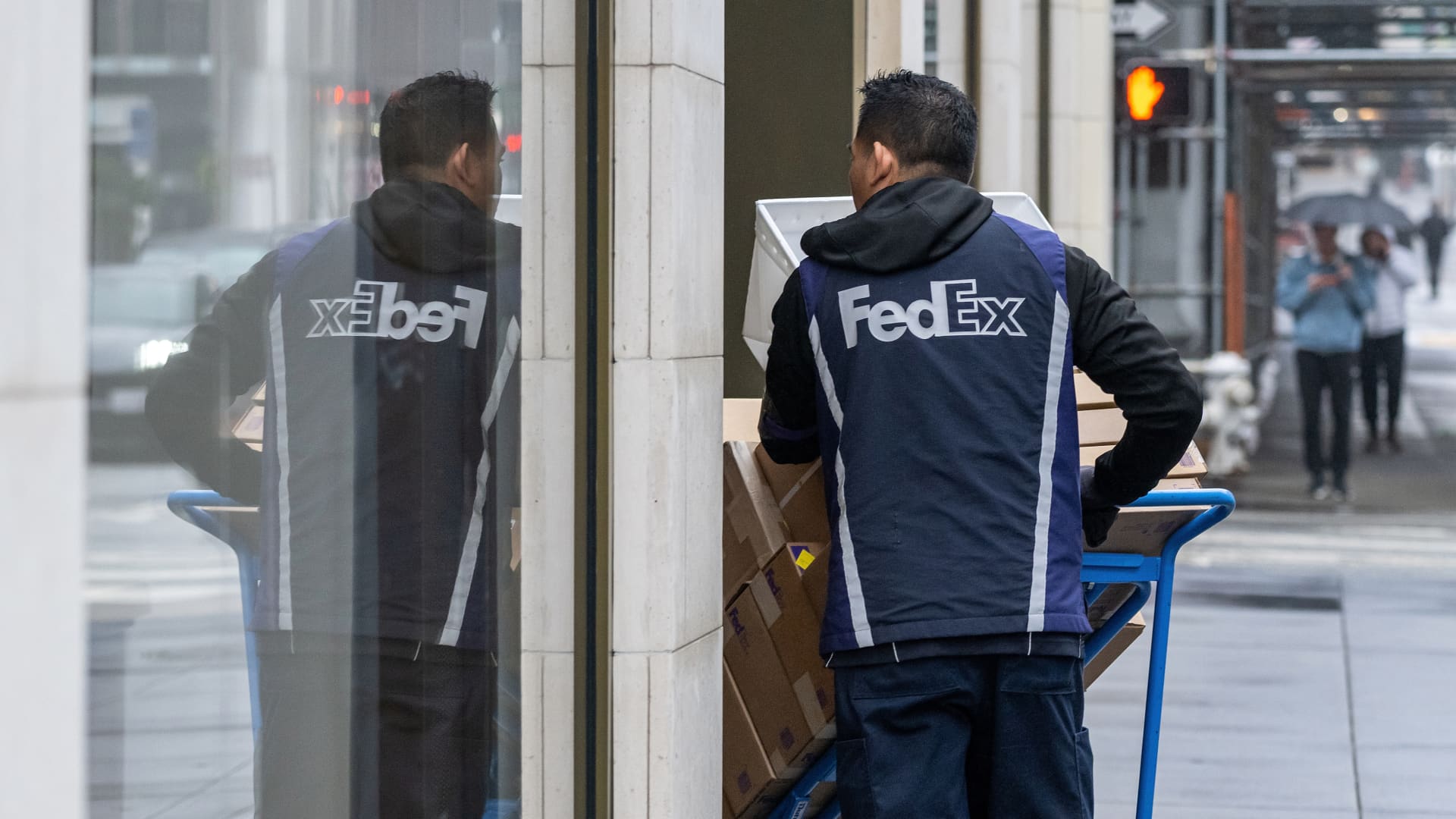
- FedEx's Enhanced Earnings Power: FedEx's restructuring is showing significant results, with shares jumping 9% despite the overall market decline, reflecting strong performance in its pharmaceutical and data center businesses, superb supply chain management, and an on-time freight spinoff.
- Alibaba's Price Target Cut: Mizuho lowered Alibaba's price target from $195 to $190 while maintaining a buy rating, citing soft demand and investments in AI, as Alibaba launches its own version of the OpenClaw AI platform, demonstrating its commitment to technological innovation.
See More
McCormick Engages in Strategic Talks with Unilever
- Strategic Transaction Talks: McCormick has confirmed that it is in discussions with Unilever regarding a potential strategic transaction involving Unilever's Foods business, indicating the company's proactive approach to enhancing its market position through potential acquisitions.
- Maximizing Shareholder Value: McCormick regularly evaluates its portfolio and strategic options to maximize shareholder value, demonstrating the company's commitment to sustainable growth and profitability, particularly in a highly competitive food industry.
- Global Market Leadership: As a global leader in flavor, McCormick generates approximately $7 billion in annual sales across 150 countries and territories, highlighting its extensive influence and brand recognition in the global market.
- Brand Diversity: McCormick boasts a diverse portfolio of well-known brands, including McCormick and French's, which allows it to meet the varied consumer demands for flavor, thereby maintaining a competitive edge in the market.
See More
Global Stock Markets Decline Amid Geopolitical Risks
- Geopolitical Risk Impact: Global stock indexes fell this week due to heightened geopolitical risks in the Middle East, with the S&P 500 and Nasdaq dropping 3.1% and 3.4%, respectively, while the Dow Jones fell 3.3%, indicating investor anxiety about market stability.
- Central Bank Policy Stability: The Federal Reserve held interest rates steady at 3.50%-3.75% for the third consecutive meeting, aligning with market expectations, while the European Central Bank also maintained its key rates, reaffirming its commitment to a 2% inflation target, reflecting global economic uncertainty.
- European Market Decline: European equities fell 3.8% this week, marking the third consecutive week of declines, particularly with Germany and France's markets dropping 4.5% and 3%, respectively, showcasing investor concerns about economic prospects.
- Corporate Developments: UniCredit's bid to increase its stake in Commerzbank above 30% at approximately €30.80 per share was rejected, indicating market caution regarding M&A transactions, while Unilever is in discussions with McCormick regarding an inbound offer for its food business, reflecting strategic adjustments in uncertain environments.
See More
S&P 500 Posts Fourth Straight Weekly Loss Amid U.S.-Iran Conflict
- Oversold Stock Analysis: The S&P 500 has posted its fourth consecutive weekly loss amid the ongoing U.S.-Iran conflict, pushing several stocks into oversold territory with a relative strength index (RSI) below 30, notably McCormick, which fell over 7% this week and has an RSI of 21.3, indicating weakened investor confidence.
- Potential Merger for McCormick: Despite McCormick's stock decline, it showed relative strength on Friday following news that Unilever is considering merging its food business with McCormick, with analysts noting the potential for significant EPS growth from the deal, though execution risks and Unilever's majority ownership could dampen initial investor enthusiasm.
- Energy Stocks Overbought: Conversely, energy companies dominate the overbought list, with APA reaching an RSI of 81.7 and rising approximately 14% for the week, suggesting that energy stocks may continue to gain alongside rising oil prices due to the U.S.-Iran conflict, although the overbought signal may prompt investors to consider trimming positions.
- Market Sentiment and Consumer Staples: The ongoing conflict has led to tightened consumer spending, resulting in oversold conditions for consumer staples like General Mills and Conagra Brands, reflecting a lack of confidence in these stocks that could impact future sales and earnings expectations.
See More
Consumer Stocks Decline Late Friday Afternoon
- Weak Consumer Stock Performance: Consumer stocks broadly declined on Friday afternoon, reflecting market concerns over economic outlook, particularly amid rising inflation and interest rates, which negatively impacted investor sentiment.
- Market Reaction: The poor performance of the State Street Consumer Staples Select Sector SPDR indicates a weakening confidence in the consumer goods sector as investors grapple with uncertainties regarding future consumer spending.
- Industry Impact: The decline in the consumer goods sector may affect earnings expectations for related companies, especially as economic slowdowns could lead to increased sales pressure for businesses.
- Investor Strategy Adjustment: In light of the weak performance of consumer stocks, investors may reassess their portfolios and shift towards more defensive assets to mitigate potential market volatility.
See More
McCormick Targets Unilever's Food Division in $37 Billion Deal
- Acquisition Talks: McCormick is in negotiations to acquire Unilever's food division, potentially valued at $37 billion, marking the final step in Unilever's decade-long transformation aimed at focusing on high-margin beauty and personal care sectors.
- Strategic Restructuring: By divesting its food segment, Unilever is exiting slower-growth categories like mayonnaise and Pot Noodle, thereby enhancing its valuation multiples for investors and demonstrating confidence in a 'pure-play' beauty portfolio.
- Market Leadership: This acquisition will enable McCormick to rapidly become a global leader in the seasoning market by pairing its market-leading spices with some of the world's most recognizable condiment brands, thereby strengthening its competitive position in the 'center of the aisle'.
- Financial Impact: Analysts suggest the divested food unit carries an enterprise value of approximately 9.5 times EBITDA, providing Unilever with a substantial cash influx to fuel further acquisitions in the premium skincare and wellness sectors.
See More
U.S. Stock Futures Down as Dell Gains from Super Micro Fallout
- Market Volatility Intensifies: U.S. stock futures are down this morning as oil prices rebound, with the S&P 500 and Dow down 0.4% and 1.2%, respectively, and the Nasdaq Composite off by 0.1%, indicating a potential fourth consecutive week of losses, while the quadruple witching event could add volatility to the market.
- Dell's Significant Gains: Dell's stock rose approximately 4% as a result of the fallout from the Super Micro Computer investigation, where employees were charged with smuggling Nvidia chips to China, leading to a more than 26% drop in Super Micro's shares, highlighting Dell's competitive advantage in the market.
- FedEx's Enhanced Earnings Power: FedEx's restructuring is showing significant results, with shares jumping 9% despite the overall market decline, reflecting strong performance in its pharmaceutical and data center businesses, superb supply chain management, and an on-time freight spinoff.
- Alibaba's Price Target Cut: Mizuho lowered Alibaba's price target from $195 to $190 while maintaining a buy rating, citing soft demand and investments in AI, as Alibaba launches its own version of the OpenClaw AI platform, demonstrating its commitment to technological innovation.
See More