GameStop Launches Digital Trading Card Platform on April 15
Written by Emily J. Thompson, Senior Investment Analyst
Updated: 3 hours ago
0mins
Should l Buy GME?
Source: seekingalpha
- Launch Date: GameStop announced that its digital trading card platform will officially launch to the public on April 15, marking a strategic expansion into the digital collectibles space aimed at attracting younger consumers.
- Product Features: The online experience, called Power Packs, allows collectors to purchase digital packs to unlock real PSA-graded trading cards, with prices ranging from $25 to $2,500 across categories like Pokémon, football, basketball, and baseball, enhancing product diversity and market appeal.
- Transaction Flexibility: Each card is securely stored in the PSA Vault, allowing customers to instantly sell it back, ship it home, or add it to their collection, which may attract more collectors and increase customer loyalty.
- Market Reaction: GameStop's stock rose 1.3% in Tuesday morning trading to $23.70, reflecting positive market sentiment towards the new platform, although its direct alignment with the company's M&A strategy remains uncertain.
Trade with 70% Backtested Accuracy
Stop guessing "Should I Buy GME?" and start using high-conviction signals backed by rigorous historical data.
Sign up today to access powerful investing tools and make smarter, data-driven decisions.
Analyst Views on GME
About GME
GameStop Corp. offers games and entertainment products through its stores and ecommerce platforms. The Company operates in four geographic segments: United States, Canada, Australia and Europe. Each segment consists primarily of retail operations, with the significant majority focused on games, entertainment products and technology. The Company has a total of approximately 3,203 stores across all of its segments: 2,325 in the United States, 193 in Canada, 374 in Australia, and 311 in Europe. Its stores and ecommerce sites operate primarily under the names GameStop, EB Games and Micromania. Its Australia and Europe segments also include 38 pop culture-themed stores selling collectibles, apparel, gadgets, electronics, toys and other retail products for technology enthusiasts and general consumers in international markets operating under the Zing Pop Culture brand. Its retail stores are generally located in strip centers, shopping malls and pedestrian areas.
About the author

Emily J. Thompson
Emily J. Thompson, a Chartered Financial Analyst (CFA) with 12 years in investment research, graduated with honors from the Wharton School. Specializing in industrial and technology stocks, she provides in-depth analysis for Intellectia’s earnings and market brief reports.
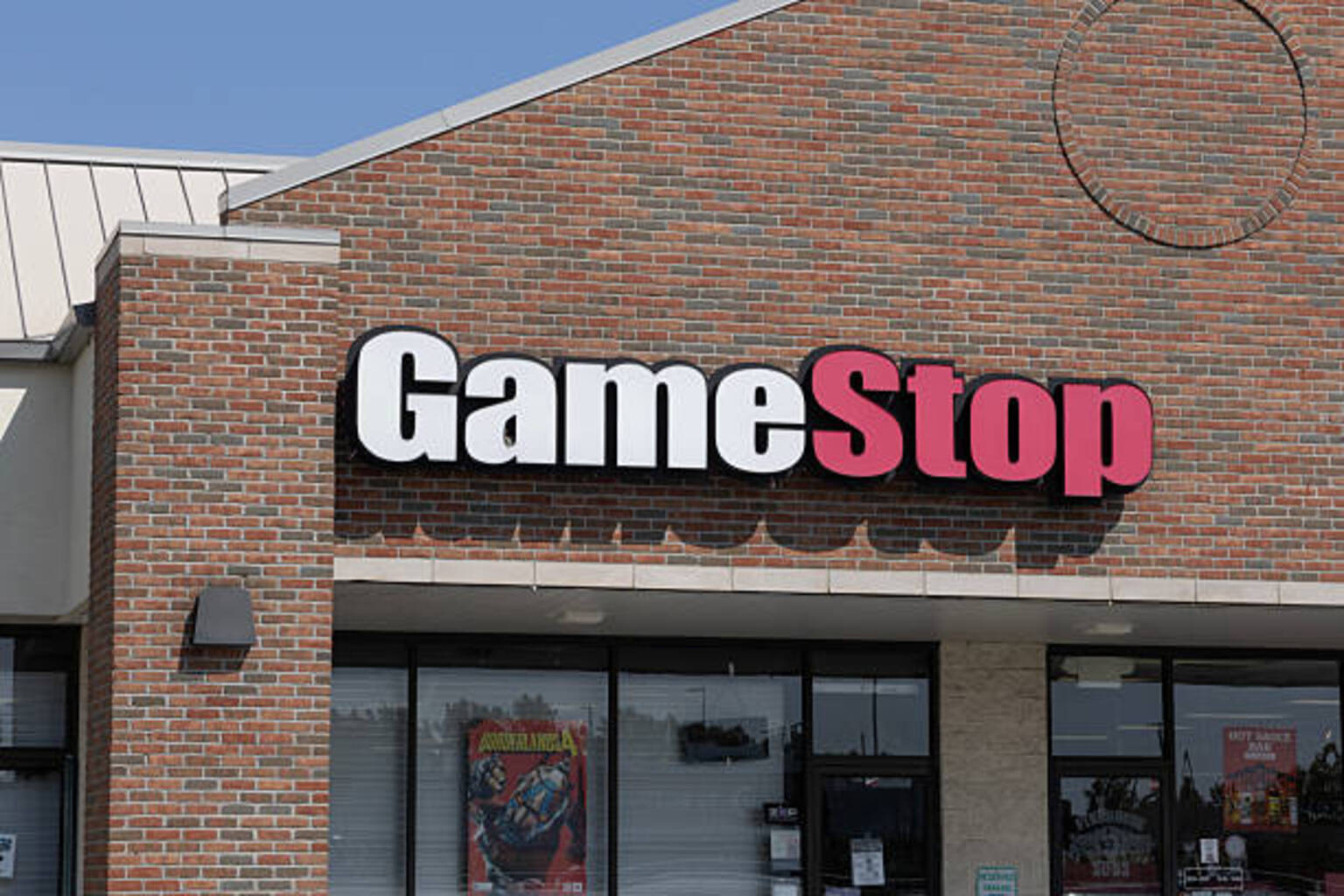
GameStop Launches Digital Trading Card Platform on April 15

- Launch Date: GameStop announced that its digital trading card platform will officially launch to the public on April 15, marking a strategic expansion into the digital collectibles space aimed at attracting younger consumers.
- Product Features: The online experience, called Power Packs, allows collectors to purchase digital packs to unlock real PSA-graded trading cards, with prices ranging from $25 to $2,500 across categories like Pokémon, football, basketball, and baseball, enhancing product diversity and market appeal.
- Transaction Flexibility: Each card is securely stored in the PSA Vault, allowing customers to instantly sell it back, ship it home, or add it to their collection, which may attract more collectors and increase customer loyalty.
- Market Reaction: GameStop's stock rose 1.3% in Tuesday morning trading to $23.70, reflecting positive market sentiment towards the new platform, although its direct alignment with the company's M&A strategy remains uncertain.
See More
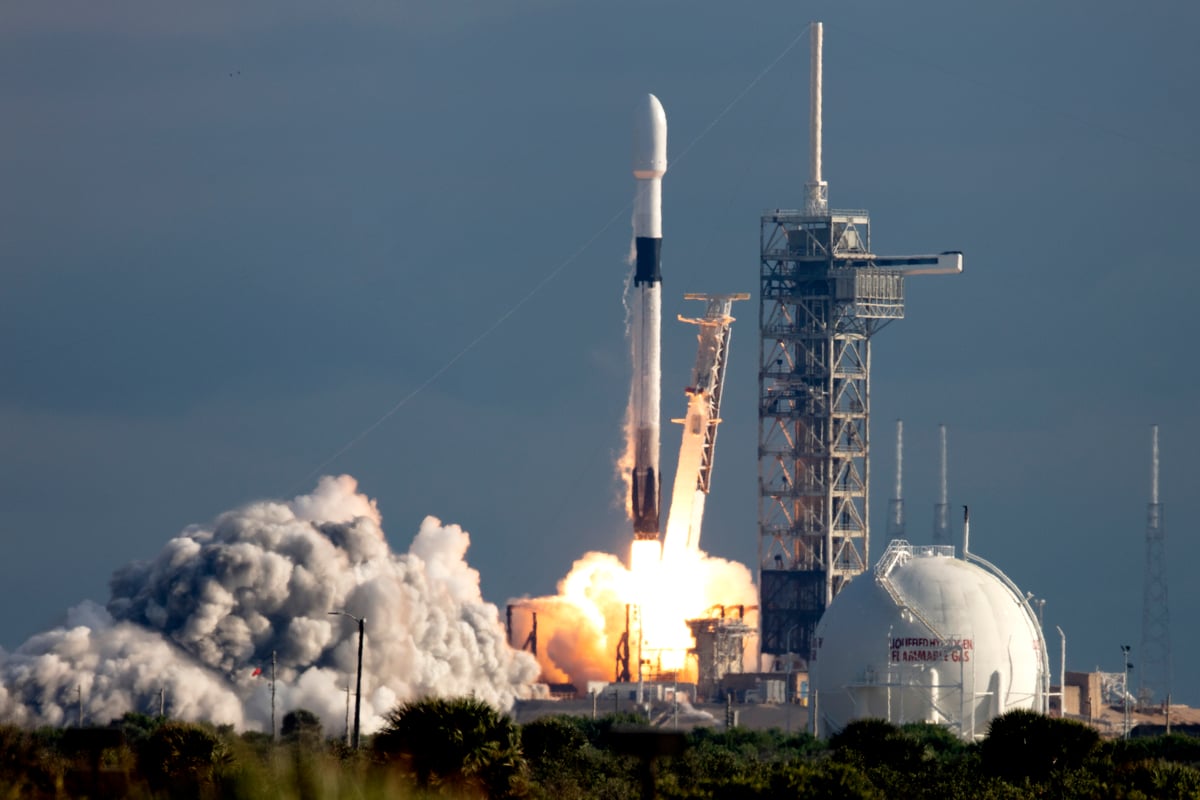
SpaceX IPO Set to Raise $75 Billion at Up to $2 Trillion Valuation

- Massive IPO Size: SpaceX has confidentially filed for an IPO aiming to raise up to $75 billion, with a valuation estimated between $1.75 trillion and $2 trillion, which would make it the largest IPO in history and place it among stocks with market caps exceeding $1 trillion.
- Significant Profitability: According to Reuters, SpaceX reported an $8 billion profit in 2025 on revenues of approximately $16 billion, yet at a valuation of $1.75 trillion, the stock would trade at nearly 219 times earnings and over 109 times revenue, making this valuation seem astonishing.
- Retail Investor Opportunities: SpaceX plans to allocate as much as 30% of its raise to retail investors, three times the typical amount, creating substantial trading opportunities for retail investors while complicating the environment for short sellers.
- Market Risk Warning: While SpaceX could dominate the emerging sector, investors should exercise caution as the stock may face price corrections post-IPO, particularly after lock-up periods expire, as historically many large IPOs initially surge before experiencing declines due to fading hype.
See More

SpaceX IPO Could Raise $75 Billion, Valuation Up to $2 Trillion
- IPO Fundraising Scale: SpaceX plans to raise up to $75 billion through its initial public offering (IPO), with a valuation potentially reaching between $1.75 trillion and $2 trillion, which would make it the largest IPO in history and significantly enhance its market position.
- Profit and Valuation: Reports indicate that SpaceX achieved a profit of $8 billion in 2025 on revenue of approximately $16 billion, and if it goes public at a $1.75 trillion valuation, its price-to-earnings ratio would be nearly 219 times, and price-to-sales ratio over 109 times, highlighting the extremity of its valuation.
- Retail Investor Opportunities: SpaceX plans to allocate as much as 30% of its raise to retail investors, three times the typical amount, providing more opportunities for retail investors to participate while also increasing challenges for short sellers.
- Market Expectations and Risks: Despite SpaceX's potential in emerging markets, investors should approach the IPO with caution, as it may face lock-up period pressures; historically, many large IPOs experience price declines in the months following their debut, and SpaceX could face similar circumstances.
See More

GameStop's Valuation Aligns More Closely with Underlying Value
- Significant Cash Reserves: GameStop currently holds approximately $9 billion in cash and around $368 million in Bitcoin, which somewhat justifies its $10.5 billion market cap, although it remains above its tangible book value.
- Debt Financing Risks: The company raised $4.2 billion through two convertible debt offerings, enhancing cash flow but necessitating conversion to new shares by 2030 and 2032, which could dilute existing shareholders and heighten market concerns about future performance.
- Cautious Market Sentiment: Despite a valuation decline, GameStop's tangible book value stands at only $12.14 per share, significantly lower than its current stock price, leading analysts to believe the stock remains overvalued and investor confidence is lacking.
- Uncertain Acquisition Plans: GameStop faces challenges in successfully acquiring other retailers while liquidating legacy operations and cutting costs, with skepticism from investors regarding its execution capabilities, potentially impacting stock performance.
See More

GameStop's Cash Reserves Show Significant Growth
- Cash Reserves Status: GameStop currently holds approximately $9 billion in cash and around $368 million in Bitcoin, and while its market cap stands at about $10.5 billion, the strong performance of its liquid assets aligns its valuation more closely with its fundamentals.
- Capital Raising Method: The company raised $4.2 billion through two convertible debt offerings, which, while enhancing cash flow, also means it will need to convert this debt into newly issued shares in the future, potentially leading to share dilution.
- Market Reaction Cautious: Despite the increase in cash reserves, the market remains skeptical about GameStop's future strategy, particularly regarding its plans to acquire other retailers and close legacy stores, with investors expressing concerns about its ability to successfully transform.
- Valuation vs. Fundamentals Discrepancy: GameStop's tangible book value is only $12.14 per share, over 47% below its current stock price, leading analysts to argue that paying a high premium for the stock is unwise in the absence of substantial profits, with potential buying opportunities emerging below tangible book value in the future.
See More

GameStop's Cash Reserves Hit $9 Billion, but Analysts Skeptical About Potential

- Cash Reserves Growth: GameStop currently holds approximately $9 billion in cash and $368 million in Bitcoin, yet its market cap stands at around $10.5 billion, indicating a strong position in liquid assets, but the market remains skeptical about its valuation.
- Debt Financing Impact: The company raised $4.2 billion through two convertible debt offerings, which bolstered its cash flow; however, it will need to convert this debt into new shares in the future, potentially leading to shareholder dilution and increasing market uncertainty.
- Market Skepticism: Notable investor Steve Eisman expresses doubts about GameStop's ability to execute its acquisition strategy while liquidating legacy operations, suggesting that the company may struggle to maintain its high valuation without substantial profits, reflecting broader market distrust in its future prospects.
- Investor Caution: With a tangible book value of only $12.14 per share, over 47% below its current stock price, analysts generally advise investors to remain cautious and wait for more attractive entry points, especially in the absence of significant deals.
See More
GameStop Launches Digital Trading Card Platform on April 15
- Launch Date: GameStop announced that its digital trading card platform will officially launch to the public on April 15, marking a strategic expansion into the digital collectibles space aimed at attracting younger consumers.
- Product Features: The online experience, called Power Packs, allows collectors to purchase digital packs to unlock real PSA-graded trading cards, with prices ranging from $25 to $2,500 across categories like Pokémon, football, basketball, and baseball, enhancing product diversity and market appeal.
- Transaction Flexibility: Each card is securely stored in the PSA Vault, allowing customers to instantly sell it back, ship it home, or add it to their collection, which may attract more collectors and increase customer loyalty.
- Market Reaction: GameStop's stock rose 1.3% in Tuesday morning trading to $23.70, reflecting positive market sentiment towards the new platform, although its direct alignment with the company's M&A strategy remains uncertain.
See More
SpaceX IPO Set to Raise $75 Billion at Up to $2 Trillion Valuation
- Massive IPO Size: SpaceX has confidentially filed for an IPO aiming to raise up to $75 billion, with a valuation estimated between $1.75 trillion and $2 trillion, which would make it the largest IPO in history and place it among stocks with market caps exceeding $1 trillion.
- Significant Profitability: According to Reuters, SpaceX reported an $8 billion profit in 2025 on revenues of approximately $16 billion, yet at a valuation of $1.75 trillion, the stock would trade at nearly 219 times earnings and over 109 times revenue, making this valuation seem astonishing.
- Retail Investor Opportunities: SpaceX plans to allocate as much as 30% of its raise to retail investors, three times the typical amount, creating substantial trading opportunities for retail investors while complicating the environment for short sellers.
- Market Risk Warning: While SpaceX could dominate the emerging sector, investors should exercise caution as the stock may face price corrections post-IPO, particularly after lock-up periods expire, as historically many large IPOs initially surge before experiencing declines due to fading hype.
See More
SpaceX IPO Could Raise $75 Billion, Valuation Up to $2 Trillion
- IPO Fundraising Scale: SpaceX plans to raise up to $75 billion through its initial public offering (IPO), with a valuation potentially reaching between $1.75 trillion and $2 trillion, which would make it the largest IPO in history and significantly enhance its market position.
- Profit and Valuation: Reports indicate that SpaceX achieved a profit of $8 billion in 2025 on revenue of approximately $16 billion, and if it goes public at a $1.75 trillion valuation, its price-to-earnings ratio would be nearly 219 times, and price-to-sales ratio over 109 times, highlighting the extremity of its valuation.
- Retail Investor Opportunities: SpaceX plans to allocate as much as 30% of its raise to retail investors, three times the typical amount, providing more opportunities for retail investors to participate while also increasing challenges for short sellers.
- Market Expectations and Risks: Despite SpaceX's potential in emerging markets, investors should approach the IPO with caution, as it may face lock-up period pressures; historically, many large IPOs experience price declines in the months following their debut, and SpaceX could face similar circumstances.
See More
GameStop's Valuation Aligns More Closely with Underlying Value
- Significant Cash Reserves: GameStop currently holds approximately $9 billion in cash and around $368 million in Bitcoin, which somewhat justifies its $10.5 billion market cap, although it remains above its tangible book value.
- Debt Financing Risks: The company raised $4.2 billion through two convertible debt offerings, enhancing cash flow but necessitating conversion to new shares by 2030 and 2032, which could dilute existing shareholders and heighten market concerns about future performance.
- Cautious Market Sentiment: Despite a valuation decline, GameStop's tangible book value stands at only $12.14 per share, significantly lower than its current stock price, leading analysts to believe the stock remains overvalued and investor confidence is lacking.
- Uncertain Acquisition Plans: GameStop faces challenges in successfully acquiring other retailers while liquidating legacy operations and cutting costs, with skepticism from investors regarding its execution capabilities, potentially impacting stock performance.
See More
GameStop's Cash Reserves Show Significant Growth
- Cash Reserves Status: GameStop currently holds approximately $9 billion in cash and around $368 million in Bitcoin, and while its market cap stands at about $10.5 billion, the strong performance of its liquid assets aligns its valuation more closely with its fundamentals.
- Capital Raising Method: The company raised $4.2 billion through two convertible debt offerings, which, while enhancing cash flow, also means it will need to convert this debt into newly issued shares in the future, potentially leading to share dilution.
- Market Reaction Cautious: Despite the increase in cash reserves, the market remains skeptical about GameStop's future strategy, particularly regarding its plans to acquire other retailers and close legacy stores, with investors expressing concerns about its ability to successfully transform.
- Valuation vs. Fundamentals Discrepancy: GameStop's tangible book value is only $12.14 per share, over 47% below its current stock price, leading analysts to argue that paying a high premium for the stock is unwise in the absence of substantial profits, with potential buying opportunities emerging below tangible book value in the future.
See More
GameStop's Cash Reserves Hit $9 Billion, but Analysts Skeptical About Potential
- Cash Reserves Growth: GameStop currently holds approximately $9 billion in cash and $368 million in Bitcoin, yet its market cap stands at around $10.5 billion, indicating a strong position in liquid assets, but the market remains skeptical about its valuation.
- Debt Financing Impact: The company raised $4.2 billion through two convertible debt offerings, which bolstered its cash flow; however, it will need to convert this debt into new shares in the future, potentially leading to shareholder dilution and increasing market uncertainty.
- Market Skepticism: Notable investor Steve Eisman expresses doubts about GameStop's ability to execute its acquisition strategy while liquidating legacy operations, suggesting that the company may struggle to maintain its high valuation without substantial profits, reflecting broader market distrust in its future prospects.
- Investor Caution: With a tangible book value of only $12.14 per share, over 47% below its current stock price, analysts generally advise investors to remain cautious and wait for more attractive entry points, especially in the absence of significant deals.
See More