Functional Beverage Market Thrives Amid Health Trends
Written by Emily J. Thompson, Senior Investment Analyst
Updated: 46 minutes ago
0mins

Source: Newsfilter
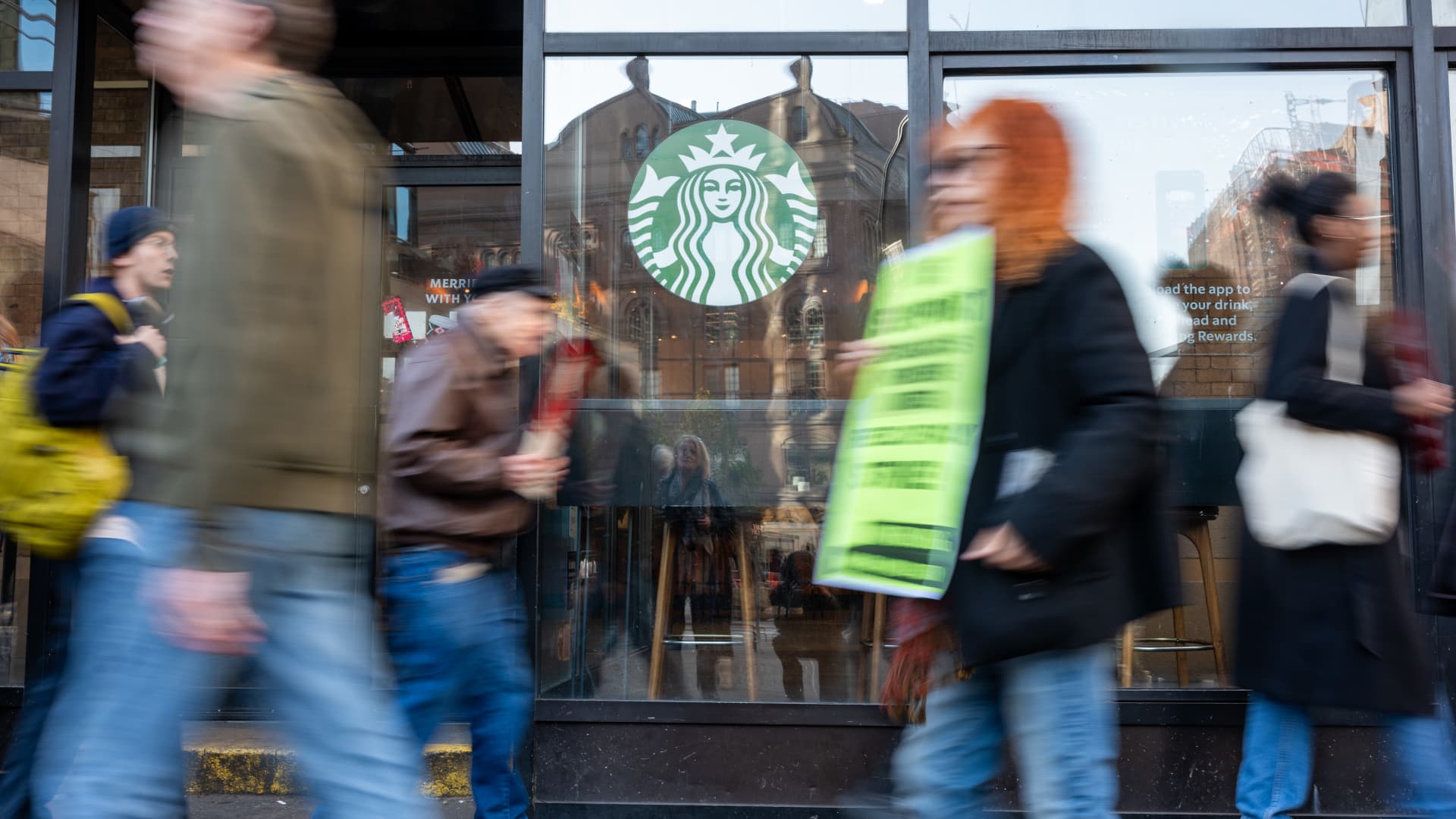
- Market Growth Surge: The global functional beverage market has reached $160 billion, reflecting strong demand from health-conscious young consumers, prompting beverage brands to continuously introduce innovative products to meet market trends.
- Shifting Consumer Preferences: According to EY's survey, about 75% of millennials and 80% of Gen Z are consuming functional beverages, with over half of respondents willing to pay more for drinks that support their health, indicating significant market potential for health-focused drinks.
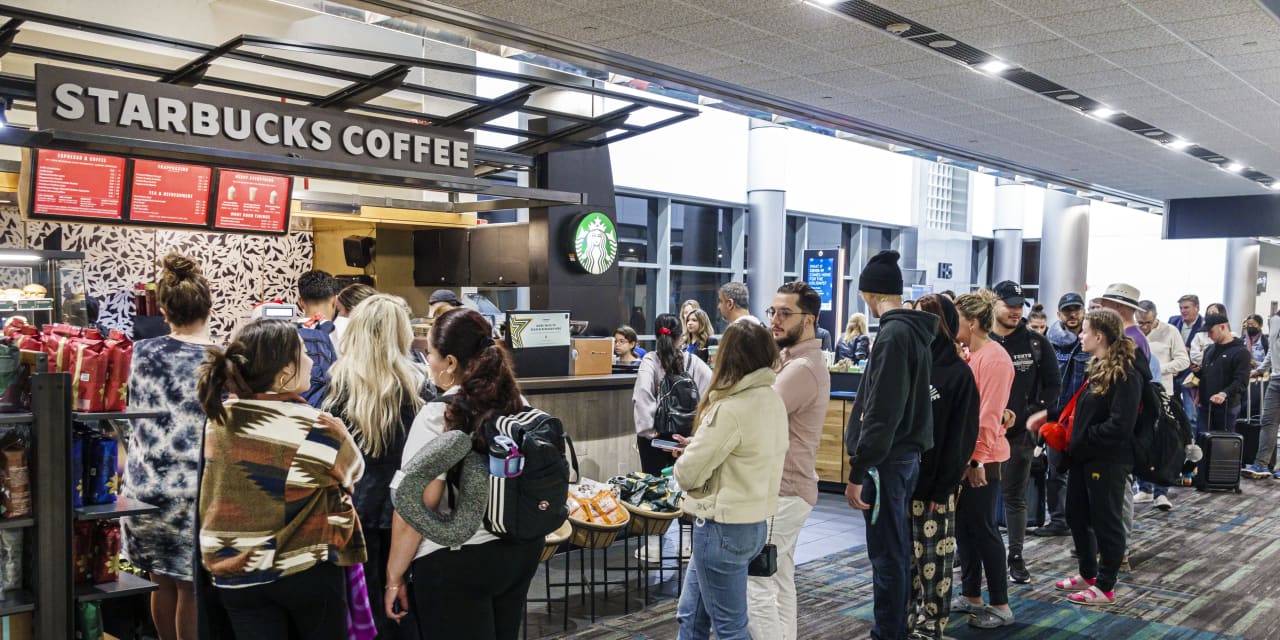
- Brand Strategic Positioning: Starbucks has launched protein coffees in the U.S., Canada, and Europe, priced between $5.75 and $6.75, aiming to capitalize on the trend for multifunctional beverages and further solidify its competitive position in the market.
- Social Media Influence: TRIP's co-founder noted that social media has transformed functional drinks into a
Trade with 70% Backtested Accuracy
Stop guessing "Should I Buy SBUX?" and start using high-conviction signals backed by rigorous historical data.
Sign up today to access powerful investing tools and make smarter, data-driven decisions.
Analyst Views on SBUX
Wall Street analysts forecast SBUX stock price to fall
21 Analyst Rating
12 Buy
7 Hold
2 Sell
Moderate Buy
Current: 103.160

Low
59.00
Averages
96.12
High
115.00
Current: 103.160
Low
59.00
Averages
96.12
High
115.00
About SBUX
Starbucks Corporations is a roaster, marketer, and retailer of specialty coffee globally. Its North America segment includes the United States and Canada. Its International segment includes China, Japan, Asia Pacific, Europe, Middle East and Africa, Latin America, and the Caribbean. Its North America and International segments include both Company-operated and licensed stores. The Channel Development segment includes roasted whole bean and ground coffees, Starbucks-branded single-serve products, a variety of ready-to-drink beverages, such as Frappuccino and Starbucks Doubleshot, foodservice products, and other branded products sold outside the Company-operated and licensed stores. A large portion of its Channel Development business operates under a licensed model of the Global Coffee Alliance with Nestle, while its global ready-to-drink businesses operate under collaborative relationships with PepsiCo, Inc., Tingyi-Ashi Beverages Holding Co., Ltd., Arla Foods amba, Nestle, and others.
About the author

Emily J. Thompson
Emily J. Thompson, a Chartered Financial Analyst (CFA) with 12 years in investment research, graduated with honors from the Wharton School. Specializing in industrial and technology stocks, she provides in-depth analysis for Intellectia’s earnings and market brief reports.
Functional Beverage Market Rapid Growth

- Market Expansion: The global functional beverage market has reached $160 billion, with companies launching innovative products to meet the growing demand from health-conscious young consumers, thereby driving overall market growth.
- Changing Consumer Preferences: According to EY's survey, about 75% of millennials and 80% of Gen Z are consuming functional beverages, with over half of respondents willing to pay more for drinks that support their health, indicating a shift in consumer habits towards health awareness.
- Product Innovation: Starbucks has introduced protein coffees in the U.S., Canada, and Europe to capitalize on the wellness drink trend, with protein cold foam sales nearly matching flat whites, reflecting strong consumer demand for health-oriented beverages.
- Social Media Influence: TRIP has successfully attracted young consumers through a social media strategy, becoming TikTok Shop UK's top drink brand, with 72% of Gen Z looking to social media for food and drink wellness trends, further propelling the popularity of functional beverages.
See More

Functional Beverage Market Thrives Amid Health Trends
- Market Growth Surge: The global functional beverage market has reached $160 billion, reflecting strong demand from health-conscious young consumers, prompting beverage brands to continuously introduce innovative products to meet market trends.
- Shifting Consumer Preferences: According to EY's survey, about 75% of millennials and 80% of Gen Z are consuming functional beverages, with over half of respondents willing to pay more for drinks that support their health, indicating significant market potential for health-focused drinks.
- Brand Strategic Positioning: Starbucks has launched protein coffees in the U.S., Canada, and Europe, priced between $5.75 and $6.75, aiming to capitalize on the trend for multifunctional beverages and further solidify its competitive position in the market.
- Social Media Influence: TRIP's co-founder noted that social media has transformed functional drinks into a
See More
Starbucks Launches National Coffeehouse Coach Hiring Initiative
- Hiring Initiative Launched: Following a successful pilot in 62 U.S. coffeehouses, Starbucks has initiated a national rollout of coffeehouse coach hiring, expecting to fill over 300 roles next month and thousands more by year-end, highlighting the company's commitment to talent development.
- High Internal Promotion Rate: Notably, over 90% of the coffeehouse coach roles filled during the pilot were internal promotions, reinforcing Starbucks' dedication to internal hiring while enhancing career growth opportunities and team cohesion among partners.
- Leadership Enhancement: The introduction of coffeehouse coaches has increased leadership coverage across various dayparts, improving coffeehouse execution, as leaders gained capacity for key planning and partner development tasks, thereby enhancing work-life balance.
- Consistent Business Performance: This initiative marks significant progress toward Starbucks' goal of doubling coffeehouse leadership in most U.S. locations next year, which is expected to drive consistent business performance and provide stable leadership, ultimately supporting partners more effectively.
See More

Kroger Revamps Rewards Program to Boost In-Store Traffic

- Rewards Program Overhaul: Kroger's rewards program now allows customers to redeem points for groceries, offering up to $10 off with 1,000 points per day, aimed at driving customers back into stores and enhancing shopping experiences.
- Point Accumulation System: Customers earn 1 point for every $1 spent on eligible groceries, 2 points for most gift cards, and 25 points for non-federally funded prescriptions, which enhances customer engagement and loyalty.
- Positive Market Response: Kroger reported a 10% increase in fuel reward redemptions compared to last year during its first-quarter earnings call, indicating strong customer response to the new redemption options and further boosting store traffic.
- Competitive Strategy Adjustment: This change aligns with similar adjustments made by Albertsons, as Kroger aims to enhance shopping frequency and spending through an optimized rewards program, solidifying its competitive position in the retail market.
See More

TQQQ 52-Week Price Fluctuation Analysis


- Price Range Analysis: TQQQ's 52-week low is $37.32 per share, with a high of $88.09, while the latest trade stands at $74.46, indicating significant volatility over the past year and reflecting varying market expectations for its future performance.
- Technical Analysis Tool: Comparing the latest share price to the 200-day moving average can provide valuable insights for investors, helping to assess whether the current price is overvalued or undervalued, thereby influencing investment decisions.
- ETF Unit Trading Mechanism: Exchange-traded funds (ETFs) trade similarly to stocks, where investors are actually buying and selling “units,” which can be created or destroyed based on investor demand, allowing ETFs to better adapt to market changes.
- Inflows and Outflows Monitoring: Weekly monitoring of changes in shares outstanding for ETFs focuses on those experiencing notable inflows (new units created) or outflows (old units destroyed), as such liquidity changes can impact the performance of the individual stocks held within the ETFs.
See More
Dutch Bros Accelerates Sales Growth Amid High Stock Valuation

- Significant Sales Growth: Dutch Bros achieved a 31% sales growth in Q1 2026, with comparable store sales up 8.3%, demonstrating strong market performance and brand appeal despite inflationary pressures.
- Market-Leading Innovation: As the first major chain to offer protein coffee, Dutch Bros has captured 90% of its sales through a unique line of mixable cold beverage flavors, reinforcing its innovative position in the coffee market.
- Improved Profitability: Although net income has surged nearly 1000% over the past three years, the low starting point makes sustaining future growth challenging, with a current P/E ratio of 104 indicating potential overvaluation risks.
- Future Growth Potential: Analysts suggest that if net income grows at a 30% compound annual rate, it could nearly triple in four years; however, due to high valuation, the stock may not achieve similar growth, potentially doubling by 2030 instead.
See More
Functional Beverage Market Rapid Growth
- Market Expansion: The global functional beverage market has reached $160 billion, with companies launching innovative products to meet the growing demand from health-conscious young consumers, thereby driving overall market growth.
- Changing Consumer Preferences: According to EY's survey, about 75% of millennials and 80% of Gen Z are consuming functional beverages, with over half of respondents willing to pay more for drinks that support their health, indicating a shift in consumer habits towards health awareness.
- Product Innovation: Starbucks has introduced protein coffees in the U.S., Canada, and Europe to capitalize on the wellness drink trend, with protein cold foam sales nearly matching flat whites, reflecting strong consumer demand for health-oriented beverages.
- Social Media Influence: TRIP has successfully attracted young consumers through a social media strategy, becoming TikTok Shop UK's top drink brand, with 72% of Gen Z looking to social media for food and drink wellness trends, further propelling the popularity of functional beverages.
See More
Functional Beverage Market Thrives Amid Health Trends
- Market Growth Surge: The global functional beverage market has reached $160 billion, reflecting strong demand from health-conscious young consumers, prompting beverage brands to continuously introduce innovative products to meet market trends.
- Shifting Consumer Preferences: According to EY's survey, about 75% of millennials and 80% of Gen Z are consuming functional beverages, with over half of respondents willing to pay more for drinks that support their health, indicating significant market potential for health-focused drinks.
- Brand Strategic Positioning: Starbucks has launched protein coffees in the U.S., Canada, and Europe, priced between $5.75 and $6.75, aiming to capitalize on the trend for multifunctional beverages and further solidify its competitive position in the market.
- Social Media Influence: TRIP's co-founder noted that social media has transformed functional drinks into a
See More
Starbucks Launches National Coffeehouse Coach Hiring Initiative
- Hiring Initiative Launched: Following a successful pilot in 62 U.S. coffeehouses, Starbucks has initiated a national rollout of coffeehouse coach hiring, expecting to fill over 300 roles next month and thousands more by year-end, highlighting the company's commitment to talent development.
- High Internal Promotion Rate: Notably, over 90% of the coffeehouse coach roles filled during the pilot were internal promotions, reinforcing Starbucks' dedication to internal hiring while enhancing career growth opportunities and team cohesion among partners.
- Leadership Enhancement: The introduction of coffeehouse coaches has increased leadership coverage across various dayparts, improving coffeehouse execution, as leaders gained capacity for key planning and partner development tasks, thereby enhancing work-life balance.
- Consistent Business Performance: This initiative marks significant progress toward Starbucks' goal of doubling coffeehouse leadership in most U.S. locations next year, which is expected to drive consistent business performance and provide stable leadership, ultimately supporting partners more effectively.
See More
Kroger Revamps Rewards Program to Boost In-Store Traffic
- Rewards Program Overhaul: Kroger's rewards program now allows customers to redeem points for groceries, offering up to $10 off with 1,000 points per day, aimed at driving customers back into stores and enhancing shopping experiences.
- Point Accumulation System: Customers earn 1 point for every $1 spent on eligible groceries, 2 points for most gift cards, and 25 points for non-federally funded prescriptions, which enhances customer engagement and loyalty.
- Positive Market Response: Kroger reported a 10% increase in fuel reward redemptions compared to last year during its first-quarter earnings call, indicating strong customer response to the new redemption options and further boosting store traffic.
- Competitive Strategy Adjustment: This change aligns with similar adjustments made by Albertsons, as Kroger aims to enhance shopping frequency and spending through an optimized rewards program, solidifying its competitive position in the retail market.
See More
TQQQ 52-Week Price Fluctuation Analysis
- Price Range Analysis: TQQQ's 52-week low is $37.32 per share, with a high of $88.09, while the latest trade stands at $74.46, indicating significant volatility over the past year and reflecting varying market expectations for its future performance.
- Technical Analysis Tool: Comparing the latest share price to the 200-day moving average can provide valuable insights for investors, helping to assess whether the current price is overvalued or undervalued, thereby influencing investment decisions.
- ETF Unit Trading Mechanism: Exchange-traded funds (ETFs) trade similarly to stocks, where investors are actually buying and selling “units,” which can be created or destroyed based on investor demand, allowing ETFs to better adapt to market changes.
- Inflows and Outflows Monitoring: Weekly monitoring of changes in shares outstanding for ETFs focuses on those experiencing notable inflows (new units created) or outflows (old units destroyed), as such liquidity changes can impact the performance of the individual stocks held within the ETFs.
See More
Dutch Bros Accelerates Sales Growth Amid High Stock Valuation
- Significant Sales Growth: Dutch Bros achieved a 31% sales growth in Q1 2026, with comparable store sales up 8.3%, demonstrating strong market performance and brand appeal despite inflationary pressures.
- Market-Leading Innovation: As the first major chain to offer protein coffee, Dutch Bros has captured 90% of its sales through a unique line of mixable cold beverage flavors, reinforcing its innovative position in the coffee market.
- Improved Profitability: Although net income has surged nearly 1000% over the past three years, the low starting point makes sustaining future growth challenging, with a current P/E ratio of 104 indicating potential overvaluation risks.
- Future Growth Potential: Analysts suggest that if net income grows at a 30% compound annual rate, it could nearly triple in four years; however, due to high valuation, the stock may not achieve similar growth, potentially doubling by 2030 instead.
See More