Ford Unveils Low-Cost EV Plans to Compete with Tesla
Written by Emily J. Thompson, Senior Investment Analyst
Updated: 3 hours ago
0mins
Should l Buy F?
Source: stocktwits
- EV Platform Initiative: Ford is targeting a ~$30,000 electric pickup by 2027 to compete with Tesla's Model Y and Model 3, although current EV sales remain weak and analysts are cautious about the company's prospects.
- Stock Performance Decline: Ford's stock fell over 2% in the past week despite CEO Farley's announcement of the new EV initiative, indicating persistent bearish sentiment in the market regarding the automaker's electric vehicle future amidst broader industry challenges.
- Sales Data Warning: In February, Ford's total U.S. vehicle sales dropped 5.5% year-over-year, with EV sales plummeting 37.7%, highlighting weak consumer demand for electric vehicles and the company's underperformance in the EV market.
- Analyst Rating Downgrade: Wells Fargo lowered Ford's price target from $11 to $10, maintaining an 'Underweight' rating, citing multiple market drivers moving in unfavorable directions, which adds to Ford's market pressures.
Trade with 70% Backtested Accuracy
Stop guessing "Should I Buy F?" and start using high-conviction signals backed by rigorous historical data.
Sign up today to access powerful investing tools and make smarter, data-driven decisions.
Analyst Views on F
Wall Street analysts forecast F stock price to rise
14 Analyst Rating
3 Buy
10 Hold
1 Sell
Hold
Current: 11.540

Low
11.00
Averages
13.65
High
16.00
Current: 11.540
Low
11.00
Averages
13.65
High
16.00
About F
Ford Motor Company is an automobile company. The Company develops and delivers Ford trucks, sport utility vehicles, commercial vans and cars, and Lincoln luxury vehicles, along with connected services. The Company’s segments include Ford Blue, Ford Model e, Ford Pro, and Ford Credit. The Ford Blue segment primarily includes the sale of Ford and Lincoln internal combustion engine (ICE) and hybrid vehicles, service parts, accessories, and digital services for retail customers. The Ford Model e segment primarily includes the sale of its electric vehicles, service parts, accessories, and digital services for retail customers. The Ford Pro segment primarily includes the sale of Ford and Lincoln vehicles, service parts, accessories, and services for commercial, government, and rental customers. The Ford Credit segment consists of the Ford Credit business on a consolidated basis, which is primarily vehicle-related financing and leasing activities. Its vehicle brands are Ford and Lincoln.
About the author

Emily J. Thompson
Emily J. Thompson, a Chartered Financial Analyst (CFA) with 12 years in investment research, graduated with honors from the Wharton School. Specializing in industrial and technology stocks, she provides in-depth analysis for Intellectia’s earnings and market brief reports.
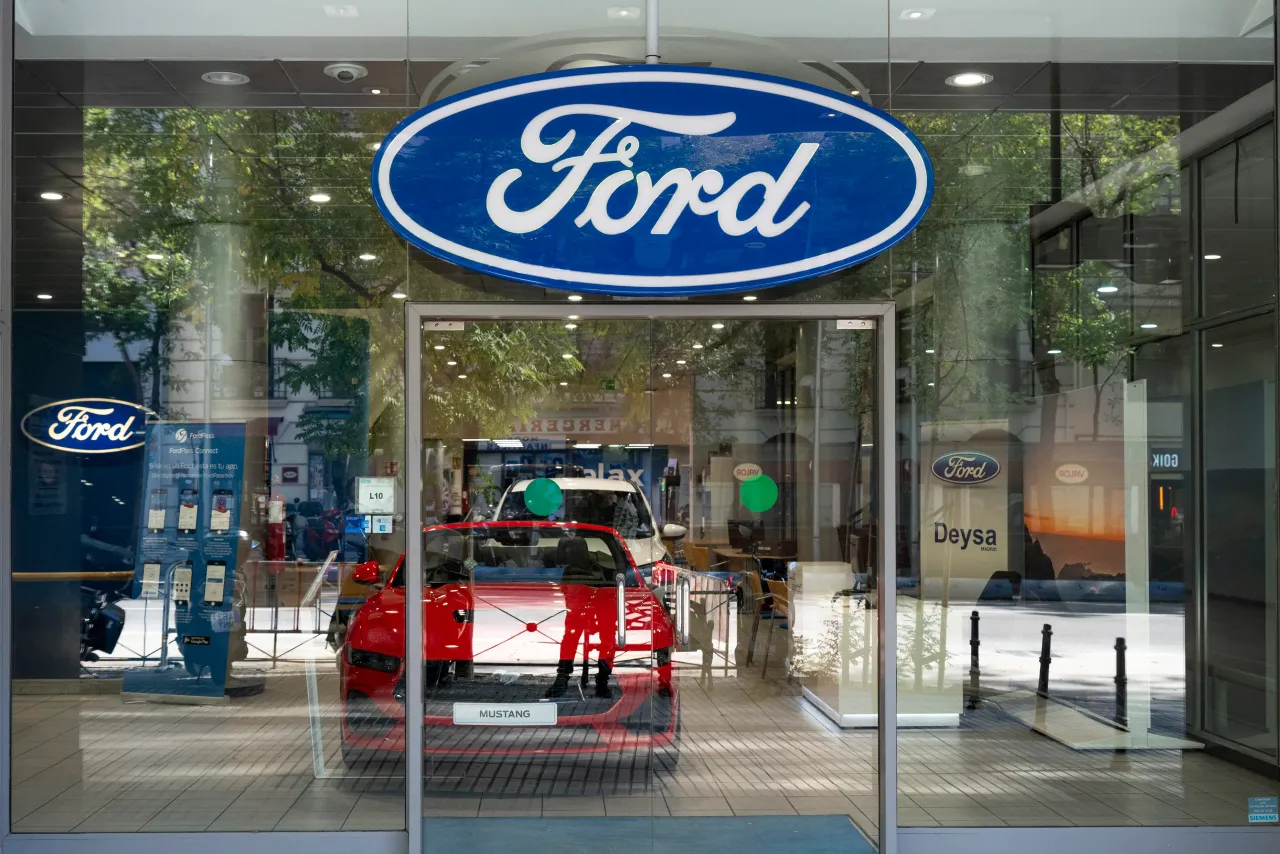
Ford Unveils Low-Cost EV Plans to Compete with Tesla


- EV Platform Initiative: Ford is targeting a ~$30,000 electric pickup by 2027 to compete with Tesla's Model Y and Model 3, although current EV sales remain weak and analysts are cautious about the company's prospects.
- Stock Performance Decline: Ford's stock fell over 2% in the past week despite CEO Farley's announcement of the new EV initiative, indicating persistent bearish sentiment in the market regarding the automaker's electric vehicle future amidst broader industry challenges.
- Sales Data Warning: In February, Ford's total U.S. vehicle sales dropped 5.5% year-over-year, with EV sales plummeting 37.7%, highlighting weak consumer demand for electric vehicles and the company's underperformance in the EV market.
- Analyst Rating Downgrade: Wells Fargo lowered Ford's price target from $11 to $10, maintaining an 'Underweight' rating, citing multiple market drivers moving in unfavorable directions, which adds to Ford's market pressures.
See More
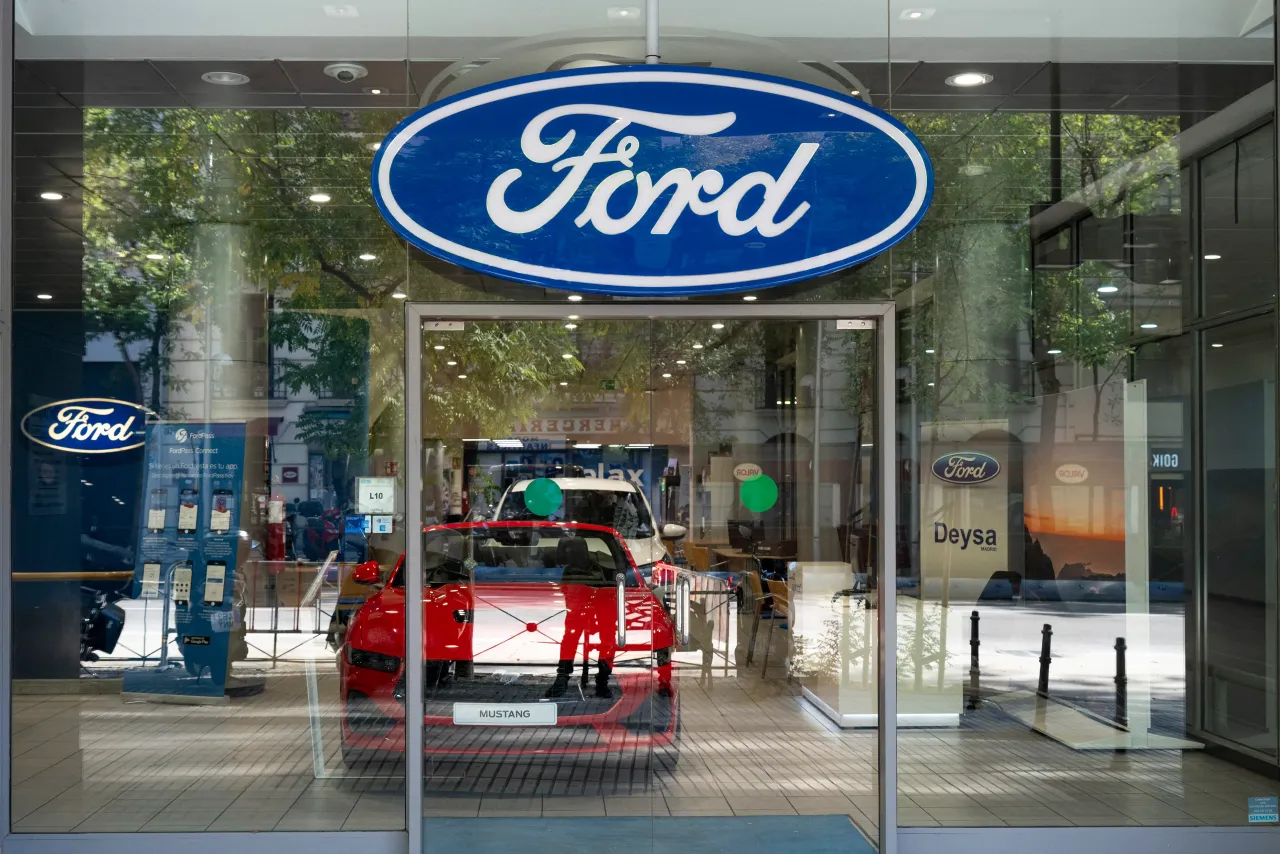
Ford Unveils Low-Cost EV Plans to Compete with Tesla
- New EV Platform: Ford is targeting a ~$30,000 electric pickup by 2027 to compete with Tesla's Model Y and Model 3, although current EV sales remain weak and analysts are cautious about the company's prospects.
- Market Reaction: Despite CEO Jim Farley's podcast announcement about the new EV project, Ford's stock fell over 2% in the past week, indicating skepticism from the market regarding its electric vehicle strategy.
- Weak Sales Data: In February, Ford's total U.S. vehicle sales dropped 5.5% year-over-year, with EV sales plummeting 37.7%, reflecting ongoing weak consumer demand for electric vehicles and multiple market challenges facing the company.
- Analyst Downgrade: Wells Fargo lowered its price target on Ford from $11 to $10, maintaining an 'Underweight' rating, citing that nearly all full-year drivers are trending negatively, which raises investor concerns.
See More
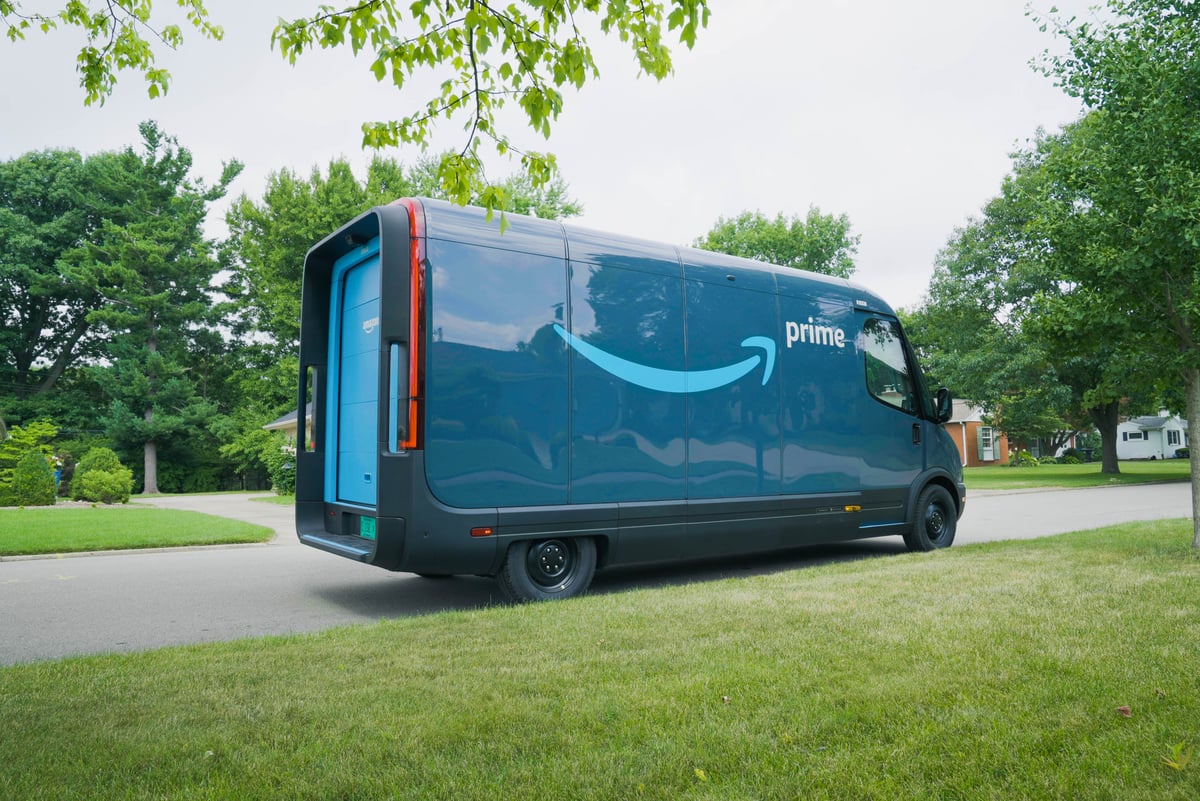
Rivian Automotive's Strategic Shift and Market Challenges


- Strategic Transformation: Rivian achieved its first full-year gross profit in 2025 by focusing on cost-cutting and factory retooling in preparation for the upcoming R2 model, despite declines in production and deliveries leading to muted market reactions.
- Amazon Order Impact: Amazon's order for 100,000 electric delivery vans established Rivian's market presence, with a four-year exclusivity agreement amended in 2023 to allow sales to other customers, although component shortages hindered order fulfillment.
- Market Competition Pressure: Rivian's electric delivery vans are priced around $80,000, while Ford's E-Transit is offered in the mid-$50,000s, coupled with Ford's established service infrastructure, which Rivian is still developing, reducing its market appeal.
- Product Performance Enhancement: Rivian plans to increase the electric delivery van's range by 30% through a larger battery pack and introduce all-wheel drive, aiming to improve product performance to attract more buyers and reshape its market image.
See More
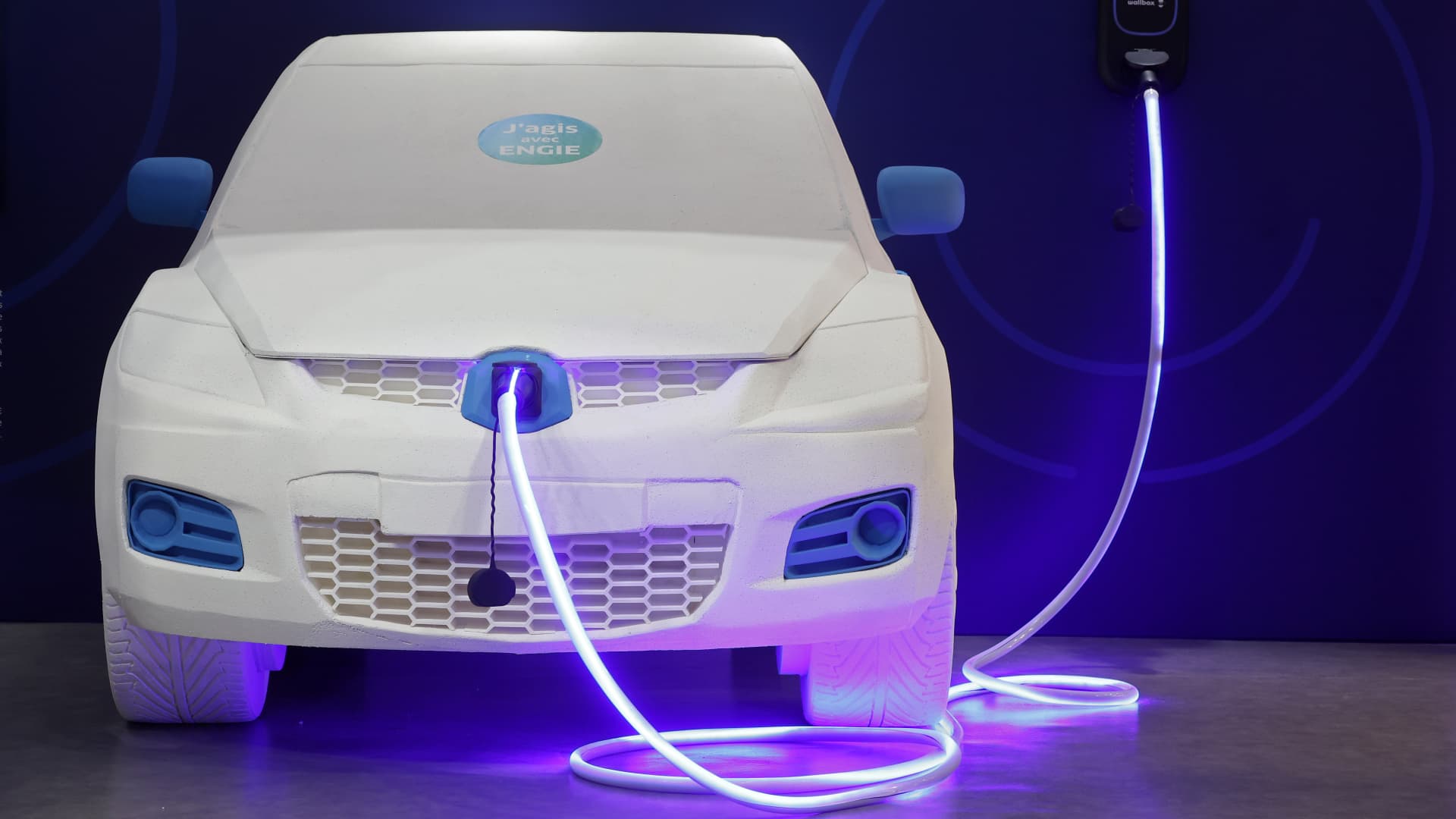
Middle East Crisis Fuels Electric Vehicle Demand Surge

- Surge in EV Interest: Since the onset of the Iran war, inquiries for new electric vehicles in the U.S. have surged by 28%, while used EV inquiries rose by 15%, indicating a significant consumer shift towards EVs, even as traditional automakers pivot back to internal combustion engines.
- Fuel Prices Impact Buying Behavior: Elevated gas prices have made electric vehicles more appealing for long-distance drivers; however, Cox Automotive anticipates that consumer buying habits will require over six months of sustained high gas prices to change significantly, highlighting the slow pace of market transition.
- Decline in EV Sales: Despite increased inquiries, Cox forecasts a 28% drop in U.S. EV sales for the first quarter, down to 212,600 units, reflecting limited market acceptance of electric vehicles amidst shifting consumer preferences.
- Global Market Transformation: The energy shock from the Iran war is expected to accelerate EV adoption in Europe and Asia, particularly in countries like Vietnam, Thailand, and Indonesia, where consumers are increasingly inclined to choose affordable models from Chinese manufacturers.
See More
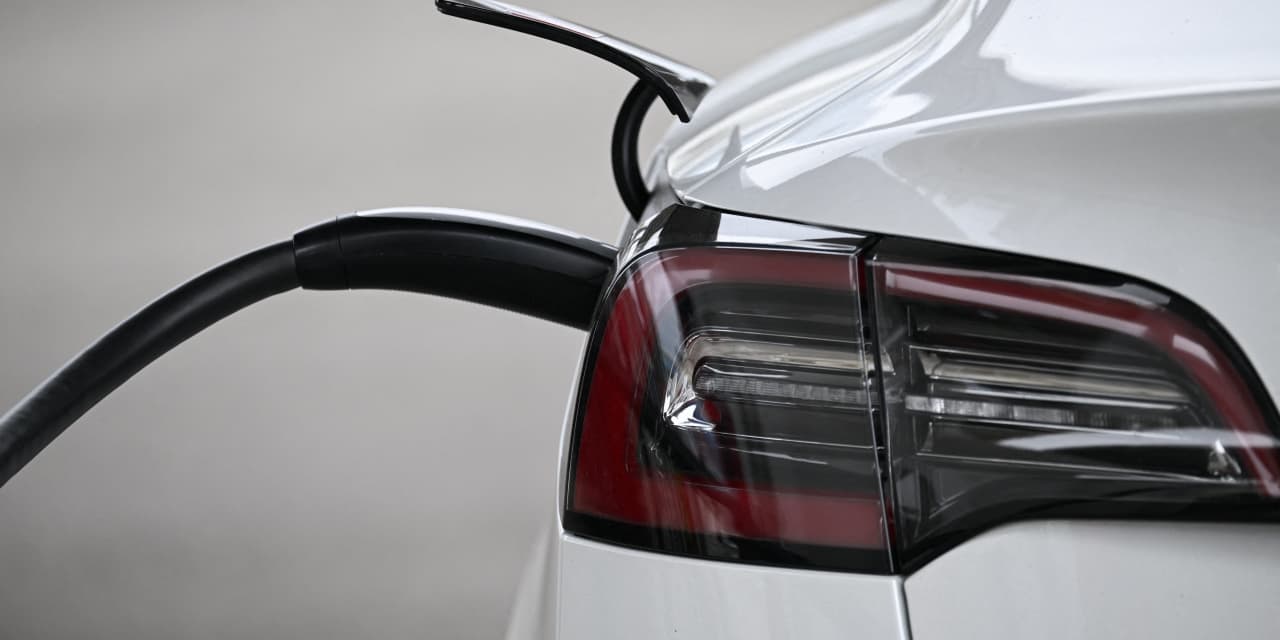
Iran War Expected to Boost EV Demand Gradually
- Surge in Consumer Interest: Since the onset of the Iran war, car-selling platforms in the U.S. and Europe have reported a significant increase in inquiries for electric vehicles (EVs), with Autotrader noting a 28% rise in new EV inquiries and a 15% increase in used EV inquiries, indicating a growing consumer focus on EVs despite traditional automakers adjusting their strategies.
- Impact of Oil Prices: The sharp rise in oil prices has made owning a battery electric vehicle (BEV) more appealing for high-mileage drivers, with analysts suggesting that while the shift to EVs will be gradual, heightened oil prices and energy security concerns are likely to provide mid-term support for BEV demand, potentially encouraging consumers to abandon internal combustion engine (ICE) vehicles.
- Sales Forecasts: Despite the rising consumer interest in EVs, Cox Automotive forecasts that U.S. EV sales will decline by 28% in the first quarter to 212,600 units, indicating that high gas prices have not immediately translated into increased EV sales, while sales of electrified vehicles, including hybrids, are expected to rise, accounting for 26% of new vehicle sales.
- Accelerated Global Transition: The energy shock from the Iran war is expected to facilitate a faster transition to EVs in Europe and Asia, particularly in countries like Vietnam, Thailand, and Indonesia, where affordable models from Chinese manufacturers are likely to drive a quicker shift away from fossil fuel dependency.
See More

BYD Surpasses Tesla in Market Performance
- Sales Leadership: BYD sold over 2.25 million electric vehicles last year, surpassing Tesla's 1.63 million deliveries, indicating BYD's strong growth momentum in the EV market, despite Tesla's larger market capitalization.
- Intensifying Competition: BYD's sales continue to grow in both China and Europe, having outsold Tesla in Europe since mid-last year, highlighting its increasing competitiveness in the global EV market.
- Profit Pressure: Although BYD's revenue grew by 3.5% to $116 billion, its profits for 2025 fell by 19% year-over-year, reflecting the impact of price wars on profitability and the fierce competition within the industry.
- Future Outlook: Analysts expect BYD to achieve double-digit revenue and earnings growth over the next two years, with plans for international sales of 1.5 million units, showcasing its potential for global market expansion and keen insight into EV demand.
See More
Ford Unveils Low-Cost EV Plans to Compete with Tesla
- EV Platform Initiative: Ford is targeting a ~$30,000 electric pickup by 2027 to compete with Tesla's Model Y and Model 3, although current EV sales remain weak and analysts are cautious about the company's prospects.
- Stock Performance Decline: Ford's stock fell over 2% in the past week despite CEO Farley's announcement of the new EV initiative, indicating persistent bearish sentiment in the market regarding the automaker's electric vehicle future amidst broader industry challenges.
- Sales Data Warning: In February, Ford's total U.S. vehicle sales dropped 5.5% year-over-year, with EV sales plummeting 37.7%, highlighting weak consumer demand for electric vehicles and the company's underperformance in the EV market.
- Analyst Rating Downgrade: Wells Fargo lowered Ford's price target from $11 to $10, maintaining an 'Underweight' rating, citing multiple market drivers moving in unfavorable directions, which adds to Ford's market pressures.
See More
Ford Unveils Low-Cost EV Plans to Compete with Tesla
- New EV Platform: Ford is targeting a ~$30,000 electric pickup by 2027 to compete with Tesla's Model Y and Model 3, although current EV sales remain weak and analysts are cautious about the company's prospects.
- Market Reaction: Despite CEO Jim Farley's podcast announcement about the new EV project, Ford's stock fell over 2% in the past week, indicating skepticism from the market regarding its electric vehicle strategy.
- Weak Sales Data: In February, Ford's total U.S. vehicle sales dropped 5.5% year-over-year, with EV sales plummeting 37.7%, reflecting ongoing weak consumer demand for electric vehicles and multiple market challenges facing the company.
- Analyst Downgrade: Wells Fargo lowered its price target on Ford from $11 to $10, maintaining an 'Underweight' rating, citing that nearly all full-year drivers are trending negatively, which raises investor concerns.
See More
Rivian Automotive's Strategic Shift and Market Challenges
- Strategic Transformation: Rivian achieved its first full-year gross profit in 2025 by focusing on cost-cutting and factory retooling in preparation for the upcoming R2 model, despite declines in production and deliveries leading to muted market reactions.
- Amazon Order Impact: Amazon's order for 100,000 electric delivery vans established Rivian's market presence, with a four-year exclusivity agreement amended in 2023 to allow sales to other customers, although component shortages hindered order fulfillment.
- Market Competition Pressure: Rivian's electric delivery vans are priced around $80,000, while Ford's E-Transit is offered in the mid-$50,000s, coupled with Ford's established service infrastructure, which Rivian is still developing, reducing its market appeal.
- Product Performance Enhancement: Rivian plans to increase the electric delivery van's range by 30% through a larger battery pack and introduce all-wheel drive, aiming to improve product performance to attract more buyers and reshape its market image.
See More
Middle East Crisis Fuels Electric Vehicle Demand Surge
- Surge in EV Interest: Since the onset of the Iran war, inquiries for new electric vehicles in the U.S. have surged by 28%, while used EV inquiries rose by 15%, indicating a significant consumer shift towards EVs, even as traditional automakers pivot back to internal combustion engines.
- Fuel Prices Impact Buying Behavior: Elevated gas prices have made electric vehicles more appealing for long-distance drivers; however, Cox Automotive anticipates that consumer buying habits will require over six months of sustained high gas prices to change significantly, highlighting the slow pace of market transition.
- Decline in EV Sales: Despite increased inquiries, Cox forecasts a 28% drop in U.S. EV sales for the first quarter, down to 212,600 units, reflecting limited market acceptance of electric vehicles amidst shifting consumer preferences.
- Global Market Transformation: The energy shock from the Iran war is expected to accelerate EV adoption in Europe and Asia, particularly in countries like Vietnam, Thailand, and Indonesia, where consumers are increasingly inclined to choose affordable models from Chinese manufacturers.
See More
Iran War Expected to Boost EV Demand Gradually
- Surge in Consumer Interest: Since the onset of the Iran war, car-selling platforms in the U.S. and Europe have reported a significant increase in inquiries for electric vehicles (EVs), with Autotrader noting a 28% rise in new EV inquiries and a 15% increase in used EV inquiries, indicating a growing consumer focus on EVs despite traditional automakers adjusting their strategies.
- Impact of Oil Prices: The sharp rise in oil prices has made owning a battery electric vehicle (BEV) more appealing for high-mileage drivers, with analysts suggesting that while the shift to EVs will be gradual, heightened oil prices and energy security concerns are likely to provide mid-term support for BEV demand, potentially encouraging consumers to abandon internal combustion engine (ICE) vehicles.
- Sales Forecasts: Despite the rising consumer interest in EVs, Cox Automotive forecasts that U.S. EV sales will decline by 28% in the first quarter to 212,600 units, indicating that high gas prices have not immediately translated into increased EV sales, while sales of electrified vehicles, including hybrids, are expected to rise, accounting for 26% of new vehicle sales.
- Accelerated Global Transition: The energy shock from the Iran war is expected to facilitate a faster transition to EVs in Europe and Asia, particularly in countries like Vietnam, Thailand, and Indonesia, where affordable models from Chinese manufacturers are likely to drive a quicker shift away from fossil fuel dependency.
See More
BYD Surpasses Tesla in Market Performance
- Sales Leadership: BYD sold over 2.25 million electric vehicles last year, surpassing Tesla's 1.63 million deliveries, indicating BYD's strong growth momentum in the EV market, despite Tesla's larger market capitalization.
- Intensifying Competition: BYD's sales continue to grow in both China and Europe, having outsold Tesla in Europe since mid-last year, highlighting its increasing competitiveness in the global EV market.
- Profit Pressure: Although BYD's revenue grew by 3.5% to $116 billion, its profits for 2025 fell by 19% year-over-year, reflecting the impact of price wars on profitability and the fierce competition within the industry.
- Future Outlook: Analysts expect BYD to achieve double-digit revenue and earnings growth over the next two years, with plans for international sales of 1.5 million units, showcasing its potential for global market expansion and keen insight into EV demand.
See More