Ford in Talks with Xiaomi for U.S. Market Entry


Catch up on the weekend's top five stories with this list compiled by The Fly: 1) Ford (F) held discussions with Xiaomi (XIACF) over a partnership to help Chinese carmakers gain a foothold in the U.S., Demetri Sevastopulo, Christian Davies, Kana Inagaki, and Gloria Li of The Financial Times reports, citing four people familiar with the matter. During preliminary discussions, Ford explored forming a joint venture with Xiaomi to create EVs in the U.S., the sources added. Ford has also discussed with BYD (BYDDF) about a potential U.S. collaboration. 2) Oracle (ORCL) announced its full calendar year 2026 plan to fund the expansion of its Oracle Cloud Infrastructure business. Oracle is raising money in order to build additional capacity to meet the contracted demand from its largest Oracle Cloud Infrastructure customers. Oracle expects to raise $45 to $50 billion of gross cash proceeds during the 2026 calendar year. The company plans to achieve its funding objective by using a balanced combination of debt and equity financing to maintain a solid investment-grade balance sheet. 3) Pharming (PHAR) announced that the U.S. Food and Drug Administration, FDA, has issued a Complete Response Letter, CRL, to its supplemental New Drug Application, sNDA, for Joenja, an oral, selective phosphoinositide 3-kinase delta inhibitor, as a treatment for children aged 4 to 11 years with activated phosphoinositide 3-kinase delta syndrome, APDS, a rare primary immunodeficiency. The FDA raised an issue with the potential for underexposure in lower weight pediatric patients. As a result, the FDA has requested additional pediatric pharmacokinetic data to reassess the proposed pediatric doses and confirm that children in the lower weight dose groups can achieve exposure levels comparable to the approved adult and adolescent regimen. The letter also identified an issue with one of the analytical methods used for production batch testing, and the FDA requested additional data and clarification on this point. 4) Carlyle (CG) has started exploratory talks with UAE investors to bring in partners should its agreement to purchase Lukoil's international assets proceed, Shadia Nasralla and Anna Hirtenstein of Reuters reports, citing three sources with knowledge of the process. 5) Bain Capital (BCSF) has finalized plans to acquire FineToday in a deal set to be worth $1.29B, Reuters reports, citing Nikkei. CVC Capital Partners intends to divest all of FineToday's shares.
Trade with 70% Backtested Accuracy
Analyst Views on F

About F
About the author


U.S. Hybrid Vehicle Sales Surge 37% Amid Rising Gas Prices


- Hybrid Sales Surge: U.S. hybrid vehicle sales increased by 37% in the two months following the onset of the Iran war, significantly outpacing the overall car market's 15% growth, indicating a strong consumer shift towards fuel-efficient vehicles amid rising gas prices.
- Weak EV Demand: Despite gasoline prices topping $4 per gallon in late April, electric vehicle sales only rose by 11%, reflecting a lack of consumer interest and a significant drop compared to last year, largely due to the expiration of a $7,500 federal tax credit.
- Shifting Consumer Preferences: Data shows that hybrid vehicle searches on CarGurus rose from 12% to 14% in April, while EV searches increased from 3.4% to 5%, highlighting a growing consumer focus on economical hybrid options in a high fuel price environment.
- Toyota's Hybrid Advantage: Toyota's electrified sales in the U.S. grew by 34% in the two months since the conflict began, primarily driven by the popularity of hybrids, which reflects the company's strong market performance, with overall sales increasing by 23%.
Surge in Aluminum Prices Significantly Impacts Business Costs

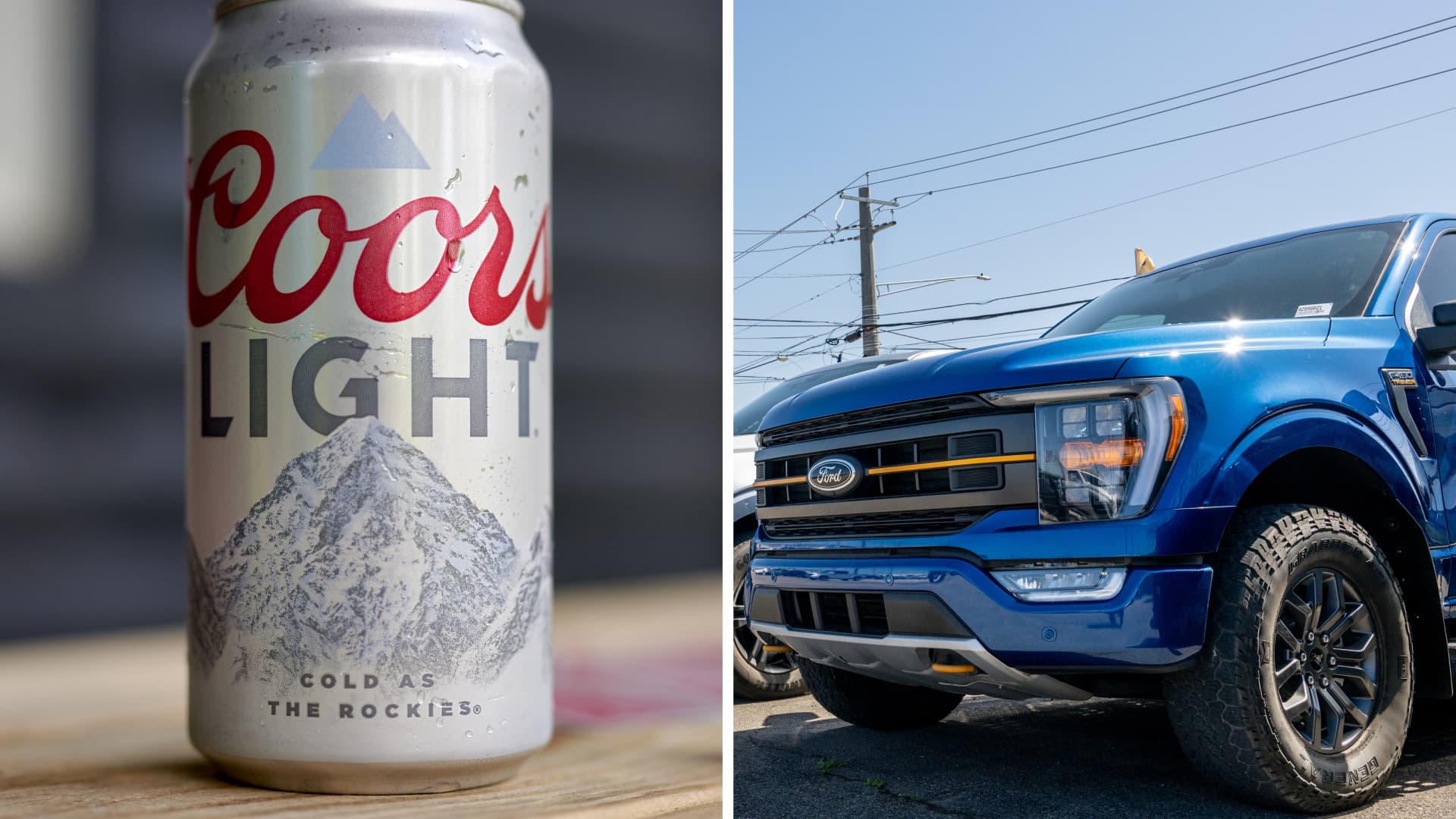
- Aluminum Price Surge: Since the U.S.-Israeli strikes on Iran on February 28, aluminum prices on the London Metal Exchange have surged over 13%, with a year-to-date increase of approximately 19% in 2026, creating cost pressures for manufacturers of cars and beer cans.
- Ford's Uncertain Outlook: Ford's CFO indicated that the surge in aluminum prices is leading the company to expect commodity cost pressures to exceed $2 billion, nearly double previous estimates, highlighting the impact of the Middle East situation on automotive manufacturing.
- Molson Coors Cost Increase: Molson Coors' CFO disclosed that rising aluminum prices added around $30 million to the cost of goods sold in the first quarter, with expectations of continued inflationary pressures in the current quarter.
- Bleak Market Outlook: UBS forecasts aluminum supply growth of only 0.3% in 2026, significantly down from a prior estimate of 2.4%, indicating ongoing impacts from the Middle East situation on the aluminum supply chain, with prices also driven by rising natural gas and coal costs.

Aluminum Price Surge Impacts Business Costs

- Aluminum Price Surge: Since the onset of the U.S.-Iran war, aluminum prices on the London Metal Exchange have surged over 13%, with a year-to-date increase of approximately 19% in 2026, significantly impacting manufacturing costs for industries ranging from automotive to beverage cans.
- Ford's Cost Warning: Ford's CFO indicated that the soaring aluminum prices are clouding the outlook for its F-150 production, with commodity cost pressures expected to exceed $2 billion in 2026, nearly double previous estimates, highlighting the volatility in the market.
- Molson Coors Cost Increase: The CFO of Molson Coors reported that rising aluminum prices added around $30 million to the cost of goods sold in the first quarter, with expectations of further inflation in the current quarter, which could adversely affect profit margins.
- Supply Growth Slowdown: UBS forecasts that aluminum supply will grow only 0.3% in 2026, down from a prior estimate of 2.4%, primarily due to disruptions in the Middle East and limited capacity increases in Europe, exacerbating market tensions.
Rising Gas Prices Impact Consumer Sentiment
- Impact on Spending: According to AAA, the national average gas price has surpassed $4.40 per gallon, making it cost over $100 to fill the 23-gallon tank of the Ford F-150, which is a 50% increase from the pre-war price of $2.98, directly affecting consumer spending habits.
- Declining Consumer Sentiment: A CNBC poll revealed that 80% of respondents indicated that rising gas prices are altering their spending patterns, with 60% cutting back on entertainment and over half planning to travel less, highlighting a rapid decline in consumer confidence.
- Economic Growth Slowdown: The latest GDP estimate shows a 2% growth in Q1, but with consumer spending slowing down, business investment growth has offset this decline, indicating that the full impact of rising fuel prices on the economy is yet to be realized.
- Divergent Market Performance: While energy stocks have risen 31% year-to-date, many consumer discretionary stocks, such as McDonald's and Domino's Pizza, have declined over the past month, illustrating that the negative effects of high gas prices on consumer spending are becoming more pronounced, warranting close investor attention.

Rising Gas Prices Impact Consumer Spending and Sentiment
- Impact on Consumer Spending: The national average gas price has surpassed $4.40 per gallon, resulting in over $100 to fill the 23-gallon tank of the Ford F-150, a 50% increase from the pre-war price of $2.98, which is likely to suppress consumer spending and hinder economic growth.
- Decline in Consumer Sentiment: A CNBC poll revealed that 80% of respondents indicated that rising gas prices are altering their spending habits, with 60% cutting back on entertainment and over half planning to travel less, highlighting the significant impact of high gas prices on consumer lifestyles.
- Economic Growth Slowdown: Although the first quarter GDP growth was 2%, slightly below historical rates, a surge in business investment offset the slowdown in consumer spending, indicating that the full negative impact of rising gas prices on the economy has yet to be realized.
- Mixed Market Reactions: Energy stocks have risen 31% year-to-date, while many consumer discretionary stocks, such as McDonald's and Domino's Pizza, have declined over the past month, demonstrating the varying effects of high gas prices across different sectors, prompting investors to closely monitor this trend.
Ford Partners with Work Truck Solutions to Enhance Commercial Vehicle Center
- New Package Launch: Ford Pro's Commercial Vehicle Center mandates all dealers in the 2026 CVC Program to maintain an active Work Truck Solutions subscription, introducing three new packages (Good, Better, Best) to equip dealers with essential tools for success in a competitive market.
- Market Demand Response: These new packages are designed to meet the complex demands of business customers for efficiency, speed, and precision, helping dealers enhance customer experience and maintain competitiveness in a rapidly changing market.
- Value of Specialized Tools: Work Truck Solutions, as a trusted vendor for Ford, leverages its proven track record in work-ready vehicles to transform chassis data, body specifications, and vocational requirements into marketable listings, further driving market leadership for CVC dealers.
- Flexible Package Options: CVC dealers can select the most suitable package based on their commercial development stage and strategic goals, with existing subscribers having the flexibility to adjust their plans as their needs evolve throughout the year.
U.S. Hybrid Vehicle Sales Surge 37% Amid Rising Gas Prices
- Hybrid Sales Surge: U.S. hybrid vehicle sales increased by 37% in the two months following the onset of the Iran war, significantly outpacing the overall car market's 15% growth, indicating a strong consumer shift towards fuel-efficient vehicles amid rising gas prices.
- Weak EV Demand: Despite gasoline prices topping $4 per gallon in late April, electric vehicle sales only rose by 11%, reflecting a lack of consumer interest and a significant drop compared to last year, largely due to the expiration of a $7,500 federal tax credit.
- Shifting Consumer Preferences: Data shows that hybrid vehicle searches on CarGurus rose from 12% to 14% in April, while EV searches increased from 3.4% to 5%, highlighting a growing consumer focus on economical hybrid options in a high fuel price environment.
- Toyota's Hybrid Advantage: Toyota's electrified sales in the U.S. grew by 34% in the two months since the conflict began, primarily driven by the popularity of hybrids, which reflects the company's strong market performance, with overall sales increasing by 23%.
Surge in Aluminum Prices Significantly Impacts Business Costs
- Aluminum Price Surge: Since the U.S.-Israeli strikes on Iran on February 28, aluminum prices on the London Metal Exchange have surged over 13%, with a year-to-date increase of approximately 19% in 2026, creating cost pressures for manufacturers of cars and beer cans.
- Ford's Uncertain Outlook: Ford's CFO indicated that the surge in aluminum prices is leading the company to expect commodity cost pressures to exceed $2 billion, nearly double previous estimates, highlighting the impact of the Middle East situation on automotive manufacturing.
- Molson Coors Cost Increase: Molson Coors' CFO disclosed that rising aluminum prices added around $30 million to the cost of goods sold in the first quarter, with expectations of continued inflationary pressures in the current quarter.
- Bleak Market Outlook: UBS forecasts aluminum supply growth of only 0.3% in 2026, significantly down from a prior estimate of 2.4%, indicating ongoing impacts from the Middle East situation on the aluminum supply chain, with prices also driven by rising natural gas and coal costs.
Aluminum Price Surge Impacts Business Costs
- Aluminum Price Surge: Since the onset of the U.S.-Iran war, aluminum prices on the London Metal Exchange have surged over 13%, with a year-to-date increase of approximately 19% in 2026, significantly impacting manufacturing costs for industries ranging from automotive to beverage cans.
- Ford's Cost Warning: Ford's CFO indicated that the soaring aluminum prices are clouding the outlook for its F-150 production, with commodity cost pressures expected to exceed $2 billion in 2026, nearly double previous estimates, highlighting the volatility in the market.
- Molson Coors Cost Increase: The CFO of Molson Coors reported that rising aluminum prices added around $30 million to the cost of goods sold in the first quarter, with expectations of further inflation in the current quarter, which could adversely affect profit margins.
- Supply Growth Slowdown: UBS forecasts that aluminum supply will grow only 0.3% in 2026, down from a prior estimate of 2.4%, primarily due to disruptions in the Middle East and limited capacity increases in Europe, exacerbating market tensions.
Rising Gas Prices Impact Consumer Sentiment
- Impact on Spending: According to AAA, the national average gas price has surpassed $4.40 per gallon, making it cost over $100 to fill the 23-gallon tank of the Ford F-150, which is a 50% increase from the pre-war price of $2.98, directly affecting consumer spending habits.
- Declining Consumer Sentiment: A CNBC poll revealed that 80% of respondents indicated that rising gas prices are altering their spending patterns, with 60% cutting back on entertainment and over half planning to travel less, highlighting a rapid decline in consumer confidence.
- Economic Growth Slowdown: The latest GDP estimate shows a 2% growth in Q1, but with consumer spending slowing down, business investment growth has offset this decline, indicating that the full impact of rising fuel prices on the economy is yet to be realized.
- Divergent Market Performance: While energy stocks have risen 31% year-to-date, many consumer discretionary stocks, such as McDonald's and Domino's Pizza, have declined over the past month, illustrating that the negative effects of high gas prices on consumer spending are becoming more pronounced, warranting close investor attention.
Rising Gas Prices Impact Consumer Spending and Sentiment
- Impact on Consumer Spending: The national average gas price has surpassed $4.40 per gallon, resulting in over $100 to fill the 23-gallon tank of the Ford F-150, a 50% increase from the pre-war price of $2.98, which is likely to suppress consumer spending and hinder economic growth.
- Decline in Consumer Sentiment: A CNBC poll revealed that 80% of respondents indicated that rising gas prices are altering their spending habits, with 60% cutting back on entertainment and over half planning to travel less, highlighting the significant impact of high gas prices on consumer lifestyles.
- Economic Growth Slowdown: Although the first quarter GDP growth was 2%, slightly below historical rates, a surge in business investment offset the slowdown in consumer spending, indicating that the full negative impact of rising gas prices on the economy has yet to be realized.
- Mixed Market Reactions: Energy stocks have risen 31% year-to-date, while many consumer discretionary stocks, such as McDonald's and Domino's Pizza, have declined over the past month, demonstrating the varying effects of high gas prices across different sectors, prompting investors to closely monitor this trend.
Ford Partners with Work Truck Solutions to Enhance Commercial Vehicle Center
- New Package Launch: Ford Pro's Commercial Vehicle Center mandates all dealers in the 2026 CVC Program to maintain an active Work Truck Solutions subscription, introducing three new packages (Good, Better, Best) to equip dealers with essential tools for success in a competitive market.
- Market Demand Response: These new packages are designed to meet the complex demands of business customers for efficiency, speed, and precision, helping dealers enhance customer experience and maintain competitiveness in a rapidly changing market.
- Value of Specialized Tools: Work Truck Solutions, as a trusted vendor for Ford, leverages its proven track record in work-ready vehicles to transform chassis data, body specifications, and vocational requirements into marketable listings, further driving market leadership for CVC dealers.
- Flexible Package Options: CVC dealers can select the most suitable package based on their commercial development stage and strategic goals, with existing subscribers having the flexibility to adjust their plans as their needs evolve throughout the year.