FIRE REPORTED AT VALERO REFINERY IN PORT ARTHUR, TEXAS - LOCAL NEWS SOURCES
Written by Emily J. Thompson, Senior Investment Analyst
Updated: 3 days ago
0mins
Should l Buy VLO?
Source: moomoo
- Fire Incident Reported: A fire has been reported at Valero's refinery located in Arthur, Texas, prompting local media coverage.
- Local Response: Emergency services and local authorities are likely involved in managing the situation and ensuring public safety.
Trade with 70% Backtested Accuracy
Stop guessing "Should I Buy VLO?" and start using high-conviction signals backed by rigorous historical data.
Sign up today to access powerful investing tools and make smarter, data-driven decisions.
Analyst Views on VLO
Wall Street analysts forecast VLO stock price to fall
17 Analyst Rating
11 Buy
6 Hold
0 Sell
Moderate Buy
Current: 248.140

Low
149.00
Averages
186.56
High
223.00
Current: 248.140
Low
149.00
Averages
186.56
High
223.00
About VLO
Valero Energy Corporation, through its subsidiaries, is a multinational manufacturer and marketer of petroleum-based and low-carbon liquid transportation fuels and petrochemical products. The Company sells its products primarily in the United States, Canada, the United Kingdom, Ireland and Latin America. Its segments include Refining, Renewable Diesel, and Ethanol. The Refining segment includes the operations of its petroleum refineries, the associated activities to market its refined petroleum products, and the logistics assets that support its refining operations. The Renewable Diesel segment represents the operations of Diamond Green Diesel (DGD), and the associated activities to market renewable diesel, renewable naphtha, and neat SAF. The Ethanol segment includes the operations of its ethanol plants and the associated activities to market its ethanol and co-products. It owns 15 petroleum refineries located in the United States, Canada and the United Kingdom.
About the author

Emily J. Thompson
Emily J. Thompson, a Chartered Financial Analyst (CFA) with 12 years in investment research, graduated with honors from the Wharton School. Specializing in industrial and technology stocks, she provides in-depth analysis for Intellectia’s earnings and market brief reports.
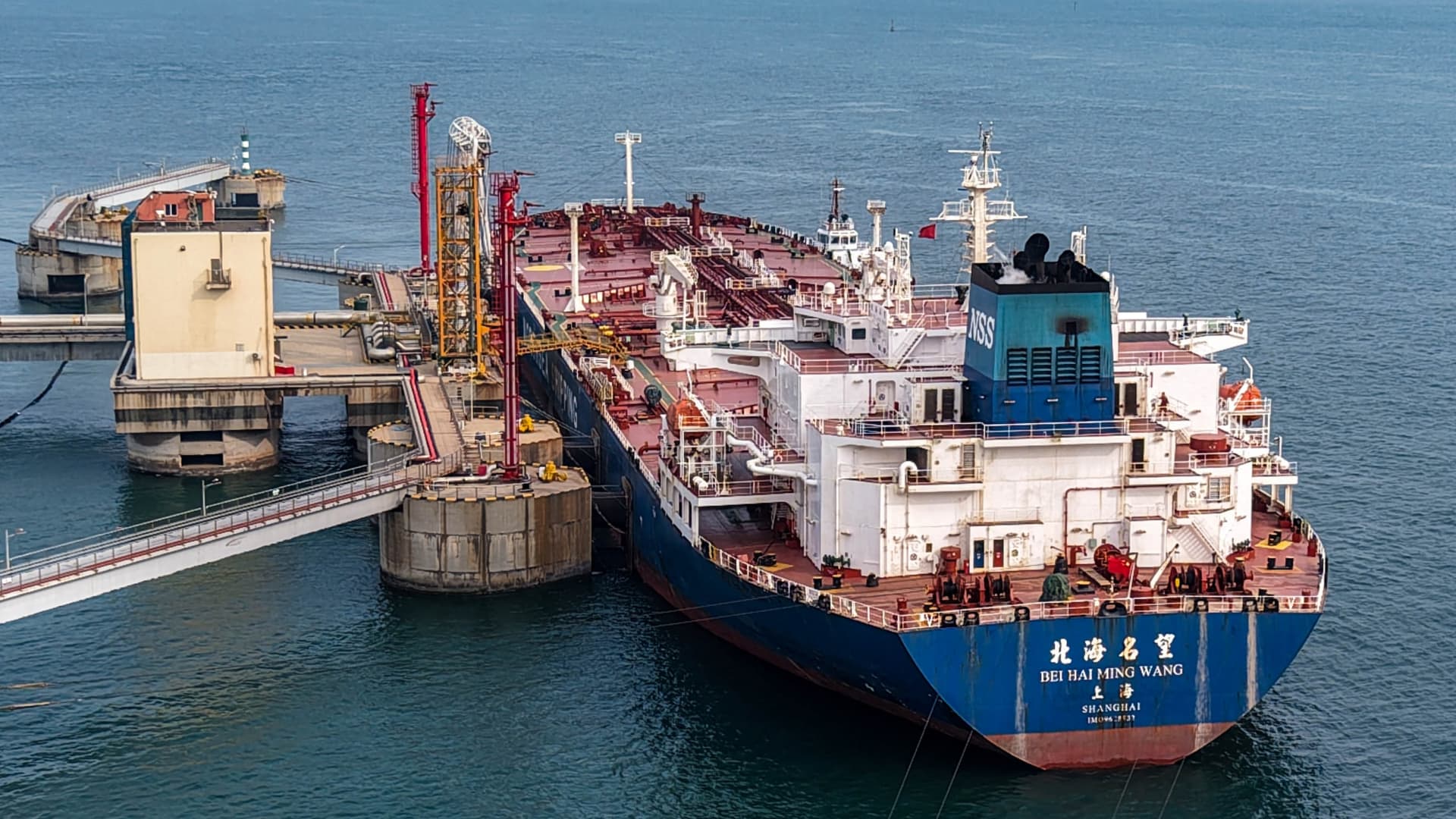
China's Industrial Profits Surge 15.2% Amid Economic Recovery


- Industrial Profit Recovery: According to the National Bureau of Statistics, China's industrial profits surged 15.2% year-on-year in January-February 2026, continuing the strong rebound from a 5.3% increase in December 2025, indicating significant improvement in corporate profitability amid government efforts to address industrial overcapacity and weak consumer demand.
- Annual Profit Growth: In 2025, China's industrial profits rose by 0.6% year-on-year, ending three consecutive years of decline, reflecting the effectiveness of government measures to curb aggressive price competition and boost exports, thereby enhancing corporate market confidence.
- Energy Price Adjustments: In response to disruptions in oil shipments from the Middle East, the Chinese government raised retail gasoline and diesel prices earlier this week, although the increase was moderated to about half of the normal level to cushion the impact on consumers, demonstrating a cautious approach amid global energy market volatility.
- Market Resilience: Despite soaring global oil prices, China's massive oil reserves and alternative energy sources are expected to mitigate the impact less than in other countries, indicating the resilience and adaptability of the Chinese economy in facing external shocks.
See More
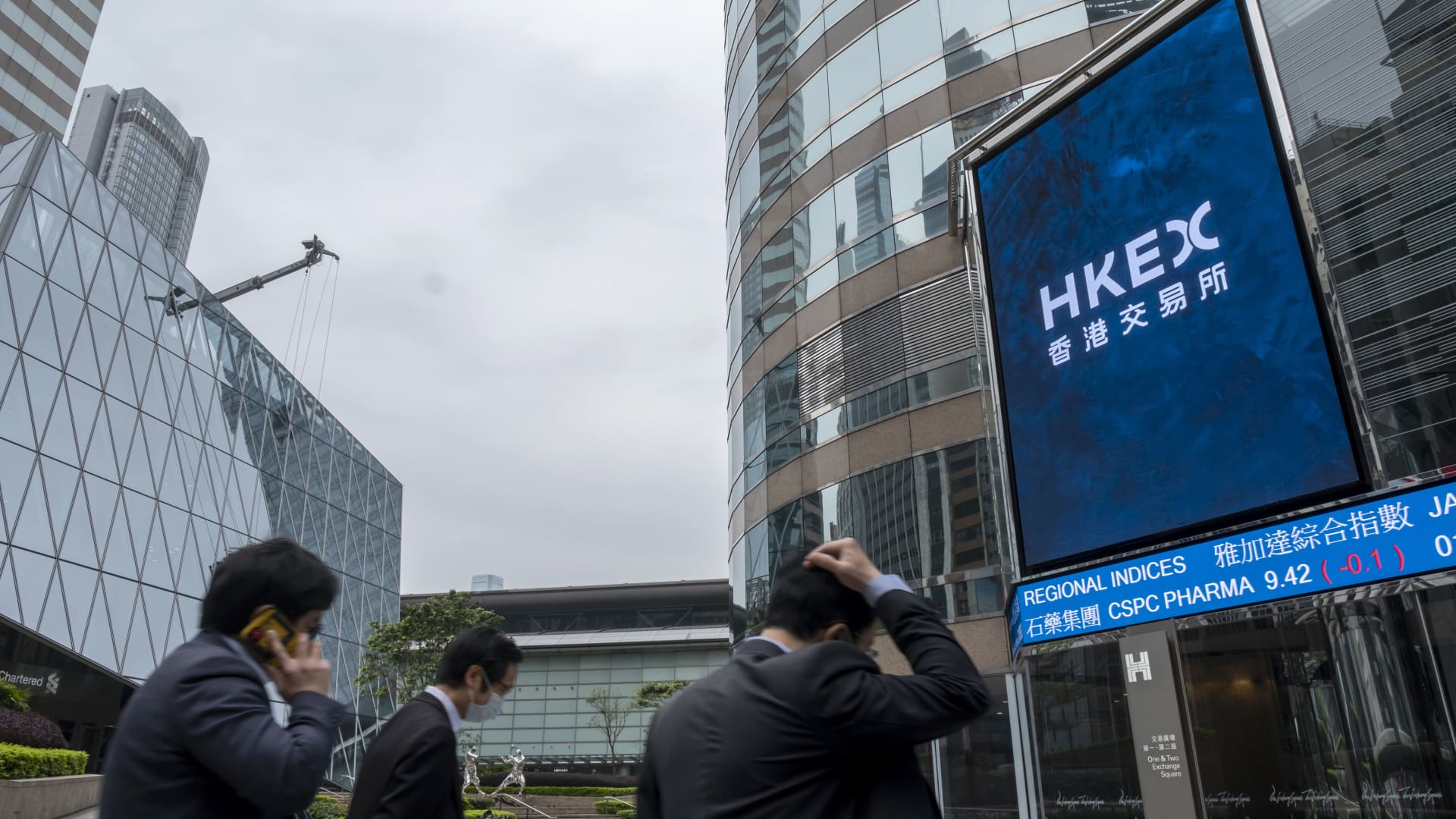
Asia-Pacific Markets Decline Amid Uncertainty Over Middle East Peace Talks

- Market Volatility: Asia-Pacific markets fell broadly on Friday following a volatile session on Wall Street, with South Korea's Kospi index dropping 3.6%, reflecting investor anxiety over the uncertain situation in the Middle East.
- Oil Price Decline: Oil prices fell as tensions in the Middle East eased, with West Texas Intermediate dropping 1.8% to $92.82 per barrel, indicating a more optimistic outlook on future supply.
- U.S. Futures Rise: Despite major indexes closing lower on Thursday, with the S&P 500 down 1.7%, Dow Jones Industrial Average futures rose by 175 points, or 0.4%, showing market response to the decline in oil prices.
- China's Industrial Profit Data: China is set to release industrial profit figures for the first two months of 2026 on Friday, which will provide early insights into the financial health of the manufacturing sector amid intense competition and sluggish demand.
See More

U.S. Stocks Plummet Amid Rising Oil Prices and Iran Negotiation Concerns


- Nasdaq Index Plunge: The Nasdaq 100 experienced its worst one-day drop since October, while the S&P 500 and Nasdaq Composite recorded their worst performance since January 20, indicating heightened market concerns over economic outlook.
- Sector Performance Divergence: Tech stocks have fallen 15.5% from their October highs, whereas the energy sector has risen 10.5% since the onset of the Iran conflict, suggesting a potential reevaluation of asset allocation by investors based on sector resilience.
- Oversold Stocks: Only five stocks in the Nasdaq 100 are considered 'oversold' with an RSI of 30, indicating a bearish market sentiment that may lead to selling pressure, particularly affecting well-known companies like Microsoft and Disney.
- Cruise Line Performance Decline: Carnival Cruise Line's shares have dropped 17.6% over the past three months and 25% since the February 6 high, reflecting a sluggish recovery in the travel industry that could undermine future investor confidence.
See More

US Stocks Plunge Amid Soaring Oil Prices


- Market Weakness: The S&P 500 index fell by 1.74%, the Dow Jones Industrial Average dropped by 1.01%, and the Nasdaq 100 hit a 6.5-month low, reflecting investor concerns about future economic prospects amid rising oil prices.
- Surging Oil Prices: WTI crude oil prices surged over 4% due to reports of potential military action against Iran by the Pentagon, which heightened inflation expectations and increased pressure on the stock market.
- Strong Labor Market Data: Initial jobless claims rose by 5,000 to 210,000, in line with expectations, while continuing claims fell by 32,000 to a 1.75-year low of 1.819 million, indicating labor market strength that could influence Federal Reserve policy.
- International Economic Impact: The OECD raised its G-20 inflation forecast for 2026 to 4.0%, reflecting the potential global economic impact of the Iran war, with increasing market concerns about escalating tensions in the Middle East that could disrupt global supply chains.
See More
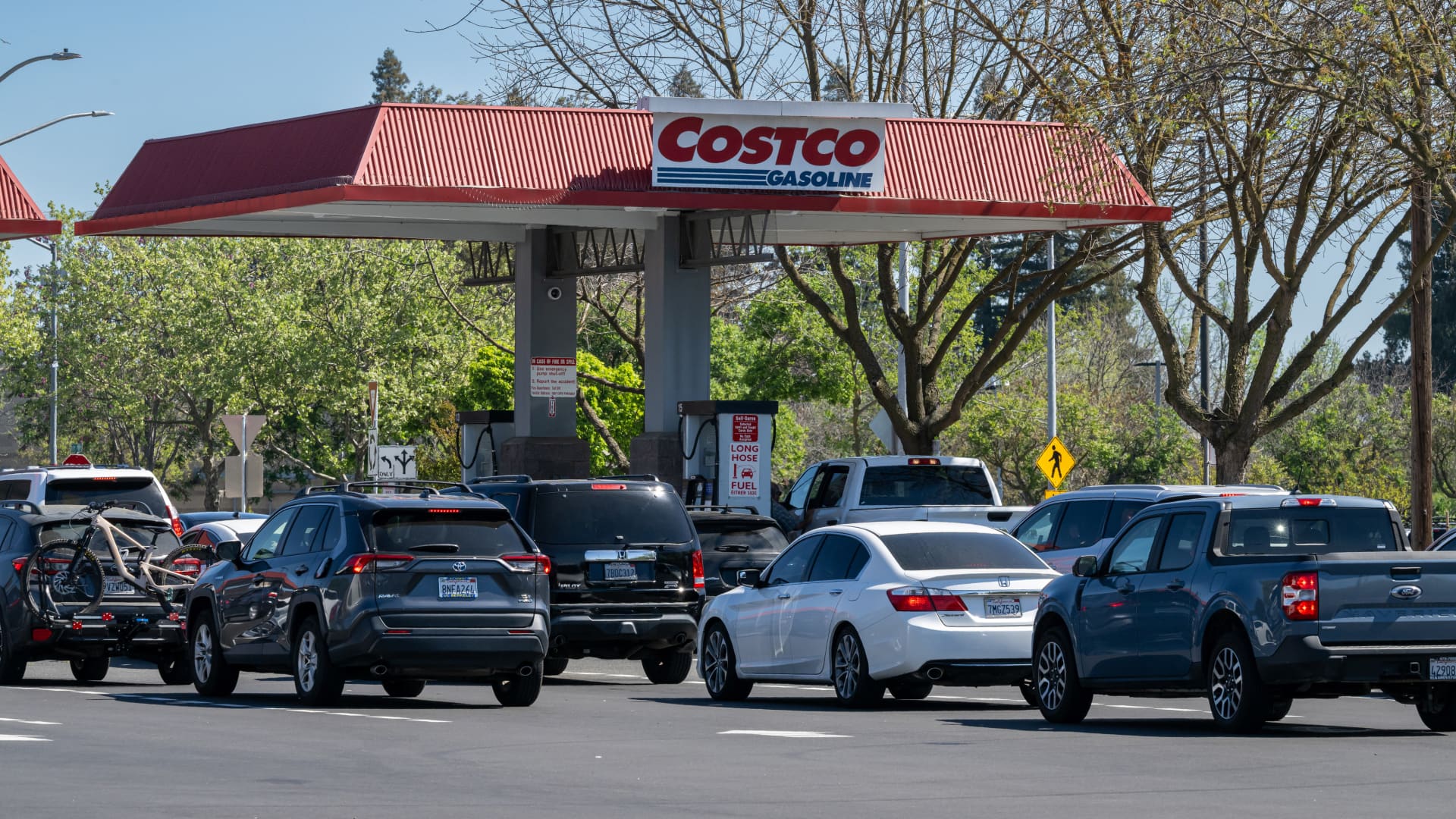
Costco Builds First Standalone Members-Only Gas Station
- New Business Expansion: Costco is constructing its first standalone members-only gas station in Mission Viejo, California, covering approximately 17,000 square feet with 40 pumps, aimed at attracting more customers and enhancing membership loyalty.
- Market Response Expectations: Analysts believe the new gas stations could stimulate membership growth, particularly against the backdrop of soaring oil prices, highlighting significant potential to attract new members.
- Sales Data Analysis: Currently, Costco operates around 750 gas stations, selling over 8 billion gallons annually, with projections indicating that gas sales could account for 10% of net sales by 2025, showcasing its strong appeal during high gas price periods.
- Strategic Significance: Although gas operations yield low margins, Costco reinforces its value proposition by offering lower prices (20 to 30 cents cheaper per gallon), which could enhance long-term member loyalty.
See More
Iran Conflict Drives Up Oil Prices, Threatens Tax Refunds

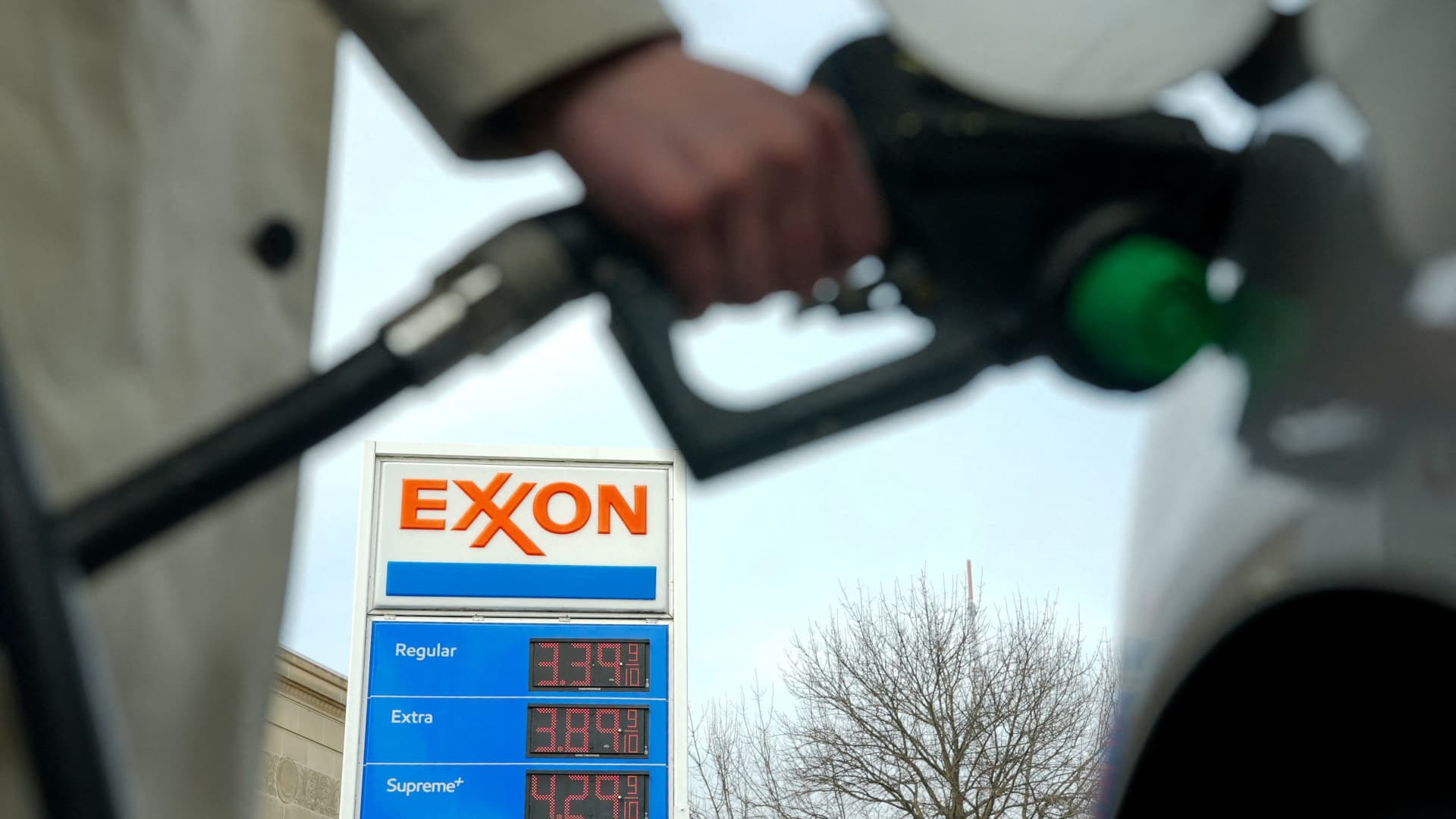
- Surging Oil Prices: The ongoing Iran conflict has stalled traffic through the Strait of Hormuz, pushing the national average gasoline price to $3.98 per gallon as of March 13, reflecting a 33% increase from the previous month, which directly impacts consumer spending capacity.
- Tax Refund Implications: According to the latest IRS data, the average tax refund for individual filers stands at $3,623, approximately $350 higher than last year; however, rising gas prices threaten to offset these gains, particularly if the conflict persists.
- Economic Forecasts: An analysis from the Stanford Institute for Economic Policy Research indicates that if the Strait of Hormuz were to close for three weeks and crude oil prices rise to $110 per barrel, retail gasoline prices could peak at $4.36 per gallon in May, potentially wiping out most tax refunds for average households.
- Consumer Spending Pressure: Oxford Economics estimates that if gas prices average $3.60 per gallon in 2026, consumer spending on fuel could nearly negate the economic boost from tax refunds, significantly affecting low-income households who have the least financial cushion.
See More
China's Industrial Profits Surge 15.2% Amid Economic Recovery
- Industrial Profit Recovery: According to the National Bureau of Statistics, China's industrial profits surged 15.2% year-on-year in January-February 2026, continuing the strong rebound from a 5.3% increase in December 2025, indicating significant improvement in corporate profitability amid government efforts to address industrial overcapacity and weak consumer demand.
- Annual Profit Growth: In 2025, China's industrial profits rose by 0.6% year-on-year, ending three consecutive years of decline, reflecting the effectiveness of government measures to curb aggressive price competition and boost exports, thereby enhancing corporate market confidence.
- Energy Price Adjustments: In response to disruptions in oil shipments from the Middle East, the Chinese government raised retail gasoline and diesel prices earlier this week, although the increase was moderated to about half of the normal level to cushion the impact on consumers, demonstrating a cautious approach amid global energy market volatility.
- Market Resilience: Despite soaring global oil prices, China's massive oil reserves and alternative energy sources are expected to mitigate the impact less than in other countries, indicating the resilience and adaptability of the Chinese economy in facing external shocks.
See More
Asia-Pacific Markets Decline Amid Uncertainty Over Middle East Peace Talks
- Market Volatility: Asia-Pacific markets fell broadly on Friday following a volatile session on Wall Street, with South Korea's Kospi index dropping 3.6%, reflecting investor anxiety over the uncertain situation in the Middle East.
- Oil Price Decline: Oil prices fell as tensions in the Middle East eased, with West Texas Intermediate dropping 1.8% to $92.82 per barrel, indicating a more optimistic outlook on future supply.
- U.S. Futures Rise: Despite major indexes closing lower on Thursday, with the S&P 500 down 1.7%, Dow Jones Industrial Average futures rose by 175 points, or 0.4%, showing market response to the decline in oil prices.
- China's Industrial Profit Data: China is set to release industrial profit figures for the first two months of 2026 on Friday, which will provide early insights into the financial health of the manufacturing sector amid intense competition and sluggish demand.
See More
U.S. Stocks Plummet Amid Rising Oil Prices and Iran Negotiation Concerns
- Nasdaq Index Plunge: The Nasdaq 100 experienced its worst one-day drop since October, while the S&P 500 and Nasdaq Composite recorded their worst performance since January 20, indicating heightened market concerns over economic outlook.
- Sector Performance Divergence: Tech stocks have fallen 15.5% from their October highs, whereas the energy sector has risen 10.5% since the onset of the Iran conflict, suggesting a potential reevaluation of asset allocation by investors based on sector resilience.
- Oversold Stocks: Only five stocks in the Nasdaq 100 are considered 'oversold' with an RSI of 30, indicating a bearish market sentiment that may lead to selling pressure, particularly affecting well-known companies like Microsoft and Disney.
- Cruise Line Performance Decline: Carnival Cruise Line's shares have dropped 17.6% over the past three months and 25% since the February 6 high, reflecting a sluggish recovery in the travel industry that could undermine future investor confidence.
See More
US Stocks Plunge Amid Soaring Oil Prices
- Market Weakness: The S&P 500 index fell by 1.74%, the Dow Jones Industrial Average dropped by 1.01%, and the Nasdaq 100 hit a 6.5-month low, reflecting investor concerns about future economic prospects amid rising oil prices.
- Surging Oil Prices: WTI crude oil prices surged over 4% due to reports of potential military action against Iran by the Pentagon, which heightened inflation expectations and increased pressure on the stock market.
- Strong Labor Market Data: Initial jobless claims rose by 5,000 to 210,000, in line with expectations, while continuing claims fell by 32,000 to a 1.75-year low of 1.819 million, indicating labor market strength that could influence Federal Reserve policy.
- International Economic Impact: The OECD raised its G-20 inflation forecast for 2026 to 4.0%, reflecting the potential global economic impact of the Iran war, with increasing market concerns about escalating tensions in the Middle East that could disrupt global supply chains.
See More
Costco Builds First Standalone Members-Only Gas Station
- New Business Expansion: Costco is constructing its first standalone members-only gas station in Mission Viejo, California, covering approximately 17,000 square feet with 40 pumps, aimed at attracting more customers and enhancing membership loyalty.
- Market Response Expectations: Analysts believe the new gas stations could stimulate membership growth, particularly against the backdrop of soaring oil prices, highlighting significant potential to attract new members.
- Sales Data Analysis: Currently, Costco operates around 750 gas stations, selling over 8 billion gallons annually, with projections indicating that gas sales could account for 10% of net sales by 2025, showcasing its strong appeal during high gas price periods.
- Strategic Significance: Although gas operations yield low margins, Costco reinforces its value proposition by offering lower prices (20 to 30 cents cheaper per gallon), which could enhance long-term member loyalty.
See More
Iran Conflict Drives Up Oil Prices, Threatens Tax Refunds
- Surging Oil Prices: The ongoing Iran conflict has stalled traffic through the Strait of Hormuz, pushing the national average gasoline price to $3.98 per gallon as of March 13, reflecting a 33% increase from the previous month, which directly impacts consumer spending capacity.
- Tax Refund Implications: According to the latest IRS data, the average tax refund for individual filers stands at $3,623, approximately $350 higher than last year; however, rising gas prices threaten to offset these gains, particularly if the conflict persists.
- Economic Forecasts: An analysis from the Stanford Institute for Economic Policy Research indicates that if the Strait of Hormuz were to close for three weeks and crude oil prices rise to $110 per barrel, retail gasoline prices could peak at $4.36 per gallon in May, potentially wiping out most tax refunds for average households.
- Consumer Spending Pressure: Oxford Economics estimates that if gas prices average $3.60 per gallon in 2026, consumer spending on fuel could nearly negate the economic boost from tax refunds, significantly affecting low-income households who have the least financial cushion.
See More