Exxon Mobil Shares Down $1.21 to $155.01
Written by Emily J. Thompson, Senior Investment Analyst
Updated: 2 days ago
0mins
Should l Buy XOM?
Mixed options sentiment in Exxon Mobil (XOM), with shares down $1.21 near $155.01. Options volume roughly in line with average with 126k contracts traded and calls leading puts for a put/call ratio of 0.44, compared to a typical level near 0.56. Implied volatility (IV30) dropped 1.5 near 31.5,in the top quartile of the past year, suggesting an expected daily move of $3.08. Put-call skew flattened, suggesting a modestly bullish tone.
Trade with 70% Backtested Accuracy
Stop guessing "Should I Buy XOM?" and start using high-conviction signals backed by rigorous historical data.
Sign up today to access powerful investing tools and make smarter, data-driven decisions.
Analyst Views on XOM
Wall Street analysts forecast XOM stock price to fall
19 Analyst Rating
12 Buy
7 Hold
0 Sell
Moderate Buy
Current: 155.040

Low
114.00
Averages
132.17
High
158.00
Current: 155.040
Low
114.00
Averages
132.17
High
158.00
About XOM
Exxon Mobil Corporation is an energy provider and chemical manufacturer. The Company’s principal business involves exploration for, and production of, crude oil and natural gas; the manufacture, trade, transport and sale of crude oil, natural gas, petroleum products, petrochemicals and a wide variety of specialty products; and pursuit of lower-emission and other new business opportunities, including carbon capture and storage, hydrogen, lower-emission fuels, Proxxima systems, carbon materials, and lithium. Its Upstream segment explores for and produces crude oil and natural gas. The Energy Products, Chemical Products, and Specialty Products segments manufacture and sell petroleum products and petrochemicals. Energy Products segment includes fuels, aromatics, and catalysts and licensing. Chemical Products segment consists of olefins, polyolefins, and intermediates. Specialty Products segment includes finished lubricants, basestocks and waxes, synthetics, and elastomers and resins.
About the author

Emily J. Thompson
Emily J. Thompson, a Chartered Financial Analyst (CFA) with 12 years in investment research, graduated with honors from the Wharton School. Specializing in industrial and technology stocks, she provides in-depth analysis for Intellectia’s earnings and market brief reports.

ExxonMobil: Investment Opportunities in Energy Cycles

- Energy Price Volatility: The geopolitical conflict in the Middle East is driving oil and gas prices higher, yet such market fluctuations are common in the energy sector, prompting investors to be cautious when selecting oil stocks to mitigate future price declines.
- Strong Financial Foundation: ExxonMobil boasts a debt-to-equity ratio of approximately 0.19, significantly lower than its peers, demonstrating immense financial flexibility that allows it to support its business and dividends during downturns in oil prices.
- Long-Term Investment Value: With 43 consecutive years of dividend increases, ExxonMobil showcases its success and reliability in a volatile industry, attracting long-term investors who value its ability to withstand falling energy prices.
- Investment Opportunities in Downturns: During industry downturns, ExxonMobil can leverage its robust financial position to invest in undervalued energy assets or companies, transforming industry challenges into potential investment opportunities for shareholders.
See More

US and Iran Reach Two-Week Ceasefire Agreement


- Ceasefire Agreement: The U.S. and Iran have reached a two-week ceasefire after weeks of intense bombing, providing a fragile but hopeful basis for broader negotiations, potentially stabilizing the market for investors in the short term.
- Airline Sector Outlook: Delta Air Lines anticipates a $2 billion increase in fuel costs this quarter due to soaring oil prices, yet if the ceasefire holds, fuel costs may decrease, improving its second-quarter performance and boosting market confidence.
- Tech Stock Buying Opportunity: Microsoft, having faced its worst quarter since 2008 with a 20% stock drop, presents a buying opportunity as market sentiment improves, especially with its AI business expected to drive future revenue growth despite current challenges.
- Long-Term Value in Oil Stocks: ExxonMobil's stock has dropped due to lower oil prices but remains up 26% this year, demonstrating resilience through debt reduction and profitable investments, making it a suitable long-term hold in uncertain markets.
See More

Investment Opportunities Arising from US-Iran Ceasefire
- Ceasefire Progress: The U.S. and Iran have reached a two-week ceasefire, which, despite its fragility, indicates both parties' desire for a broader agreement, potentially providing market stability for investors.
- Airline Sector Outlook: Delta Air Lines expects an additional $2 billion in fuel costs this quarter due to soaring oil prices; however, demand remains robust, with projected fuel costs of $4.30 per gallon in Q2, which could enhance financial performance.
- Tech Stock Challenges: Microsoft has faced its worst quarter since 2008, with a 20% stock decline amid concerns over the Middle East situation and AI investment returns, yet its cloud services and other segments still hold growth potential.
- Oil Investment Opportunities: ExxonMobil's stock fell post-ceasefire but is up 26% this year, demonstrating strong financial health through debt reduction and investments in profitable oil fields, with a dividend yield of 2.67%.
See More

Tensions Rise in Strait of Hormuz Amid U.S.-Iran Talks

- Military Confrontation Escalates: The U.S. Navy's deployment of two destroyers through the Strait of Hormuz to challenge Iran's 'toll booth' control prompted a final warning from the IRGC, highlighting the fragility of global energy security.
- Freedom of Navigation Dispute: This naval incident underscores the core issue of the Islamabad summit regarding the reopening of a waterway that carries approximately 20% of the world's liquid energy, despite Centcom framing the transit as a rejection of Iran's blockade.
- Complex Negotiation Background: During several hours of talks with Iranian Parliament Speaker, no immediate breakthroughs were reported, but extending the two-week ceasefire appears contingent on reopening the Strait, with Iran seeking sanctions relief and the release of frozen assets.
- Balancing Economic and Security Needs: The U.S. delegation must navigate the immediate economic need for lower oil prices against long-standing demands for permanent restrictions on Iran's nuclear ambitions, even as substantive agreements on nuclear issues remain a 'long shot.'
See More

Amazon Upgraded as AI Enthusiasm Returns; Netflix Downgraded Ahead of Q1 Earnings

- Amazon Upgrade: Agar Capital upgraded Amazon (AMZN) from Hold to Buy, citing improved cash flow visibility from AWS, advertising, and retail segments, with AI infrastructure and same-day delivery expansion reinforcing its competitive position.
- Southwest Airlines Outlook: Despite headwinds from rising oil prices and inflation, analyst Dhierin Bechai upgraded Southwest Airlines (LUV) from Hold to Buy, believing that strategic cost management and potential fare increases can offset these pressures and deliver meaningful upside.
- Exxon Mobil Downgrade: Asian Value Investor downgraded Exxon Mobil (XOM) from Buy to Hold, noting that current valuation fully reflects geopolitical risks, with technical indicators showing overbought conditions and limited appreciation potential.
- Netflix Caution: Vinay Utham, CFA, downgraded Netflix (NFLX) from Buy to Hold, viewing the stock as fairly valued ahead of Q1 earnings, with current levels pricing in ad-revenue growth expectations and leaving no cushion for potential disappointments.
See More
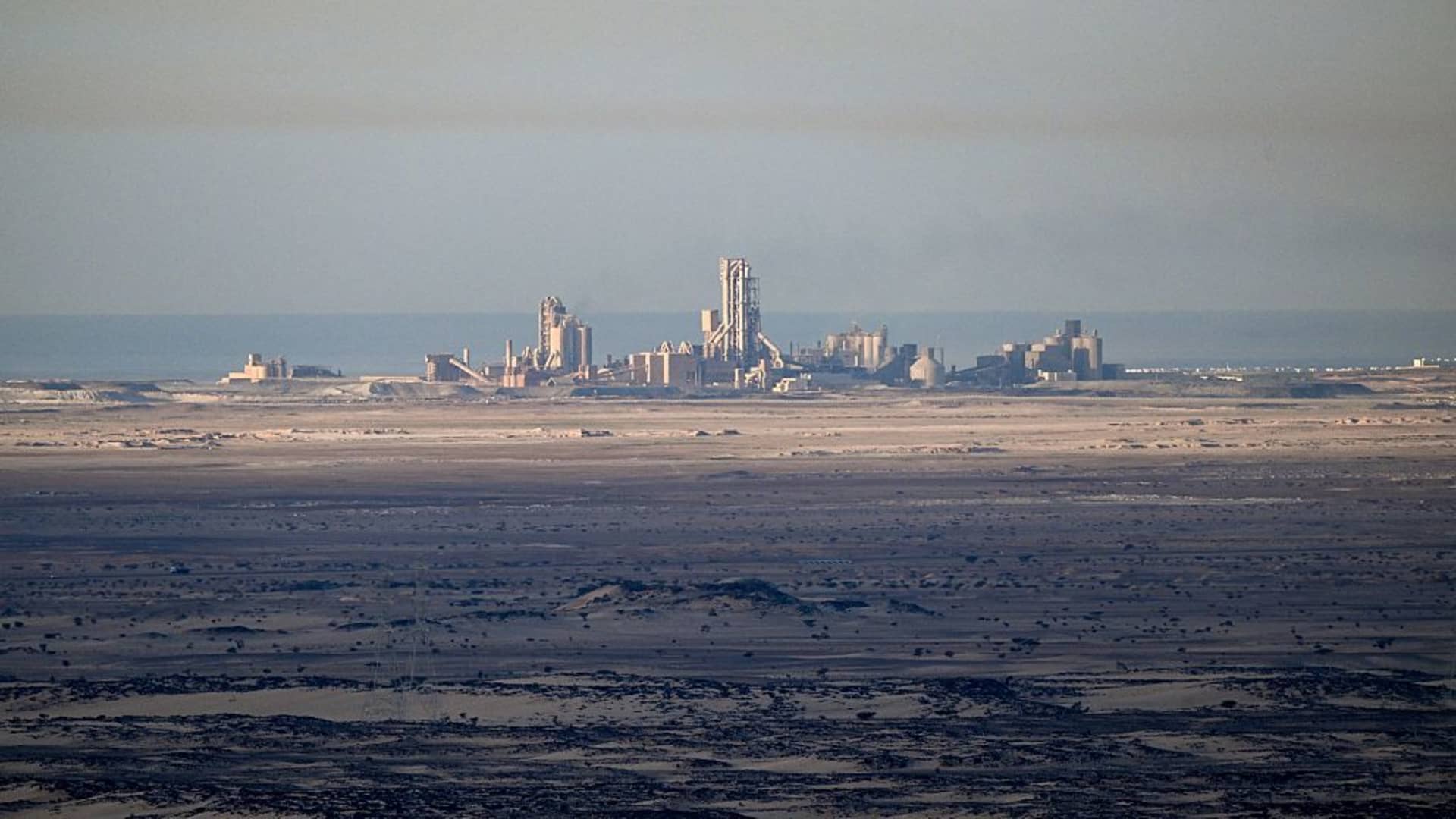
Fragile U.S.-Iran Ceasefire Tested Amid Oil Price Volatility

- Oil Price Fluctuations: Iran's attack on Saudi Arabia's Red Sea pipeline has cut throughput by 700,000 barrels per day, causing oil prices to hover below $100 per barrel, which exacerbates uncertainty in global markets.
- Ceasefire Negotiations Tension: U.S. and Iranian negotiators are set to meet in Pakistan, and despite heated rhetoric, there remains a willingness to maintain the ceasefire, which could impact future energy supply and price stability.
- Global Economic Impact: China's factory-gate prices have risen for the first time in over three years, indicating the war's disruption of global energy markets, potentially leading to increased inflationary pressures for the Federal Reserve.
- Political Landscape Attention: The British Prime Minister expressed frustration over energy price volatility, highlighting the influence of international politics on domestic economies, which underscores the far-reaching effects of global political dynamics on markets.
See More
ExxonMobil: Investment Opportunities in Energy Cycles
- Energy Price Volatility: The geopolitical conflict in the Middle East is driving oil and gas prices higher, yet such market fluctuations are common in the energy sector, prompting investors to be cautious when selecting oil stocks to mitigate future price declines.
- Strong Financial Foundation: ExxonMobil boasts a debt-to-equity ratio of approximately 0.19, significantly lower than its peers, demonstrating immense financial flexibility that allows it to support its business and dividends during downturns in oil prices.
- Long-Term Investment Value: With 43 consecutive years of dividend increases, ExxonMobil showcases its success and reliability in a volatile industry, attracting long-term investors who value its ability to withstand falling energy prices.
- Investment Opportunities in Downturns: During industry downturns, ExxonMobil can leverage its robust financial position to invest in undervalued energy assets or companies, transforming industry challenges into potential investment opportunities for shareholders.
See More
US and Iran Reach Two-Week Ceasefire Agreement
- Ceasefire Agreement: The U.S. and Iran have reached a two-week ceasefire after weeks of intense bombing, providing a fragile but hopeful basis for broader negotiations, potentially stabilizing the market for investors in the short term.
- Airline Sector Outlook: Delta Air Lines anticipates a $2 billion increase in fuel costs this quarter due to soaring oil prices, yet if the ceasefire holds, fuel costs may decrease, improving its second-quarter performance and boosting market confidence.
- Tech Stock Buying Opportunity: Microsoft, having faced its worst quarter since 2008 with a 20% stock drop, presents a buying opportunity as market sentiment improves, especially with its AI business expected to drive future revenue growth despite current challenges.
- Long-Term Value in Oil Stocks: ExxonMobil's stock has dropped due to lower oil prices but remains up 26% this year, demonstrating resilience through debt reduction and profitable investments, making it a suitable long-term hold in uncertain markets.
See More
Investment Opportunities Arising from US-Iran Ceasefire
- Ceasefire Progress: The U.S. and Iran have reached a two-week ceasefire, which, despite its fragility, indicates both parties' desire for a broader agreement, potentially providing market stability for investors.
- Airline Sector Outlook: Delta Air Lines expects an additional $2 billion in fuel costs this quarter due to soaring oil prices; however, demand remains robust, with projected fuel costs of $4.30 per gallon in Q2, which could enhance financial performance.
- Tech Stock Challenges: Microsoft has faced its worst quarter since 2008, with a 20% stock decline amid concerns over the Middle East situation and AI investment returns, yet its cloud services and other segments still hold growth potential.
- Oil Investment Opportunities: ExxonMobil's stock fell post-ceasefire but is up 26% this year, demonstrating strong financial health through debt reduction and investments in profitable oil fields, with a dividend yield of 2.67%.
See More
Tensions Rise in Strait of Hormuz Amid U.S.-Iran Talks
- Military Confrontation Escalates: The U.S. Navy's deployment of two destroyers through the Strait of Hormuz to challenge Iran's 'toll booth' control prompted a final warning from the IRGC, highlighting the fragility of global energy security.
- Freedom of Navigation Dispute: This naval incident underscores the core issue of the Islamabad summit regarding the reopening of a waterway that carries approximately 20% of the world's liquid energy, despite Centcom framing the transit as a rejection of Iran's blockade.
- Complex Negotiation Background: During several hours of talks with Iranian Parliament Speaker, no immediate breakthroughs were reported, but extending the two-week ceasefire appears contingent on reopening the Strait, with Iran seeking sanctions relief and the release of frozen assets.
- Balancing Economic and Security Needs: The U.S. delegation must navigate the immediate economic need for lower oil prices against long-standing demands for permanent restrictions on Iran's nuclear ambitions, even as substantive agreements on nuclear issues remain a 'long shot.'
See More
Amazon Upgraded as AI Enthusiasm Returns; Netflix Downgraded Ahead of Q1 Earnings
- Amazon Upgrade: Agar Capital upgraded Amazon (AMZN) from Hold to Buy, citing improved cash flow visibility from AWS, advertising, and retail segments, with AI infrastructure and same-day delivery expansion reinforcing its competitive position.
- Southwest Airlines Outlook: Despite headwinds from rising oil prices and inflation, analyst Dhierin Bechai upgraded Southwest Airlines (LUV) from Hold to Buy, believing that strategic cost management and potential fare increases can offset these pressures and deliver meaningful upside.
- Exxon Mobil Downgrade: Asian Value Investor downgraded Exxon Mobil (XOM) from Buy to Hold, noting that current valuation fully reflects geopolitical risks, with technical indicators showing overbought conditions and limited appreciation potential.
- Netflix Caution: Vinay Utham, CFA, downgraded Netflix (NFLX) from Buy to Hold, viewing the stock as fairly valued ahead of Q1 earnings, with current levels pricing in ad-revenue growth expectations and leaving no cushion for potential disappointments.
See More
Fragile U.S.-Iran Ceasefire Tested Amid Oil Price Volatility
- Oil Price Fluctuations: Iran's attack on Saudi Arabia's Red Sea pipeline has cut throughput by 700,000 barrels per day, causing oil prices to hover below $100 per barrel, which exacerbates uncertainty in global markets.
- Ceasefire Negotiations Tension: U.S. and Iranian negotiators are set to meet in Pakistan, and despite heated rhetoric, there remains a willingness to maintain the ceasefire, which could impact future energy supply and price stability.
- Global Economic Impact: China's factory-gate prices have risen for the first time in over three years, indicating the war's disruption of global energy markets, potentially leading to increased inflationary pressures for the Federal Reserve.
- Political Landscape Attention: The British Prime Minister expressed frustration over energy price volatility, highlighting the influence of international politics on domestic economies, which underscores the far-reaching effects of global political dynamics on markets.
See More