Exxon Mobil Rated Buy Amid Helium Supply Crisis
Written by Emily J. Thompson, Senior Investment Analyst
Updated: 1 hour ago
0mins
Should l Buy XOM?
Source: seekingalpha
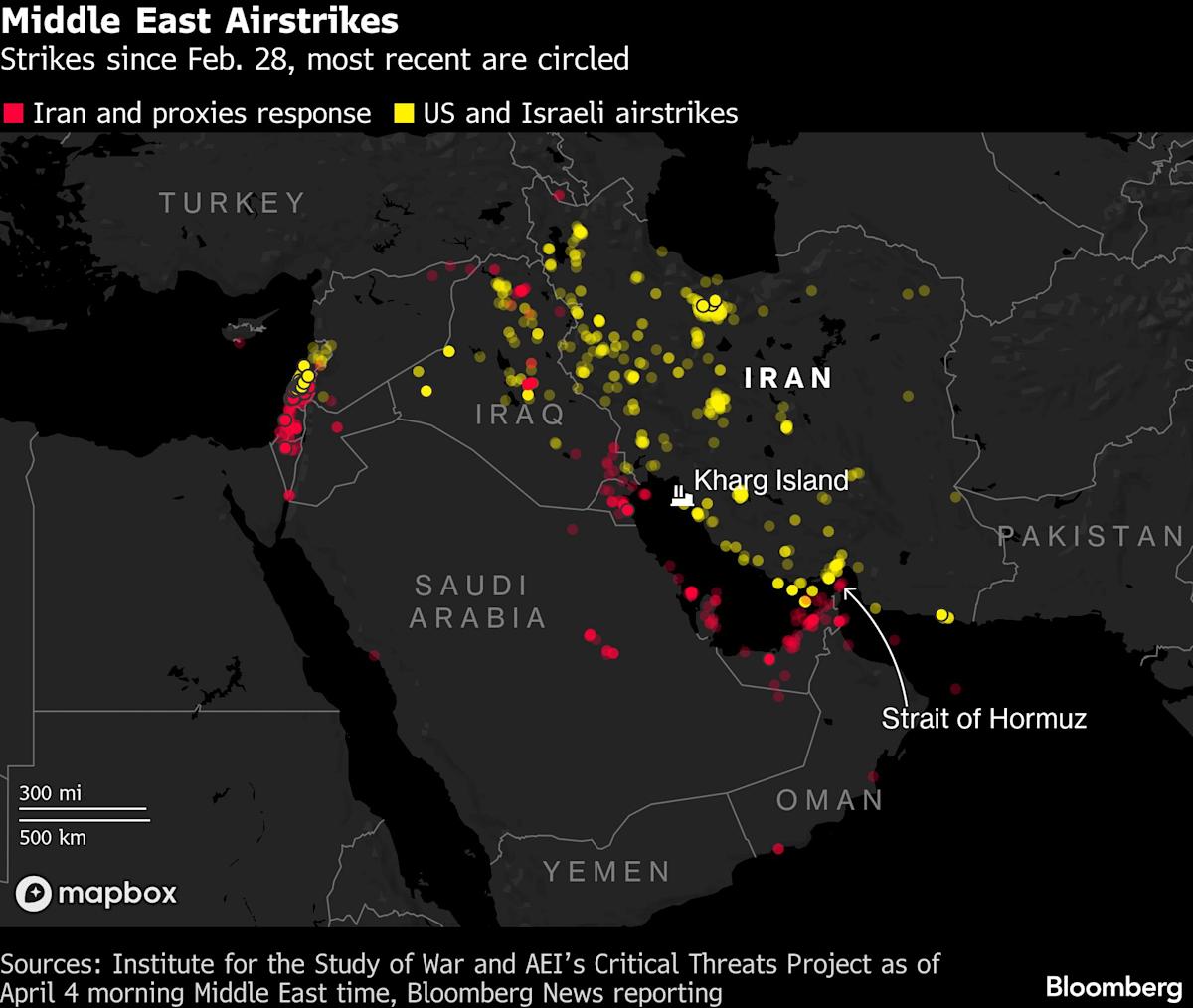
- Helium Supply Disruption: Global helium supply faces severe disruptions due to Iran's drone and missile strikes on Qatar, which accounts for approximately 31% of global helium production, significantly impacting market dynamics.
- Transport Challenges: The Strait of Hormuz is effectively closed to Western commercial shipping, necessitating the use of specialized cryogenic ISO containers for helium transport by sea, which complicates export routes and may lead to significant delays in supply.
- Exxon Mobil's Advantage: Exxon's LaBarge facility in Wyoming supplies 20% of the world's helium, and with over 30% of global capacity disrupted, this facility will play a crucial role in meeting global helium needs, particularly for critical applications in healthcare, space exploration, and advanced computing.
- Market Pricing Potential: Analysts note that Exxon's position provides upside potential in pricing and supply security compared to certain industrial gas majors reliant on Qatari production, highlighting its competitive edge in the current market environment.
Trade with 70% Backtested Accuracy
Stop guessing "Should I Buy XOM?" and start using high-conviction signals backed by rigorous historical data.
Sign up today to access powerful investing tools and make smarter, data-driven decisions.
Analyst Views on XOM
Wall Street analysts forecast XOM stock price to fall
19 Analyst Rating
12 Buy
7 Hold
0 Sell
Moderate Buy
Current: 163.370

Low
114.00
Averages
132.17
High
158.00
Current: 163.370
Low
114.00
Averages
132.17
High
158.00
About XOM
Exxon Mobil Corporation is an energy provider and chemical manufacturer. The Company’s principal business involves exploration for, and production of, crude oil and natural gas; the manufacture, trade, transport and sale of crude oil, natural gas, petroleum products, petrochemicals and a wide variety of specialty products; and pursuit of lower-emission and other new business opportunities, including carbon capture and storage, hydrogen, lower-emission fuels, Proxxima systems, carbon materials, and lithium. Its Upstream segment explores for and produces crude oil and natural gas. The Energy Products, Chemical Products, and Specialty Products segments manufacture and sell petroleum products and petrochemicals. Energy Products segment includes fuels, aromatics, and catalysts and licensing. Chemical Products segment consists of olefins, polyolefins, and intermediates. Specialty Products segment includes finished lubricants, basestocks and waxes, synthetics, and elastomers and resins.
About the author

Emily J. Thompson
Emily J. Thompson, a Chartered Financial Analyst (CFA) with 12 years in investment research, graduated with honors from the Wharton School. Specializing in industrial and technology stocks, she provides in-depth analysis for Intellectia’s earnings and market brief reports.
Exxon Mobil Rated Buy Amid Helium Supply Crisis

- Helium Supply Disruption: Global helium supply faces severe disruptions due to Iran's drone and missile strikes on Qatar, which accounts for approximately 31% of global helium production, significantly impacting market dynamics.
- Transport Challenges: The Strait of Hormuz is effectively closed to Western commercial shipping, necessitating the use of specialized cryogenic ISO containers for helium transport by sea, which complicates export routes and may lead to significant delays in supply.
- Exxon Mobil's Advantage: Exxon's LaBarge facility in Wyoming supplies 20% of the world's helium, and with over 30% of global capacity disrupted, this facility will play a crucial role in meeting global helium needs, particularly for critical applications in healthcare, space exploration, and advanced computing.
- Market Pricing Potential: Analysts note that Exxon's position provides upside potential in pricing and supply security compared to certain industrial gas majors reliant on Qatari production, highlighting its competitive edge in the current market environment.
See More

Exxon Mobil Named Among Best Dividend Stocks Amid Price Target Increase
- Dividend Stock Recognition: Exxon Mobil has been named among the 15 best consistent dividend stocks, highlighting its appeal to investors, particularly in a market where stable dividend yields are crucial for income-focused investors.
- Price Target Increase: Citi analyst Alastair Syme raised Exxon Mobil's price target from $150 to $175 while maintaining a Neutral rating, indicating that the Middle East conflict is influencing energy prices and potentially lowering the cost of equity for oil and gas stocks.
- LNG Production Milestone: Exxon Mobil's joint venture with QatarEnergy, Golden Pass LNG, achieved its first liquefied natural gas production in Texas, marking significant progress towards bringing the large U.S. export project online, with the first cargo expected to ship in Q2.
- Global Gas Supply Tightening: The ongoing conflict in the Middle East has disrupted output in Qatar, leading to tightening global gas supplies, which enhances Exxon Mobil's market position as demand for LNG increases amid these supply challenges.
See More

Energy Sector Leads in 2026 with 36% YTD Return

- Energy Sector Performance: The energy sector boasts a year-to-date return of 36% in 2026, leading all sectors and demonstrating robust market performance amid increasing global economic uncertainties.
- Technology Sector Decline: In stark contrast, the technology sector has fallen over 7% year-to-date, reflecting a potential reassessment by investors towards energy stocks, which may lead to a shift in capital towards energy for higher returns.
- Portfolio Adjustments: Inside Edge Capital has increased its allocation to energy from 2% to 10% in its growth portfolio and from 6% to 14% in its equity income portfolio, indicating strong confidence in the long-term growth potential of the energy sector.
- Strong Archrock Outlook: Archrock (AROC), one of the largest natural gas compression companies in the U.S., is projected to have a dividend yield between 1.5% and 9% by 2025, with a net EPS CAGR exceeding 7%, underscoring its significance and growth potential within the energy value chain.
See More
Exxon Mobil Gains from Middle East War Impacting Helium Supply

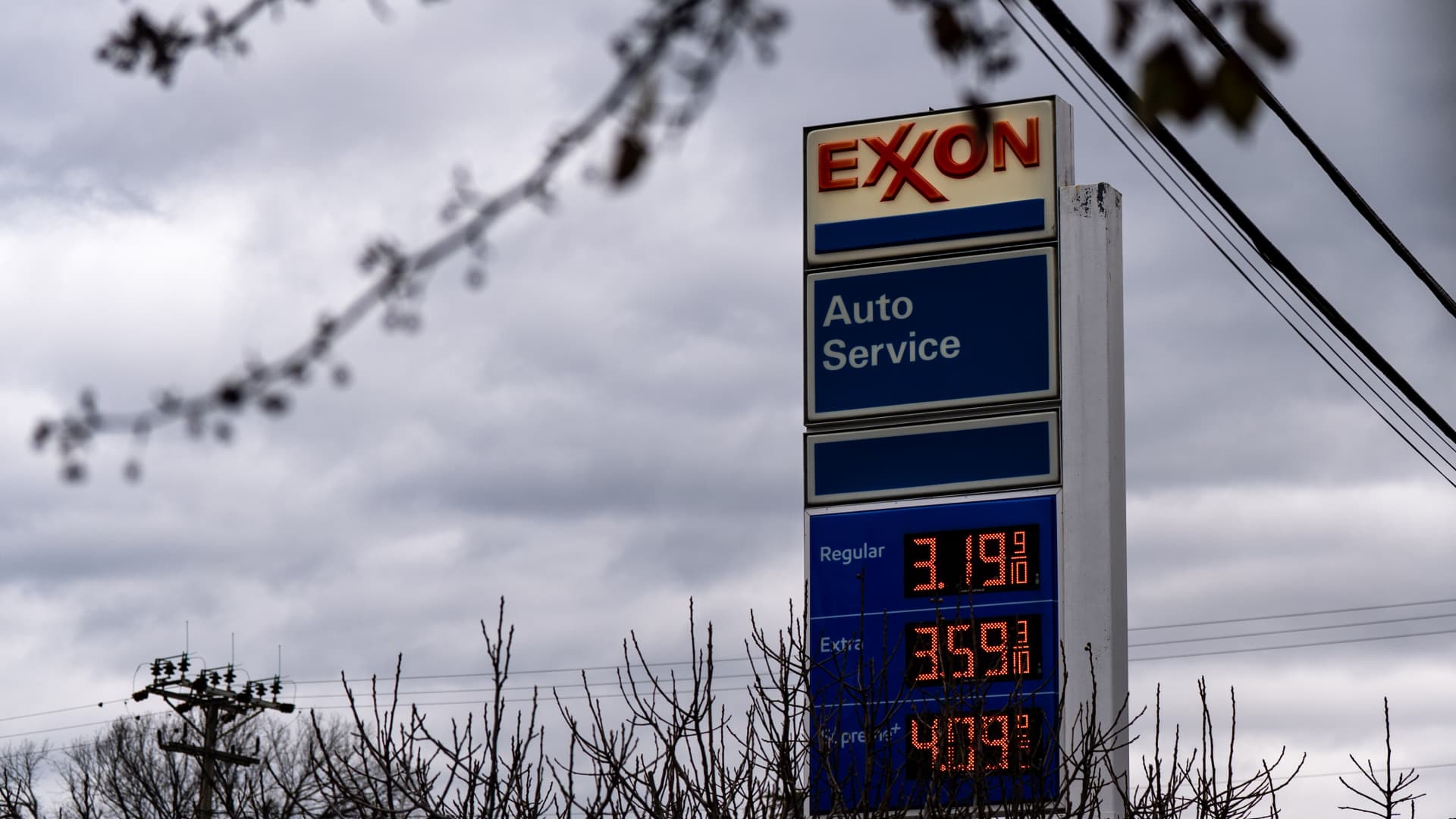
- Market Opportunity: The ongoing Middle East war has tightened global helium supply, with UBS analysts noting that Exxon Mobil stands to benefit as a net beneficiary of helium market conditions, particularly as Qatar's production is disrupted.
- Production Capacity: Exxon's LaBarge facility in Wyoming is capable of producing approximately 1.4 billion cubic feet of Grade A helium annually, remaining unaffected by Middle Eastern events, and is expected to play a significant role in helium supply for the next eight decades.
- Price Surge: Spot helium prices have soared to $1,000-$1,200 per thousand cubic feet due to the war, up from about $500 under older contracts, with UBS estimating that every $100 increase in prices could add $119 million to Exxon's EBITDA.
- Investment Rating: UBS reiterated a buy rating for Exxon Mobil with a 12-month price target of $171, implying about 5% upside from Monday's close of $163.37, reflecting positive market sentiment regarding the company's growth prospects.
See More

ExxonMobil Stock Surges Over 60% Amid Rising Oil Prices

- Outstanding Stock Performance: ExxonMobil's shares have surged over 60% in the past 12 months, significantly outperforming the S&P 500's 30% gain, reflecting the positive impact of rising oil prices amid escalating Middle East conflicts and macroeconomic pressures.
- Business Diversification: Operating in over 56 countries, ExxonMobil's activities span upstream exploration, downstream refining, and the production of plastics and petrochemicals, with significant expansions in the Permian Basin and Guyana enhancing its competitive edge in fast-growing markets.
- Future Growth Potential: The company anticipates increasing its Permian Basin production from 1.6 million barrels per day in 2025 to 2.5 million by 2030, while also ramping up output in Guyana from 700,000 barrels in 2025 to 1.3 million in 2027, driving a projected 14% CAGR in EPS from 2025 to 2028.
- Dividend Stability: With a forward yield of 2.6% and a history of raising dividends for 43 consecutive years, ExxonMobil demonstrates financial health and commitment to shareholders, with stock expected to rise another 10% over the next 12 months if oil prices remain elevated.
See More

US Stocks Decline as Oil Prices Surge Amid Iran Tensions


- Market Decline: The S&P 500 Index fell by 0.90%, the Dow Jones Industrial Average dropped by 0.76%, and the Nasdaq 100 Index decreased by 1.40%, reflecting investor concerns over geopolitical tensions, particularly the potential escalation of conflict between Iran and the US.
- Oil Price Surge: Crude oil prices rose over 3% to a four-week high as the market watches for Iran's response to a ceasefire deadline tonight, with failure to reach an agreement potentially leading to broader military conflict and impacting global energy supplies.
- Positive Economic Data: Despite the overall market downturn, February's non-defense capital goods new orders increased by 0.6% month-over-month, surpassing expectations of 0.5%, indicating resilience in US capital spending that could support future market stability.
- Bond Market Reaction: The 10-year Treasury note yield rose to 4.357% as rising oil prices boosted inflation expectations, while the market's diminished outlook for a Fed rate hike reflects investor caution regarding future economic policies.
See More
Exxon Mobil Rated Buy Amid Helium Supply Crisis
- Helium Supply Disruption: Global helium supply faces severe disruptions due to Iran's drone and missile strikes on Qatar, which accounts for approximately 31% of global helium production, significantly impacting market dynamics.
- Transport Challenges: The Strait of Hormuz is effectively closed to Western commercial shipping, necessitating the use of specialized cryogenic ISO containers for helium transport by sea, which complicates export routes and may lead to significant delays in supply.
- Exxon Mobil's Advantage: Exxon's LaBarge facility in Wyoming supplies 20% of the world's helium, and with over 30% of global capacity disrupted, this facility will play a crucial role in meeting global helium needs, particularly for critical applications in healthcare, space exploration, and advanced computing.
- Market Pricing Potential: Analysts note that Exxon's position provides upside potential in pricing and supply security compared to certain industrial gas majors reliant on Qatari production, highlighting its competitive edge in the current market environment.
See More
Exxon Mobil Named Among Best Dividend Stocks Amid Price Target Increase
- Dividend Stock Recognition: Exxon Mobil has been named among the 15 best consistent dividend stocks, highlighting its appeal to investors, particularly in a market where stable dividend yields are crucial for income-focused investors.
- Price Target Increase: Citi analyst Alastair Syme raised Exxon Mobil's price target from $150 to $175 while maintaining a Neutral rating, indicating that the Middle East conflict is influencing energy prices and potentially lowering the cost of equity for oil and gas stocks.
- LNG Production Milestone: Exxon Mobil's joint venture with QatarEnergy, Golden Pass LNG, achieved its first liquefied natural gas production in Texas, marking significant progress towards bringing the large U.S. export project online, with the first cargo expected to ship in Q2.
- Global Gas Supply Tightening: The ongoing conflict in the Middle East has disrupted output in Qatar, leading to tightening global gas supplies, which enhances Exxon Mobil's market position as demand for LNG increases amid these supply challenges.
See More
Energy Sector Leads in 2026 with 36% YTD Return
- Energy Sector Performance: The energy sector boasts a year-to-date return of 36% in 2026, leading all sectors and demonstrating robust market performance amid increasing global economic uncertainties.
- Technology Sector Decline: In stark contrast, the technology sector has fallen over 7% year-to-date, reflecting a potential reassessment by investors towards energy stocks, which may lead to a shift in capital towards energy for higher returns.
- Portfolio Adjustments: Inside Edge Capital has increased its allocation to energy from 2% to 10% in its growth portfolio and from 6% to 14% in its equity income portfolio, indicating strong confidence in the long-term growth potential of the energy sector.
- Strong Archrock Outlook: Archrock (AROC), one of the largest natural gas compression companies in the U.S., is projected to have a dividend yield between 1.5% and 9% by 2025, with a net EPS CAGR exceeding 7%, underscoring its significance and growth potential within the energy value chain.
See More
Exxon Mobil Gains from Middle East War Impacting Helium Supply
- Market Opportunity: The ongoing Middle East war has tightened global helium supply, with UBS analysts noting that Exxon Mobil stands to benefit as a net beneficiary of helium market conditions, particularly as Qatar's production is disrupted.
- Production Capacity: Exxon's LaBarge facility in Wyoming is capable of producing approximately 1.4 billion cubic feet of Grade A helium annually, remaining unaffected by Middle Eastern events, and is expected to play a significant role in helium supply for the next eight decades.
- Price Surge: Spot helium prices have soared to $1,000-$1,200 per thousand cubic feet due to the war, up from about $500 under older contracts, with UBS estimating that every $100 increase in prices could add $119 million to Exxon's EBITDA.
- Investment Rating: UBS reiterated a buy rating for Exxon Mobil with a 12-month price target of $171, implying about 5% upside from Monday's close of $163.37, reflecting positive market sentiment regarding the company's growth prospects.
See More
ExxonMobil Stock Surges Over 60% Amid Rising Oil Prices
- Outstanding Stock Performance: ExxonMobil's shares have surged over 60% in the past 12 months, significantly outperforming the S&P 500's 30% gain, reflecting the positive impact of rising oil prices amid escalating Middle East conflicts and macroeconomic pressures.
- Business Diversification: Operating in over 56 countries, ExxonMobil's activities span upstream exploration, downstream refining, and the production of plastics and petrochemicals, with significant expansions in the Permian Basin and Guyana enhancing its competitive edge in fast-growing markets.
- Future Growth Potential: The company anticipates increasing its Permian Basin production from 1.6 million barrels per day in 2025 to 2.5 million by 2030, while also ramping up output in Guyana from 700,000 barrels in 2025 to 1.3 million in 2027, driving a projected 14% CAGR in EPS from 2025 to 2028.
- Dividend Stability: With a forward yield of 2.6% and a history of raising dividends for 43 consecutive years, ExxonMobil demonstrates financial health and commitment to shareholders, with stock expected to rise another 10% over the next 12 months if oil prices remain elevated.
See More
US Stocks Decline as Oil Prices Surge Amid Iran Tensions
- Market Decline: The S&P 500 Index fell by 0.90%, the Dow Jones Industrial Average dropped by 0.76%, and the Nasdaq 100 Index decreased by 1.40%, reflecting investor concerns over geopolitical tensions, particularly the potential escalation of conflict between Iran and the US.
- Oil Price Surge: Crude oil prices rose over 3% to a four-week high as the market watches for Iran's response to a ceasefire deadline tonight, with failure to reach an agreement potentially leading to broader military conflict and impacting global energy supplies.
- Positive Economic Data: Despite the overall market downturn, February's non-defense capital goods new orders increased by 0.6% month-over-month, surpassing expectations of 0.5%, indicating resilience in US capital spending that could support future market stability.
- Bond Market Reaction: The 10-year Treasury note yield rose to 4.357% as rising oil prices boosted inflation expectations, while the market's diminished outlook for a Fed rate hike reflects investor caution regarding future economic policies.
See More