ETF Inflow Alert: SCHV, WFC, GS, IBM
Written by Emily J. Thompson, Senior Investment Analyst
Updated: Sep 23 2025
0mins


Source: NASDAQ.COM
52 Week Range Analysis: SCHV's share price has a 52-week low of $23.08 and a high of $29.30, with the last trade recorded at $29.24, indicating a stable position near its high.
ETF Trading Dynamics: ETFs function like stocks, trading in "units" that can be created or destroyed based on investor demand, affecting the underlying assets and their market dynamics.
Trade with 70% Backtested Accuracy
Stop guessing "Should I Buy GS?" and start using high-conviction signals backed by rigorous historical data.
Sign up today to access powerful investing tools and make smarter, data-driven decisions.
Analyst Views on GS
Wall Street analysts forecast GS stock price to fall
12 Analyst Rating
5 Buy
7 Hold
0 Sell
Moderate Buy
Current: 1019.610

Low
604.00
Averages
951.45
High
1100
Current: 1019.610
Low
604.00
Averages
951.45
High
1100
About GS
The Goldman Sachs Group, Inc. is a global financial institution that delivers a range of financial services to a large and diversified client base that includes corporations, financial institutions, governments and individuals. Its segments include Global Banking & Markets, Asset & Wealth Management and Platform Solutions. The Global Banking & Markets segment offers a range of services, including financing, advisory services, risk distribution, and hedging for its institutional and corporate clients. It facilitates client transactions and makes markets in fixed income, equity, currency and commodity products. The Asset & Wealth Management segment manages assets and offers investment products across all asset classes to a diverse set of clients. It also provides investing and wealth advisory solutions. The Platform Solutions segment includes consumer platforms, such as partnerships offering credit cards and point-of-sale financing, and transaction banking and other platform businesses.
About the author

Emily J. Thompson
Emily J. Thompson, a Chartered Financial Analyst (CFA) with 12 years in investment research, graduated with honors from the Wharton School. Specializing in industrial and technology stocks, she provides in-depth analysis for Intellectia’s earnings and market brief reports.
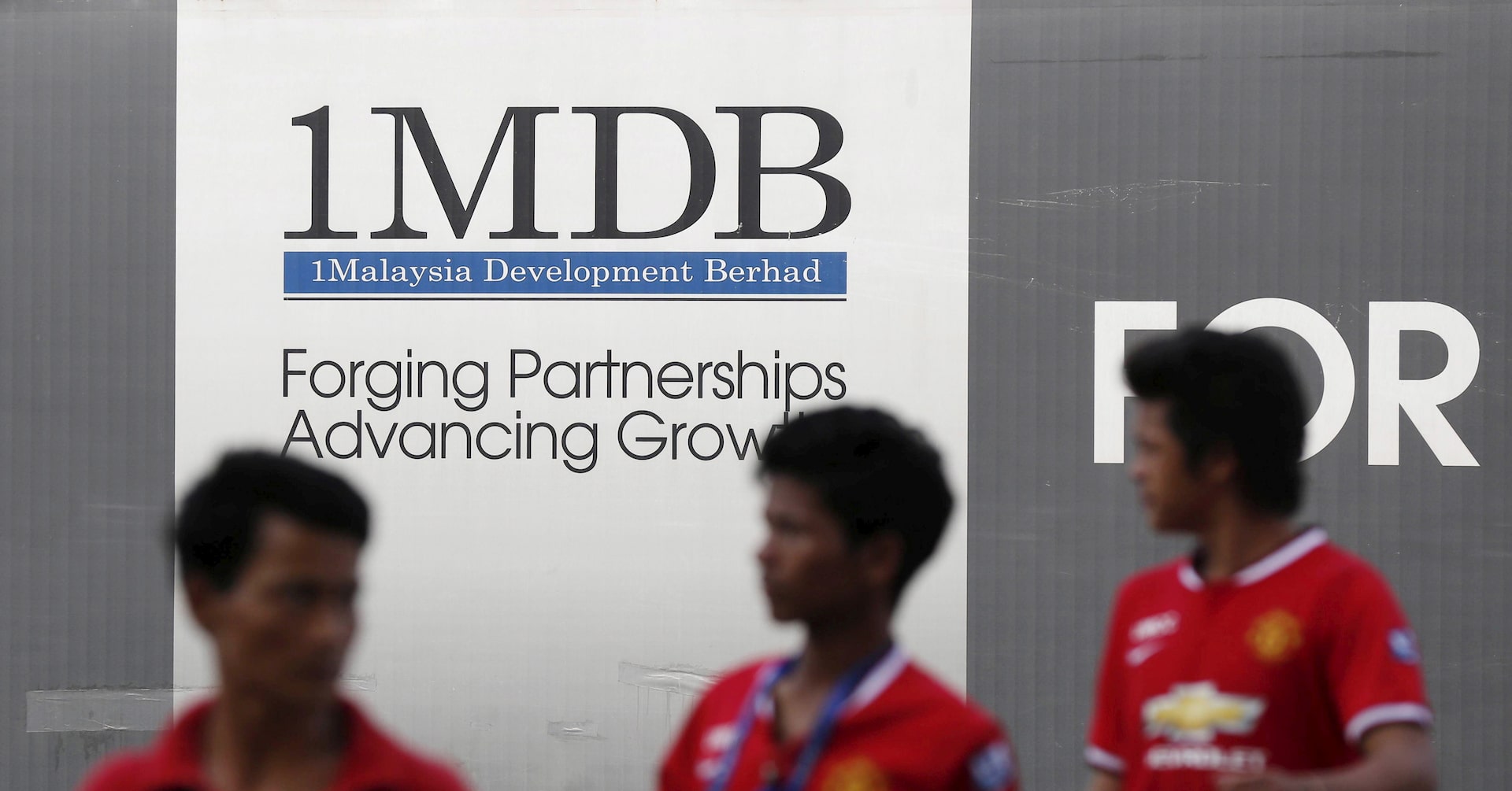
Opportunity to Lock in High CD Rates
- Current CD Rate Overview: As of July 4, 2026, the highest CD rate available is 4.10% APY, offered by Marcus by Goldman Sachs for a 14-month CD, presenting a strong opportunity for investors to lock in high returns.
- Interest Earnings Calculation: For instance, investing $1,000 in a one-year CD at 1.52% APY would yield a balance of $1,015.20 at year-end, while a 4% APY CD would grow to $1,040.74, highlighting the significant impact of higher rates on earnings.
- Deposit Amount and Earnings Relationship: With a 4% APY CD, depositing $10,000 would result in a total balance of $10,407.42 at maturity, translating to $407.42 in interest, indicating that larger deposits lead to greater earning potential.
- Diversity of CD Types: Beyond traditional CDs, investors can consider options like bump-up CDs, no-penalty CDs, and jumbo CDs, which may offer lower rates but provide greater flexibility and potential for higher returns.
See More

Viking Therapeutics Faces Intense Competition in Obesity Drug Market
- Market Potential: According to Goldman Sachs, the weight loss drug market could reach $95 billion by 2030, while J.P. Morgan estimates the GLP-1 drug market at nearly $200 billion, highlighting significant opportunities for Viking Therapeutics in this sector.
- Investment Return Analysis: If VK2735 gains approval and captures 1% of the market, Viking's valuation could rise from $4.4 billion to $15 billion, allowing a $1,000 investment to grow to approximately $3,400, although risks of share dilution remain.
- Intense Competitive Pressure: VK2735 must secure approval by 2028 or 2029, by which time Eli Lilly and Novo Nordisk will have established strong market positions with effective treatments, presenting a high barrier for VK2735 to overcome.
- Clinical Trial Risks: VK2735's injectable form demonstrated a 14.7% weight loss in mid-stage trials, but its phase 3 trials won't conclude until 2027, and oral formulation trials are just beginning, creating uncertainty that could lead to investor losses of 60% to 80%.
See More

Viking Therapeutics Faces Market Challenges Ahead of VK2735 Launch
- Intense Market Competition: Viking Therapeutics' VK2735 is expected to hit the market within two years, yet it faces fierce competition from giants like Eli Lilly and Novo Nordisk, which dominate the obesity drug market, potentially hindering Viking's ability to capture market share.
- Clinical Trial Data: VK2735 demonstrated a weight loss of 14.7% in mid-stage trials, but even with promising data, Viking must exhibit significant advantages in efficacy, pricing, and tolerability to secure even 1% of the market.
- Investment Return Forecast: If VK2735 gains approval and captures 1% of the market, projected annual sales could reach $1.5 billion, leading to a potential company valuation of $15 billion based on a 10x price-to-sales ratio, suggesting a $1,000 investment could grow to $3,400, but dilution from new fundraising could reduce it to $2,500.
- Risk Assessment: In the best-case scenario, a $1,000 investment could grow to $10,000 by 2030, but given market competition and clinical trial uncertainties, the most likely outcome is closer to $2,500, highlighting the high-risk nature of investing in Viking.
See More
Wall Street Major Indexes End Mixed After Weak Payrolls Report
- Weak Payroll Data: The June non-farm payrolls report fell short of expectations, leading to mixed performances across major Wall Street indexes, with the Nasdaq down 0.8%, indicating concerns about the economic recovery as tech stocks like Tesla and Sandisk struggled.
- Analyst Rating Changes: DA Davidson upgraded Palantir from Neutral to Buy, raising the price target from $165 to $175, highlighting its competitive advantages in the AI era, which may attract more investor interest in its software solutions.
- Bank Stocks Downgraded: Oppenheimer downgraded Goldman Sachs and Morgan Stanley to Underperform, noting that while the banking sector is currently expanding, it remains in a mature cycle, suggesting a cautious outlook on long-term growth potential.
- Positive Energy Stock Outlook: Wolfe Research upgraded Chevron to Outperform with a price target of $210, citing that its long-term free cash flow prospects are not fully reflected in the stock price, indicating confidence in energy stocks amidst commodity price volatility.
See More

Goldman Sachs Report on AI's Impact on College Graduate Employment
- Initial AI Impact: Goldman Sachs research indicates that while AI's impact on college graduates' job prospects has been limited, this dynamic may change rapidly, particularly in finance and professional services where graduates comprise over 60% of the workforce.
- Automation Risk Assessment: The study highlights that in specialized fields like law, architecture, and engineering, approximately 40% of daily tasks are highly automatable, suggesting a potential long-term risk for graduates despite short-term stability.
- Optimistic Employment Outlook: Researchers argue that increased AI adoption does not necessarily lead to job displacement, as it can also enhance labor productivity and create new jobs, similar to past technological advancements, with younger workers likely to adapt quickly.
- Shift in Educational Focus: In response to the AI-driven labor market changes, students are moving away from once-popular majors like computer and information sciences towards fast-growing fields such as healthcare, demonstrating a keen awareness of future career trajectories.
See More
SK Hynix Considers Underwriting Fee for U.S. Listing
- Potential Fundraising Size: SK Hynix is preparing for a U.S. listing, potentially selling up to 2.5% of its outstanding shares, which could raise approximately $26.5 billion, reflecting the company's strong market position amid surging demand for AI infrastructure.
- Underwriting Fee Structure: The company is considering a fee of about 0.5% for underwriters, which, while below typical fees for large U.S. offerings, could still generate over $130 million for participating banks, highlighting the transaction's profitability potential.
- Market Leadership: As a leading supplier of high-bandwidth memory chips for NVIDIA AI processors, SK Hynix has greatly benefited from the AI investment boom, with its stock significantly rising over the past year, indicating strong investor optimism regarding long-term demand.
- Stock Volatility: Despite recent heightened volatility due to concerns over the sustainability of AI-related spending, SK Hynix's stock remains substantially higher than a year ago, demonstrating continued market confidence in its future growth prospects.
See More
Opportunity to Lock in High CD Rates
- Current CD Rate Overview: As of July 4, 2026, the highest CD rate available is 4.10% APY, offered by Marcus by Goldman Sachs for a 14-month CD, presenting a strong opportunity for investors to lock in high returns.
- Interest Earnings Calculation: For instance, investing $1,000 in a one-year CD at 1.52% APY would yield a balance of $1,015.20 at year-end, while a 4% APY CD would grow to $1,040.74, highlighting the significant impact of higher rates on earnings.
- Deposit Amount and Earnings Relationship: With a 4% APY CD, depositing $10,000 would result in a total balance of $10,407.42 at maturity, translating to $407.42 in interest, indicating that larger deposits lead to greater earning potential.
- Diversity of CD Types: Beyond traditional CDs, investors can consider options like bump-up CDs, no-penalty CDs, and jumbo CDs, which may offer lower rates but provide greater flexibility and potential for higher returns.
See More
Viking Therapeutics Faces Intense Competition in Obesity Drug Market
- Market Potential: According to Goldman Sachs, the weight loss drug market could reach $95 billion by 2030, while J.P. Morgan estimates the GLP-1 drug market at nearly $200 billion, highlighting significant opportunities for Viking Therapeutics in this sector.
- Investment Return Analysis: If VK2735 gains approval and captures 1% of the market, Viking's valuation could rise from $4.4 billion to $15 billion, allowing a $1,000 investment to grow to approximately $3,400, although risks of share dilution remain.
- Intense Competitive Pressure: VK2735 must secure approval by 2028 or 2029, by which time Eli Lilly and Novo Nordisk will have established strong market positions with effective treatments, presenting a high barrier for VK2735 to overcome.
- Clinical Trial Risks: VK2735's injectable form demonstrated a 14.7% weight loss in mid-stage trials, but its phase 3 trials won't conclude until 2027, and oral formulation trials are just beginning, creating uncertainty that could lead to investor losses of 60% to 80%.
See More
Viking Therapeutics Faces Market Challenges Ahead of VK2735 Launch
- Intense Market Competition: Viking Therapeutics' VK2735 is expected to hit the market within two years, yet it faces fierce competition from giants like Eli Lilly and Novo Nordisk, which dominate the obesity drug market, potentially hindering Viking's ability to capture market share.
- Clinical Trial Data: VK2735 demonstrated a weight loss of 14.7% in mid-stage trials, but even with promising data, Viking must exhibit significant advantages in efficacy, pricing, and tolerability to secure even 1% of the market.
- Investment Return Forecast: If VK2735 gains approval and captures 1% of the market, projected annual sales could reach $1.5 billion, leading to a potential company valuation of $15 billion based on a 10x price-to-sales ratio, suggesting a $1,000 investment could grow to $3,400, but dilution from new fundraising could reduce it to $2,500.
- Risk Assessment: In the best-case scenario, a $1,000 investment could grow to $10,000 by 2030, but given market competition and clinical trial uncertainties, the most likely outcome is closer to $2,500, highlighting the high-risk nature of investing in Viking.
See More
Wall Street Major Indexes End Mixed After Weak Payrolls Report
- Weak Payroll Data: The June non-farm payrolls report fell short of expectations, leading to mixed performances across major Wall Street indexes, with the Nasdaq down 0.8%, indicating concerns about the economic recovery as tech stocks like Tesla and Sandisk struggled.
- Analyst Rating Changes: DA Davidson upgraded Palantir from Neutral to Buy, raising the price target from $165 to $175, highlighting its competitive advantages in the AI era, which may attract more investor interest in its software solutions.
- Bank Stocks Downgraded: Oppenheimer downgraded Goldman Sachs and Morgan Stanley to Underperform, noting that while the banking sector is currently expanding, it remains in a mature cycle, suggesting a cautious outlook on long-term growth potential.
- Positive Energy Stock Outlook: Wolfe Research upgraded Chevron to Outperform with a price target of $210, citing that its long-term free cash flow prospects are not fully reflected in the stock price, indicating confidence in energy stocks amidst commodity price volatility.
See More
Goldman Sachs Report on AI's Impact on College Graduate Employment
- Initial AI Impact: Goldman Sachs research indicates that while AI's impact on college graduates' job prospects has been limited, this dynamic may change rapidly, particularly in finance and professional services where graduates comprise over 60% of the workforce.
- Automation Risk Assessment: The study highlights that in specialized fields like law, architecture, and engineering, approximately 40% of daily tasks are highly automatable, suggesting a potential long-term risk for graduates despite short-term stability.
- Optimistic Employment Outlook: Researchers argue that increased AI adoption does not necessarily lead to job displacement, as it can also enhance labor productivity and create new jobs, similar to past technological advancements, with younger workers likely to adapt quickly.
- Shift in Educational Focus: In response to the AI-driven labor market changes, students are moving away from once-popular majors like computer and information sciences towards fast-growing fields such as healthcare, demonstrating a keen awareness of future career trajectories.
See More
SK Hynix Considers Underwriting Fee for U.S. Listing
- Potential Fundraising Size: SK Hynix is preparing for a U.S. listing, potentially selling up to 2.5% of its outstanding shares, which could raise approximately $26.5 billion, reflecting the company's strong market position amid surging demand for AI infrastructure.
- Underwriting Fee Structure: The company is considering a fee of about 0.5% for underwriters, which, while below typical fees for large U.S. offerings, could still generate over $130 million for participating banks, highlighting the transaction's profitability potential.
- Market Leadership: As a leading supplier of high-bandwidth memory chips for NVIDIA AI processors, SK Hynix has greatly benefited from the AI investment boom, with its stock significantly rising over the past year, indicating strong investor optimism regarding long-term demand.
- Stock Volatility: Despite recent heightened volatility due to concerns over the sustainability of AI-related spending, SK Hynix's stock remains substantially higher than a year ago, demonstrating continued market confidence in its future growth prospects.
See More