Elon Musk expresses concerns about managing Tesla's 'robot army' amid a slight recovery in the car business.
Record Sales and Profit Decline: Tesla achieved a record delivery of 497,099 vehicles in Q3 2025, generating $21.2 billion in revenue, but profits fell 37% year-over-year to $1.4 billion due to increased operating expenses and tariffs.
Focus on AI and Robotics: CEO Elon Musk is prioritizing the development of AI and robotics, including self-driving cars and the humanoid robot Optimus, despite facing production challenges and increased costs associated with these projects.
Compensation Package Controversy: Tesla is proposing a $1 trillion compensation package for Musk, which is facing opposition from advisory groups but is likely to pass due to strong shareholder support; Musk has threatened to leave if it is not approved.
Future Growth Challenges: Tesla needs another record quarter to meet its previous growth targets, with Musk emphasizing the importance of transitioning from automotive sales to a broader AI-driven business model.
Trade with 70% Backtested Accuracy
Analyst Views on TSLA

About TSLA
About the author

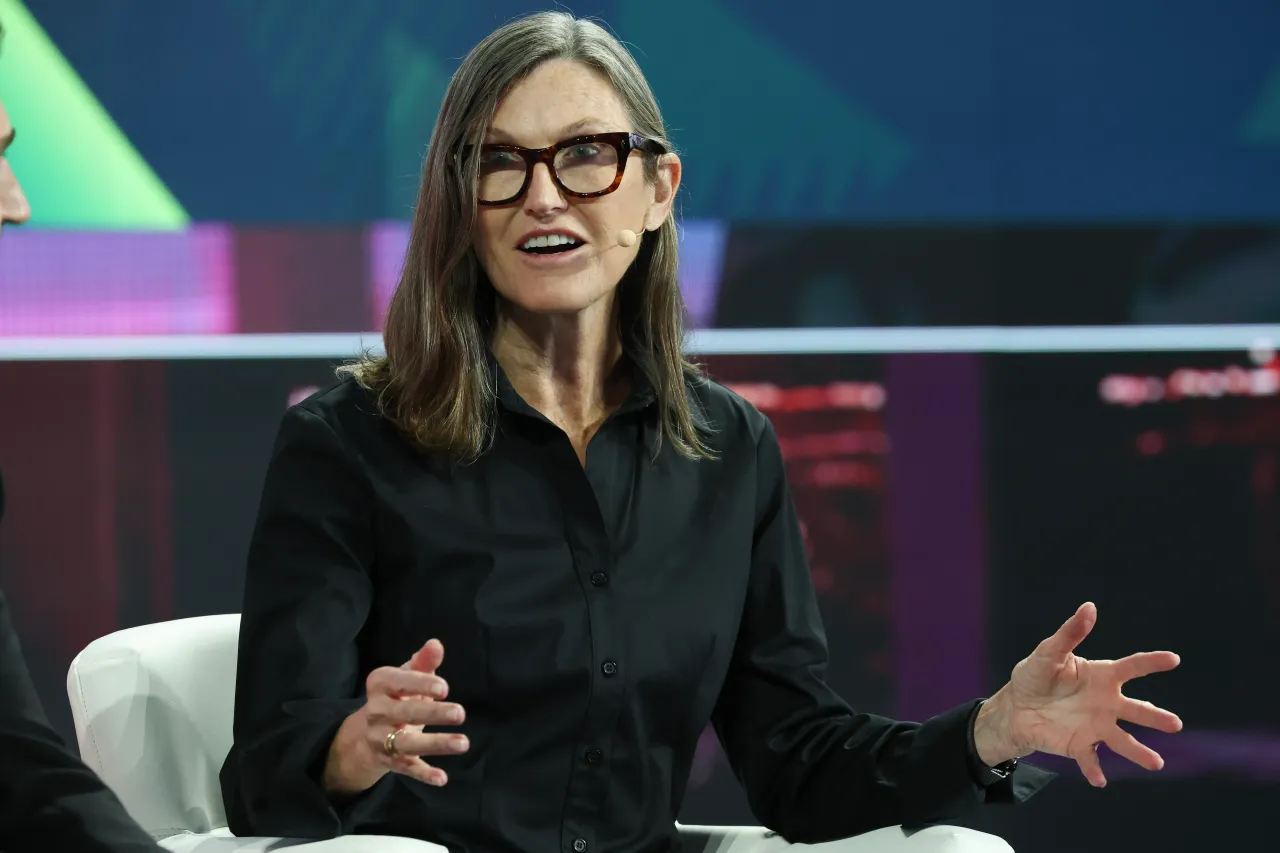
ARKK ETF Faces Worst Quarter Since Early 2025

- Performance Decline: The ARKK ETF fell 12% in the latest quarter, marking its worst performance since early 2025, primarily due to significant impacts from Tesla's stock volatility, highlighting ARKK's heavy reliance on Tesla.
- Tesla's Optimistic Outlook: Despite challenges, ARK maintains a $2,600 price forecast for Tesla by 2029, implying a market cap of $9.75 trillion, reflecting confidence in Tesla's future growth potential, particularly in robotics and autonomous driving.
- Autonomous Driving Market Potential: Cathie Wood stated that autonomy will be Tesla's largest revenue driver, with expectations of scaling to a $10 trillion market, emphasizing the company's potential to achieve autonomy in 25% to 50% of major U.S. cities by year-end.
- Investor Sentiment Shift: While sentiment towards ARKK remains bullish, Tesla's sentiment fluctuated between bearish and extremely bearish during the quarter, indicating market uncertainty regarding Tesla's future performance amid intensifying competition.
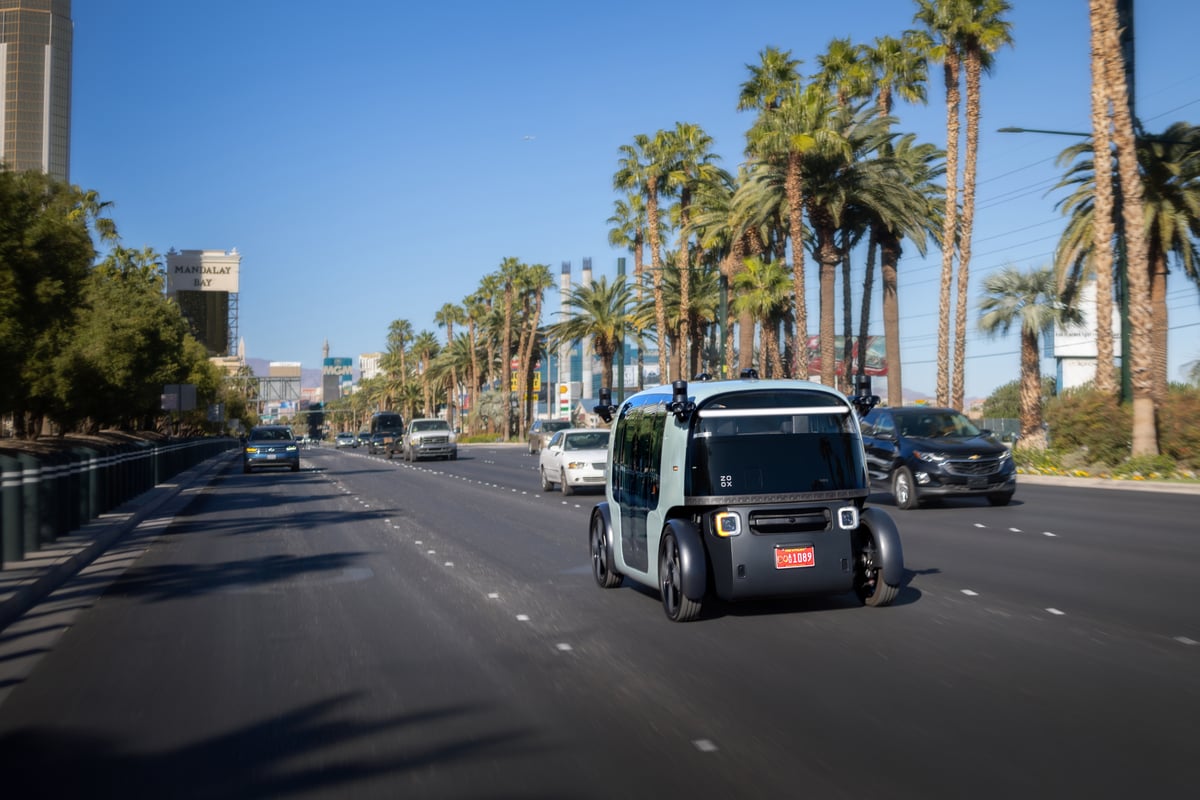
Tesla's Autonomous Driving Program Faces Challenges

- Autonomous Program Delays: Tesla's driverless taxi initiative in Austin, which launched last June, is now projected to cover only a quarter to half of the U.S. population by year-end, indicating significant delays and uncertainties in technology implementation.
- Rapid Competitor Expansion: Amazon's Zoox plans to test its purpose-built robotaxis in Miami and Austin, marking a nationwide expansion, while also increasing service points in Las Vegas, demonstrating enhanced market penetration capabilities.
- High Valuation Dependency: According to Bank of America, Tesla's robotaxi business accounts for 52% of its overall valuation, with automotive at only 21%, highlighting how performance in the autonomous driving sector directly impacts market confidence and stock performance.
- Safety Concerns Highlighted: Early data shows Tesla's robotaxis have a higher crash rate than human drivers, particularly compared to competitor Alphabet's Waymo, reflecting deficiencies in technology maturity and safety that could further undermine investor confidence.
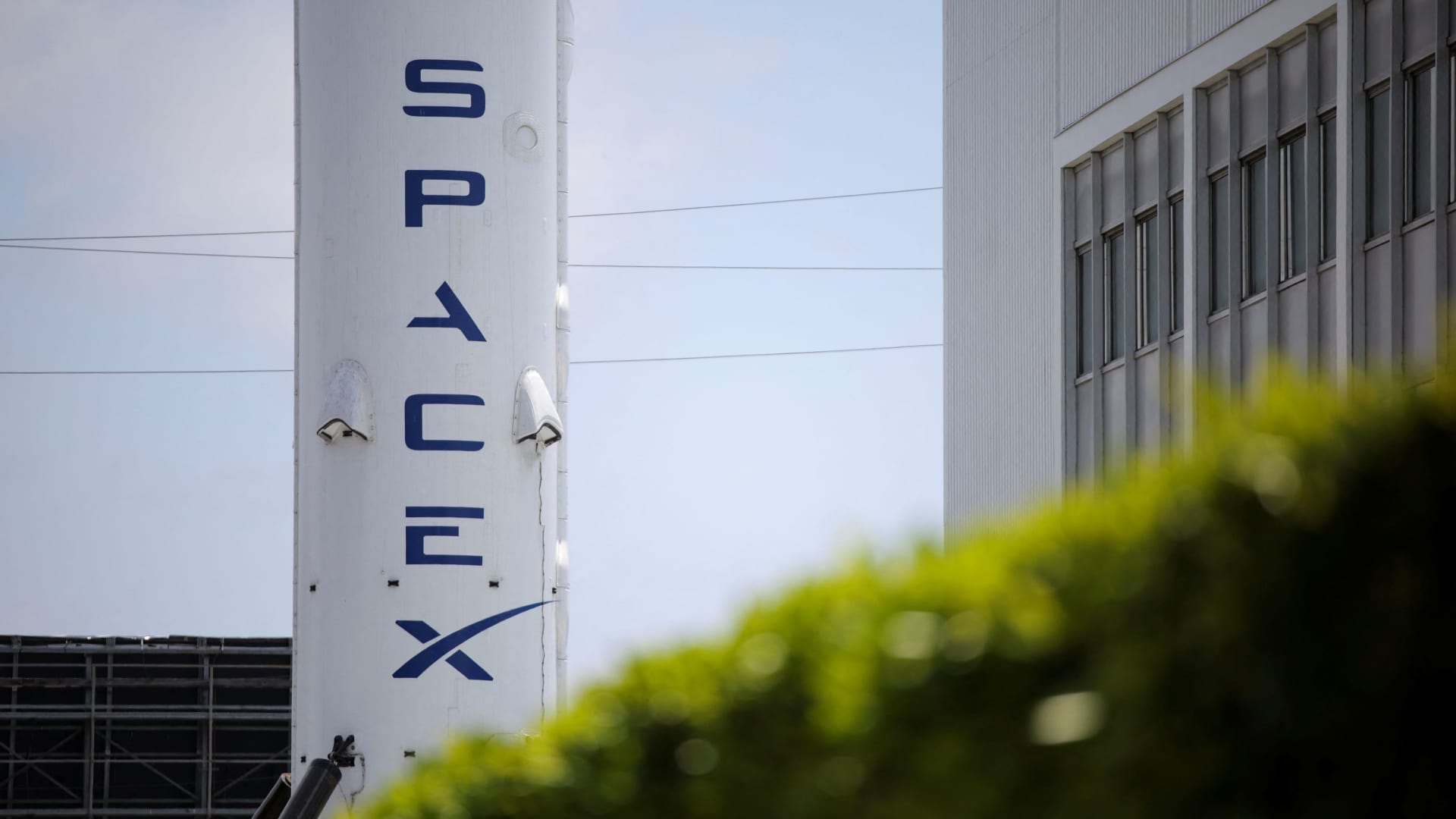
SpaceX Confidentially Files for IPO, Eyes $1.75 Trillion Valuation

- IPO Process Accelerated: SpaceX has confidentially filed for an IPO with the SEC, aiming for a June listing with a target valuation of $1.75 trillion, which, if successful, would mark the largest public offering in history.
- Massive Fundraising Goal: The company plans to raise up to $75 billion, surpassing Alibaba's $22 billion record set in 2014 for U.S. IPOs, indicating strong market interest and investment potential in the aerospace sector.
- Government Contract Support: Since 2008, SpaceX has secured over $24.4 billion in contracts from the federal government, including support from NASA and the Air Force, providing a robust financial foundation for its IPO.
- Market Environment Challenges: Despite SpaceX's strong fundamentals, increased market volatility could impact the IPO's success, with experts noting that current geopolitical conditions need to improve to ensure investor confidence.
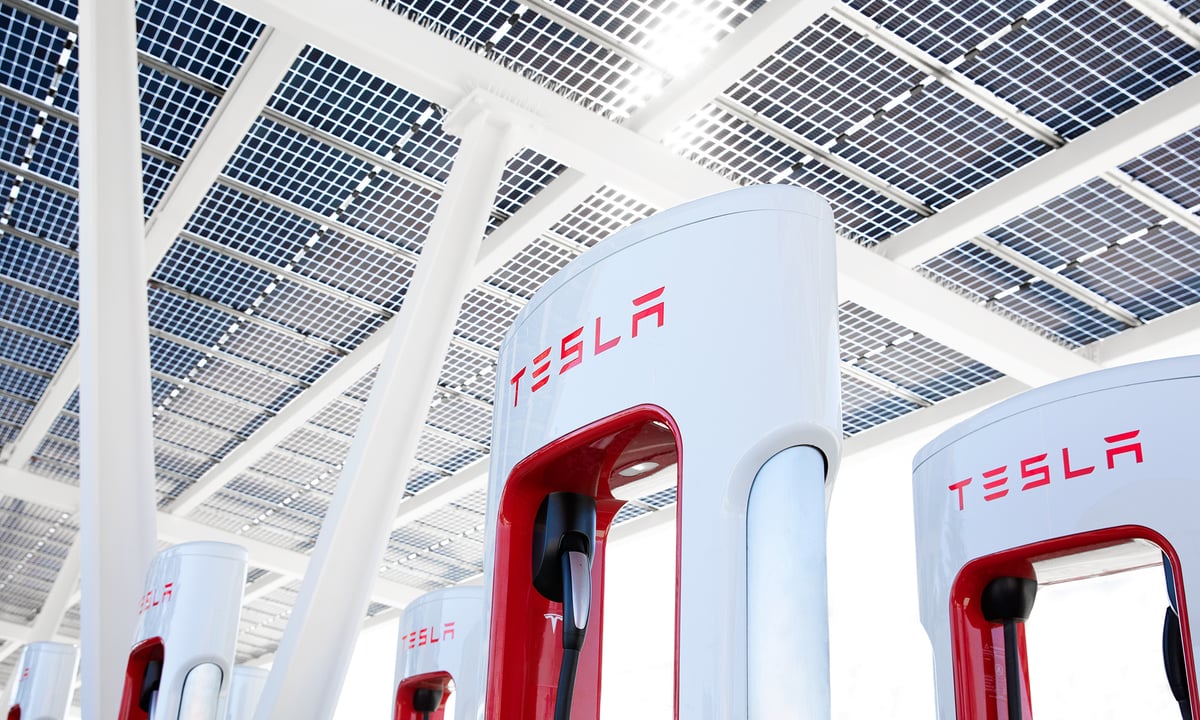
Tesla's Robotaxi Business Faces Challenges Amidst High Expectations
- Earnings Estimate Discrepancy: Tesla's earnings-per-share (EPS) estimates for 2030 show a nearly threefold difference between high and low projections, reflecting strong market expectations for the robotaxi business, yet a compound annual growth rate of 47% indicates pressure to meet these expectations.
- Slow Robotaxi Progress: Despite Tesla starting volume production of the dedicated Cybercab robotaxi in April and building a lithium iron phosphate battery factory in Nevada, the expansion of its unsupervised robotaxi network remains limited, failing to scale beyond a few cars in Austin.
- Increased Capital Risk: The multibillion-dollar investments in the robotaxi business could lead to unnecessary capital and cash tie-up, especially if regulatory approvals are not obtained in a timely manner, potentially jeopardizing Tesla's early-mover advantage.
- Market Confidence Erosion: As delays in the robotaxi rollout continue, Tesla risks falling short of analysts' earnings estimates, which could undermine investor confidence in its medium-term outlook, necessitating positive news to restore market sentiment.

BYD Surpasses Tesla in Market Performance

- Sales Leadership: BYD sold over 2.25 million electric vehicles last year, surpassing Tesla's 1.63 million deliveries, indicating BYD's strong growth momentum in the EV market, despite Tesla's larger market capitalization.
- Intensifying Competition: BYD's sales continue to grow in both China and Europe, having outsold Tesla in Europe since mid-last year, highlighting its increasing competitiveness in the global EV market.
- Profit Pressure: Although BYD's revenue grew by 3.5% to $116 billion, its profits for 2025 fell by 19% year-over-year, reflecting the impact of price wars on profitability and the fierce competition within the industry.
- Future Outlook: Analysts expect BYD to achieve double-digit revenue and earnings growth over the next two years, with plans for international sales of 1.5 million units, showcasing its potential for global market expansion and keen insight into EV demand.
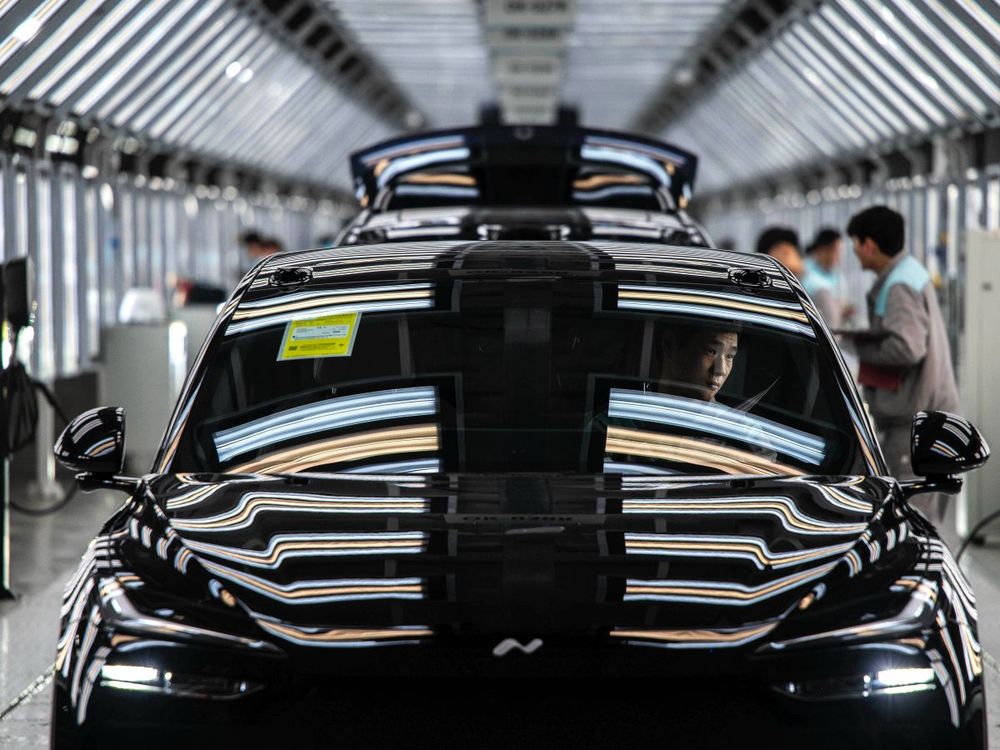
Nio's Q1 Deliveries Exceed Expectations


- Nio's Delivery Beat: Nio delivered 83,465 vehicles in Q1 2026, surpassing its own estimate of 80,000 to 83,000 units, reflecting a robust year-over-year growth of 98.3%, which strengthens its leadership position in the Chinese EV market amid rising demand.
- Li Auto's Growth: Li Auto reported March deliveries of 41,053 vehicles, a 12% increase from the previous year, driven by resolved production bottlenecks and the launch of new models, indicating its potential for sustained growth in a competitive landscape.
- XPeng's Decline: XPeng delivered 27,415 vehicles in March 2026, marking an 80% month-over-month increase but an 18% year-over-year decline, with total Q1 deliveries at 62,682 units, highlighting the challenges it faces in maintaining market share.
- Tesla's Lower Expectations: Tesla is projected to deliver approximately 368,900 vehicles in Q1, an 11.8% decrease from the previous quarter, indicating the need for a strategic reassessment to navigate increasing competition in key markets.
ARKK ETF Faces Worst Quarter Since Early 2025
- Performance Decline: The ARKK ETF fell 12% in the latest quarter, marking its worst performance since early 2025, primarily due to significant impacts from Tesla's stock volatility, highlighting ARKK's heavy reliance on Tesla.
- Tesla's Optimistic Outlook: Despite challenges, ARK maintains a $2,600 price forecast for Tesla by 2029, implying a market cap of $9.75 trillion, reflecting confidence in Tesla's future growth potential, particularly in robotics and autonomous driving.
- Autonomous Driving Market Potential: Cathie Wood stated that autonomy will be Tesla's largest revenue driver, with expectations of scaling to a $10 trillion market, emphasizing the company's potential to achieve autonomy in 25% to 50% of major U.S. cities by year-end.
- Investor Sentiment Shift: While sentiment towards ARKK remains bullish, Tesla's sentiment fluctuated between bearish and extremely bearish during the quarter, indicating market uncertainty regarding Tesla's future performance amid intensifying competition.
Tesla's Autonomous Driving Program Faces Challenges
- Autonomous Program Delays: Tesla's driverless taxi initiative in Austin, which launched last June, is now projected to cover only a quarter to half of the U.S. population by year-end, indicating significant delays and uncertainties in technology implementation.
- Rapid Competitor Expansion: Amazon's Zoox plans to test its purpose-built robotaxis in Miami and Austin, marking a nationwide expansion, while also increasing service points in Las Vegas, demonstrating enhanced market penetration capabilities.
- High Valuation Dependency: According to Bank of America, Tesla's robotaxi business accounts for 52% of its overall valuation, with automotive at only 21%, highlighting how performance in the autonomous driving sector directly impacts market confidence and stock performance.
- Safety Concerns Highlighted: Early data shows Tesla's robotaxis have a higher crash rate than human drivers, particularly compared to competitor Alphabet's Waymo, reflecting deficiencies in technology maturity and safety that could further undermine investor confidence.
SpaceX Confidentially Files for IPO, Eyes $1.75 Trillion Valuation
- IPO Process Accelerated: SpaceX has confidentially filed for an IPO with the SEC, aiming for a June listing with a target valuation of $1.75 trillion, which, if successful, would mark the largest public offering in history.
- Massive Fundraising Goal: The company plans to raise up to $75 billion, surpassing Alibaba's $22 billion record set in 2014 for U.S. IPOs, indicating strong market interest and investment potential in the aerospace sector.
- Government Contract Support: Since 2008, SpaceX has secured over $24.4 billion in contracts from the federal government, including support from NASA and the Air Force, providing a robust financial foundation for its IPO.
- Market Environment Challenges: Despite SpaceX's strong fundamentals, increased market volatility could impact the IPO's success, with experts noting that current geopolitical conditions need to improve to ensure investor confidence.
Tesla's Robotaxi Business Faces Challenges Amidst High Expectations
- Earnings Estimate Discrepancy: Tesla's earnings-per-share (EPS) estimates for 2030 show a nearly threefold difference between high and low projections, reflecting strong market expectations for the robotaxi business, yet a compound annual growth rate of 47% indicates pressure to meet these expectations.
- Slow Robotaxi Progress: Despite Tesla starting volume production of the dedicated Cybercab robotaxi in April and building a lithium iron phosphate battery factory in Nevada, the expansion of its unsupervised robotaxi network remains limited, failing to scale beyond a few cars in Austin.
- Increased Capital Risk: The multibillion-dollar investments in the robotaxi business could lead to unnecessary capital and cash tie-up, especially if regulatory approvals are not obtained in a timely manner, potentially jeopardizing Tesla's early-mover advantage.
- Market Confidence Erosion: As delays in the robotaxi rollout continue, Tesla risks falling short of analysts' earnings estimates, which could undermine investor confidence in its medium-term outlook, necessitating positive news to restore market sentiment.
BYD Surpasses Tesla in Market Performance
- Sales Leadership: BYD sold over 2.25 million electric vehicles last year, surpassing Tesla's 1.63 million deliveries, indicating BYD's strong growth momentum in the EV market, despite Tesla's larger market capitalization.
- Intensifying Competition: BYD's sales continue to grow in both China and Europe, having outsold Tesla in Europe since mid-last year, highlighting its increasing competitiveness in the global EV market.
- Profit Pressure: Although BYD's revenue grew by 3.5% to $116 billion, its profits for 2025 fell by 19% year-over-year, reflecting the impact of price wars on profitability and the fierce competition within the industry.
- Future Outlook: Analysts expect BYD to achieve double-digit revenue and earnings growth over the next two years, with plans for international sales of 1.5 million units, showcasing its potential for global market expansion and keen insight into EV demand.
Nio's Q1 Deliveries Exceed Expectations
- Nio's Delivery Beat: Nio delivered 83,465 vehicles in Q1 2026, surpassing its own estimate of 80,000 to 83,000 units, reflecting a robust year-over-year growth of 98.3%, which strengthens its leadership position in the Chinese EV market amid rising demand.
- Li Auto's Growth: Li Auto reported March deliveries of 41,053 vehicles, a 12% increase from the previous year, driven by resolved production bottlenecks and the launch of new models, indicating its potential for sustained growth in a competitive landscape.
- XPeng's Decline: XPeng delivered 27,415 vehicles in March 2026, marking an 80% month-over-month increase but an 18% year-over-year decline, with total Q1 deliveries at 62,682 units, highlighting the challenges it faces in maintaining market share.
- Tesla's Lower Expectations: Tesla is projected to deliver approximately 368,900 vehicles in Q1, an 11.8% decrease from the previous quarter, indicating the need for a strategic reassessment to navigate increasing competition in key markets.