Eli Lilly's EBGLYSS Shows Positive Results in Pediatric Eczema Trial
- Clinical Trial Results: In the Phase 3 ADorable-1 study, 63% of patients achieved significant skin improvement (EASI-75) by Week 16, while 44% reached clear or almost clear skin (IGA 0,1), indicating EBGLYSS's efficacy in treating pediatric eczema and potentially changing treatment standards.
- Key Secondary Endpoints: 39% of patients achieved near-complete skin clearance (EASI-90) and 35% experienced significant itch relief (Pruritus NRS≥4-point improvement), enhancing patient quality of life and laying a solid foundation for future market promotion.
- Safety and Tolerability: The safety profile of EBGLYSS was consistent with adult and adolescent studies, with no injection site pain reported and common adverse events like upper respiratory infections and nasopharyngitis showing no significant differences between treatment groups, demonstrating good tolerability of the drug.
- Market Outlook: Lilly plans to submit these positive data to U.S. and global regulators for a potential label update, which, if approved, could provide new treatment options for the 9.6 million children with eczema in the U.S., significantly enhancing the company's market position in dermatology.
Trade with 70% Backtested Accuracy
Analyst Views on LLY

About LLY
About the author

Eli Lilly's EBGLYSS Shows Positive Results in Pediatric Eczema Trial
- Clinical Trial Results: In the Phase 3 ADorable-1 study, 63% of patients achieved significant skin improvement (EASI-75) by Week 16, while 44% reached clear or almost clear skin (IGA 0,1), indicating EBGLYSS's efficacy in treating pediatric eczema and potentially changing treatment standards.
- Key Secondary Endpoints: 39% of patients achieved near-complete skin clearance (EASI-90) and 35% experienced significant itch relief (Pruritus NRS≥4-point improvement), enhancing patient quality of life and laying a solid foundation for future market promotion.
- Safety and Tolerability: The safety profile of EBGLYSS was consistent with adult and adolescent studies, with no injection site pain reported and common adverse events like upper respiratory infections and nasopharyngitis showing no significant differences between treatment groups, demonstrating good tolerability of the drug.
- Market Outlook: Lilly plans to submit these positive data to U.S. and global regulators for a potential label update, which, if approved, could provide new treatment options for the 9.6 million children with eczema in the U.S., significantly enhancing the company's market position in dermatology.

Eli Lilly Reports Positive Phase 3 Results for EBGLYSS in Pediatric Atopic Dermatitis
- Successful Clinical Trial: Eli Lilly's Phase 3 ADorable-1 trial demonstrated that EBGLYSS met primary and key secondary endpoints at Week 16, with 63% of patients achieving significant skin improvement and 44% achieving clear or almost clear skin, indicating the drug's efficacy in treating moderate-to-severe atopic dermatitis in children.
- Widespread Disease Impact: Atopic dermatitis affects 9.6 million children in the U.S., with one-third suffering from moderate-to-severe cases, and the success of EBGLYSS offers new treatment hope for this large patient population, potentially improving their quality of life significantly.
- Good Safety Profile: The safety and tolerability of EBGLYSS were consistent with adult and adolescent studies, with no injection site pain reported, indicating a high safety profile for use in pediatric patients and enhancing its market potential.
- Positive Market Reaction: In pre-market trading on Monday, Eli Lilly's stock was priced at $986.37, up 0.11%, reflecting investor optimism regarding the positive clinical results of EBGLYSS, which may drive future growth for the company.
Eli Lilly's Pediatric Atopic Dermatitis Drug Trial Shows Positive Results
- Clinical Trial Results: In the Phase 3 ADorable-1 study, 63% of patients achieved significant skin improvement (EASI-75) by Week 16, while 44% reached clear or almost clear skin (IGA 0,1), indicating EBGLYSS's efficacy in treating pediatric moderate-to-severe atopic dermatitis.
- Key Secondary Endpoints: Among key secondary endpoints, 39% of patients achieved near-complete skin clearance (EASI-90) and 35% experienced significant itch relief (Pruritus NRS≥4-point improvement), demonstrating the drug's potential to alleviate symptoms and improve quality of life for young patients.
- Safety and Tolerability: The safety and tolerability profile of EBGLYSS was consistent with adult and adolescent studies, with no injection site pain reported and the most common adverse events being upper respiratory tract infections and nasopharyngitis, indicating good safety in children.
- Future Outlook: Lilly plans to submit these positive data to U.S. and global regulators for a potential label update, which, if approved, could provide new treatment options for 9.6 million children in the U.S., significantly enhancing their quality of life.

Three Stocks Likely to Announce Upcoming Stock Splits
Stock Splits Overview: Stock splits are actions taken by companies to make their shares more affordable for retail investors, typically occurring after periods of significant growth or innovation.
Investor Psychology: The intrinsic value of a company remains unchanged after a stock split, but investor psychology plays a crucial role in driving short-term performance, as lower-priced shares may attract more buyers.
Examples of Companies: Companies like Costco and Walmart have announced stock splits, with Costco's stock trading over $1,000 per share and Walmart's split planned for January 2024, reflecting strong share price growth.
Future Stock Splits: Analysts suggest that companies like KLA Corporation and Eli Lilly may consider stock splits in the future, driven by their strong growth stories and increasing share prices, which could benefit investors.
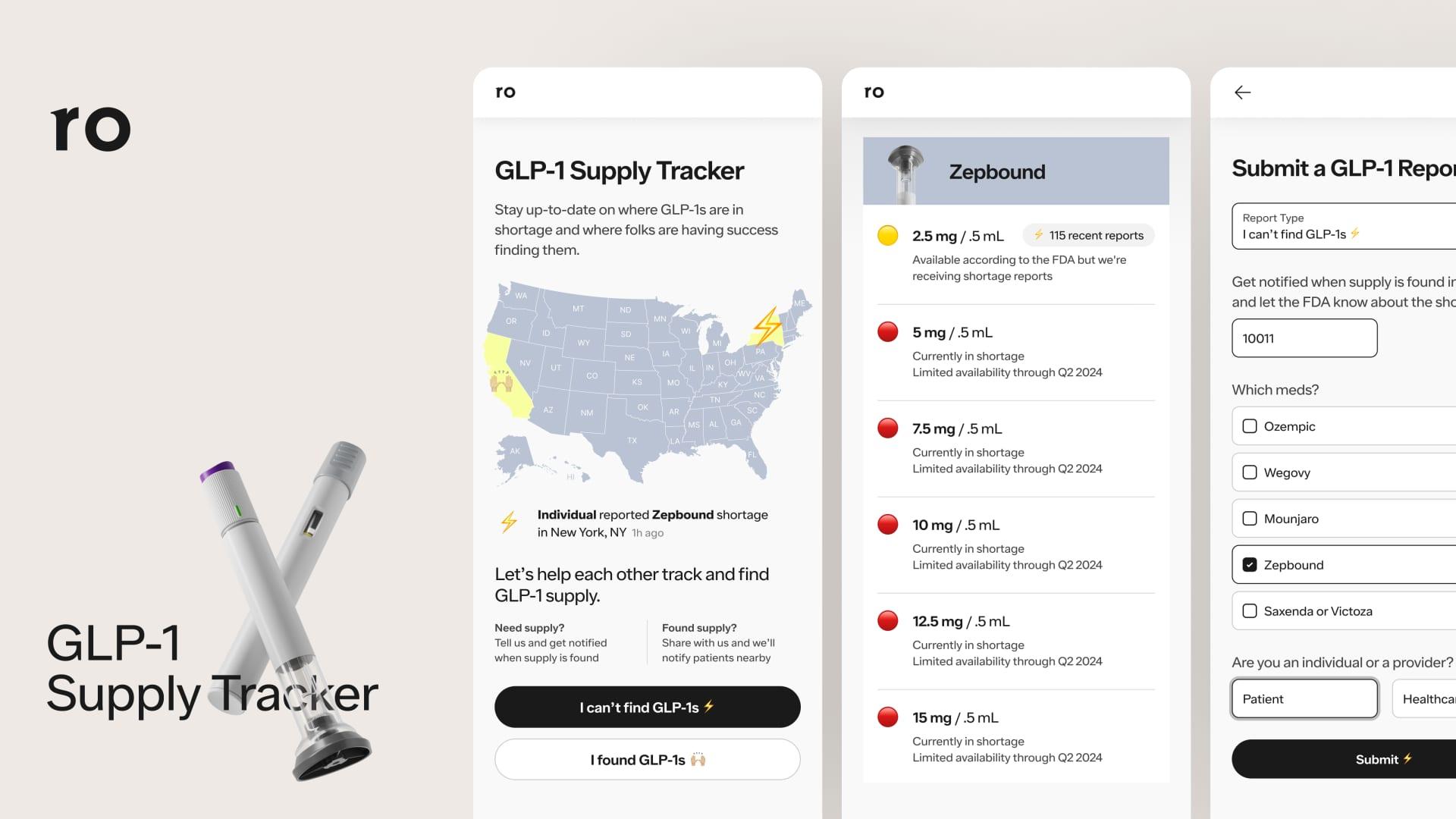
Eli Lilly's Initiative for Employers May Open Up New Demand for GLP-1 Products
Eli Lilly's Market Position: Eli Lilly continues to dominate the weight-loss and diabetes drug market, projecting a 25% growth in earnings for 2026, despite a slowdown from the previous year's 45% growth.
Competitor Challenges: In contrast, competitor Novo Nordisk is forecasting a decline in revenue growth for 2026, with expected sales falling between 5% and 13%, highlighting a significant market shift.
Employer Connect Initiative: Eli Lilly has launched the Employer Connect platform to address gaps in employer-sponsored obesity care, aiming to increase access to its drugs and potentially boost sales significantly.
New Drug Developments: The company is also advancing its oral GLP-1 medication, which has shown promising results in clinical trials, positioning itself for a larger share of the diabetes treatment market.

Restaurant Stocks Face Inflation and Economic Volatility Challenges

- Industry Decline: The S&P 500 Hotels, Restaurants, and Leisure sector is down approximately 4% in 2026, while the broader benchmark index has fallen 1.8%, indicating the restaurant industry's struggles amid inflation and uneven economic growth.
- Fast-Food Chains Struggling: DoorDash's stock has plummeted over 27%, Chipotle is down nearly 12%, and Wendy's has lost 15% year-to-date, reflecting shifts in consumer spending habits and the impact of GLP-1 drugs on dining out.
- Impact of GLP-1 Drugs: Research indicates that households with GLP-1 users experienced an 8% short-term decline in food-away-from-home spending, which could significantly affect sales at quick-service and fast-casual restaurants, particularly among lower-income consumers.
- Labor Market Volatility: The unemployment rate rose slightly to 4.4% in February, correlating with weak restaurant demand, as fast-casual and quick-service restaurants reported stagnant or declining same-store sales, highlighting the sensitivity of younger consumers to labor market changes.
Eli Lilly's EBGLYSS Shows Positive Results in Pediatric Eczema Trial
- Clinical Trial Results: In the Phase 3 ADorable-1 study, 63% of patients achieved significant skin improvement (EASI-75) by Week 16, while 44% reached clear or almost clear skin (IGA 0,1), indicating EBGLYSS's efficacy in treating pediatric eczema and potentially changing treatment standards.
- Key Secondary Endpoints: 39% of patients achieved near-complete skin clearance (EASI-90) and 35% experienced significant itch relief (Pruritus NRS≥4-point improvement), enhancing patient quality of life and laying a solid foundation for future market promotion.
- Safety and Tolerability: The safety profile of EBGLYSS was consistent with adult and adolescent studies, with no injection site pain reported and common adverse events like upper respiratory infections and nasopharyngitis showing no significant differences between treatment groups, demonstrating good tolerability of the drug.
- Market Outlook: Lilly plans to submit these positive data to U.S. and global regulators for a potential label update, which, if approved, could provide new treatment options for the 9.6 million children with eczema in the U.S., significantly enhancing the company's market position in dermatology.
Eli Lilly Reports Positive Phase 3 Results for EBGLYSS in Pediatric Atopic Dermatitis
- Successful Clinical Trial: Eli Lilly's Phase 3 ADorable-1 trial demonstrated that EBGLYSS met primary and key secondary endpoints at Week 16, with 63% of patients achieving significant skin improvement and 44% achieving clear or almost clear skin, indicating the drug's efficacy in treating moderate-to-severe atopic dermatitis in children.
- Widespread Disease Impact: Atopic dermatitis affects 9.6 million children in the U.S., with one-third suffering from moderate-to-severe cases, and the success of EBGLYSS offers new treatment hope for this large patient population, potentially improving their quality of life significantly.
- Good Safety Profile: The safety and tolerability of EBGLYSS were consistent with adult and adolescent studies, with no injection site pain reported, indicating a high safety profile for use in pediatric patients and enhancing its market potential.
- Positive Market Reaction: In pre-market trading on Monday, Eli Lilly's stock was priced at $986.37, up 0.11%, reflecting investor optimism regarding the positive clinical results of EBGLYSS, which may drive future growth for the company.
Eli Lilly's Pediatric Atopic Dermatitis Drug Trial Shows Positive Results
- Clinical Trial Results: In the Phase 3 ADorable-1 study, 63% of patients achieved significant skin improvement (EASI-75) by Week 16, while 44% reached clear or almost clear skin (IGA 0,1), indicating EBGLYSS's efficacy in treating pediatric moderate-to-severe atopic dermatitis.
- Key Secondary Endpoints: Among key secondary endpoints, 39% of patients achieved near-complete skin clearance (EASI-90) and 35% experienced significant itch relief (Pruritus NRS≥4-point improvement), demonstrating the drug's potential to alleviate symptoms and improve quality of life for young patients.
- Safety and Tolerability: The safety and tolerability profile of EBGLYSS was consistent with adult and adolescent studies, with no injection site pain reported and the most common adverse events being upper respiratory tract infections and nasopharyngitis, indicating good safety in children.
- Future Outlook: Lilly plans to submit these positive data to U.S. and global regulators for a potential label update, which, if approved, could provide new treatment options for 9.6 million children in the U.S., significantly enhancing their quality of life.
Three Stocks Likely to Announce Upcoming Stock Splits
Stock Splits Overview: Stock splits are actions taken by companies to make their shares more affordable for retail investors, typically occurring after periods of significant growth or innovation.
Investor Psychology: The intrinsic value of a company remains unchanged after a stock split, but investor psychology plays a crucial role in driving short-term performance, as lower-priced shares may attract more buyers.
Examples of Companies: Companies like Costco and Walmart have announced stock splits, with Costco's stock trading over $1,000 per share and Walmart's split planned for January 2024, reflecting strong share price growth.
Future Stock Splits: Analysts suggest that companies like KLA Corporation and Eli Lilly may consider stock splits in the future, driven by their strong growth stories and increasing share prices, which could benefit investors.
Eli Lilly's Initiative for Employers May Open Up New Demand for GLP-1 Products
Eli Lilly's Market Position: Eli Lilly continues to dominate the weight-loss and diabetes drug market, projecting a 25% growth in earnings for 2026, despite a slowdown from the previous year's 45% growth.
Competitor Challenges: In contrast, competitor Novo Nordisk is forecasting a decline in revenue growth for 2026, with expected sales falling between 5% and 13%, highlighting a significant market shift.
Employer Connect Initiative: Eli Lilly has launched the Employer Connect platform to address gaps in employer-sponsored obesity care, aiming to increase access to its drugs and potentially boost sales significantly.
New Drug Developments: The company is also advancing its oral GLP-1 medication, which has shown promising results in clinical trials, positioning itself for a larger share of the diabetes treatment market.
Restaurant Stocks Face Inflation and Economic Volatility Challenges
- Industry Decline: The S&P 500 Hotels, Restaurants, and Leisure sector is down approximately 4% in 2026, while the broader benchmark index has fallen 1.8%, indicating the restaurant industry's struggles amid inflation and uneven economic growth.
- Fast-Food Chains Struggling: DoorDash's stock has plummeted over 27%, Chipotle is down nearly 12%, and Wendy's has lost 15% year-to-date, reflecting shifts in consumer spending habits and the impact of GLP-1 drugs on dining out.
- Impact of GLP-1 Drugs: Research indicates that households with GLP-1 users experienced an 8% short-term decline in food-away-from-home spending, which could significantly affect sales at quick-service and fast-casual restaurants, particularly among lower-income consumers.
- Labor Market Volatility: The unemployment rate rose slightly to 4.4% in February, correlating with weak restaurant demand, as fast-casual and quick-service restaurants reported stagnant or declining same-store sales, highlighting the sensitivity of younger consumers to labor market changes.