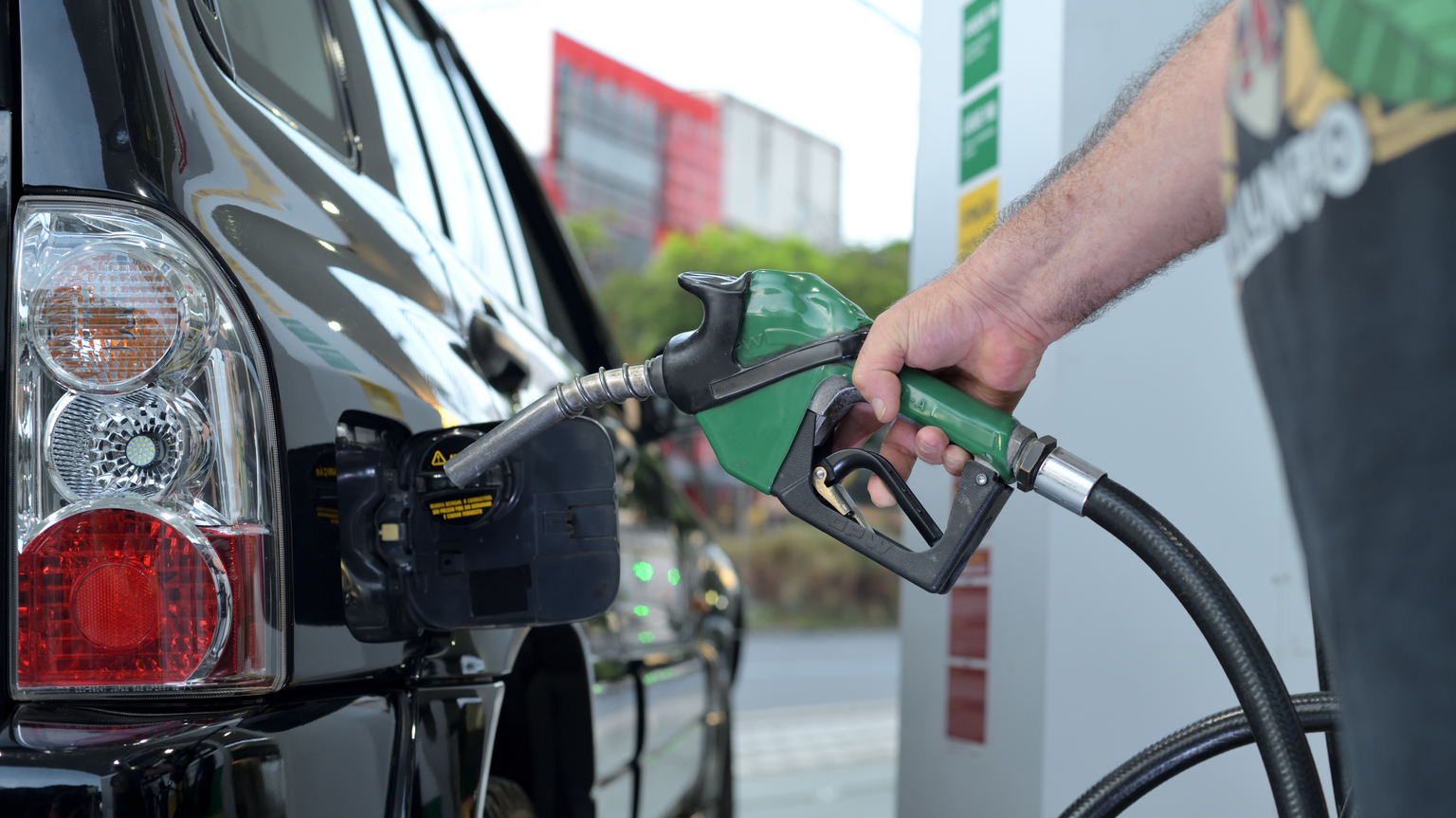
Electric Vehicle Sales Surge 51% in Europe Amid Energy Crisis
Written by Emily J. Thompson, Senior Investment Analyst
Updated: 17 hours ago
0mins
Source: seekingalpha
- Surge in EV Registrations: In March 2026, battery electric vehicle (BEV) registrations in key European markets soared by 51% year-over-year, with over 224,000 units sold in the month, highlighting the role of EVs in enhancing energy security amid global market disruptions.
- Italy's Strong Performance: Italy's BEV registrations increased by 65% year-to-date, raising its market share from around 5% at the end of 2025 to 8.6% in March, indicating a rapid acceleration in the country's transition to electric vehicles.
- Germany's Recovery: Following new incentive policies, about one in four cars sold in Germany in March were fully electric, with BEV sales up 42% year-to-date, reflecting a significant increase in consumer acceptance of electric vehicles.
- Nordic Region Leading: Denmark and Finland reported fully electric sales of 76.6% and nearly 50%, respectively, continuing to lead in EV adoption and squeezing traditional fuel vehicles out of the market, thereby driving the overall market towards sustainable development.
Trade with 70% Backtested Accuracy
Stop guessing "Should I Buy F?" and start using high-conviction signals backed by rigorous historical data.
Sign up today to access powerful investing tools and make smarter, data-driven decisions.
Analyst Views on F
Wall Street analysts forecast F stock price to rise
14 Analyst Rating
3 Buy
10 Hold
1 Sell
Hold
Current: 12.870

Low
11.00
Averages
13.65
High
16.00
Current: 12.870
Low
11.00
Averages
13.65
High
16.00
About F
Ford Motor Company is an automobile company. The Company develops and delivers Ford trucks, sport utility vehicles, commercial vans and cars, and Lincoln luxury vehicles, along with connected services. The Company’s segments include Ford Blue, Ford Model e, Ford Pro, and Ford Credit. The Ford Blue segment primarily includes the sale of Ford and Lincoln internal combustion engine (ICE) and hybrid vehicles, service parts, accessories, and digital services for retail customers. The Ford Model e segment primarily includes the sale of its electric vehicles, service parts, accessories, and digital services for retail customers. The Ford Pro segment primarily includes the sale of Ford and Lincoln vehicles, service parts, accessories, and services for commercial, government, and rental customers. The Ford Credit segment consists of the Ford Credit business on a consolidated basis, which is primarily vehicle-related financing and leasing activities. Its vehicle brands are Ford and Lincoln.
About the author

Emily J. Thompson
Emily J. Thompson, a Chartered Financial Analyst (CFA) with 12 years in investment research, graduated with honors from the Wharton School. Specializing in industrial and technology stocks, she provides in-depth analysis for Intellectia’s earnings and market brief reports.
Changan Aims for Top-10 Global Automaker Status by 2030

- Global Sales Target: Changan aims to achieve global sales of 5 million vehicles by 2030, with a minimum target of 4 million units, and expects fully electric and plug-in hybrid models to account for 60% of total sales, significantly enhancing its competitiveness in the global market.
- Overseas Market Expansion: The company targets overseas sales of between 1.4 million and 1.8 million units by 2030, having sold 638,000 vehicles abroad last year, indicating a proactive approach to globalization amid slowing growth in the Chinese market.
- Electric Vehicle Launch: Changan plans to introduce two fully electric sedans powered by sodium-ion batteries from CATL in 2027, with an expected range of around 400 km, which will lower production costs and enhance market competitiveness.
- Industry Position Enhancement: Achieving the 5 million sales target would position Changan as the fifth-largest automaker globally, further solidifying its standing in the automotive industry, especially in competition with rivals like Geely and BYD.
See More

Electric Vehicle Sales Surge 51% in Europe Amid Energy Crisis

- Surge in EV Registrations: In March 2026, battery electric vehicle (BEV) registrations in key European markets soared by 51% year-over-year, with over 224,000 units sold in the month, highlighting the role of EVs in enhancing energy security amid global market disruptions.
- Italy's Strong Performance: Italy's BEV registrations increased by 65% year-to-date, raising its market share from around 5% at the end of 2025 to 8.6% in March, indicating a rapid acceleration in the country's transition to electric vehicles.
- Germany's Recovery: Following new incentive policies, about one in four cars sold in Germany in March were fully electric, with BEV sales up 42% year-to-date, reflecting a significant increase in consumer acceptance of electric vehicles.
- Nordic Region Leading: Denmark and Finland reported fully electric sales of 76.6% and nearly 50%, respectively, continuing to lead in EV adoption and squeezing traditional fuel vehicles out of the market, thereby driving the overall market towards sustainable development.
See More
Chinese Automakers Target German Luxury Market
- Intensified Market Competition: Chinese automakers like Geely and Nio are launching several premium electric vehicle models priced significantly lower than German brands such as Porsche, Mercedes, and BMW, posing a major threat to these legacy luxury manufacturers, particularly in China, the world's largest auto market.
- Declining Sales Figures: According to S&P Global Mobility, cumulative sales of German automakers in China fell nearly 25% from 5.1 million vehicles in 2019 to 3.85 million, indicating a sharp decline in market share and increasing competitive pressure.
- New Model Launches: At the upcoming Beijing Auto Show, the industry is set to unveil 181 new models and 71 concept cars, including Geely's 8X luxury plug-in hybrid SUV, starting at under $53,000, showcasing the advantages of Chinese brands in technology and safety features.
- Shifting Consumer Preferences: As the average age of Chinese car buyers rises and demand for larger premium models increases, German brands face growing challenges, particularly as younger consumers gravitate towards local brands with advanced technology, threatening the market position of German luxury brands.
See More

Tesla Advances FSD Rollout Plans in China

- FSD Progress: Tesla is preparing for a supervised FSD rollout in China, with full approval potentially arriving this year, which will significantly enhance its competitive edge in the Chinese market, especially against local rivals like BYD.
- Robotaxi Expansion: Tesla expanded its unsupervised Robotaxi service to Dallas and Houston, adding two new Texas hubs that further strengthen its autonomous driving network in the U.S., potentially attracting more users and increasing market share.
- Delivery Leadership: Despite fierce competition, Tesla regained the global battery-electric vehicle delivery lead in Q1 2026, reporting 358,023 deliveries compared to BYD's 310,389, demonstrating its robust position in the EV market.
- Stock Rebound: Tesla shares rose 15% last week, breaking an eight-week losing streak, reflecting investor optimism about its future prospects, particularly following the rollout of the Robotaxi service, which has significantly improved market expectations for its stock price.
See More
Ford's Future Outlook Shows Signs of Stagnation
- Sales Growth Stagnation: Ford's projected automotive sales growth of only 24% over the next decade mirrors the past ten years, indicating a mature global car market and the company's legacy position, which may lead investors to feel disappointed about its long-term growth prospects.
- Declining Profitability: The company's adjusted operating margin is expected to be just 3.6% in 2025, significantly lower than 6.8% in 2015, highlighting the immense cost structure pressures that hinder operational leverage and overall profitability.
- Intensified Competitive Risks: The notable success of foreign car manufacturers makes it difficult for Ford to stand out in a crowded market, and due to the cyclical nature of vehicle purchases, Ford is particularly vulnerable to economic fluctuations, which could undermine shareholder confidence.
- Dismal Stock Outlook: Although Ford's current price-to-earnings ratio is 11.3, if it remains unchanged over the next decade, the stock is projected to rise to $15.43 from $12.44, reflecting only a 24% capital appreciation, indicating insufficient investment return attractiveness.
See More

Ford's Future Growth Prospects Remain Weak
- Intensified Market Competition: Ford faces fierce competition in the mature automotive industry, with growth expected to remain extremely low over the next decade; despite a 24% increase in U.S. vehicle sales by 2025 compared to 2015, overall market demand will continue to fluctuate, impacting profitability.
- Declining Profitability: Ford's adjusted operating margin was only 3.6% in 2025, significantly lower than 6.8% in 2015, indicating that the company struggles to achieve operational leverage under a high-cost structure, leading to bleak future profit prospects.
- Poor Stock Performance: With a current P/E ratio of 11.3, if unchanged over the next decade, Ford's stock is projected to rise to $15.43, representing only a 24% capital appreciation from the current $12.44, highlighting insufficient investment appeal.
- Investor Confidence Lacking: Ford's absence from the Motley Fool's recommended best stocks list reflects widespread skepticism about its future performance, prompting investors to carefully consider its potential as an investment opportunity.
See More
Changan Aims for Top-10 Global Automaker Status by 2030
- Global Sales Target: Changan aims to achieve global sales of 5 million vehicles by 2030, with a minimum target of 4 million units, and expects fully electric and plug-in hybrid models to account for 60% of total sales, significantly enhancing its competitiveness in the global market.
- Overseas Market Expansion: The company targets overseas sales of between 1.4 million and 1.8 million units by 2030, having sold 638,000 vehicles abroad last year, indicating a proactive approach to globalization amid slowing growth in the Chinese market.
- Electric Vehicle Launch: Changan plans to introduce two fully electric sedans powered by sodium-ion batteries from CATL in 2027, with an expected range of around 400 km, which will lower production costs and enhance market competitiveness.
- Industry Position Enhancement: Achieving the 5 million sales target would position Changan as the fifth-largest automaker globally, further solidifying its standing in the automotive industry, especially in competition with rivals like Geely and BYD.
See More
Electric Vehicle Sales Surge 51% in Europe Amid Energy Crisis
- Surge in EV Registrations: In March 2026, battery electric vehicle (BEV) registrations in key European markets soared by 51% year-over-year, with over 224,000 units sold in the month, highlighting the role of EVs in enhancing energy security amid global market disruptions.
- Italy's Strong Performance: Italy's BEV registrations increased by 65% year-to-date, raising its market share from around 5% at the end of 2025 to 8.6% in March, indicating a rapid acceleration in the country's transition to electric vehicles.
- Germany's Recovery: Following new incentive policies, about one in four cars sold in Germany in March were fully electric, with BEV sales up 42% year-to-date, reflecting a significant increase in consumer acceptance of electric vehicles.
- Nordic Region Leading: Denmark and Finland reported fully electric sales of 76.6% and nearly 50%, respectively, continuing to lead in EV adoption and squeezing traditional fuel vehicles out of the market, thereby driving the overall market towards sustainable development.
See More
Chinese Automakers Target German Luxury Market
- Intensified Market Competition: Chinese automakers like Geely and Nio are launching several premium electric vehicle models priced significantly lower than German brands such as Porsche, Mercedes, and BMW, posing a major threat to these legacy luxury manufacturers, particularly in China, the world's largest auto market.
- Declining Sales Figures: According to S&P Global Mobility, cumulative sales of German automakers in China fell nearly 25% from 5.1 million vehicles in 2019 to 3.85 million, indicating a sharp decline in market share and increasing competitive pressure.
- New Model Launches: At the upcoming Beijing Auto Show, the industry is set to unveil 181 new models and 71 concept cars, including Geely's 8X luxury plug-in hybrid SUV, starting at under $53,000, showcasing the advantages of Chinese brands in technology and safety features.
- Shifting Consumer Preferences: As the average age of Chinese car buyers rises and demand for larger premium models increases, German brands face growing challenges, particularly as younger consumers gravitate towards local brands with advanced technology, threatening the market position of German luxury brands.
See More
Tesla Advances FSD Rollout Plans in China
- FSD Progress: Tesla is preparing for a supervised FSD rollout in China, with full approval potentially arriving this year, which will significantly enhance its competitive edge in the Chinese market, especially against local rivals like BYD.
- Robotaxi Expansion: Tesla expanded its unsupervised Robotaxi service to Dallas and Houston, adding two new Texas hubs that further strengthen its autonomous driving network in the U.S., potentially attracting more users and increasing market share.
- Delivery Leadership: Despite fierce competition, Tesla regained the global battery-electric vehicle delivery lead in Q1 2026, reporting 358,023 deliveries compared to BYD's 310,389, demonstrating its robust position in the EV market.
- Stock Rebound: Tesla shares rose 15% last week, breaking an eight-week losing streak, reflecting investor optimism about its future prospects, particularly following the rollout of the Robotaxi service, which has significantly improved market expectations for its stock price.
See More
Ford's Future Outlook Shows Signs of Stagnation
- Sales Growth Stagnation: Ford's projected automotive sales growth of only 24% over the next decade mirrors the past ten years, indicating a mature global car market and the company's legacy position, which may lead investors to feel disappointed about its long-term growth prospects.
- Declining Profitability: The company's adjusted operating margin is expected to be just 3.6% in 2025, significantly lower than 6.8% in 2015, highlighting the immense cost structure pressures that hinder operational leverage and overall profitability.
- Intensified Competitive Risks: The notable success of foreign car manufacturers makes it difficult for Ford to stand out in a crowded market, and due to the cyclical nature of vehicle purchases, Ford is particularly vulnerable to economic fluctuations, which could undermine shareholder confidence.
- Dismal Stock Outlook: Although Ford's current price-to-earnings ratio is 11.3, if it remains unchanged over the next decade, the stock is projected to rise to $15.43 from $12.44, reflecting only a 24% capital appreciation, indicating insufficient investment return attractiveness.
See More
Ford's Future Growth Prospects Remain Weak
- Intensified Market Competition: Ford faces fierce competition in the mature automotive industry, with growth expected to remain extremely low over the next decade; despite a 24% increase in U.S. vehicle sales by 2025 compared to 2015, overall market demand will continue to fluctuate, impacting profitability.
- Declining Profitability: Ford's adjusted operating margin was only 3.6% in 2025, significantly lower than 6.8% in 2015, indicating that the company struggles to achieve operational leverage under a high-cost structure, leading to bleak future profit prospects.
- Poor Stock Performance: With a current P/E ratio of 11.3, if unchanged over the next decade, Ford's stock is projected to rise to $15.43, representing only a 24% capital appreciation from the current $12.44, highlighting insufficient investment appeal.
- Investor Confidence Lacking: Ford's absence from the Motley Fool's recommended best stocks list reflects widespread skepticism about its future performance, prompting investors to carefully consider its potential as an investment opportunity.
See More