Near-Collision Incidents at U.S. Airports Raise Safety Concerns
Written by Emily J. Thompson, Senior Investment Analyst
Updated: Apr 21 2026
0mins
Source: seekingalpha
- Frequent Near-Miss Incidents: At New York's JFK Airport, two passenger jets aborted landings due to anti-collision system warnings, highlighting urgent concerns over air traffic control procedures, especially during busy parallel runway operations.
- FAA Investigation Launched: The Federal Aviation Administration has initiated an investigation into the incident, emphasizing the mounting pressure on aviation infrastructure, particularly as airlines face strong travel demand, where safety risks could lead to increased operational costs.
- Recurrent Similarities: This incident mirrors an April near-miss at Nashville International Airport, involving parallel runway operations and pilots relying on cockpit warning systems for emergency maneuvers, indicating that the aviation system's safety net increasingly depends on technology.
- Investor Implications: For investors, frequent safety alerts may prompt stricter oversight and increased demand for air traffic controllers, potentially impacting the confidence and operational efficiency of airlines, aircraft manufacturers, and airport operators.
Trade with 70% Backtested Accuracy
Stop guessing "Should I Buy LUV?" and start using high-conviction signals backed by rigorous historical data.
Sign up today to access powerful investing tools and make smarter, data-driven decisions.
Analyst Views on LUV
Wall Street analysts forecast LUV stock price to rise
14 Analyst Rating
4 Buy
9 Hold
1 Sell
Hold
Current: 40.780

Low
34.00
Averages
44.21
High
60.00
Current: 40.780
Low
34.00
Averages
44.21
High
60.00
About LUV
Southwest Airlines Co. (Southwest) operates Southwest Airlines, a passenger airline that provides scheduled air transportation in the United States and near-international markets. The Company's fare products include four categories: Wanna Get Away, Wanna Get Away Plus, Anytime, and Business Select to provide customers options when choosing a fare. It also offers ancillary services, such as EarlyBird Check-In, Upgraded Boarding, and transportation of pets and unaccompanied minors, in accordance with Southwest’s respective policies. Its Rapid Rewards loyalty program enables program members to earn points for every dollar spent on Southwest base fares, also including purchases paid with LUV Vouchers, gift cards, or flight credit, with no portion of the purchase price paid with Rapid Rewards points. It operates over 803 Boeing 737 aircraft in its fleet and serves 117 destinations in 42 states, the District of Columbia, the Commonwealth of Puerto Rico, and ten near-international countries.
About the author

Emily J. Thompson
Emily J. Thompson, a Chartered Financial Analyst (CFA) with 12 years in investment research, graduated with honors from the Wharton School. Specializing in industrial and technology stocks, she provides in-depth analysis for Intellectia’s earnings and market brief reports.

US Stocks Edge Up as IBM Receives $1 Billion Grant


- Market Recovery: On Thursday, the S&P 500 rose by 0.17%, the Dow Jones Industrial Average increased by 0.55%, and the Nasdaq 100 gained 0.20%, indicating a recovery from early losses, particularly with the Dow reaching a 3.25-month high, reflecting investor confidence in economic stability.
- IBM Government Funding: IBM's stock surged by 12% after receiving a $1 billion grant from the US government to invest in its quantum computing business, which not only strengthens the company's technological capabilities but also positions it favorably for future market competition.
- Supportive Economic Data: Initial US weekly unemployment claims fell to 209,000, close to the expected 210,000, indicating stability in the labor market, while strong performance in manufacturing and housing further bolstered market confidence, despite the Philadelphia Fed business outlook survey dropping to a 5-month low.
- Oil Price Volatility: WTI crude oil prices experienced significant volatility on Thursday, initially rising before retreating over 1% after Iran stated that the latest US proposal had
See More

US Stock Indices Decline as Oil Prices Surge
- Oil Price Surge Affects Markets: Crude oil prices jumped over 3% due to doubts about a US-Iran peace deal, leading the S&P 500 to decline by 0.44%, the Dow Jones by 0.47%, and the Nasdaq 100 by 0.49%, indicating market sensitivity to geopolitical risks.
- Mixed Economic Data: Initial US weekly unemployment claims fell by 3,000 to 209,000, close to the expected 210,000, while the May Philadelphia Fed business outlook unexpectedly dropped by 27.1 to -0.4, reflecting uncertainty in economic recovery that could impact investor confidence.
- Divergent Tech Stock Performance: Nvidia's earnings report exceeded expectations, yet its stock fell by 0.60% amid rising competition, highlighting the challenges tech companies face in sustaining growth in a highly competitive environment.
- International Market Volatility: Overseas stock markets showed mixed results, with the Euro Stoxx 50 down 0.52% and Japan's Nikkei up 3.14%, reflecting varying responses to economic conditions across different regions, which may influence investors' asset allocation strategies.
See More

Southwest Airlines CEO to Join Strategic Conference

- Conference Participation: Bob Jordan, President and CEO of Southwest Airlines, will participate in Bernstein's 42nd Annual Strategic Decisions Conference on May 28, 2026, showcasing the company's strategic direction in the industry.
- Live Webcast: The event will be webcast live, allowing investors to access the presentation through the Southwest Airlines Investor Relations homepage, enhancing interaction between the company and its investors.
- Information Transparency: By providing detailed information and a webcast link for the conference, Southwest Airlines aims to improve transparency and ensure investors receive timely updates on the company's strategic initiatives, bolstering market confidence.
- Strategic Communication: Jordan's participation not only highlights the leadership's commitment to strategic decision-making but may also offer investors deeper insights into future business developments, fostering trust between the company and its investors.
See More

SpaceX's Starlink Business Sees Significant Growth
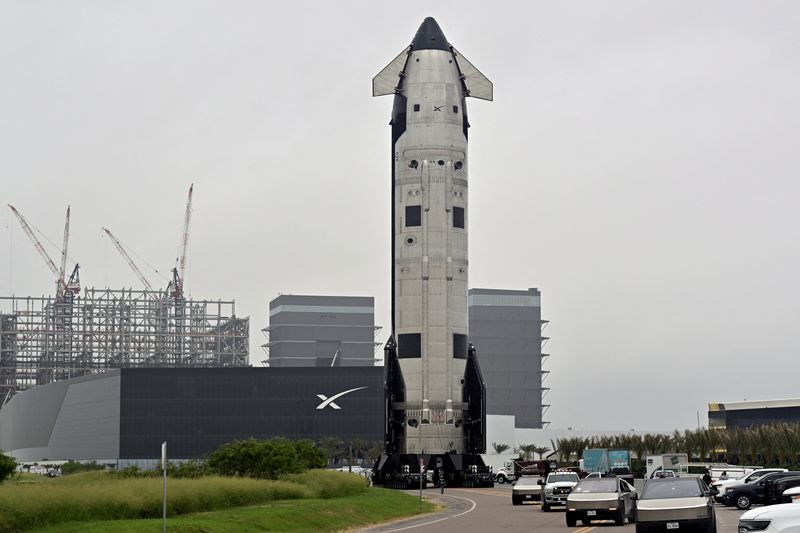
- Significant Revenue Growth: SpaceX's Starlink generated $11.39 billion in revenue last year, accounting for 61% of total sales, with this figure rising to 69% in Q1 of this year, underscoring its critical role in the company's overall performance.
- Strong Profitability: Starlink was the only profitable division for SpaceX, generating $4.42 billion in net income last year, while the rocket launch division lost $657 million and the AI division incurred a $6.35 billion deficit, highlighting Starlink's strategic importance as a profit engine.
- Rapid User Base Expansion: Starlink's user base surpassed 10.3 million in Q1, more than doubling from the previous year, indicating strong global demand, particularly among commercial clients such as airlines, enhancing its market position.
- Surge in Capital Expenditures: SpaceX reported capital expenditures of $10.1 billion in Q1, more than doubling year-over-year, with $7.7 billion allocated to AI development, reflecting the company's strategic investment in technology innovation and market competitiveness.
See More
Southwest Airlines CEO to Join Strategic Conference
- Conference Participation: Bob Jordan, President and CEO of Southwest Airlines, will participate in Bernstein's 42nd Annual Strategic Decisions Conference on May 28, 2026, showcasing the company's leadership in the industry.
- Live Webcast: The event will be webcast live, allowing investors to access the presentation through the Southwest Airlines Investor Relations homepage, enhancing interaction between the company and its investors.
- Information Transparency: By providing detailed information about the conference, including date, time, and speakers, Southwest Airlines demonstrates its commitment to transparency, which can help boost investor confidence.
- Strategic Communication: Jordan's participation not only articulates the company's strategy but also offers investors insights into the future direction of the company, further solidifying its market position in the airline industry.
See More

SpaceX's Starlink Business Sees Significant Growth


- Revenue Growth: SpaceX's Starlink business generated $11.39 billion in revenue last year, accounting for 61% of total sales, which increased to 69% in Q1 this year, indicating strong growth potential in the global high-speed internet market.
- Profitability: Starlink is the only profitable division of SpaceX, generating $4.42 billion in net income last year, while the rocket launch and AI divisions reported losses of $657 million and $6.35 billion respectively, highlighting Starlink's role as the company's profit engine.
- User Base Expansion: Starlink's user base surpassed 10.3 million in Q1, more than doubling from the previous year, demonstrating its increasing appeal in the global market and laying the groundwork for future revenue growth.
- Intensifying Market Competition: While Starlink holds a dominant position, it faces competition from over 20 companies including OneWeb, Amazon, and Blue Origin, necessitating continuous innovation from SpaceX to maintain its market leadership.
See More
US Stocks Edge Up as IBM Receives $1 Billion Grant
- Market Recovery: On Thursday, the S&P 500 rose by 0.17%, the Dow Jones Industrial Average increased by 0.55%, and the Nasdaq 100 gained 0.20%, indicating a recovery from early losses, particularly with the Dow reaching a 3.25-month high, reflecting investor confidence in economic stability.
- IBM Government Funding: IBM's stock surged by 12% after receiving a $1 billion grant from the US government to invest in its quantum computing business, which not only strengthens the company's technological capabilities but also positions it favorably for future market competition.
- Supportive Economic Data: Initial US weekly unemployment claims fell to 209,000, close to the expected 210,000, indicating stability in the labor market, while strong performance in manufacturing and housing further bolstered market confidence, despite the Philadelphia Fed business outlook survey dropping to a 5-month low.
- Oil Price Volatility: WTI crude oil prices experienced significant volatility on Thursday, initially rising before retreating over 1% after Iran stated that the latest US proposal had
See More
US Stock Indices Decline as Oil Prices Surge
- Oil Price Surge Affects Markets: Crude oil prices jumped over 3% due to doubts about a US-Iran peace deal, leading the S&P 500 to decline by 0.44%, the Dow Jones by 0.47%, and the Nasdaq 100 by 0.49%, indicating market sensitivity to geopolitical risks.
- Mixed Economic Data: Initial US weekly unemployment claims fell by 3,000 to 209,000, close to the expected 210,000, while the May Philadelphia Fed business outlook unexpectedly dropped by 27.1 to -0.4, reflecting uncertainty in economic recovery that could impact investor confidence.
- Divergent Tech Stock Performance: Nvidia's earnings report exceeded expectations, yet its stock fell by 0.60% amid rising competition, highlighting the challenges tech companies face in sustaining growth in a highly competitive environment.
- International Market Volatility: Overseas stock markets showed mixed results, with the Euro Stoxx 50 down 0.52% and Japan's Nikkei up 3.14%, reflecting varying responses to economic conditions across different regions, which may influence investors' asset allocation strategies.
See More
Southwest Airlines CEO to Join Strategic Conference
- Conference Participation: Bob Jordan, President and CEO of Southwest Airlines, will participate in Bernstein's 42nd Annual Strategic Decisions Conference on May 28, 2026, showcasing the company's strategic direction in the industry.
- Live Webcast: The event will be webcast live, allowing investors to access the presentation through the Southwest Airlines Investor Relations homepage, enhancing interaction between the company and its investors.
- Information Transparency: By providing detailed information and a webcast link for the conference, Southwest Airlines aims to improve transparency and ensure investors receive timely updates on the company's strategic initiatives, bolstering market confidence.
- Strategic Communication: Jordan's participation not only highlights the leadership's commitment to strategic decision-making but may also offer investors deeper insights into future business developments, fostering trust between the company and its investors.
See More
SpaceX's Starlink Business Sees Significant Growth
- Significant Revenue Growth: SpaceX's Starlink generated $11.39 billion in revenue last year, accounting for 61% of total sales, with this figure rising to 69% in Q1 of this year, underscoring its critical role in the company's overall performance.
- Strong Profitability: Starlink was the only profitable division for SpaceX, generating $4.42 billion in net income last year, while the rocket launch division lost $657 million and the AI division incurred a $6.35 billion deficit, highlighting Starlink's strategic importance as a profit engine.
- Rapid User Base Expansion: Starlink's user base surpassed 10.3 million in Q1, more than doubling from the previous year, indicating strong global demand, particularly among commercial clients such as airlines, enhancing its market position.
- Surge in Capital Expenditures: SpaceX reported capital expenditures of $10.1 billion in Q1, more than doubling year-over-year, with $7.7 billion allocated to AI development, reflecting the company's strategic investment in technology innovation and market competitiveness.
See More
Southwest Airlines CEO to Join Strategic Conference
- Conference Participation: Bob Jordan, President and CEO of Southwest Airlines, will participate in Bernstein's 42nd Annual Strategic Decisions Conference on May 28, 2026, showcasing the company's leadership in the industry.
- Live Webcast: The event will be webcast live, allowing investors to access the presentation through the Southwest Airlines Investor Relations homepage, enhancing interaction between the company and its investors.
- Information Transparency: By providing detailed information about the conference, including date, time, and speakers, Southwest Airlines demonstrates its commitment to transparency, which can help boost investor confidence.
- Strategic Communication: Jordan's participation not only articulates the company's strategy but also offers investors insights into the future direction of the company, further solidifying its market position in the airline industry.
See More
SpaceX's Starlink Business Sees Significant Growth
- Revenue Growth: SpaceX's Starlink business generated $11.39 billion in revenue last year, accounting for 61% of total sales, which increased to 69% in Q1 this year, indicating strong growth potential in the global high-speed internet market.
- Profitability: Starlink is the only profitable division of SpaceX, generating $4.42 billion in net income last year, while the rocket launch and AI divisions reported losses of $657 million and $6.35 billion respectively, highlighting Starlink's role as the company's profit engine.
- User Base Expansion: Starlink's user base surpassed 10.3 million in Q1, more than doubling from the previous year, demonstrating its increasing appeal in the global market and laying the groundwork for future revenue growth.
- Intensifying Market Competition: While Starlink holds a dominant position, it faces competition from over 20 companies including OneWeb, Amazon, and Blue Origin, necessitating continuous innovation from SpaceX to maintain its market leadership.
See More