Dow and S&P 500 Close Lower Amid Oil Price Volatility

The Dow and S&P 500 closed lower as traders reacted to volatile oil prices and a key inflation report. Oil prices, which spiked above $100 and briefly approached $120 earlier in the week amid fears of disruptions to shipping through the Strait of Hormuz, have retreated significantly and are now trading below $90 after a coordinated release of emergency reserves. The International Energy Agency has agreed to release roughly 400M barrels from global strategic stockpiles in an effort to stabilize energy markets following the conflict-driven supply shock.U.S. forces sunk a number of Iranian ships, including 16 minelayers, on Tuesday near the Strait of Hormuz, while the United Kingdom Maritime Trade Operations said that a bulk carrier reported their vessel being hit by an unknown projectile near the Strait and two other incidents were also reported on Wednesday morning. Such developments have reinforced the fragility of global energy supply routes and kept risk sentiment unstable. Additionally, ABC News reported that the FBI said Iran wanted to retaliate against the U.S. by launching drones at the West Coast.Meanwhile, the Wall Street Journal reported that the Trump administration plans to announce new tariff investigations as soon as Wednesday.Get caught up quickly on the top news and calls moving stocks with these five Top Five lists.1. STOCK NEWS:The International Energy Agency members have agreed to releasedue to war in the Middle EastOraclereportedand provided an upbeat outlook for Q4Nvidiain Nebiusas part of a strategic partnershipCampbell'sreportedand cut its FY26 guidanceCintasUniFirstfor $310 per share in cash and stock2. WALL STREET CALLS:Niketo Overweight at Barclays on operational progressJPMorganOracle, sees better risk/reward post selloffOptimum Communicationsto Market Perform at Raymond JamesYextto Neutral at Roth CapitalWells Fargo sees "too much risk,"coverage of Harley-Davidsonwith an Underweight rating3. AROUND THE WEB:McDonald'splans to introduce a lower-priced value menu, WSJ reportsIrth Capital has offered to acquire Papa John'sfor $47 per share, WSJ saysEli Lillyplans to invest $3B in China over the next decade, the drugmaker said in a Chinese-language statement on Wednesday, Reuters saysDue to the ongoing Qatar LNG shutdown, Shellhas declared force majeure on its liquefied natural gas contracts with some of its clients in Asia, Bloomberg saysAMDCEO Lisa Su will meet with SamsungChairman Jay Lee in South Korea to discuss cooperation on securing supplies of high-bandwidth memory to use in AI chipsets, Reuters reports4. MOVERS:Ocugengains after Oppenheimercoverage of the stock with an Outperform ratingCaesars (CZR) rises after the Wall Street Journal reported that Tilman Fertitta is in talks tofor about $7BVelo3Dhigher after CEO Arun Jeldifrom an existing debt holder and converted it into sharesKosmosfalls after announcing aHarmony Goldlower after reporting revenue for the5. EARNINGS/GUIDANCE:Target Hospitality, with EPS and revenue beating consensusBrainswayand provided guidance for FY26Sprinklr, with CEO Rory Read commenting that the fourth quarter "capped a pivotal year in our transformation"Kamadaand reaffirms FY26 guidanceServe Roboticsand provided guidance for FY26INDEXES:The Dow fell 289.24, or 0.61%, to 47,417.27, the Nasdaq rose 19.03, or 0.084%, to 22,716.14, and the S&P 500 declined 5.68, or 0.084%, to 6,775.80.
Trade with 70% Backtested Accuracy
Analyst Views on CPB

About CPB
About the author


Dividend Stocks Show Strong Performance in 2026


- Dividend Stock Resurgence: In 2026, dividend stocks are off to a strong start, particularly in higher-yield sectors like consumer staples, utilities, and oil, indicating a shift towards income-generating investments that appeal to income-focused investors.
- Domino's Challenges: Domino's Pizza (DPZ) reported disappointing first-quarter results, leading to a 19% decline year-to-date, with a current P/E ratio of 17, the lowest in three years, suggesting it may now be viewed as a value stock despite its 14-year dividend growth streak.
- Mondelez's Growth Potential: Mondelez International (MDLZ) has risen 14% year-to-date with a dividend yield of approximately 3.3%, triple that of the S&P 500, and while facing low consumer confidence, it is projected to generate free cash flow equivalent to 13% of sales, supporting future dividend growth.
- Campbell's Risks and Opportunities: Campbell's (CPB) stock has fallen over 25% this year, yet its 7.5% dividend yield and 51 consecutive years of dividend payments make it appealing for risk-tolerant investors, although its high payout ratio of 85.3% raises concerns about future dividend sustainability.

Domino's Pizza Announces 15% Dividend Increase
- Dividend Growth: Domino's Pizza raised its dividend by 15% in February, marking its 14th consecutive year of increases, despite a 19% decline in stock price due to disappointing Q1 results, indicating stability in its dividend payments.
- Market Performance: Mondelez International has shown strong performance in 2026 with a 14% stock price increase and a 3.3% dividend yield, maintaining a competitive edge in the consumer staples sector, although it faces challenges from low consumer confidence.
- Investment Opportunity: Campbell Soup Company's stock has dropped over 25%, yet its current 7.5% dividend yield appeals to risk-tolerant value investors, as the company leverages technology to adapt to market changes, potentially laying the groundwork for future growth.
- Long-Term Outlook: Experts predict Mondelez will generate free cash flow equivalent to 13% of sales, supporting high single-digit dividend growth over the next decade, despite uncertainties in the short-term market environment.
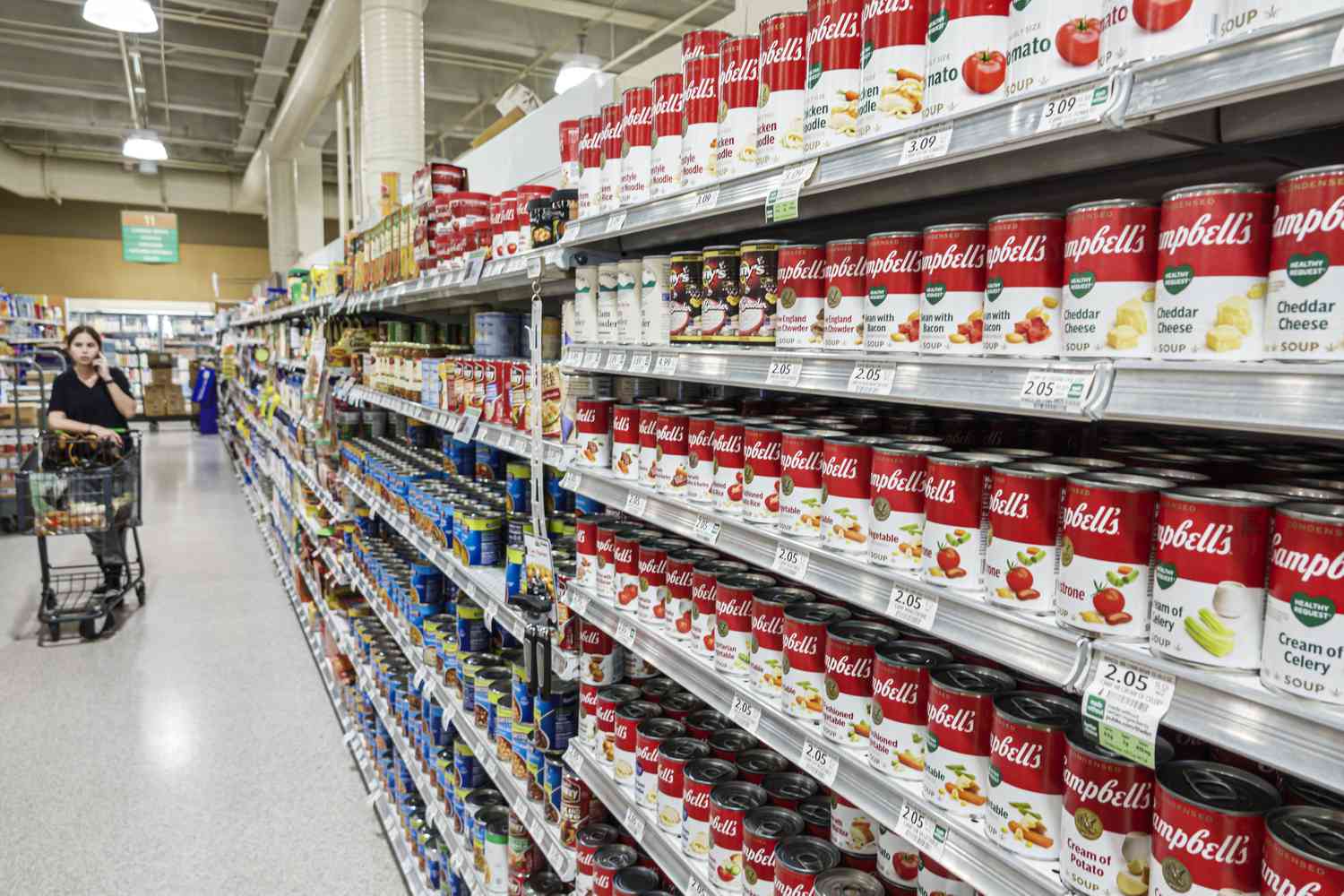
Campbell Acquires 49% Stake in La Regina to Boost Rao's Growth
- Strategic Partnership Strengthened: Campbell has completed the acquisition of a 49% stake in La Regina, solidifying its long-term partnership with the Romano family, which is expected to fuel Rao's Homemade's continued growth and enhance brand competitiveness in the market.
- Sales Milestone Achieved: Rao's Homemade recently surpassed $1 billion in trailing 12-month net sales, becoming the fourth billion-dollar brand in Campbell's portfolio, indicating strong market performance and increased consumer loyalty.
- Commitment to Craftsmanship: Campbell's CEO Mick Beekhuizen stated that this investment aims to preserve the artisanal craftsmanship of Rao's sauces, emphasizing the brand's uniqueness and high-quality ingredients, which further enhances consumer loyalty.
- Financial Impact Outlook: Campbell expects the transaction to be neutral to its fiscal 2026 adjusted EPS, reflecting the company's cautious financial management as it expands its brand portfolio.
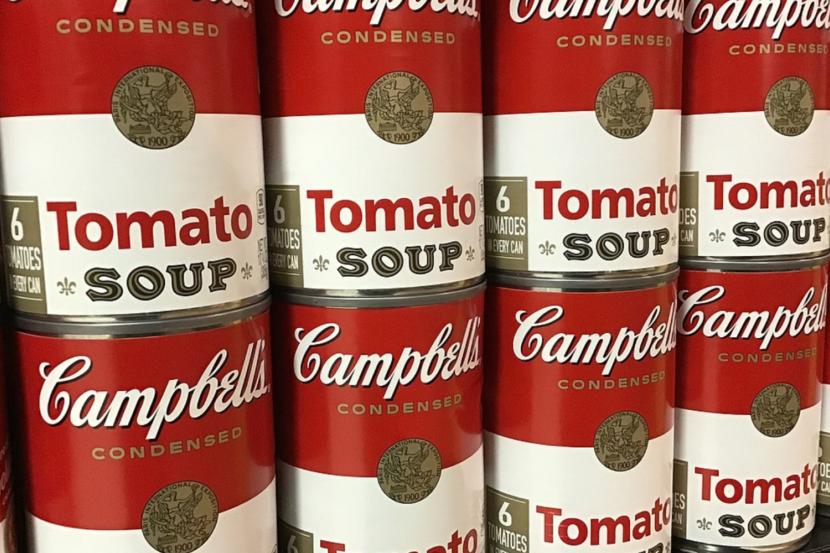
CAMPBELL'S FINALIZES PURCHASE OF 49% STAKE IN LA REGINA
- Acquisition Details: Campbell has completed the acquisition of a 49% interest in a large Regina facility.
- Strategic Importance: This acquisition is part of Campbell's strategy to expand its presence and capabilities in the region.
- Market Impact: The move is expected to enhance Campbell's operational efficiency and market competitiveness.
- Future Plans: Campbell aims to leverage this acquisition to drive growth and innovation in its product offerings.
SpaceX IPO Expected to Trigger S&P 500 Reshuffle

- Market Valuation Impact: SpaceX's IPO is targeting a valuation of approximately $1.75 trillion, which will position it as the largest industrial stock globally and among the top ten companies in the U.S., highlighting its significant market presence.
- S&P 500 Reshuffle Risk: The IPO will necessitate a major reshuffle of the S&P 500, with EPAM Systems likely to be ousted due to its market cap of around $6 billion, which could create short-term downward pressure on its stock price and affect its liquidity and institutional ownership.
- Institutional Investor Reaction: As the SpaceX IPO approaches, institutional investors may begin to reposition their portfolios in anticipation of the S&P 500 rebalancing, potentially leading to increased selling pressure on stocks like EPAM, exacerbating their market performance decline.
- Industry Impact Analysis: While removal from the S&P 500 does not equate to absolute failure, EPAM Systems has already faced significant declines due to a sell-off in SaaS stocks, and its outlook appears more precarious compared to consumer staples amid rising inflation concerns.

SpaceX IPO Set to Reshape S&P 500 Index
- S&P 500 Restructuring: SpaceX's upcoming IPO is projected to achieve a valuation of approximately $1.75 trillion, making it the largest industrial stock globally, which will necessitate a significant reshuffle of the S&P 500, with EPAM Systems likely facing removal and downward pressure on its stock price.
- EPAM Systems at Risk: Currently valued at around $6 billion, EPAM Systems is the most vulnerable candidate for exclusion due to its poor performance amid a significant sell-off in SaaS stocks, which could lead to a decline in investor confidence and stock price.
- Impact on Index Funds: The removal of EPAM from the index will compel index funds tracking the S&P 500, such as the Vanguard S&P 500 ETF and State Street SPDR S&P 500 ETF Trust, to sell their shares, potentially causing short-term price drops and reducing liquidity and institutional ownership.
- Market Reaction Anticipation: While exclusion from the S&P 500 does not guarantee failure, it typically results in decreased analyst coverage and trading volume, necessitating caution for EPAM Systems investors given its precarious position in light of the impending IPO.
Dividend Stocks Show Strong Performance in 2026
- Dividend Stock Resurgence: In 2026, dividend stocks are off to a strong start, particularly in higher-yield sectors like consumer staples, utilities, and oil, indicating a shift towards income-generating investments that appeal to income-focused investors.
- Domino's Challenges: Domino's Pizza (DPZ) reported disappointing first-quarter results, leading to a 19% decline year-to-date, with a current P/E ratio of 17, the lowest in three years, suggesting it may now be viewed as a value stock despite its 14-year dividend growth streak.
- Mondelez's Growth Potential: Mondelez International (MDLZ) has risen 14% year-to-date with a dividend yield of approximately 3.3%, triple that of the S&P 500, and while facing low consumer confidence, it is projected to generate free cash flow equivalent to 13% of sales, supporting future dividend growth.
- Campbell's Risks and Opportunities: Campbell's (CPB) stock has fallen over 25% this year, yet its 7.5% dividend yield and 51 consecutive years of dividend payments make it appealing for risk-tolerant investors, although its high payout ratio of 85.3% raises concerns about future dividend sustainability.
Domino's Pizza Announces 15% Dividend Increase
- Dividend Growth: Domino's Pizza raised its dividend by 15% in February, marking its 14th consecutive year of increases, despite a 19% decline in stock price due to disappointing Q1 results, indicating stability in its dividend payments.
- Market Performance: Mondelez International has shown strong performance in 2026 with a 14% stock price increase and a 3.3% dividend yield, maintaining a competitive edge in the consumer staples sector, although it faces challenges from low consumer confidence.
- Investment Opportunity: Campbell Soup Company's stock has dropped over 25%, yet its current 7.5% dividend yield appeals to risk-tolerant value investors, as the company leverages technology to adapt to market changes, potentially laying the groundwork for future growth.
- Long-Term Outlook: Experts predict Mondelez will generate free cash flow equivalent to 13% of sales, supporting high single-digit dividend growth over the next decade, despite uncertainties in the short-term market environment.
Campbell Acquires 49% Stake in La Regina to Boost Rao's Growth
- Strategic Partnership Strengthened: Campbell has completed the acquisition of a 49% stake in La Regina, solidifying its long-term partnership with the Romano family, which is expected to fuel Rao's Homemade's continued growth and enhance brand competitiveness in the market.
- Sales Milestone Achieved: Rao's Homemade recently surpassed $1 billion in trailing 12-month net sales, becoming the fourth billion-dollar brand in Campbell's portfolio, indicating strong market performance and increased consumer loyalty.
- Commitment to Craftsmanship: Campbell's CEO Mick Beekhuizen stated that this investment aims to preserve the artisanal craftsmanship of Rao's sauces, emphasizing the brand's uniqueness and high-quality ingredients, which further enhances consumer loyalty.
- Financial Impact Outlook: Campbell expects the transaction to be neutral to its fiscal 2026 adjusted EPS, reflecting the company's cautious financial management as it expands its brand portfolio.
CAMPBELL'S FINALIZES PURCHASE OF 49% STAKE IN LA REGINA
- Acquisition Details: Campbell has completed the acquisition of a 49% interest in a large Regina facility.
- Strategic Importance: This acquisition is part of Campbell's strategy to expand its presence and capabilities in the region.
- Market Impact: The move is expected to enhance Campbell's operational efficiency and market competitiveness.
- Future Plans: Campbell aims to leverage this acquisition to drive growth and innovation in its product offerings.
SpaceX IPO Expected to Trigger S&P 500 Reshuffle
- Market Valuation Impact: SpaceX's IPO is targeting a valuation of approximately $1.75 trillion, which will position it as the largest industrial stock globally and among the top ten companies in the U.S., highlighting its significant market presence.
- S&P 500 Reshuffle Risk: The IPO will necessitate a major reshuffle of the S&P 500, with EPAM Systems likely to be ousted due to its market cap of around $6 billion, which could create short-term downward pressure on its stock price and affect its liquidity and institutional ownership.
- Institutional Investor Reaction: As the SpaceX IPO approaches, institutional investors may begin to reposition their portfolios in anticipation of the S&P 500 rebalancing, potentially leading to increased selling pressure on stocks like EPAM, exacerbating their market performance decline.
- Industry Impact Analysis: While removal from the S&P 500 does not equate to absolute failure, EPAM Systems has already faced significant declines due to a sell-off in SaaS stocks, and its outlook appears more precarious compared to consumer staples amid rising inflation concerns.
SpaceX IPO Set to Reshape S&P 500 Index
- S&P 500 Restructuring: SpaceX's upcoming IPO is projected to achieve a valuation of approximately $1.75 trillion, making it the largest industrial stock globally, which will necessitate a significant reshuffle of the S&P 500, with EPAM Systems likely facing removal and downward pressure on its stock price.
- EPAM Systems at Risk: Currently valued at around $6 billion, EPAM Systems is the most vulnerable candidate for exclusion due to its poor performance amid a significant sell-off in SaaS stocks, which could lead to a decline in investor confidence and stock price.
- Impact on Index Funds: The removal of EPAM from the index will compel index funds tracking the S&P 500, such as the Vanguard S&P 500 ETF and State Street SPDR S&P 500 ETF Trust, to sell their shares, potentially causing short-term price drops and reducing liquidity and institutional ownership.
- Market Reaction Anticipation: While exclusion from the S&P 500 does not guarantee failure, it typically results in decreased analyst coverage and trading volume, necessitating caution for EPAM Systems investors given its precarious position in light of the impending IPO.