DHT Holdings Estimates Q1 Time Charter Equivalent Earnings at $78,800 per Day
DHT Holdings provided a business update. For Q1, the company estimates time charter equivalent earnings for its fleet at $78,800 per day, comprising $91,700 per day for the company's VLCCs operating in the spot market and $61,300 per day for the company's VLCCs on time charter. These estimated TCE earnings are based on 1,994 revenue days during the quarter, of which 1,152 days were spot days. The estimated TCE earnings on a discharge-to-discharge basis for the company's VLCCs operating in the spot market, i.e. adjusted for the impact of IFRS 15 Revenue from Contracts with Customers, were $106K per day for Q1. So far in Q2, approximately 49% of the available spot days have been booked at an average rate of $189,500 per day on a discharge-to-discharge basis. In total, 71% of the available revenue days, including both spot and time-charter days, have been booked at an average rate of $115,400 per day.
Trade with 70% Backtested Accuracy
Analyst Views on DHT

About DHT
About the author

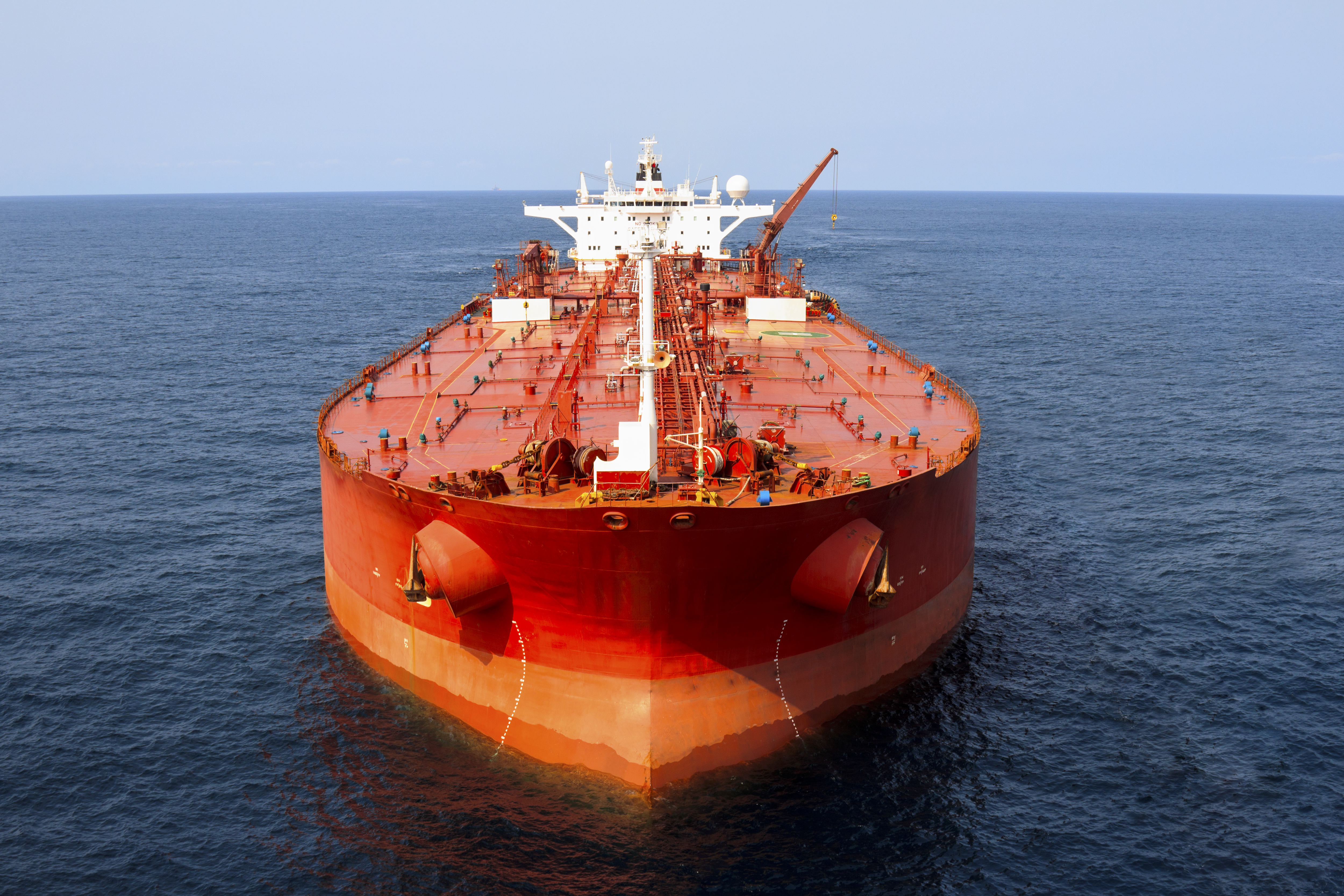
DHT Holdings Estimates Q1 2026 Earnings at $78,800 Daily
- Earnings Forecast: DHT Holdings estimates its time charter equivalent earnings for Q1 2026 at $78,800 per day, with very large crude carriers (VLCCs) commanding $91,700 per day in the spot market, indicating robust market demand.
- Spot Market Performance: The estimated daily earnings for DHT's VLCCs operating in the spot market, adjusted for IFRS 15, stand at $106,000, reflecting a significant enhancement in the company's profitability amid high demand conditions.
- Booking Status: As of Q2 2026, approximately 49% of available spot days have been booked at an average rate of $189,500 per day, showcasing the company's strong performance and sustained customer demand in the market.
- Overall Revenue Situation: Including both spot and time-charter days, DHT has booked 71% of available revenue days at an average rate of $115,400 per day, further solidifying its competitive position within the industry.

DHT Holdings Q1 2026 Business Update Highlights
- TCE Earnings Estimate: DHT Holdings estimates its time charter equivalent (TCE) earnings for Q1 2026 at $78,800 per day, with VLCCs in the spot market earning $91,700 per day and those on time charter at $61,300 per day, indicating stable performance in a fluctuating market.
- Spot Market Performance: The estimated TCE earnings for VLCCs operating in the spot market, adjusted for IFRS 15, reached $106,000 per day in Q1 2026, reflecting significant profitability in a high-demand environment and enhancing the company's competitive edge.
- Second Quarter Booking Status: So far in Q2 2026, approximately 49% of available spot days have been booked at an average rate of $189,500 per day, demonstrating strong demand and pricing power, which is expected to further drive revenue growth.
- Overall Revenue Booking: DHT has booked 71% of available revenue days, including both spot and time-charter days, at an average rate of $115,400 per day, establishing a solid foundation for the company's future financial performance.
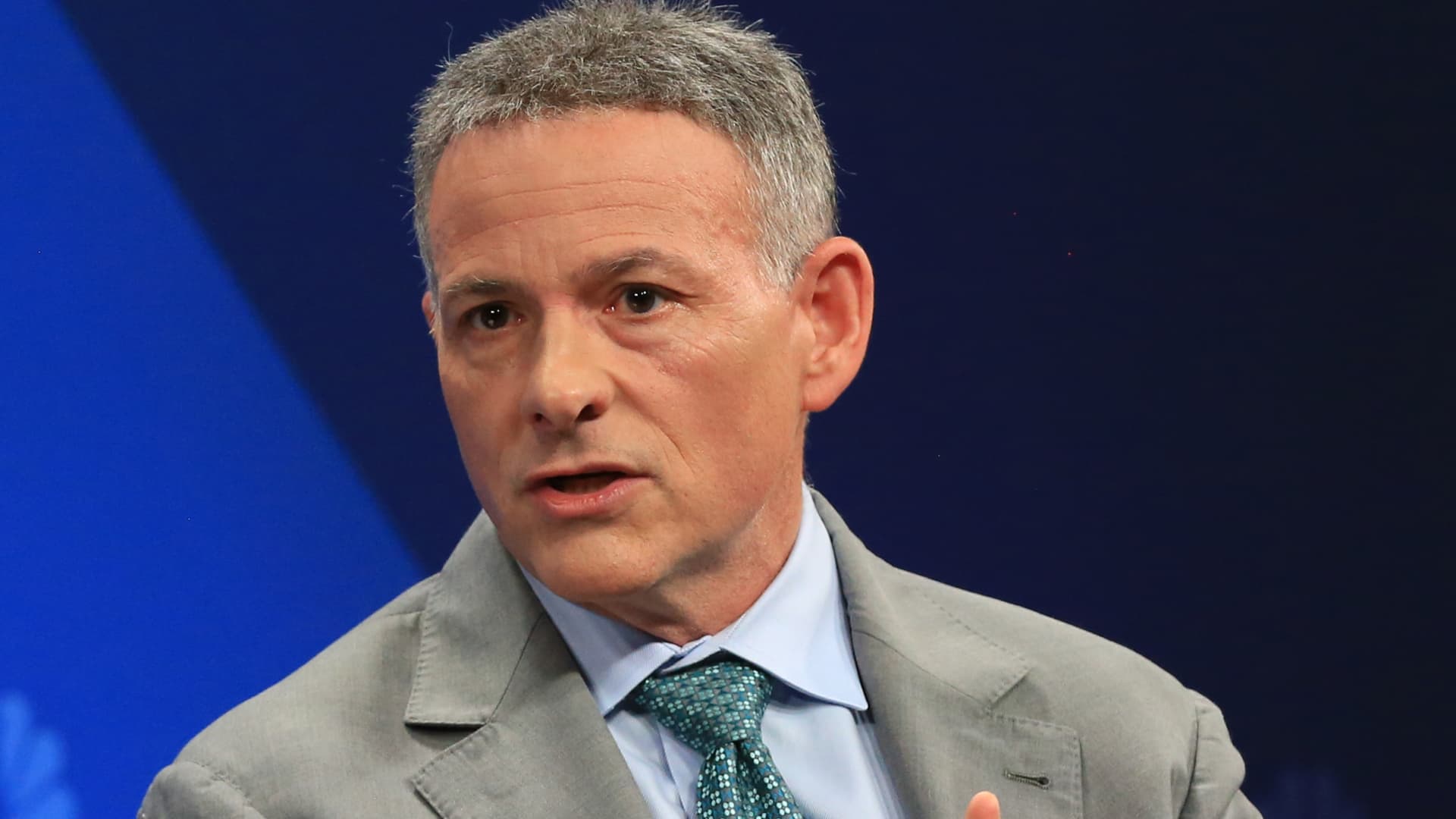
David Einhorn Emphasizes Capital Protection Amid Market Rally

- Capital Protection Priority: David Einhorn emphasized in his latest investor letter that despite the market rally driven by geopolitical optimism, capital preservation remains his top priority, warning that investors may be underestimating potential downside risks.
- Market Rebound Overview: The S&P 500 has fully erased losses incurred since the onset of the Iran war, and despite the breakdown of U.S.-Iran negotiations, investors remain optimistic about a potential deal, fueling continued market gains.
- Fund Performance Insight: Greenlight Capital reported a 6.5% return in Q1, outperforming the S&P 500's 4.4% decline, yet Einhorn noted the firm maintains relatively low gross and net exposure, reflecting caution regarding valuations and the broader macroeconomic backdrop.
- Investment Strategy Adjustments: Einhorn mentioned that Greenlight had already been operating with low exposure at the conflict's onset and added a long position in October oil futures, although this investment has only seen modest gains as the market largely expects any supply disruptions to be temporary.
Oil Tanker Transit Halted in Strait of Hormuz Amid Israeli Attacks

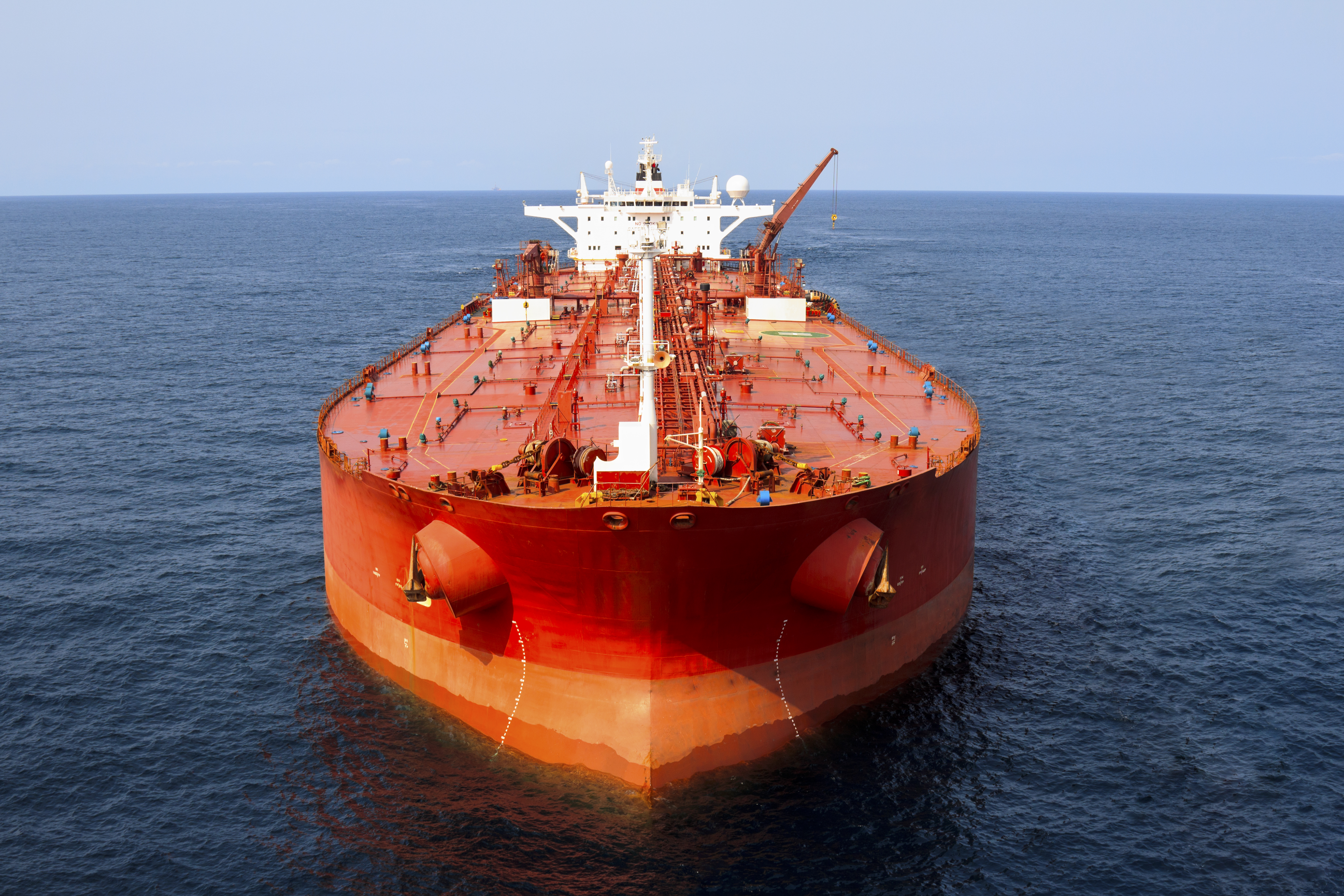
- Transit Disruption: Oil tanker transit through the Strait of Hormuz has been halted due to Israeli attacks on Lebanon, potentially jeopardizing the stability of the ceasefire agreement and creating uncertainty for shipping companies.
- Limited Resumption: Following President Trump's announcement of a temporary ceasefire, limited ship movement has resumed in the strait, with Fars reporting that two tankers were granted safe passage, indicating a delicate shift in the situation.
- Market Reaction: Despite the tense situation, energy-related shipping shares have generally risen, with DHT Holdings up 3.5% and Frontline up 3.3%, reflecting market optimism regarding future oil tanker transportation.
- Risk Assessment: Analyst Fredrik Dybwad noted that if transit becomes possible in the coming two weeks, there may be a prioritization of clearing trapped tankers, posing a risk to tanker rates, but increased demand could also drive rates higher.
Iran Establishes Toll Corridor in Strait of Hormuz Amid Shipping Crisis

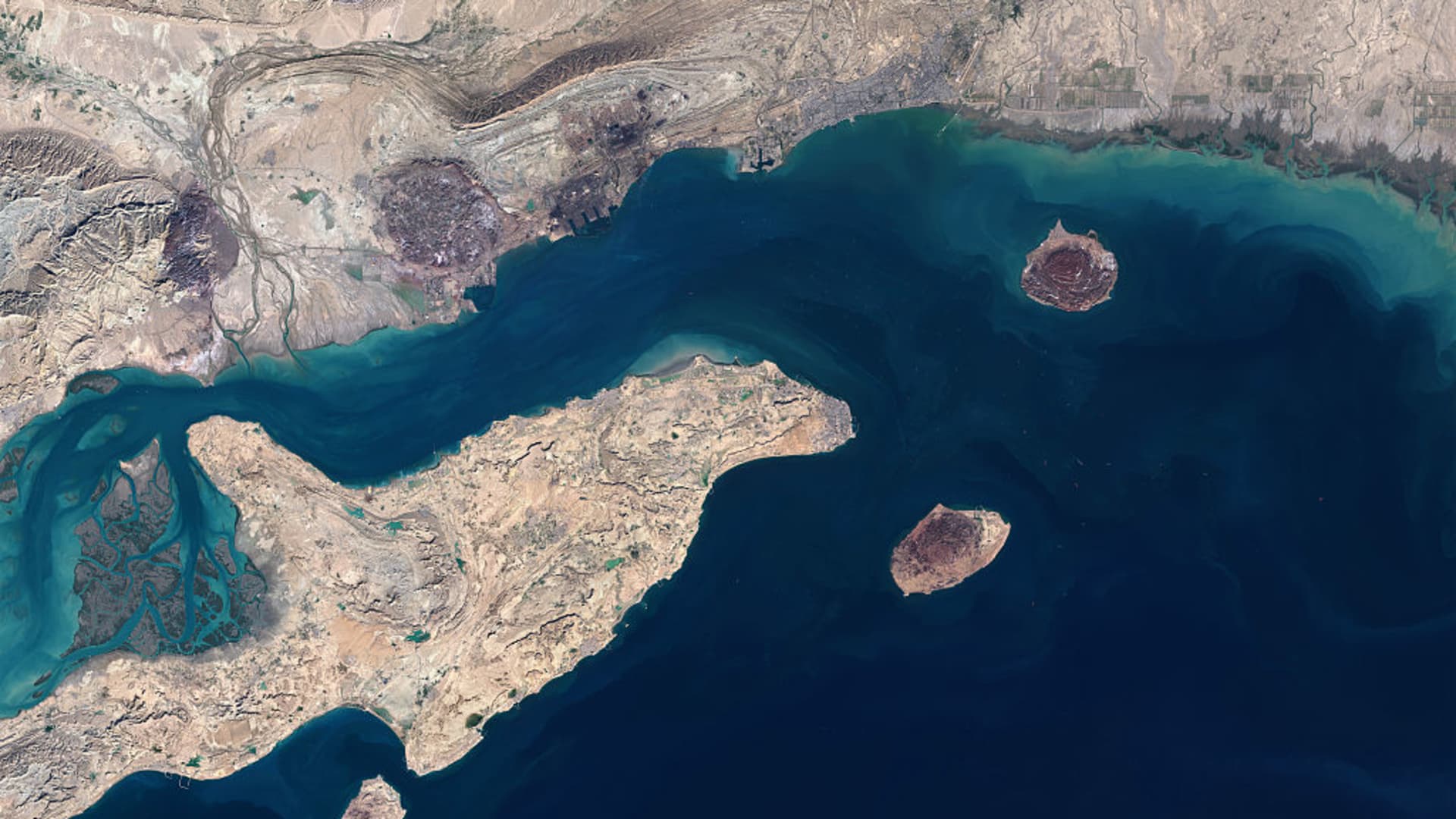
- Shipping Corridor Control: Iran has established a de facto safe shipping corridor near Larak Island in the Strait of Hormuz, resulting in a 90% drop in traffic since February 28, which has caused one of the most severe energy supply shocks globally.
- Toll System Implementation: The Iranian parliament passed a bill to impose fees on vessels transiting the strait, a move that, despite international legal disputes, would institutionalize Tehran's financial control over this critical waterway.
- Selective Passage: All 57 transits recorded since March 13 have taken the Larak detour, indicating strict vetting by the IRGC, which prioritizes vessels from countries with friendly relations, thereby increasing uncertainty in international shipping.
- International Response: While Iran claims the right to charge transit fees, legal experts argue that such unilateral measures may face strong diplomatic and legal challenges under the framework of the United Nations Convention on the Law of the Sea.
DHT Holdings Announces Delivery of Two New Vessels
- Fleet Modernization: DHT Holdings has announced the delivery of the DHT Gazelle, a VLCC newbuilding from Hyundai Samho Heavy Industries, marking a continued effort in its fleet modernization program that is expected to enhance operational efficiency and profitability.
- Long-Term Charter Agreement: The DHT Gazelle will commence a five- to seven-year time charter with a major oil company, providing a stable revenue stream that strengthens the company's competitive position in the market.
- Delivery Schedule Update: DHT also confirmed the delivery of the DHT China, built in 2007, with the final newbuilding expected in June 2026, further optimizing the company's fleet structure and operational capabilities.
- Financial Robustness: All newbuildings are fully funded, enhancing the company's earnings power and service offerings, reflecting DHT's prudent capital allocation and operational management strategies.
DHT Holdings Estimates Q1 2026 Earnings at $78,800 Daily
- Earnings Forecast: DHT Holdings estimates its time charter equivalent earnings for Q1 2026 at $78,800 per day, with very large crude carriers (VLCCs) commanding $91,700 per day in the spot market, indicating robust market demand.
- Spot Market Performance: The estimated daily earnings for DHT's VLCCs operating in the spot market, adjusted for IFRS 15, stand at $106,000, reflecting a significant enhancement in the company's profitability amid high demand conditions.
- Booking Status: As of Q2 2026, approximately 49% of available spot days have been booked at an average rate of $189,500 per day, showcasing the company's strong performance and sustained customer demand in the market.
- Overall Revenue Situation: Including both spot and time-charter days, DHT has booked 71% of available revenue days at an average rate of $115,400 per day, further solidifying its competitive position within the industry.
DHT Holdings Q1 2026 Business Update Highlights
- TCE Earnings Estimate: DHT Holdings estimates its time charter equivalent (TCE) earnings for Q1 2026 at $78,800 per day, with VLCCs in the spot market earning $91,700 per day and those on time charter at $61,300 per day, indicating stable performance in a fluctuating market.
- Spot Market Performance: The estimated TCE earnings for VLCCs operating in the spot market, adjusted for IFRS 15, reached $106,000 per day in Q1 2026, reflecting significant profitability in a high-demand environment and enhancing the company's competitive edge.
- Second Quarter Booking Status: So far in Q2 2026, approximately 49% of available spot days have been booked at an average rate of $189,500 per day, demonstrating strong demand and pricing power, which is expected to further drive revenue growth.
- Overall Revenue Booking: DHT has booked 71% of available revenue days, including both spot and time-charter days, at an average rate of $115,400 per day, establishing a solid foundation for the company's future financial performance.
David Einhorn Emphasizes Capital Protection Amid Market Rally
- Capital Protection Priority: David Einhorn emphasized in his latest investor letter that despite the market rally driven by geopolitical optimism, capital preservation remains his top priority, warning that investors may be underestimating potential downside risks.
- Market Rebound Overview: The S&P 500 has fully erased losses incurred since the onset of the Iran war, and despite the breakdown of U.S.-Iran negotiations, investors remain optimistic about a potential deal, fueling continued market gains.
- Fund Performance Insight: Greenlight Capital reported a 6.5% return in Q1, outperforming the S&P 500's 4.4% decline, yet Einhorn noted the firm maintains relatively low gross and net exposure, reflecting caution regarding valuations and the broader macroeconomic backdrop.
- Investment Strategy Adjustments: Einhorn mentioned that Greenlight had already been operating with low exposure at the conflict's onset and added a long position in October oil futures, although this investment has only seen modest gains as the market largely expects any supply disruptions to be temporary.
Oil Tanker Transit Halted in Strait of Hormuz Amid Israeli Attacks
- Transit Disruption: Oil tanker transit through the Strait of Hormuz has been halted due to Israeli attacks on Lebanon, potentially jeopardizing the stability of the ceasefire agreement and creating uncertainty for shipping companies.
- Limited Resumption: Following President Trump's announcement of a temporary ceasefire, limited ship movement has resumed in the strait, with Fars reporting that two tankers were granted safe passage, indicating a delicate shift in the situation.
- Market Reaction: Despite the tense situation, energy-related shipping shares have generally risen, with DHT Holdings up 3.5% and Frontline up 3.3%, reflecting market optimism regarding future oil tanker transportation.
- Risk Assessment: Analyst Fredrik Dybwad noted that if transit becomes possible in the coming two weeks, there may be a prioritization of clearing trapped tankers, posing a risk to tanker rates, but increased demand could also drive rates higher.
Iran Establishes Toll Corridor in Strait of Hormuz Amid Shipping Crisis
- Shipping Corridor Control: Iran has established a de facto safe shipping corridor near Larak Island in the Strait of Hormuz, resulting in a 90% drop in traffic since February 28, which has caused one of the most severe energy supply shocks globally.
- Toll System Implementation: The Iranian parliament passed a bill to impose fees on vessels transiting the strait, a move that, despite international legal disputes, would institutionalize Tehran's financial control over this critical waterway.
- Selective Passage: All 57 transits recorded since March 13 have taken the Larak detour, indicating strict vetting by the IRGC, which prioritizes vessels from countries with friendly relations, thereby increasing uncertainty in international shipping.
- International Response: While Iran claims the right to charge transit fees, legal experts argue that such unilateral measures may face strong diplomatic and legal challenges under the framework of the United Nations Convention on the Law of the Sea.
DHT Holdings Announces Delivery of Two New Vessels
- Fleet Modernization: DHT Holdings has announced the delivery of the DHT Gazelle, a VLCC newbuilding from Hyundai Samho Heavy Industries, marking a continued effort in its fleet modernization program that is expected to enhance operational efficiency and profitability.
- Long-Term Charter Agreement: The DHT Gazelle will commence a five- to seven-year time charter with a major oil company, providing a stable revenue stream that strengthens the company's competitive position in the market.
- Delivery Schedule Update: DHT also confirmed the delivery of the DHT China, built in 2007, with the final newbuilding expected in June 2026, further optimizing the company's fleet structure and operational capabilities.
- Financial Robustness: All newbuildings are fully funded, enhancing the company's earnings power and service offerings, reflecting DHT's prudent capital allocation and operational management strategies.