DaVita Exceeds Q1 2026 Earnings Expectations
Written by Emily J. Thompson, Senior Investment Analyst
Updated: 1 hour ago
0mins
Should l Buy DVA?
Source: seekingalpha
- Financial Performance Surpasses Expectations: DaVita reported an adjusted operating income of $482 million for Q1, exceeding forecasts by approximately $50 million, demonstrating balanced outperformance across treatment volume, revenue per treatment, and cost management, which enhances market confidence.
- Guidance Raised for the Year: The management has raised its 2026 adjusted operating income guidance to a range of $2.15 billion to $2.25 billion, primarily driven by higher treatment volume expectations and lower patient care costs, reflecting confidence in future growth.
- Ongoing Technology Investment: The introduction of the new tool, 'ScheduleHub', which dynamically processes patient and teammate availability to optimize scheduling in real-time, indicates the company's continued investment in AI and technological infrastructure aimed at improving operational efficiency.
- Cautious on ACA Impact: While the ACA open enrollment is trending slightly favorable, management warned that an increase in patients selecting lower-tier bronze plans could lead to a modest decline in revenue per treatment, highlighting uncertainties regarding future income.
Trade with 70% Backtested Accuracy
Stop guessing "Should I Buy DVA?" and start using high-conviction signals backed by rigorous historical data.
Sign up today to access powerful investing tools and make smarter, data-driven decisions.
Analyst Views on DVA
Wall Street analysts forecast DVA stock price to rise
5 Analyst Rating
1 Buy
3 Hold
1 Sell
Hold
Current: 154.080

Low
144.00
Averages
162.50
High
190.00
Current: 154.080
Low
144.00
Averages
162.50
High
190.00
About DVA
DaVita Inc. is a healthcare provider focused on transforming care delivery to improve the quality of life for patients globally. The Company is a provider of kidney care services in the United States. Its United States dialysis (U.S. dialysis) and related lab services business treats patients with chronic kidney failure and end-stage kidney disease (ESKD). The Company’s robust platform delivers kidney care services and includes established nephrology and payor relationships. The Company’s international operations provide dialysis and administrative services to a total of outpatient dialysis centers. The Company’s U.S. integrated kidney care (IKC) business provides integrated care and disease management services to patients in risk-based integrated care arrangements and to additional patients in other integrated care arrangements across the United States. It also maintains a few other ancillary services and investments outside its U.S. dialysis, U.S. IKC, or international operations.
About the author

Emily J. Thompson
Emily J. Thompson, a Chartered Financial Analyst (CFA) with 12 years in investment research, graduated with honors from the Wharton School. Specializing in industrial and technology stocks, she provides in-depth analysis for Intellectia’s earnings and market brief reports.

DaVita Exceeds Q1 2026 Earnings Expectations

- Financial Performance Surpasses Expectations: DaVita reported an adjusted operating income of $482 million for Q1, exceeding forecasts by approximately $50 million, demonstrating balanced outperformance across treatment volume, revenue per treatment, and cost management, which enhances market confidence.
- Guidance Raised for the Year: The management has raised its 2026 adjusted operating income guidance to a range of $2.15 billion to $2.25 billion, primarily driven by higher treatment volume expectations and lower patient care costs, reflecting confidence in future growth.
- Ongoing Technology Investment: The introduction of the new tool, 'ScheduleHub', which dynamically processes patient and teammate availability to optimize scheduling in real-time, indicates the company's continued investment in AI and technological infrastructure aimed at improving operational efficiency.
- Cautious on ACA Impact: While the ACA open enrollment is trending slightly favorable, management warned that an increase in patients selecting lower-tier bronze plans could lead to a modest decline in revenue per treatment, highlighting uncertainties regarding future income.
See More
AMD's Strong Guidance Boosts Stock Price


- AMD Earnings Beat: AMD's strong second-quarter revenue guidance of $11.2 billion, with a $300 million variance, surpasses analyst expectations of $10.52 billion, indicating robust demand and growth potential in the semiconductor market.
- Super Micro Profit Expectations: Super Micro Computer's stock surged 19% as fourth-quarter profit expectations range from 65 to 79 cents per share, significantly exceeding Wall Street's forecast of 55 cents, with third-quarter adjusted earnings of 84 cents showcasing its competitive edge in the server market.
- Jacobs Solutions Guidance Raised: Jacobs Solutions' shares fell 2% despite beating second-quarter adjusted earnings and revenue expectations, as the company raised its full-year earnings guidance to between $7.10 and $7.35 per share, reflecting business resilience.
- Lucid Group Misses Estimates: Lucid Group's stock dropped 2% after reporting a first-quarter loss of $3.46 per share, significantly worse than the expected $2.64 loss, with revenue of $282.5 million falling short of the $440.4 million forecast, highlighting challenges in the electric vehicle market.
See More
Berkshire Hathaway Faces Changes After Buffett's Departure


- Leadership Change: Warren Buffett's resignation as CEO marks a significant shift for Berkshire Hathaway, with new CEO Greg Abel taking the helm for the first time in sixty years, potentially impacting the company's investment strategy and market confidence.
- Portfolio Adjustment: Abel has reportedly sold all stocks managed by former investment lieutenant Todd Combs, amounting to approximately $15 billion, indicating a decisive move by the new CEO that may lead to a shift in the company's investment style.
- Core Holdings Strategy: In his letter to shareholders, Abel identified nine 'core holdings' that he implied would see limited activity unless there are fundamental changes in their long-term economic prospects, suggesting a potential reduction in Berkshire's investment activity.
- Market Reaction Anticipation: Investors will gain insights into Berkshire's stock transactions for Q1 in the upcoming 10-Q filing due by May 2, which will provide crucial clues about Abel's future investment direction, although it may take several quarters to fully divest Combs' investments.
See More

Berkshire's New CEO Signals Portfolio Changes After Combs Departure
- Executive Shift Impact: Todd Combs, one of Buffett's top investment managers, has left for JPMorgan Chase, resulting in new CEO Greg Abel taking control of most of the portfolio, potentially affecting around $15 billion in asset allocation, reflecting significant changes in the company's governance structure.
- Portfolio Scale: Berkshire's total investment portfolio is approximately $322 billion, with Combs managing over 5% of it, equating to at least $16 billion, highlighting his importance in the company's investment strategy.
- Investment Strategy Shift: In his letter to shareholders, Abel indicated a commitment to maintaining core holdings, suggesting a potential shift towards a more passive investment strategy with fewer quarterly changes, which may alter investor expectations regarding the company's activity level.
- Market Reaction Expectations: While Abel stated that Ted Weschler would continue managing 6% of the portfolio, market uncertainty remains regarding Berkshire's future investment direction, prompting investors to closely monitor the upcoming first-quarter 10-Q report for more insights.
See More
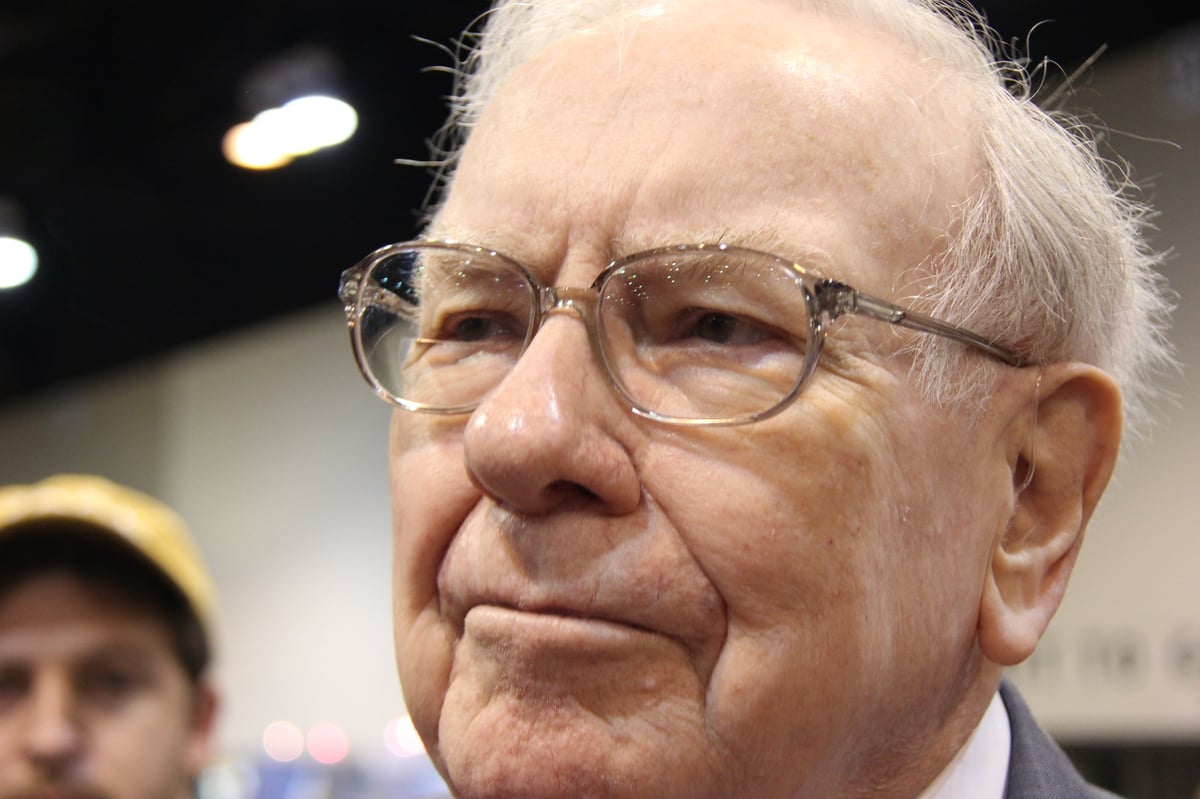
Buffett Retires, Abel Takes Over as CEO of Berkshire Hathaway


- Leadership Transition: Warren Buffett retired on December 31, 2025, with Greg Abel stepping in to manage Berkshire Hathaway's $320 billion investment portfolio, marking a significant new era for the company.
- Investment Concentration: Abel's portfolio is heavily weighted, with 10 core holdings accounting for nearly 79% of assets, including Apple at $60 billion, highlighting the company's focus on high-quality assets and long-term growth potential.
- Sustainable Competitive Advantages: Among the 20 billion-dollar investments Abel oversees, many companies like Visa and Sirius XM operate as legal monopolies, ensuring stable revenue streams and risk resilience, reflecting Berkshire's investment strategy.
- Smaller Holdings Adjustment: Abel also manages 18 relatively smaller investments, with significant reductions like the 77% cut in Amazon's stake, indicating a focus on optimizing the portfolio and potentially paving the way for future trading opportunities.
See More

Warren Buffett Retires, Greg Abel Takes Over as CEO of Berkshire Hathaway
- Leadership Transition: Warren Buffett retired as CEO on December 31, 2025, with Greg Abel taking over the management of a $320 billion investment portfolio, marking a new era for Berkshire Hathaway, although Buffett remains as chairman of the board.
- Investment Philosophy Continuity: Abel shares a similar investment philosophy with Buffett, emphasizing value investing and sustainable competitive advantages, particularly by allocating a significant portion of the company's capital to their best ideas.
- Core Holdings Concentration: The ten core positions account for nearly 79% of Berkshire's invested assets, all of which pay dividends and engage in share repurchases, demonstrating strong capital return capabilities, with Abel's management style reflected in these choices.
- Smaller Investment Dynamics: Abel oversees 18 smaller holdings ranging from $5 million to approximately $692 million, many of which are being reduced or removed from the portfolio, indicating a dynamic adjustment strategy in response to market conditions.
See More
DaVita Exceeds Q1 2026 Earnings Expectations
- Financial Performance Surpasses Expectations: DaVita reported an adjusted operating income of $482 million for Q1, exceeding forecasts by approximately $50 million, demonstrating balanced outperformance across treatment volume, revenue per treatment, and cost management, which enhances market confidence.
- Guidance Raised for the Year: The management has raised its 2026 adjusted operating income guidance to a range of $2.15 billion to $2.25 billion, primarily driven by higher treatment volume expectations and lower patient care costs, reflecting confidence in future growth.
- Ongoing Technology Investment: The introduction of the new tool, 'ScheduleHub', which dynamically processes patient and teammate availability to optimize scheduling in real-time, indicates the company's continued investment in AI and technological infrastructure aimed at improving operational efficiency.
- Cautious on ACA Impact: While the ACA open enrollment is trending slightly favorable, management warned that an increase in patients selecting lower-tier bronze plans could lead to a modest decline in revenue per treatment, highlighting uncertainties regarding future income.
See More
AMD's Strong Guidance Boosts Stock Price
- AMD Earnings Beat: AMD's strong second-quarter revenue guidance of $11.2 billion, with a $300 million variance, surpasses analyst expectations of $10.52 billion, indicating robust demand and growth potential in the semiconductor market.
- Super Micro Profit Expectations: Super Micro Computer's stock surged 19% as fourth-quarter profit expectations range from 65 to 79 cents per share, significantly exceeding Wall Street's forecast of 55 cents, with third-quarter adjusted earnings of 84 cents showcasing its competitive edge in the server market.
- Jacobs Solutions Guidance Raised: Jacobs Solutions' shares fell 2% despite beating second-quarter adjusted earnings and revenue expectations, as the company raised its full-year earnings guidance to between $7.10 and $7.35 per share, reflecting business resilience.
- Lucid Group Misses Estimates: Lucid Group's stock dropped 2% after reporting a first-quarter loss of $3.46 per share, significantly worse than the expected $2.64 loss, with revenue of $282.5 million falling short of the $440.4 million forecast, highlighting challenges in the electric vehicle market.
See More
Berkshire Hathaway Faces Changes After Buffett's Departure
- Leadership Change: Warren Buffett's resignation as CEO marks a significant shift for Berkshire Hathaway, with new CEO Greg Abel taking the helm for the first time in sixty years, potentially impacting the company's investment strategy and market confidence.
- Portfolio Adjustment: Abel has reportedly sold all stocks managed by former investment lieutenant Todd Combs, amounting to approximately $15 billion, indicating a decisive move by the new CEO that may lead to a shift in the company's investment style.
- Core Holdings Strategy: In his letter to shareholders, Abel identified nine 'core holdings' that he implied would see limited activity unless there are fundamental changes in their long-term economic prospects, suggesting a potential reduction in Berkshire's investment activity.
- Market Reaction Anticipation: Investors will gain insights into Berkshire's stock transactions for Q1 in the upcoming 10-Q filing due by May 2, which will provide crucial clues about Abel's future investment direction, although it may take several quarters to fully divest Combs' investments.
See More
Berkshire's New CEO Signals Portfolio Changes After Combs Departure
- Executive Shift Impact: Todd Combs, one of Buffett's top investment managers, has left for JPMorgan Chase, resulting in new CEO Greg Abel taking control of most of the portfolio, potentially affecting around $15 billion in asset allocation, reflecting significant changes in the company's governance structure.
- Portfolio Scale: Berkshire's total investment portfolio is approximately $322 billion, with Combs managing over 5% of it, equating to at least $16 billion, highlighting his importance in the company's investment strategy.
- Investment Strategy Shift: In his letter to shareholders, Abel indicated a commitment to maintaining core holdings, suggesting a potential shift towards a more passive investment strategy with fewer quarterly changes, which may alter investor expectations regarding the company's activity level.
- Market Reaction Expectations: While Abel stated that Ted Weschler would continue managing 6% of the portfolio, market uncertainty remains regarding Berkshire's future investment direction, prompting investors to closely monitor the upcoming first-quarter 10-Q report for more insights.
See More
Buffett Retires, Abel Takes Over as CEO of Berkshire Hathaway
- Leadership Transition: Warren Buffett retired on December 31, 2025, with Greg Abel stepping in to manage Berkshire Hathaway's $320 billion investment portfolio, marking a significant new era for the company.
- Investment Concentration: Abel's portfolio is heavily weighted, with 10 core holdings accounting for nearly 79% of assets, including Apple at $60 billion, highlighting the company's focus on high-quality assets and long-term growth potential.
- Sustainable Competitive Advantages: Among the 20 billion-dollar investments Abel oversees, many companies like Visa and Sirius XM operate as legal monopolies, ensuring stable revenue streams and risk resilience, reflecting Berkshire's investment strategy.
- Smaller Holdings Adjustment: Abel also manages 18 relatively smaller investments, with significant reductions like the 77% cut in Amazon's stake, indicating a focus on optimizing the portfolio and potentially paving the way for future trading opportunities.
See More
Warren Buffett Retires, Greg Abel Takes Over as CEO of Berkshire Hathaway
- Leadership Transition: Warren Buffett retired as CEO on December 31, 2025, with Greg Abel taking over the management of a $320 billion investment portfolio, marking a new era for Berkshire Hathaway, although Buffett remains as chairman of the board.
- Investment Philosophy Continuity: Abel shares a similar investment philosophy with Buffett, emphasizing value investing and sustainable competitive advantages, particularly by allocating a significant portion of the company's capital to their best ideas.
- Core Holdings Concentration: The ten core positions account for nearly 79% of Berkshire's invested assets, all of which pay dividends and engage in share repurchases, demonstrating strong capital return capabilities, with Abel's management style reflected in these choices.
- Smaller Investment Dynamics: Abel oversees 18 smaller holdings ranging from $5 million to approximately $692 million, many of which are being reduced or removed from the portfolio, indicating a dynamic adjustment strategy in response to market conditions.
See More