Dan Ives Likens Sam Altman's World Network to Early Tesla, Nvidia, and Palantir: 'A Convergence of AI and Crypto'
Written by Emily J. Thompson, Senior Investment Analyst
Updated: Sep 23 2025
0mins

Source: Yahoo Finance
Dan Ives' Optimism on World Network: Wall Street tech analyst Dan Ives believes World Network (WLD) has the potential to become a leading authentication technology in the AI sector, viewing it as an infrastructure play rather than a cryptocurrency, and predicting it could serve as the "single sign-on for AI."
Privacy and Data Control: Ives defended World Network against privacy concerns, stating that its iris-scanning technology is privacy-driven, allowing users to control their data, and emphasized that the project is ahead of its competition, similar to early tech giants like Tesla and NVIDIA.
Trade with 70% Backtested Accuracy
Stop guessing "Should I Buy NVDA?" and start using high-conviction signals backed by rigorous historical data.
Sign up today to access powerful investing tools and make smarter, data-driven decisions.
Analyst Views on NVDA
Wall Street analysts forecast NVDA stock price to rise
41 Analyst Rating
39 Buy
1 Hold
1 Sell
Strong Buy
Current: 204.650

Low
200.00
Averages
264.97
High
352.00
Current: 204.650
Low
200.00
Averages
264.97
High
352.00
About NVDA
NVIDIA Corporation is an artificial intelligence (AI) infrastructure company. The Company is engaged in accelerated computing to help solve the challenging computational problems. Its segments include Compute & Networking and Graphics. The Compute & Networking segment includes its Data Center accelerated computing and networking platforms and AI solutions and software, and automotive platforms and autonomous and electric vehicle solutions, including software. The Graphics segment includes GeForce GPUs for gaming and personal computers (PCs), and Quadro/NVIDIA RTX GPUs for enterprise workstation graphics. Its technology stack includes the foundational NVIDIA CUDA development platform that runs on all NVIDIA GPUs, as well as hundreds of domain-specific software libraries, frameworks, algorithms, software development kits (SDKs), and application programming interfaces (APIs). Its platforms address four markets, which include Data Center, Gaming, Professional Visualization, and Automotive.
About the author

Emily J. Thompson
Emily J. Thompson, a Chartered Financial Analyst (CFA) with 12 years in investment research, graduated with honors from the Wharton School. Specializing in industrial and technology stocks, she provides in-depth analysis for Intellectia’s earnings and market brief reports.

Amazon's Cloud Services Accelerate Growth Amid Market Volatility

- Cloud Revenue Growth: Amazon's first-quarter AWS revenue rose 28% year-over-year to $37.6 billion, marking its fastest growth in 15 quarters, indicating strong competitive positioning in the cloud market and expected to further boost overall company performance.
- AI-Driven Profit Enhancement: AWS's AI revenue has reached an annual run rate of $15 billion, with a backlog of $364 billion, demonstrating that investments in artificial intelligence are significantly enhancing profitability and driving overall operating margin to a record 13.1%.
- Capital Expenditure Plans: Amazon plans to invest approximately $200 billion by 2026, with $43.2 billion spent in the first quarter primarily on AWS and AI expansion, which has led to a substantial decline in free cash flow, yet management views this as a necessary investment to seize market opportunities.
- In-House Chip Design Advantage: Amazon's custom chips now run at an annual revenue rate exceeding $20 billion, up nearly 40% from the previous quarter, allowing the company to reduce reliance on external suppliers, which is expected to save tens of billions in capital expenditures while enhancing AWS's margins.
See More
AI-Driven Memory ETF Surges Amid Shortage
- ETF Performance: The Roundhill Memory ETF has surged 156% since its launch on April 2, 2026, driven by a memory shortage fueled by AI demand, making it an attractive option for investors.
- Low Investment Threshold: With a trading price around $72, a $100 investment allows for over 1.25 shares of the Roundhill Memory ETF, significantly lowering the barrier for entry into the memory market for small investors.
- Transparent Fee Structure: The ETF has an expense ratio of 0.65%, which, while higher than most index funds, remains reasonable compared to other thematic ETFs, prompting investors to weigh fees against potential returns.
- Risk Management: By focusing solely on memory companies, the Roundhill Memory ETF mitigates concentration risk associated with other semiconductor firms, making it a suitable choice for investors already holding major stocks like Nvidia, thus providing diversified investment opportunities.
See More
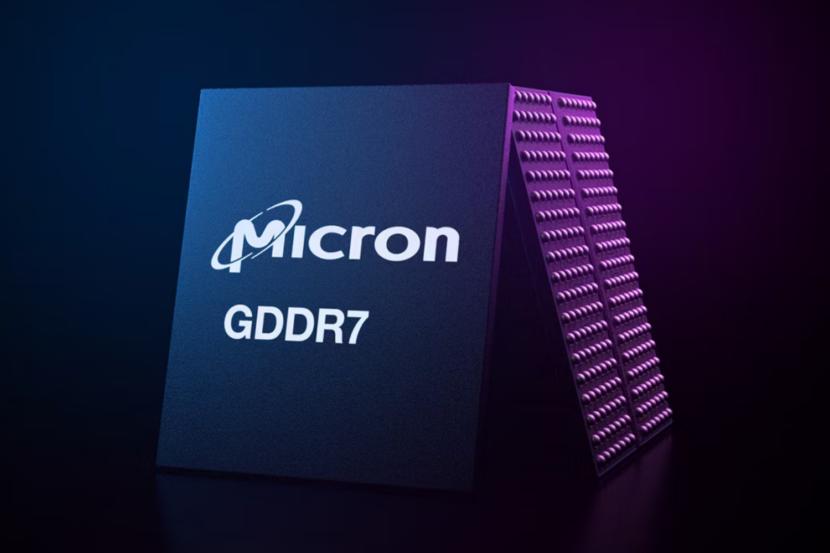
Micron Technology Shares Surge 831% Amid Memory Demand Boom

- Stock Surge: Micron Technology's shares have skyrocketed by 831% over the past year, primarily driven by a massive surge in memory demand, which has significantly boosted the company's revenue and earnings, enhancing investor confidence.
- Analyst Optimism: Among the 49 analysts covering Micron, 46 have rated it as a buy, indicating strong confidence in its growth potential despite the stock nearing a 12-month price target of $1,100, which suggests a possible 3% decline from current levels.
- Memory Market Shortage: The demand for high-bandwidth memory (HBM) is expected to create a structural shortage in the memory market over the next five years, solidifying Micron's critical role in AI data centers and ensuring its long-term profitability.
- Strong Earnings Outlook: Micron is projected to achieve earnings of $61.01 per share in fiscal 2026, reflecting a 636% increase year-over-year, with expectations of reaching $120.24 per share by fiscal 2028, suggesting a potential stock price of $4,864 in five years based on a 26.6x earnings multiple, indicating substantial growth potential.
See More

NEAR Protocol Surges 115% in May: A Buy Opportunity?
- Price Surge: NEAR Protocol achieved a remarkable 115% increase in May 2026, positioning itself as a standout performer in the cryptocurrency market, which has drawn significant investor interest and highlights its potential value and appeal.
- Transaction Volume Spike: Since its launch in Q1 2025, NEAR's Intents product has processed over 25 million transactions totaling more than $20 billion, indicating strong real-world application and demand in the automated trading sector.
- Privacy Infrastructure Advantage: NEAR's IronClaw framework integrates with AI's private inference infrastructure, allowing AI agents to execute tasks while safeguarding users' financial data and privacy, showcasing its unique technical architecture and competitive edge.
- Market Risk Warning: Despite NEAR's substantial price increase, the heightened volatility and speculative behavior in the market may lead to short-term price corrections, prompting investors to carefully assess risks, especially as the AI agent economy remains largely theoretical.
See More

Alphabet's Five-Year Outlook

- Capital Expenditure Surge: Alphabet plans to increase its capital expenditures to between $180 billion and $190 billion in 2026, nearly doubling last year's total, which will provide robust funding for its AI infrastructure build-out, thereby further solidifying its leadership in the tech industry.
- Cloud Computing Growth: In Q1, Google Cloud's revenue soared 63% year-over-year, with operating income tripling, reflecting customers' increasing reliance on AI tools, which not only enhances Alphabet's financial performance but also lays a foundation for sustained future growth.
- Stock Return Potential: Despite Alphabet's market cap reaching $4.4 trillion and a 106% stock price increase over the past 12 months, it is projected that by 2031, if the P/E ratio expands to 30 and diluted EPS doubles, the stock price could rise by 108%, providing an attractive proposition for investors.
- Strong Profitability: Over the past five years, Alphabet's diluted earnings per share have grown at a stellar compound annual rate of 31%, and while future growth may decelerate, a continued annual growth rate of 15% is expected, further bolstering investor confidence in its stock.
See More

Mark Cuban's Investment Warnings

- Investment Trap Warning: Mark Cuban highlights that capital-hungry companies like Doorbot, which was later acquired by Amazon for approximately $1 billion, represent structural wealth traps, emphasizing the need for caution in high-risk investments amid increasing economic uncertainty.
- Impact of High Fees: Cuban warns that funds charging annual fees of 1% to 2% can silently erode a significant portion of an investment portfolio over 30 years, especially as inflation rises, leading to diminished real returns.
- Increased Debt Risks: With the average credit card APR reaching 21.00% and a delinquency rate of 2.92%, Cuban argues that high debt constrains corporate flexibility and amplifies financial risks, particularly in the current credit cycle.
- Dismal Market Sentiment: As the University of Michigan Consumer Sentiment Index fell to 49.8 in April 2026, Cuban's warnings gain urgency, reflecting potential recession risks and underscoring the need for investors to exercise greater caution.
See More
Amazon's Cloud Services Accelerate Growth Amid Market Volatility
- Cloud Revenue Growth: Amazon's first-quarter AWS revenue rose 28% year-over-year to $37.6 billion, marking its fastest growth in 15 quarters, indicating strong competitive positioning in the cloud market and expected to further boost overall company performance.
- AI-Driven Profit Enhancement: AWS's AI revenue has reached an annual run rate of $15 billion, with a backlog of $364 billion, demonstrating that investments in artificial intelligence are significantly enhancing profitability and driving overall operating margin to a record 13.1%.
- Capital Expenditure Plans: Amazon plans to invest approximately $200 billion by 2026, with $43.2 billion spent in the first quarter primarily on AWS and AI expansion, which has led to a substantial decline in free cash flow, yet management views this as a necessary investment to seize market opportunities.
- In-House Chip Design Advantage: Amazon's custom chips now run at an annual revenue rate exceeding $20 billion, up nearly 40% from the previous quarter, allowing the company to reduce reliance on external suppliers, which is expected to save tens of billions in capital expenditures while enhancing AWS's margins.
See More
AI-Driven Memory ETF Surges Amid Shortage
- ETF Performance: The Roundhill Memory ETF has surged 156% since its launch on April 2, 2026, driven by a memory shortage fueled by AI demand, making it an attractive option for investors.
- Low Investment Threshold: With a trading price around $72, a $100 investment allows for over 1.25 shares of the Roundhill Memory ETF, significantly lowering the barrier for entry into the memory market for small investors.
- Transparent Fee Structure: The ETF has an expense ratio of 0.65%, which, while higher than most index funds, remains reasonable compared to other thematic ETFs, prompting investors to weigh fees against potential returns.
- Risk Management: By focusing solely on memory companies, the Roundhill Memory ETF mitigates concentration risk associated with other semiconductor firms, making it a suitable choice for investors already holding major stocks like Nvidia, thus providing diversified investment opportunities.
See More
Micron Technology Shares Surge 831% Amid Memory Demand Boom
- Stock Surge: Micron Technology's shares have skyrocketed by 831% over the past year, primarily driven by a massive surge in memory demand, which has significantly boosted the company's revenue and earnings, enhancing investor confidence.
- Analyst Optimism: Among the 49 analysts covering Micron, 46 have rated it as a buy, indicating strong confidence in its growth potential despite the stock nearing a 12-month price target of $1,100, which suggests a possible 3% decline from current levels.
- Memory Market Shortage: The demand for high-bandwidth memory (HBM) is expected to create a structural shortage in the memory market over the next five years, solidifying Micron's critical role in AI data centers and ensuring its long-term profitability.
- Strong Earnings Outlook: Micron is projected to achieve earnings of $61.01 per share in fiscal 2026, reflecting a 636% increase year-over-year, with expectations of reaching $120.24 per share by fiscal 2028, suggesting a potential stock price of $4,864 in five years based on a 26.6x earnings multiple, indicating substantial growth potential.
See More
NEAR Protocol Surges 115% in May: A Buy Opportunity?
- Price Surge: NEAR Protocol achieved a remarkable 115% increase in May 2026, positioning itself as a standout performer in the cryptocurrency market, which has drawn significant investor interest and highlights its potential value and appeal.
- Transaction Volume Spike: Since its launch in Q1 2025, NEAR's Intents product has processed over 25 million transactions totaling more than $20 billion, indicating strong real-world application and demand in the automated trading sector.
- Privacy Infrastructure Advantage: NEAR's IronClaw framework integrates with AI's private inference infrastructure, allowing AI agents to execute tasks while safeguarding users' financial data and privacy, showcasing its unique technical architecture and competitive edge.
- Market Risk Warning: Despite NEAR's substantial price increase, the heightened volatility and speculative behavior in the market may lead to short-term price corrections, prompting investors to carefully assess risks, especially as the AI agent economy remains largely theoretical.
See More
Alphabet's Five-Year Outlook
- Capital Expenditure Surge: Alphabet plans to increase its capital expenditures to between $180 billion and $190 billion in 2026, nearly doubling last year's total, which will provide robust funding for its AI infrastructure build-out, thereby further solidifying its leadership in the tech industry.
- Cloud Computing Growth: In Q1, Google Cloud's revenue soared 63% year-over-year, with operating income tripling, reflecting customers' increasing reliance on AI tools, which not only enhances Alphabet's financial performance but also lays a foundation for sustained future growth.
- Stock Return Potential: Despite Alphabet's market cap reaching $4.4 trillion and a 106% stock price increase over the past 12 months, it is projected that by 2031, if the P/E ratio expands to 30 and diluted EPS doubles, the stock price could rise by 108%, providing an attractive proposition for investors.
- Strong Profitability: Over the past five years, Alphabet's diluted earnings per share have grown at a stellar compound annual rate of 31%, and while future growth may decelerate, a continued annual growth rate of 15% is expected, further bolstering investor confidence in its stock.
See More
Mark Cuban's Investment Warnings
- Investment Trap Warning: Mark Cuban highlights that capital-hungry companies like Doorbot, which was later acquired by Amazon for approximately $1 billion, represent structural wealth traps, emphasizing the need for caution in high-risk investments amid increasing economic uncertainty.
- Impact of High Fees: Cuban warns that funds charging annual fees of 1% to 2% can silently erode a significant portion of an investment portfolio over 30 years, especially as inflation rises, leading to diminished real returns.
- Increased Debt Risks: With the average credit card APR reaching 21.00% and a delinquency rate of 2.92%, Cuban argues that high debt constrains corporate flexibility and amplifies financial risks, particularly in the current credit cycle.
- Dismal Market Sentiment: As the University of Michigan Consumer Sentiment Index fell to 49.8 in April 2026, Cuban's warnings gain urgency, reflecting potential recession risks and underscoring the need for investors to exercise greater caution.
See More