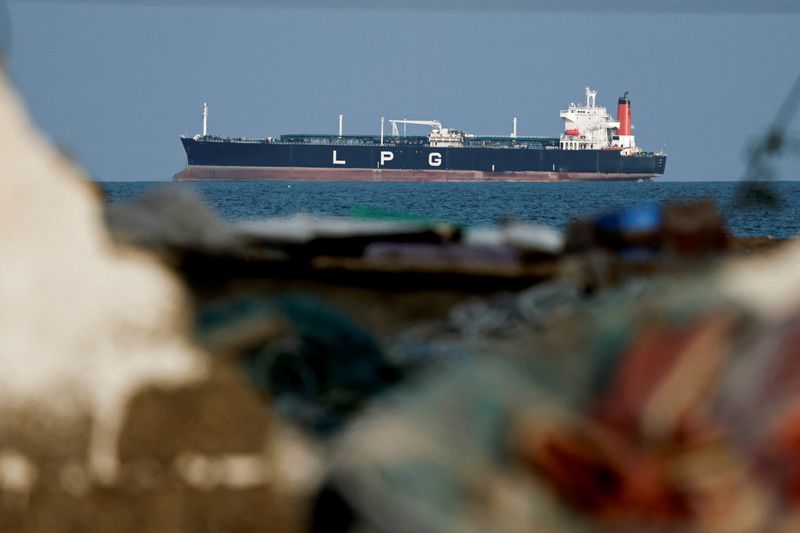
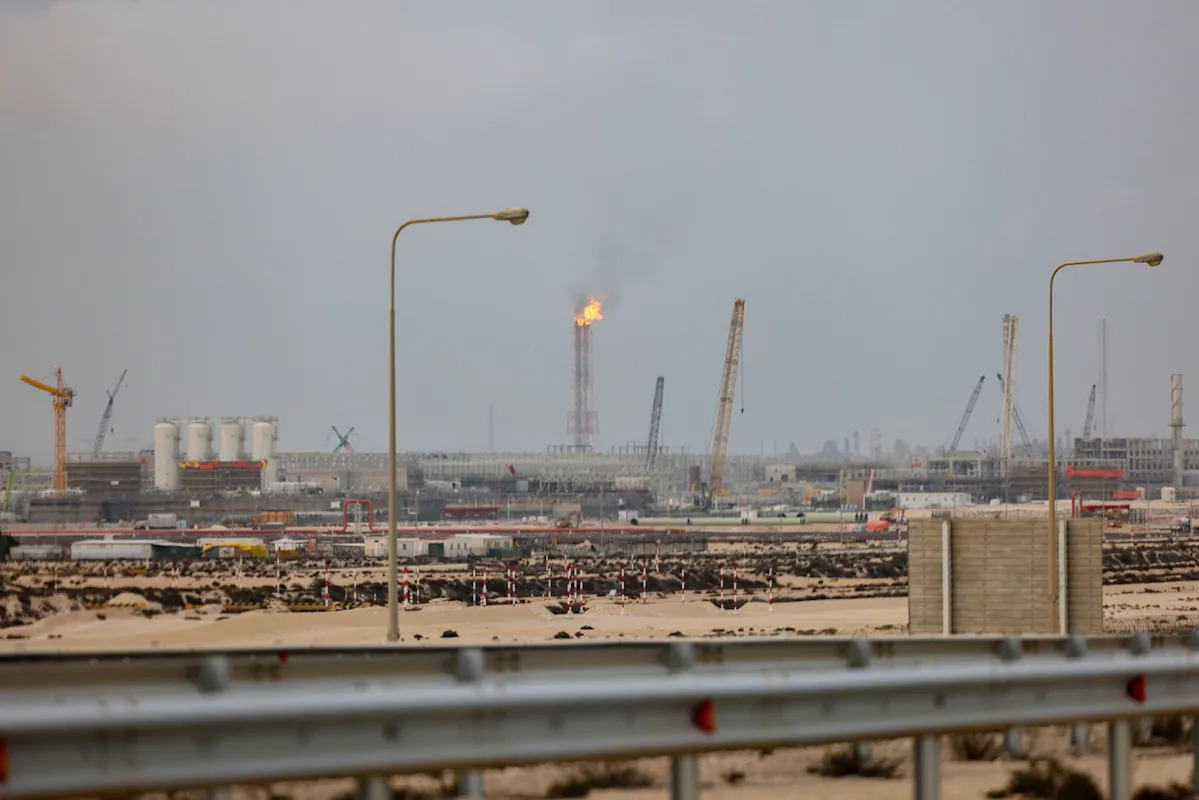
Damaged Energy Infrastructure Impacts Recovery Timeline
Written by Emily J. Thompson, Senior Investment Analyst
Updated: 1 hour ago
0mins

Source: Yahoo Finance
- Infrastructure Damage: The damaged energy infrastructure is expected to take years to come back online, which will have a long-term impact on the energy supply chain and could lead to future energy shortages.
- Surge in Oil and Gas Prices: Despite the damage, the surge in oil and gas prices is helping to offset some of the production losses in the short term, indicating the market's sensitivity and volatility regarding energy supply.
- Mitigated Production Losses: The current rise in oil and gas prices provides some relief for the lost production; however, the long-term recovery of infrastructure will be a critical factor affecting market stability.
- Uncertain Market Outlook: The future outlook for the energy market has become uncertain due to delays in infrastructure recovery, which may lead to decreased investor confidence in the energy sector, subsequently impacting the stock performance of related companies.
Trade with 70% Backtested Accuracy
Stop guessing "Should I Buy XOM?" and start using high-conviction signals backed by rigorous historical data.
Sign up today to access powerful investing tools and make smarter, data-driven decisions.
Analyst Views on XOM
Wall Street analysts forecast XOM stock price to fall
19 Analyst Rating
12 Buy
7 Hold
0 Sell
Moderate Buy
Current: 158.160

Low
114.00
Averages
132.17
High
158.00
Current: 158.160
Low
114.00
Averages
132.17
High
158.00
About XOM
Exxon Mobil Corporation is an energy provider and chemical manufacturer. The Company’s principal business involves exploration for, and production of, crude oil and natural gas; the manufacture, trade, transport and sale of crude oil, natural gas, petroleum products, petrochemicals and a wide variety of specialty products; and pursuit of lower-emission and other new business opportunities, including carbon capture and storage, hydrogen, lower-emission fuels, Proxxima systems, carbon materials, and lithium. Its Upstream segment explores for and produces crude oil and natural gas. The Energy Products, Chemical Products, and Specialty Products segments manufacture and sell petroleum products and petrochemicals. Energy Products segment includes fuels, aromatics, and catalysts and licensing. Chemical Products segment consists of olefins, polyolefins, and intermediates. Specialty Products segment includes finished lubricants, basestocks and waxes, synthetics, and elastomers and resins.
About the author

Emily J. Thompson
Emily J. Thompson, a Chartered Financial Analyst (CFA) with 12 years in investment research, graduated with honors from the Wharton School. Specializing in industrial and technology stocks, she provides in-depth analysis for Intellectia’s earnings and market brief reports.
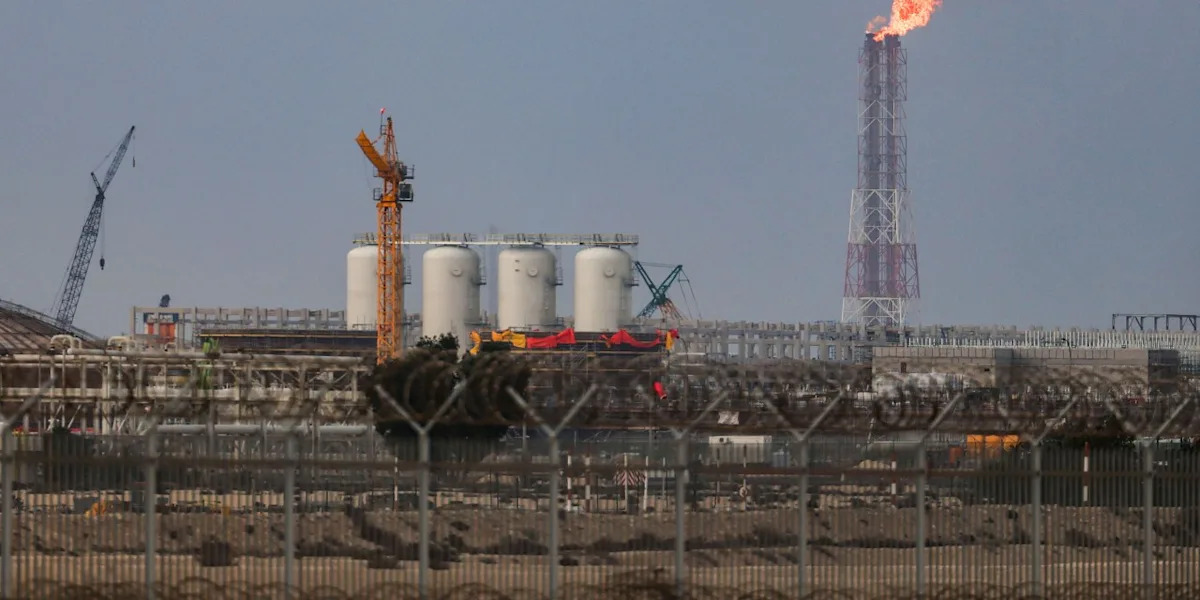
Damaged Energy Infrastructure Impacts Recovery Timeline


- Infrastructure Damage: The damaged energy infrastructure is expected to take years to come back online, which will have a long-term impact on the energy supply chain and could lead to future energy shortages.
- Surge in Oil and Gas Prices: Despite the damage, the surge in oil and gas prices is helping to offset some of the production losses in the short term, indicating the market's sensitivity and volatility regarding energy supply.
- Mitigated Production Losses: The current rise in oil and gas prices provides some relief for the lost production; however, the long-term recovery of infrastructure will be a critical factor affecting market stability.
- Uncertain Market Outlook: The future outlook for the energy market has become uncertain due to delays in infrastructure recovery, which may lead to decreased investor confidence in the energy sector, subsequently impacting the stock performance of related companies.
See More
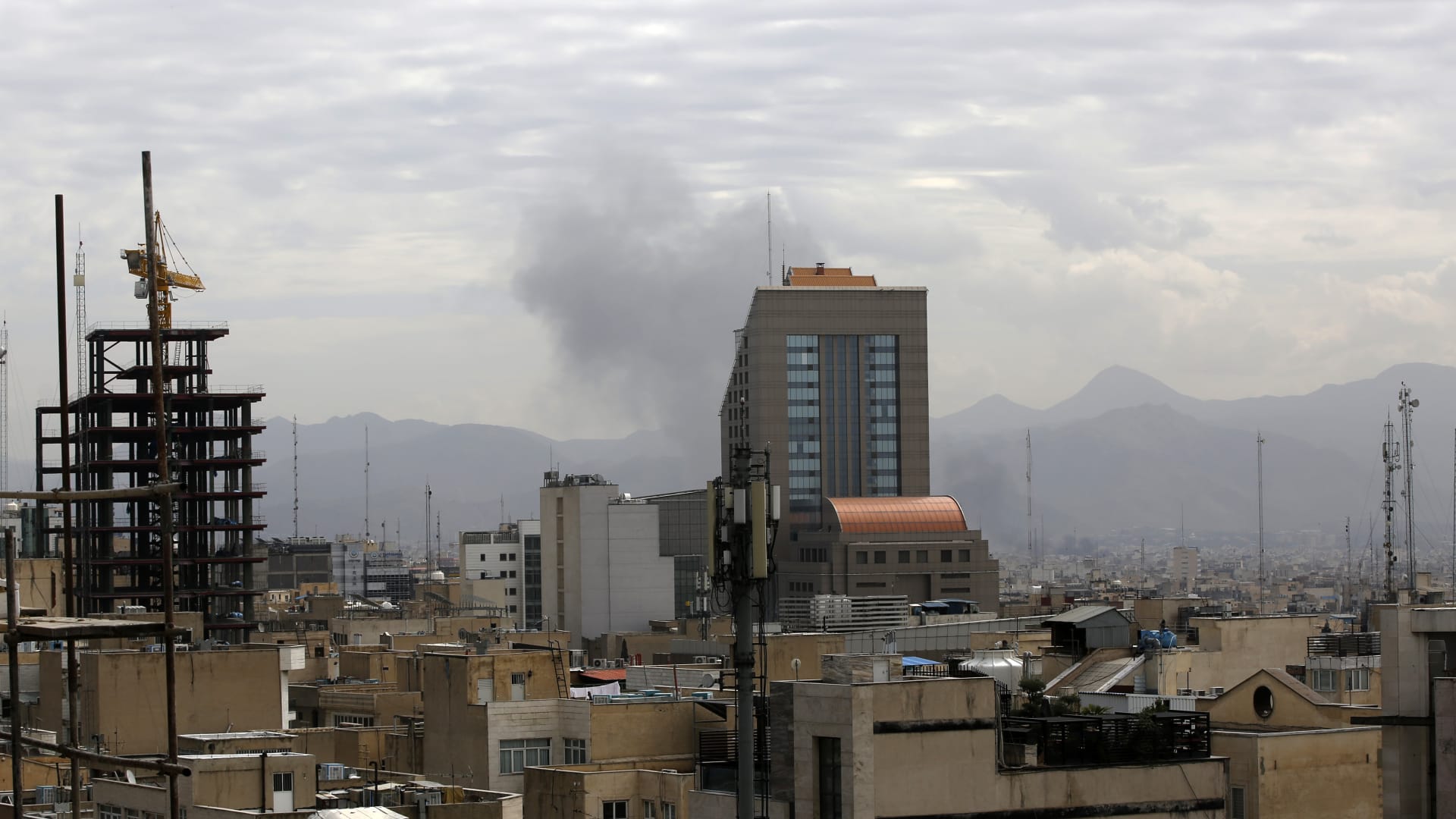
Escalating Tensions in the Middle East Lead to Declines in Asia-Pacific Markets

- Middle East Tensions Escalate: The Israeli army's announcement of a new wave of attacks on Tehran has heightened concerns over the Middle East situation, leading to widespread declines in Asia-Pacific markets as investor sentiment is negatively impacted.
- U.S. Threat Intensifies: President Trump warned that he would 'obliterate' Iran's power plans if Tehran fails to fully reopen the Strait of Hormuz within 48 hours, further exacerbating market anxiety and uncertainty.
- Iran's Hardline Response: Iran's Parliament speaker stated that attacks on the country's power plants would trigger immediate retaliatory strikes on regional energy and oil infrastructure, potentially leading to a long-term rise in oil prices, which adds to market volatility.
- Poor Performance in Asia-Pacific Markets: Australia's S&P/ASX 200 index fell over 1.8%, Japan's Nikkei 225 dropped 4% at open, and South Korea's Kospi plunged 4.6%, reflecting investor concerns about the future geopolitical landscape.
See More

Top Energy Dividend Stocks for Reliable Income in 2026

- Brookfield Renewable: Since its public listing in 2011, Brookfield Renewable has consistently increased its dividend by at least 5% annually, currently yielding nearly 4%, significantly above the S&P 500's 1.2%, and is expected to continue growing its payout by 5% to 9% long-term, reflecting its stable cash flow and strong market demand.
- ExxonMobil's Strong Performance: ExxonMobil paid $17.2 billion in dividends last year, marking 43 consecutive years of dividend increases, and anticipates generating an additional $25 billion in annual earnings and $35 billion in cash flow by 2030, showcasing its robust resilience in the oil sector and investment flexibility.
- Enterprise Products Partners' Stable Income: Enterprise Products Partners has increased its distribution for 27 straight years, currently offering a yield of 5.9%, with last year's cash flow covering its distribution by 1.7 times, indicating strong financial flexibility and growth potential.
- Future Outlook: Brookfield, ExxonMobil, and Enterprise Products Partners are seen as ideal dividend stocks for 2026 and beyond due to their reliable dividend growth trends and stable cash flows, making them suitable for investors seeking sustainable income.
See More

Trump Administration Issues 30-Day Sanctions Waiver on Iranian Oil
- Sanctions Waiver: The Trump administration has issued a 30-day sanctions waiver on Iranian oil, expected to inject approximately 140 million barrels into the global market to counter soaring energy costs, with prices exceeding $100 per barrel due to the U.S.-Israeli conflict.
- Strategic Intent: Treasury Secretary Scott Bessent characterized this maneuver as a strategic pivot aimed at utilizing existing Iranian supplies as a buffer to protect U.S. consumers and businesses ahead of the high-stakes November midterm elections.
- Beneficiaries in Asia: The waiver specifically targets oil already loaded on vessels, primarily benefiting Asian refiners in China, India, and South Korea, with Energy Secretary Chris Wright noting that new supplies could reach Asian processing hubs within days, providing a near-term cooling effect on the market.
- Frequent Policy Adjustments: This marks the third easing of restrictions on adversarial energy exports in two weeks, highlighting the severity of the current supply crunch exacerbated by the effective closure of the Strait of Hormuz, forcing the administration into rapid policy adjustments to navigate the energy crisis.
See More

Cuba Faces Widespread Power Outage Amid Crisis


- Power Crisis Intensifies: On March 16, 2026, Cuba experienced a widespread power outage confirmed by the national electricity company, highlighting the severe economic crisis exacerbated by the U.S. energy blockade, which could lead to social unrest and public dissatisfaction.
- Energy Supply Constraints: The U.S. government has cut off Cuba's oil supply and threatened a 'friendly takeover,' pushing the Cuban economy to the brink of collapse, further worsening energy shortages and rising living costs, impacting citizens' basic livelihoods.
- Tense Historical Relations: The adversarial relationship between Cuba and the U.S. has persisted for over 50 years, with the Cuban government implementing various measures in response to U.S. economic sanctions since the 1959 revolution; however, the current deterioration may further strain diplomatic relations and hinder future progress.
- Uncertain Future: Although there was hope for the restoration of diplomatic ties, the tightening of U.S. policies in recent years has stalled Cuba's reform process, leaving the future of bilateral relations fraught with uncertainty, which could affect regional stability.
See More

Iran Allows Japanese Vessels to Transit Hormuz Strait Amid Energy Security Concerns
- Energy Security Relief: Iranian Foreign Minister Abbas Araghchi announced that Iran is prepared to allow Japanese vessels to transit the Strait of Hormuz, providing a critical reprieve for Asian energy security amid a turbulent global oil market due to regional conflicts.
- Japan's Crude Dependency: The potential for safe passage comes at a crucial time for Tokyo, which has recently tapped its strategic petroleum reserves to stabilize domestic prices, highlighting Japan's deep reliance on Middle Eastern crude.
- Delicate Diplomatic Situation: Japanese Prime Minister Sanae Takaichi faces mounting pressure from President Trump to balance Allied demands with domestic legal constraints, pledging to increase U.S. shale imports and enhance missile defense cooperation during a recent summit.
- Cautious Optimism Among Investors: Araghchi's comments suggest a pathway for Japanese-flagged ships, although broader security issues in the Hormuz Strait remain a significant friction point in the U.S.-Japan alliance, making Tokyo's diplomatic maneuvering crucial for global energy volatility in the coming weeks.
See More
Damaged Energy Infrastructure Impacts Recovery Timeline
- Infrastructure Damage: The damaged energy infrastructure is expected to take years to come back online, which will have a long-term impact on the energy supply chain and could lead to future energy shortages.
- Surge in Oil and Gas Prices: Despite the damage, the surge in oil and gas prices is helping to offset some of the production losses in the short term, indicating the market's sensitivity and volatility regarding energy supply.
- Mitigated Production Losses: The current rise in oil and gas prices provides some relief for the lost production; however, the long-term recovery of infrastructure will be a critical factor affecting market stability.
- Uncertain Market Outlook: The future outlook for the energy market has become uncertain due to delays in infrastructure recovery, which may lead to decreased investor confidence in the energy sector, subsequently impacting the stock performance of related companies.
See More
Escalating Tensions in the Middle East Lead to Declines in Asia-Pacific Markets
- Middle East Tensions Escalate: The Israeli army's announcement of a new wave of attacks on Tehran has heightened concerns over the Middle East situation, leading to widespread declines in Asia-Pacific markets as investor sentiment is negatively impacted.
- U.S. Threat Intensifies: President Trump warned that he would 'obliterate' Iran's power plans if Tehran fails to fully reopen the Strait of Hormuz within 48 hours, further exacerbating market anxiety and uncertainty.
- Iran's Hardline Response: Iran's Parliament speaker stated that attacks on the country's power plants would trigger immediate retaliatory strikes on regional energy and oil infrastructure, potentially leading to a long-term rise in oil prices, which adds to market volatility.
- Poor Performance in Asia-Pacific Markets: Australia's S&P/ASX 200 index fell over 1.8%, Japan's Nikkei 225 dropped 4% at open, and South Korea's Kospi plunged 4.6%, reflecting investor concerns about the future geopolitical landscape.
See More
Top Energy Dividend Stocks for Reliable Income in 2026
- Brookfield Renewable: Since its public listing in 2011, Brookfield Renewable has consistently increased its dividend by at least 5% annually, currently yielding nearly 4%, significantly above the S&P 500's 1.2%, and is expected to continue growing its payout by 5% to 9% long-term, reflecting its stable cash flow and strong market demand.
- ExxonMobil's Strong Performance: ExxonMobil paid $17.2 billion in dividends last year, marking 43 consecutive years of dividend increases, and anticipates generating an additional $25 billion in annual earnings and $35 billion in cash flow by 2030, showcasing its robust resilience in the oil sector and investment flexibility.
- Enterprise Products Partners' Stable Income: Enterprise Products Partners has increased its distribution for 27 straight years, currently offering a yield of 5.9%, with last year's cash flow covering its distribution by 1.7 times, indicating strong financial flexibility and growth potential.
- Future Outlook: Brookfield, ExxonMobil, and Enterprise Products Partners are seen as ideal dividend stocks for 2026 and beyond due to their reliable dividend growth trends and stable cash flows, making them suitable for investors seeking sustainable income.
See More
Trump Administration Issues 30-Day Sanctions Waiver on Iranian Oil
- Sanctions Waiver: The Trump administration has issued a 30-day sanctions waiver on Iranian oil, expected to inject approximately 140 million barrels into the global market to counter soaring energy costs, with prices exceeding $100 per barrel due to the U.S.-Israeli conflict.
- Strategic Intent: Treasury Secretary Scott Bessent characterized this maneuver as a strategic pivot aimed at utilizing existing Iranian supplies as a buffer to protect U.S. consumers and businesses ahead of the high-stakes November midterm elections.
- Beneficiaries in Asia: The waiver specifically targets oil already loaded on vessels, primarily benefiting Asian refiners in China, India, and South Korea, with Energy Secretary Chris Wright noting that new supplies could reach Asian processing hubs within days, providing a near-term cooling effect on the market.
- Frequent Policy Adjustments: This marks the third easing of restrictions on adversarial energy exports in two weeks, highlighting the severity of the current supply crunch exacerbated by the effective closure of the Strait of Hormuz, forcing the administration into rapid policy adjustments to navigate the energy crisis.
See More
Cuba Faces Widespread Power Outage Amid Crisis
- Power Crisis Intensifies: On March 16, 2026, Cuba experienced a widespread power outage confirmed by the national electricity company, highlighting the severe economic crisis exacerbated by the U.S. energy blockade, which could lead to social unrest and public dissatisfaction.
- Energy Supply Constraints: The U.S. government has cut off Cuba's oil supply and threatened a 'friendly takeover,' pushing the Cuban economy to the brink of collapse, further worsening energy shortages and rising living costs, impacting citizens' basic livelihoods.
- Tense Historical Relations: The adversarial relationship between Cuba and the U.S. has persisted for over 50 years, with the Cuban government implementing various measures in response to U.S. economic sanctions since the 1959 revolution; however, the current deterioration may further strain diplomatic relations and hinder future progress.
- Uncertain Future: Although there was hope for the restoration of diplomatic ties, the tightening of U.S. policies in recent years has stalled Cuba's reform process, leaving the future of bilateral relations fraught with uncertainty, which could affect regional stability.
See More
Iran Allows Japanese Vessels to Transit Hormuz Strait Amid Energy Security Concerns
- Energy Security Relief: Iranian Foreign Minister Abbas Araghchi announced that Iran is prepared to allow Japanese vessels to transit the Strait of Hormuz, providing a critical reprieve for Asian energy security amid a turbulent global oil market due to regional conflicts.
- Japan's Crude Dependency: The potential for safe passage comes at a crucial time for Tokyo, which has recently tapped its strategic petroleum reserves to stabilize domestic prices, highlighting Japan's deep reliance on Middle Eastern crude.
- Delicate Diplomatic Situation: Japanese Prime Minister Sanae Takaichi faces mounting pressure from President Trump to balance Allied demands with domestic legal constraints, pledging to increase U.S. shale imports and enhance missile defense cooperation during a recent summit.
- Cautious Optimism Among Investors: Araghchi's comments suggest a pathway for Japanese-flagged ships, although broader security issues in the Hormuz Strait remain a significant friction point in the U.S.-Japan alliance, making Tokyo's diplomatic maneuvering crucial for global energy volatility in the coming weeks.
See More