CVS Health Shares Up 3% After UnitedHealth Quarterly Results
Written by Emily J. Thompson, Senior Investment Analyst
Updated: 18 hours ago
0mins
CVS Health shares up 3% after UnitedHealth reports quarterly results
Trade with 70% Backtested Accuracy
Stop guessing "Should I Buy CVS?" and start using high-conviction signals backed by rigorous historical data.
Sign up today to access powerful investing tools and make smarter, data-driven decisions.
Analyst Views on CVS
Wall Street analysts forecast CVS stock price to rise
17 Analyst Rating
16 Buy
1 Hold
0 Sell
Strong Buy
Current: 76.580

Low
91.00
Averages
96.71
High
105.00
Current: 76.580
Low
91.00
Averages
96.71
High
105.00
About CVS
CVS Health Corporation is a health solutions company. The Company's segments include Health Care Benefits, Health Services, Pharmacy & Consumer Wellness and Corporate/Other. The Health Care Benefits segment offers a broad range of traditional, voluntary and consumer-directed health insurance products and related services, including medical, pharmacy, dental and behavioral health plans, PDPs and Medicaid health care management services. The Health Services segment provides a full range of pharmacy benefit management (PBM) solutions through its CVS Caremark operations and delivers health care services in its medical clinics, virtually, and in the home. The Pharmacy & Consumer Wellness segment dispenses prescriptions in its CVS Pharmacy retail locations and, through its infusion operations, provides ancillary pharmacy services including pharmacy patient care programs, and vaccination administration, and sells a wide assortment of health and wellness products and general merchandise.
About the author

Emily J. Thompson
Emily J. Thompson, a Chartered Financial Analyst (CFA) with 12 years in investment research, graduated with honors from the Wharton School. Specializing in industrial and technology stocks, she provides in-depth analysis for Intellectia’s earnings and market brief reports.

Molina Healthcare Shares Rise Following UnitedHealth's Strong Earnings


- Industry Confidence Boost: Molina Healthcare's shares rose 1.9% in the afternoon session as UnitedHealth Group reported stronger-than-expected first-quarter profits, reflecting a surge in investor confidence across the healthcare insurance sector.
- Volatility Insights: The stock has experienced 19 moves greater than 5% over the past year, indicating that today's increase is seen as significant by the market, although it does not fundamentally alter perceptions of Molina's business.
- Profitability Challenges: Molina's adjusted earnings of $1.84 per share fell 52.7% short of analyst expectations of $3.89, prompting the company to lower its 2025 adjusted earnings guidance by 26.3%, highlighting ongoing profitability issues.
- Long-term Investment Returns: Molina's stock is down 15.3% year-to-date, trading at $151.08, which is 54.5% below its 52-week high of $332, indicating that investors who bought $1,000 worth of shares five years ago would now see only $593.78.
See More

US Stocks Rise on Strong Retail Sales and Earnings Reports

- Strong Retail Sales: US March retail sales rose 1.7% month-over-month, exceeding expectations of 1.4% and marking the largest increase in a year, indicating robust consumer spending that could bolster economic recovery and market confidence.
- Earnings Support: UnitedHealth Group (UNH) reported Q1 adjusted EPS of $9.23, significantly above the consensus of $6.57, raising its full-year forecast to above $18.25, which has driven health insurance stocks higher and reflects industry resilience.
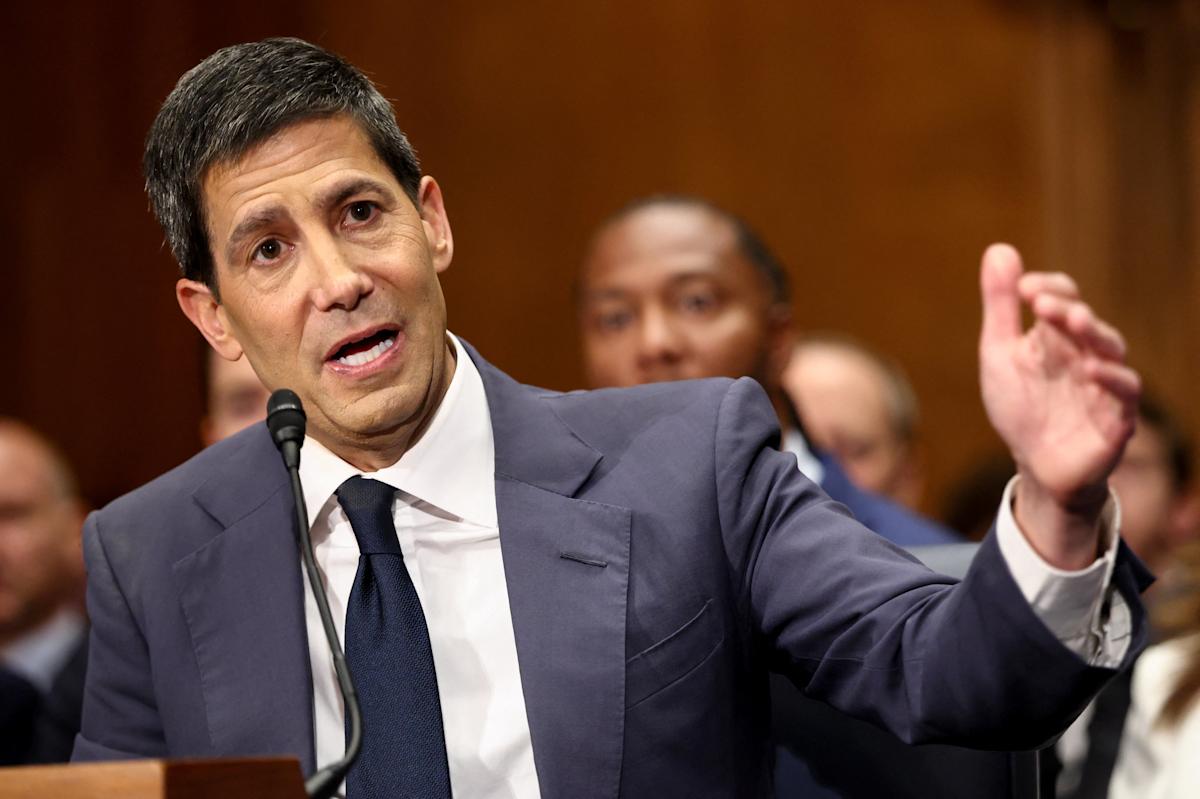
- Fed Nomination in Focus: Kevin Warsh's confirmation hearing before the Senate Banking Committee is drawing attention; despite facing an investigation hurdle, Warsh's commitment to an independent Fed and prioritizing inflation control could influence future monetary policy directions.
- International Tensions Impact Oil Prices: WTI crude oil prices fell over 1% as Iran is set to attend peace talks with the US, while the closure of the Strait of Hormuz threatens to exacerbate the global energy crisis, affecting market sentiment.
See More

U.S. Stocks Mixed as Oil Prices Rebound
- Market Performance: The S&P 500 Index fell by 0.13%, and the Dow Jones Industrial Average also declined by 0.13%, while the Nasdaq 100 saw a slight increase of 0.02%, reflecting market volatility influenced by oil price rebounds and economic data.
- Strong Economic Data: March retail sales rose by 1.7% month-over-month, exceeding expectations of 1.4%, marking the largest increase in a year, indicating robust consumer spending that may support stock prices.
- Oil Price Recovery: WTI crude oil prices rebounded by over 2% as market speculation intensified regarding Iran's participation in upcoming peace talks, potentially exacerbating the global energy crisis.
- Impressive Earnings Reports: UnitedHealth Group reported Q1 adjusted EPS of $9.23, significantly above the consensus of $6.57, leading to a stock price increase of over 7% and raising its full-year earnings forecast, showcasing strong performance in the health insurance sector.
See More
US Stocks Close Lower as Oil Prices Rebound Impact Market

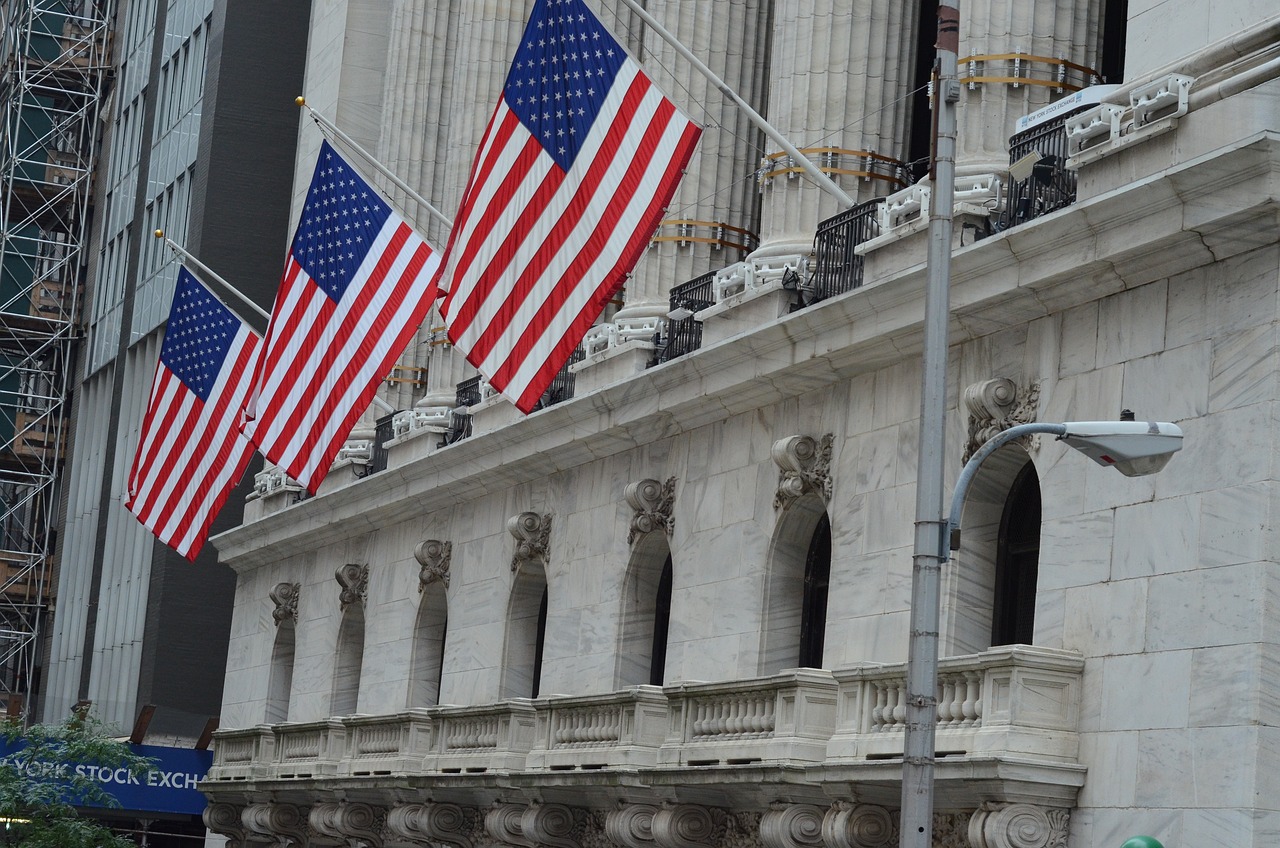
- Market Decline: The S&P 500 index fell by 0.63%, the Dow Jones Industrial Average dropped by 0.59%, and the Nasdaq 100 index decreased by 0.42%, reflecting investor concerns over the uncertainty surrounding Iran's geopolitical situation, which dampened market sentiment.
- Oil Price Rebound Impact: WTI crude oil prices rebounded by over 2% after Iran announced it would not attend peace talks, raising fears of a deepening global energy crisis, which could further hinder economic recovery.
- Supportive Economic Data: March retail sales rose by 1.7% month-over-month, surpassing expectations of 1.4%, indicating robust consumer spending that may provide some support for the stock market, despite overall market pressures.
- Fed Nominee Supports Independence: Fed Chair nominee Kevin Warsh emphasized the importance of monetary policy independence and controlling inflation in his Senate Banking Committee statement, which could positively influence market confidence.
See More

UnitedHealth Seeks Path to Cover Obesity Drugs

- Insurer Skepticism: UnitedHealth expressed a desire to find a path to cover obesity drugs during discussions with the Centers for Medicare & Medicaid Services, yet notable structural challenges could hinder future Medicare policies.
- Negative Market Reaction: Shares of Novo Nordisk (NVO) and Eli Lilly (LLY) fell 2% on Tuesday as major health insurers raised doubts about the Trump administration's plan, reflecting market concerns over potential Medicare coverage.
- Medicare Coverage Potential: Eli Lilly's CEO indicated that Medicare coverage could facilitate the launch of its new oral obesity drug Foundayo, potentially making 20 to 30 million Medicare beneficiaries eligible for GLP-1 treatments, significantly expanding the market.
- Retail Investor Sentiment: Despite LLY's 11% gain over the past year, NVO's stock has dropped nearly 32%, while retail sentiment on Stocktwits remains bullish, indicating ongoing interest in the obesity drug market.
See More

Jefferies Advises Investors to Focus on High Dividend Stocks Amid Market Volatility
- Market Volatility Impact: The S&P 500 index dropped nearly 8% from March 2 to March 30 due to geopolitical tensions, but recent ceasefire talks have restored it to early-year levels, highlighting the market's high volatility and shifting investor sentiment.
- Jefferies Investment Advice: Jefferies recommends investors focus on 'income darlings' stocks, which possess strong fundamentals and stable dividend returns, averaging a 4.3% yield, providing a cushion for investors in uncertain economic conditions.
- Target Company Performance: Jefferies highlights Target as a recommended stock, with a 3.50% dividend yield and a 50-year history of consecutive dividend increases, indicating robust profitability and stable cash flow.
- Regional Bank Outlook: Jefferies analyst notes an optimistic outlook for Zions Bancorp, expecting net interest income to grow 4-6% over the next 12 months, with a current dividend yield of 2.85%, offering good return potential for investors.
See More
Molina Healthcare Shares Rise Following UnitedHealth's Strong Earnings
- Industry Confidence Boost: Molina Healthcare's shares rose 1.9% in the afternoon session as UnitedHealth Group reported stronger-than-expected first-quarter profits, reflecting a surge in investor confidence across the healthcare insurance sector.
- Volatility Insights: The stock has experienced 19 moves greater than 5% over the past year, indicating that today's increase is seen as significant by the market, although it does not fundamentally alter perceptions of Molina's business.
- Profitability Challenges: Molina's adjusted earnings of $1.84 per share fell 52.7% short of analyst expectations of $3.89, prompting the company to lower its 2025 adjusted earnings guidance by 26.3%, highlighting ongoing profitability issues.
- Long-term Investment Returns: Molina's stock is down 15.3% year-to-date, trading at $151.08, which is 54.5% below its 52-week high of $332, indicating that investors who bought $1,000 worth of shares five years ago would now see only $593.78.
See More
US Stocks Rise on Strong Retail Sales and Earnings Reports
- Strong Retail Sales: US March retail sales rose 1.7% month-over-month, exceeding expectations of 1.4% and marking the largest increase in a year, indicating robust consumer spending that could bolster economic recovery and market confidence.
- Earnings Support: UnitedHealth Group (UNH) reported Q1 adjusted EPS of $9.23, significantly above the consensus of $6.57, raising its full-year forecast to above $18.25, which has driven health insurance stocks higher and reflects industry resilience.
- Fed Nomination in Focus: Kevin Warsh's confirmation hearing before the Senate Banking Committee is drawing attention; despite facing an investigation hurdle, Warsh's commitment to an independent Fed and prioritizing inflation control could influence future monetary policy directions.
- International Tensions Impact Oil Prices: WTI crude oil prices fell over 1% as Iran is set to attend peace talks with the US, while the closure of the Strait of Hormuz threatens to exacerbate the global energy crisis, affecting market sentiment.
See More
U.S. Stocks Mixed as Oil Prices Rebound
- Market Performance: The S&P 500 Index fell by 0.13%, and the Dow Jones Industrial Average also declined by 0.13%, while the Nasdaq 100 saw a slight increase of 0.02%, reflecting market volatility influenced by oil price rebounds and economic data.
- Strong Economic Data: March retail sales rose by 1.7% month-over-month, exceeding expectations of 1.4%, marking the largest increase in a year, indicating robust consumer spending that may support stock prices.
- Oil Price Recovery: WTI crude oil prices rebounded by over 2% as market speculation intensified regarding Iran's participation in upcoming peace talks, potentially exacerbating the global energy crisis.
- Impressive Earnings Reports: UnitedHealth Group reported Q1 adjusted EPS of $9.23, significantly above the consensus of $6.57, leading to a stock price increase of over 7% and raising its full-year earnings forecast, showcasing strong performance in the health insurance sector.
See More
US Stocks Close Lower as Oil Prices Rebound Impact Market
- Market Decline: The S&P 500 index fell by 0.63%, the Dow Jones Industrial Average dropped by 0.59%, and the Nasdaq 100 index decreased by 0.42%, reflecting investor concerns over the uncertainty surrounding Iran's geopolitical situation, which dampened market sentiment.
- Oil Price Rebound Impact: WTI crude oil prices rebounded by over 2% after Iran announced it would not attend peace talks, raising fears of a deepening global energy crisis, which could further hinder economic recovery.
- Supportive Economic Data: March retail sales rose by 1.7% month-over-month, surpassing expectations of 1.4%, indicating robust consumer spending that may provide some support for the stock market, despite overall market pressures.
- Fed Nominee Supports Independence: Fed Chair nominee Kevin Warsh emphasized the importance of monetary policy independence and controlling inflation in his Senate Banking Committee statement, which could positively influence market confidence.
See More
UnitedHealth Seeks Path to Cover Obesity Drugs
- Insurer Skepticism: UnitedHealth expressed a desire to find a path to cover obesity drugs during discussions with the Centers for Medicare & Medicaid Services, yet notable structural challenges could hinder future Medicare policies.
- Negative Market Reaction: Shares of Novo Nordisk (NVO) and Eli Lilly (LLY) fell 2% on Tuesday as major health insurers raised doubts about the Trump administration's plan, reflecting market concerns over potential Medicare coverage.
- Medicare Coverage Potential: Eli Lilly's CEO indicated that Medicare coverage could facilitate the launch of its new oral obesity drug Foundayo, potentially making 20 to 30 million Medicare beneficiaries eligible for GLP-1 treatments, significantly expanding the market.
- Retail Investor Sentiment: Despite LLY's 11% gain over the past year, NVO's stock has dropped nearly 32%, while retail sentiment on Stocktwits remains bullish, indicating ongoing interest in the obesity drug market.
See More
Jefferies Advises Investors to Focus on High Dividend Stocks Amid Market Volatility
- Market Volatility Impact: The S&P 500 index dropped nearly 8% from March 2 to March 30 due to geopolitical tensions, but recent ceasefire talks have restored it to early-year levels, highlighting the market's high volatility and shifting investor sentiment.
- Jefferies Investment Advice: Jefferies recommends investors focus on 'income darlings' stocks, which possess strong fundamentals and stable dividend returns, averaging a 4.3% yield, providing a cushion for investors in uncertain economic conditions.
- Target Company Performance: Jefferies highlights Target as a recommended stock, with a 3.50% dividend yield and a 50-year history of consecutive dividend increases, indicating robust profitability and stable cash flow.
- Regional Bank Outlook: Jefferies analyst notes an optimistic outlook for Zions Bancorp, expecting net interest income to grow 4-6% over the next 12 months, with a current dividend yield of 2.85%, offering good return potential for investors.
See More