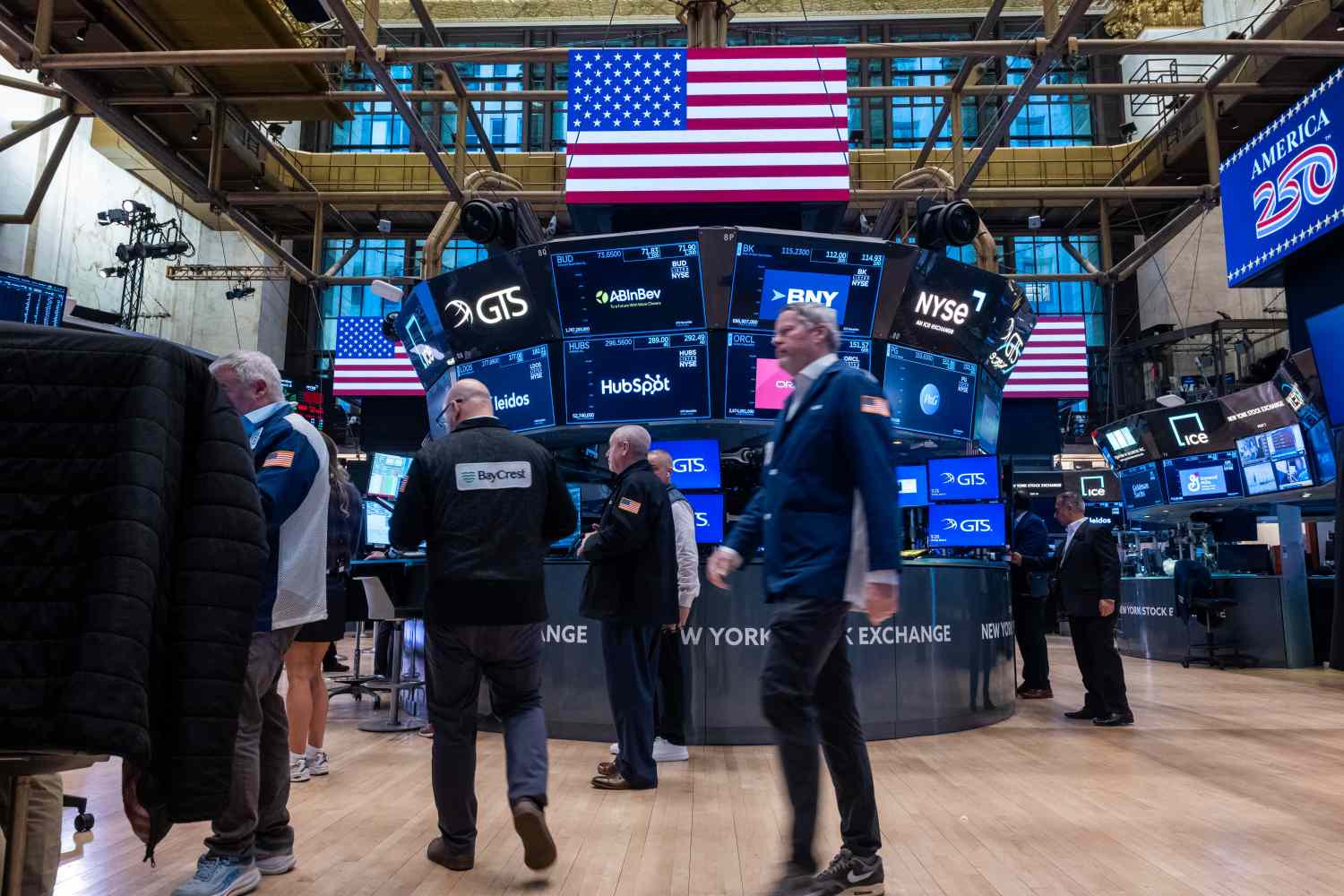
Concerns Rise Over Private Credit Market Risks
Written by Emily J. Thompson, Senior Investment Analyst
Updated: 10 hours ago
0mins

Source: CNBC
- Liquidity Concerns Intensify: Following JPMorgan's reduction of collateral values for some private credit clients, fears of a liquidity crisis have escalated, although industry experts suggest these concerns may be overstated, indicating a cautious market sentiment.
- Investor Redemption Wave: Retail investors have been pulling money from various private credit funds, particularly Blue Owl Capital and Blackstone, leading to increased redemption requests that reflect declining investor confidence and could impact the liquidity of these funds.
- Market Structure Risks: Goldman Sachs estimates that approximately 80% of the direct lending market is held in long-duration funds, separately managed accounts, and publicly traded business development companies, which typically do not allow for on-demand capital withdrawals, thereby limiting overall ecosystem risks.
- Concentration Issues: About $220 billion in assets are concentrated in retail-focused evergreen funds, which have rapidly grown among yield-seeking investors; however, concerns over loans to software companies have intensified, potentially leading to greater risk exposure.
Trade with 70% Backtested Accuracy
Stop guessing "Should I Buy JPM?" and start using high-conviction signals backed by rigorous historical data.
Sign up today to access powerful investing tools and make smarter, data-driven decisions.
Analyst Views on JPM
Wall Street analysts forecast JPM stock price to rise
19 Analyst Rating
11 Buy
7 Hold
1 Sell
Moderate Buy
Current: 288.730

Low
260.00
Averages
341.38
High
400.00
Current: 288.730
Low
260.00
Averages
341.38
High
400.00
About JPM
JPMorgan Chase & Co. is a financial holding company. The Company is engaged in investment banking, financial services for consumers and small businesses, commercial banking, financial transaction processing and asset management. The Company operates through three segments: Consumer & Community Banking (CCB), Commercial & Investment Bank (CIB), and Asset & Wealth Management (AWM). Its CCB segment offers products and services to consumers and small businesses through bank branches, ATMs, digital and telephone banking. Its CIB segment consists of banking and payments and markets and securities services, and offers a suite of investment banking, lending, payments, market-making, financing, custody and securities products and services to a global base of corporate and institutional clients. AWM segment offers investment and wealth management solutions. It offers multi-asset investment management solutions, retirement products and services, brokerage, custody, estate planning, and others.
About the author

Emily J. Thompson
Emily J. Thompson, a Chartered Financial Analyst (CFA) with 12 years in investment research, graduated with honors from the Wharton School. Specializing in industrial and technology stocks, she provides in-depth analysis for Intellectia’s earnings and market brief reports.
S&P 500 Declines as Oil Prices Surge Despite Reserve Release


- Oil Price Surge: Despite the IEA authorizing a historic release of 400 million barrels of strategic oil reserves, WTI crude prices surged by 8.45% to $94.62 per barrel, indicating heightened market concerns over energy supply tightness.
- Bearish Market Sentiment: Data from the Polygon platform reveals that traders are only pricing in a 12% chance of an upward opening on March 12, with early trading volume reaching $26,319, reflecting a pessimistic outlook among investors.
- Rising Inflation Expectations: February's Consumer Price Index (CPI) rose by 0.3%, aligning with expectations; however, the market is beginning to price in the inflationary impact of the current energy spike, pushing the 10-year Treasury yield up to 4.23%.
- Geopolitical Risks Intensify: Iran's reported attacks on three cargo vessels in the Strait of Hormuz further exacerbate oil price increases, highlighting the significant impact of geopolitical factors on energy markets, necessitating close monitoring by investors.
See More

India Reassesses Trade Corridors Amid U.S.-Israel War
- Trade Corridor Reevaluation: In light of the U.S.-Israel war, India is reassessing its strategic trade corridors with Iran, particularly the International North-South Transport Corridor and the India-Middle East-Europe Economic Corridor, with the latter seen as having greater potential to support India's export ambitions.
- Support for IMEC: The IMEC corridor is backed by powerful allies, with former President Trump calling it 'one of the greatest trade routes in history' and Israeli Prime Minister Netanyahu describing it as 'the largest cooperation project in our history', highlighting its strategic significance.
- Cost and Time Advantages: IMEC is expected to reduce logistical costs by up to 30% and transportation time by 40% compared to traditional routes like the Suez Canal, which is particularly crucial given the current disruptions caused by the Middle East conflict.
- Challenges of Regional Stability: Despite the clear advantages of IMEC, experts warn that its success hinges on regional stability, which is currently in short supply, potentially impacting its future trajectory.
See More
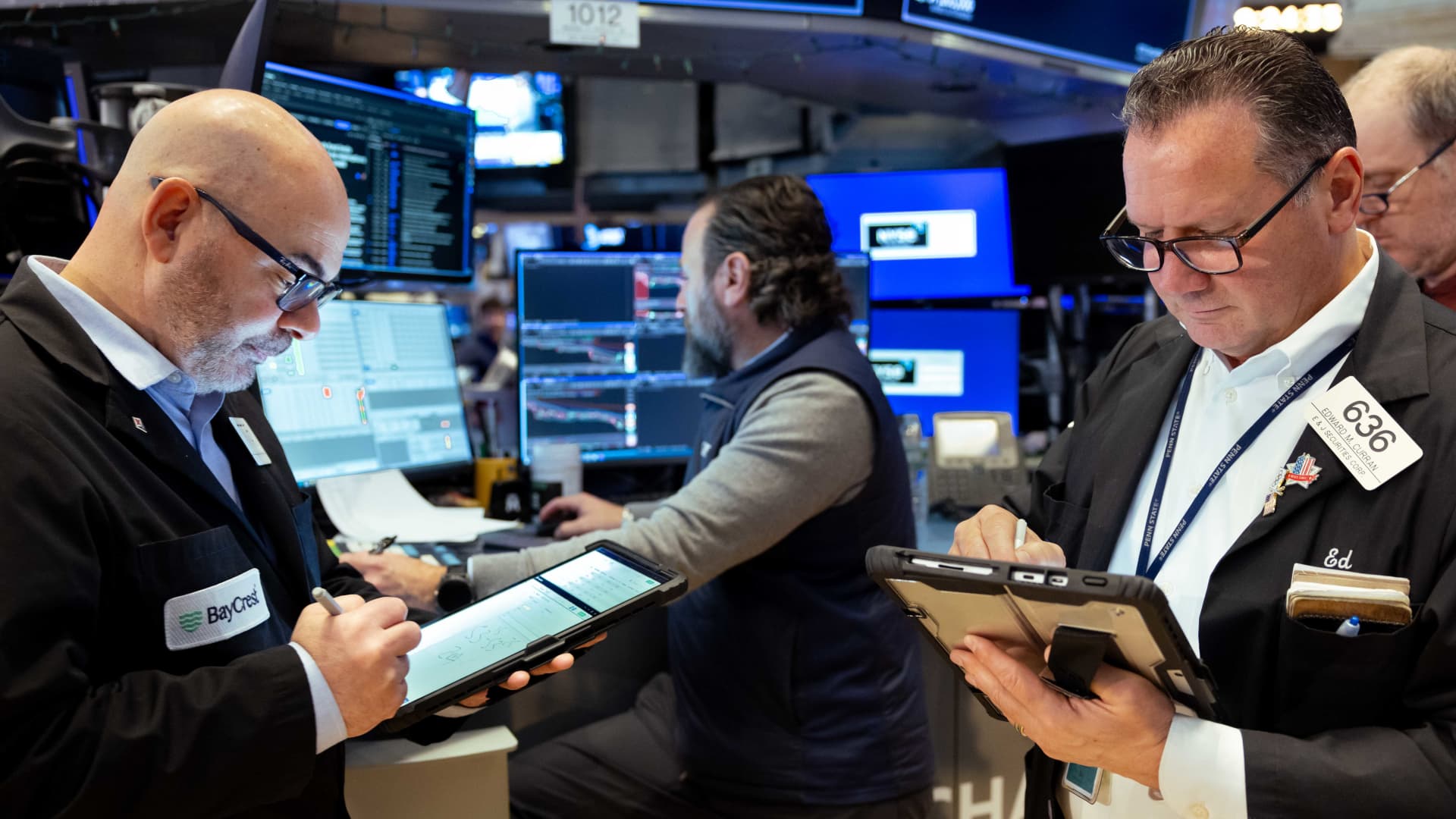
Concerns Rise Over Private Credit Market Risks

- Liquidity Concerns Intensify: Following JPMorgan's reduction of collateral values for some private credit clients, fears of a liquidity crisis have escalated, although industry experts suggest these concerns may be overstated, indicating a cautious market sentiment.
- Investor Redemption Wave: Retail investors have been pulling money from various private credit funds, particularly Blue Owl Capital and Blackstone, leading to increased redemption requests that reflect declining investor confidence and could impact the liquidity of these funds.
- Market Structure Risks: Goldman Sachs estimates that approximately 80% of the direct lending market is held in long-duration funds, separately managed accounts, and publicly traded business development companies, which typically do not allow for on-demand capital withdrawals, thereby limiting overall ecosystem risks.
- Concentration Issues: About $220 billion in assets are concentrated in retail-focused evergreen funds, which have rapidly grown among yield-seeking investors; however, concerns over loans to software companies have intensified, potentially leading to greater risk exposure.
See More

Ripple Initiates $750 Million Share Buyback Amid Crypto Market Turmoil


- Record Buyback: Ripple has initiated a $750 million share buyback, reflecting a self-assessment at a $50 billion valuation amidst a turbulent crypto market, showcasing confidence in its intrinsic value.
- Lackluster Market Response: Despite buying back $285 million at an $11 billion valuation in January 2024, Ripple's $1 billion tender in September 2025 saw the lowest participation rate, indicating employee reluctance to sell shares.
- Significant Transaction Volume: Ripple has processed over $100 billion in transactions recently, highlighting its active role and influence in the crypto market, even as Bitcoin and XRP prices have plummeted.
- ETF Investment Dynamics: Goldman Sachs has emerged as the largest XRP ETF investor, holding a $2.3 billion crypto ETF portfolio, indicating sustained institutional interest in XRP despite market price uncertainties.
See More

Gold Bull Run May Be Ending as Funds Shift to Grains

- Gold Price Decline: Gold is trading around $5,185 per ounce, down about 1% from the previous day, indicating a weakening demand in the market that may signal the end of the bull run.
- Limited Geopolitical Impact: Despite the Iran war being considered one of the biggest geopolitical events in decades, gold has failed to rally, with analyst Wyckoff suggesting that the market's lack of response to bullish news indicates that the bulls may be exhausted.
- Funds Shifting to Grains: Wyckoff noted that speculative and hedge fund money appears to be rotating into grain markets, with corn, soybeans, and wheat prices trending higher since January, highlighting their relative attractiveness compared to gold.
- Fertilizer Prices Surge: The ongoing Iran conflict has caused urea prices in New Orleans to surge over 30%, which may lead farmers to reduce corn planting in favor of soybeans, potentially tightening grain supply and driving prices higher later this year.
See More

Berkshire's Acquisition of Occidental Chemicals Division Proves Successful Amid Rising Chemical Stock Prices

Berkshire Hathaway's Acquisition: Berkshire Hathaway has made a $9.7 billion cash deal to acquire Occidental Petroleum's chemical business.
CEO's Role: CEO Greg Abel played a significant role in the transaction, which is being viewed as a smart purchase.
See More
S&P 500 Declines as Oil Prices Surge Despite Reserve Release
- Oil Price Surge: Despite the IEA authorizing a historic release of 400 million barrels of strategic oil reserves, WTI crude prices surged by 8.45% to $94.62 per barrel, indicating heightened market concerns over energy supply tightness.
- Bearish Market Sentiment: Data from the Polygon platform reveals that traders are only pricing in a 12% chance of an upward opening on March 12, with early trading volume reaching $26,319, reflecting a pessimistic outlook among investors.
- Rising Inflation Expectations: February's Consumer Price Index (CPI) rose by 0.3%, aligning with expectations; however, the market is beginning to price in the inflationary impact of the current energy spike, pushing the 10-year Treasury yield up to 4.23%.
- Geopolitical Risks Intensify: Iran's reported attacks on three cargo vessels in the Strait of Hormuz further exacerbate oil price increases, highlighting the significant impact of geopolitical factors on energy markets, necessitating close monitoring by investors.
See More
India Reassesses Trade Corridors Amid U.S.-Israel War
- Trade Corridor Reevaluation: In light of the U.S.-Israel war, India is reassessing its strategic trade corridors with Iran, particularly the International North-South Transport Corridor and the India-Middle East-Europe Economic Corridor, with the latter seen as having greater potential to support India's export ambitions.
- Support for IMEC: The IMEC corridor is backed by powerful allies, with former President Trump calling it 'one of the greatest trade routes in history' and Israeli Prime Minister Netanyahu describing it as 'the largest cooperation project in our history', highlighting its strategic significance.
- Cost and Time Advantages: IMEC is expected to reduce logistical costs by up to 30% and transportation time by 40% compared to traditional routes like the Suez Canal, which is particularly crucial given the current disruptions caused by the Middle East conflict.
- Challenges of Regional Stability: Despite the clear advantages of IMEC, experts warn that its success hinges on regional stability, which is currently in short supply, potentially impacting its future trajectory.
See More
Concerns Rise Over Private Credit Market Risks
- Liquidity Concerns Intensify: Following JPMorgan's reduction of collateral values for some private credit clients, fears of a liquidity crisis have escalated, although industry experts suggest these concerns may be overstated, indicating a cautious market sentiment.
- Investor Redemption Wave: Retail investors have been pulling money from various private credit funds, particularly Blue Owl Capital and Blackstone, leading to increased redemption requests that reflect declining investor confidence and could impact the liquidity of these funds.
- Market Structure Risks: Goldman Sachs estimates that approximately 80% of the direct lending market is held in long-duration funds, separately managed accounts, and publicly traded business development companies, which typically do not allow for on-demand capital withdrawals, thereby limiting overall ecosystem risks.
- Concentration Issues: About $220 billion in assets are concentrated in retail-focused evergreen funds, which have rapidly grown among yield-seeking investors; however, concerns over loans to software companies have intensified, potentially leading to greater risk exposure.
See More
Ripple Initiates $750 Million Share Buyback Amid Crypto Market Turmoil
- Record Buyback: Ripple has initiated a $750 million share buyback, reflecting a self-assessment at a $50 billion valuation amidst a turbulent crypto market, showcasing confidence in its intrinsic value.
- Lackluster Market Response: Despite buying back $285 million at an $11 billion valuation in January 2024, Ripple's $1 billion tender in September 2025 saw the lowest participation rate, indicating employee reluctance to sell shares.
- Significant Transaction Volume: Ripple has processed over $100 billion in transactions recently, highlighting its active role and influence in the crypto market, even as Bitcoin and XRP prices have plummeted.
- ETF Investment Dynamics: Goldman Sachs has emerged as the largest XRP ETF investor, holding a $2.3 billion crypto ETF portfolio, indicating sustained institutional interest in XRP despite market price uncertainties.
See More
Gold Bull Run May Be Ending as Funds Shift to Grains
- Gold Price Decline: Gold is trading around $5,185 per ounce, down about 1% from the previous day, indicating a weakening demand in the market that may signal the end of the bull run.
- Limited Geopolitical Impact: Despite the Iran war being considered one of the biggest geopolitical events in decades, gold has failed to rally, with analyst Wyckoff suggesting that the market's lack of response to bullish news indicates that the bulls may be exhausted.
- Funds Shifting to Grains: Wyckoff noted that speculative and hedge fund money appears to be rotating into grain markets, with corn, soybeans, and wheat prices trending higher since January, highlighting their relative attractiveness compared to gold.
- Fertilizer Prices Surge: The ongoing Iran conflict has caused urea prices in New Orleans to surge over 30%, which may lead farmers to reduce corn planting in favor of soybeans, potentially tightening grain supply and driving prices higher later this year.
See More
Berkshire's Acquisition of Occidental Chemicals Division Proves Successful Amid Rising Chemical Stock Prices
Berkshire Hathaway's Acquisition: Berkshire Hathaway has made a $9.7 billion cash deal to acquire Occidental Petroleum's chemical business.
CEO's Role: CEO Greg Abel played a significant role in the transaction, which is being viewed as a smart purchase.
See More