Concerns Rise Over Corporate Exodus from New York City
Written by Emily J. Thompson, Senior Investment Analyst
Updated: 1 day ago
0mins

Should l Buy APO?
Source: CNBC
- Corporate Exodus Risk: Concerns about a corporate exodus are heightened as Apollo Global Management considers establishing a second headquarters in a southern state, which could amplify opposition to tax and real estate policies during Mayor Zohran Mamdani's term, potentially impacting the city's economic growth.
- Budget Deficit Challenge: Facing a $5.4 billion budget deficit, Mamdani's administration advocates for taxing the wealthy, but its conflict with Governor Kathy Hochul over tax policies may lead to corporate caution regarding future investments, further affecting New York's business environment.
- Office Market Dynamics: Despite the risk of exodus, JLL reports that leasing volume for high-quality office space in Manhattan reached 8.5 million square feet in Q1 2026, with vacancies dropping by 2.2 percentage points to 13.5%, indicating that companies are still competing for premium office space, driving rents up by 3.5%.
- AI Sector Driving Leasing: Leasing activity from AI companies accounted for half of 2025's total leasing volume in Manhattan, with Nscale Global Holdings' lease at One Vanderbilt setting a record rent of $320 per square foot, reflecting strong demand for premium office space while introducing uncertainty into the market.
Trade with 70% Backtested Accuracy
Stop guessing "Should I Buy APO?" and start using high-conviction signals backed by rigorous historical data.
Sign up today to access powerful investing tools and make smarter, data-driven decisions.
Analyst Views on APO
Wall Street analysts forecast APO stock price to rise
11 Analyst Rating
10 Buy
1 Hold
0 Sell
Strong Buy
Current: 107.040

Low
136.00
Averages
164.45
High
182.00
Current: 107.040
Low
136.00
Averages
164.45
High
182.00
About APO
Apollo Global Management, Inc. is a global alternative asset manager and a retirement services provider. It operates through three segments: Asset Management, Retirement Services and Principal Investing. The Asset Management segment focuses on three investing strategies: yield, hybrid, and equity. These strategies reflect the range of investment capabilities across its platform based on relative risk and return. The Retirement Services business is conducted by Athene Holding Ltd (Athene), a financial services company that specializes in issuing, reinsuring, and acquiring retirement savings products designed for the increasing number of individuals and institutions seeking to fund retirement needs. Athene product lines include annuities and funding agreements. The Principal Investing segment includes realized performance fee income, realized investment income from its balance sheet investments, and certain allocable expenses related to corporate functions supporting the entire company.
About the author

Emily J. Thompson
Emily J. Thompson, a Chartered Financial Analyst (CFA) with 12 years in investment research, graduated with honors from the Wharton School. Specializing in industrial and technology stocks, she provides in-depth analysis for Intellectia’s earnings and market brief reports.
Multiple Companies Face Class Action Lawsuits


- Lakeland Industries Lawsuit: Lakeland Industries faces a class action lawsuit for the period from December 2023 to December 2025, alleging failure to disclose significant issues with its Pacific Helmets and Jolly businesses, which misled investors about the company's financial health and is expected to negatively impact its stock price.
- Navan, Inc. Lawsuit: Navan is accused in a class action lawsuit covering October 2025 to February 2026 of overstating its sales and marketing expenses during its IPO, which undermines investor confidence in the company's future and may affect its market performance.
- Franklin BSP Realty Trust Lawsuit: Franklin BSP Realty Trust is facing allegations in a class action from November 2024 to February 2026 for failing to disclose its ability to maintain a $0.355 dividend, which could lead investors to question its financial stability and impact its stock price.
- Apollo Global Management Lawsuit: Apollo Global Management is involved in a class action lawsuit for the period from May 2021 to February 2026, accused of failing to disclose connections between its executives and Jeffrey Epstein, which could severely damage the company's reputation and affect investor confidence and stock price.
See More
Apollo Global Management Faces Class Action Lawsuit
- Lawsuit Reminder: The Schall Law Firm alerts investors that Apollo Global Management is facing a class action lawsuit for violations of securities laws related to securities purchases made between May 10, 2021, and February 21, 2026, potentially impacting investor rights.
- False Statements: The complaint alleges that Apollo made false and misleading statements throughout the class period, claiming no business dealings with Jeffrey Epstein while its leadership was in regular contact with him, which could severely harm the company's reputation.
- Investor Losses: As the market learned the truth about Apollo, investors suffered damages, indicating significant deficiencies in the company's disclosure practices that could lead to stock price declines and affect future investor confidence.
- Legal Consultation Opportunity: The Schall Law Firm encourages affected shareholders to contact them before May 1, 2026, to participate in the lawsuit and seek legal support, ensuring their rights are protected.
See More
Apollo Global Management Faces Class Action Lawsuit
- Class Action Filed: Hagens Berman law firm has initiated a class action lawsuit against Apollo Global Management (NYSE: APO) on behalf of investors who purchased the company's securities between May 10, 2021, and February 21, 2026, alleging that executives made materially false statements regarding their relationship with Jeffrey Epstein.
- Trust Erosion: The lawsuit claims Apollo's leadership misled the public by asserting no business dealings with Epstein, yet recent investigations reveal deeper professional entanglements involving current CEO Marc Rowan, significantly undermining investor confidence.
- Stock Price Impact: Following the lawsuit and related reports, Apollo's stock plummeted over 15% within three weeks, erasing approximately $12 billion in market capitalization, highlighting serious concerns about the company's governance and transparency.
- Investor Action Urged: Hagens Berman urges investors who suffered significant losses during the class period to contact them by May 1, 2026, to seek appointment as Lead Plaintiff, ensuring their rights are protected in the ongoing litigation.
See More

JPMorgan CEO Warns of Economic Risks Amid Global Uncertainties
- Economic Resilience and Risks: JPMorgan CEO Jamie Dimon highlights that while the US economy shows resilience, it faces multiple uncertainties including the Iran war, credit cycles, and trade negotiations, which could lead to increased inflation and rising interest rates.
- Oil Price Shock Warning: Dimon warns that the Iran conflict may trigger significant oil and commodity price shocks, impacting global supply chains and putting pressure on consumers and businesses, thereby increasing economic fragility.
- Private Credit Loss Expectations: He notes that losses in private credit and leveraged lending will be higher than expected due to loosening credit standards, although he believes the $1.8 trillion private credit market does not pose a systemic risk.
- AI as a Double-Edged Sword: Dimon emphasizes that while rapid advancements in artificial intelligence will bring long-term economic benefits, they may also lead to increased unemployment in the short term, urging government and businesses to support retraining and income assistance for displaced workers.
See More
Intel's Acquisition of Ireland Fab Stake Signals Positive Turnaround


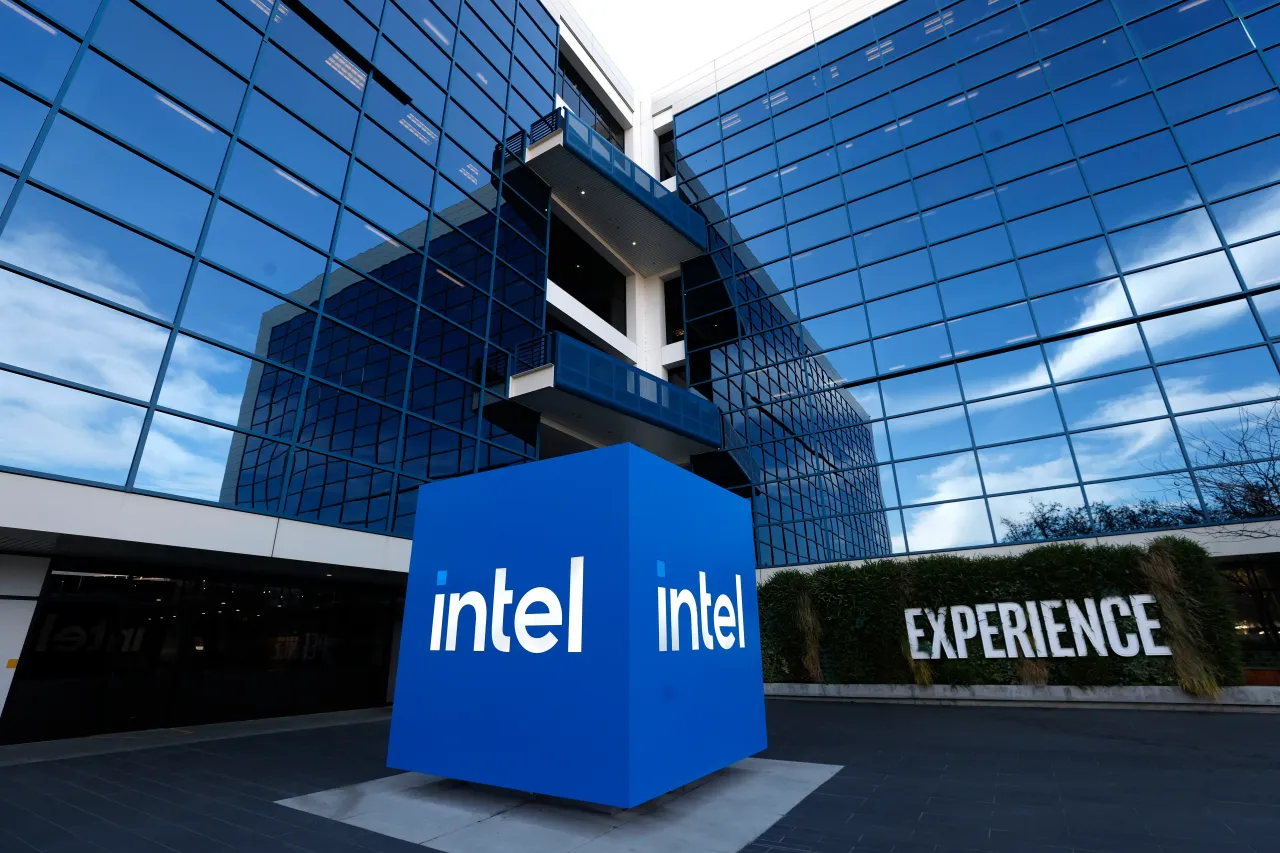
- Acquisition Boosts Confidence: Intel's agreement to acquire a 49% stake in Apollo Global Management's Fab 34 joint venture for $14.2 billion not only demonstrates enhanced financial strength but also improves visibility for its foundry business, with earnings per share expected to rise starting in 2027.
- Positive Market Reaction: Intel shares surged 5% on Thursday, with a nearly 17% increase last week, marking the best weekly performance in over four months, reflecting market optimism regarding its restructuring and future growth potential.
- Strategic Investment Signal: UBS noted that if Intel buys Brookfield's stake in its Arizona fabs, it would serve as a larger catalyst, indicating better prospects for winning foundry customers and further solidifying its market position.
- Technological Advancement Showcase: Intel unveiled its Core Ultra Series 3 processors at CES 2026, built using 18A process technology, marking the latest progress in semiconductor manufacturing, which is expected to drive demand for AI data center chips and enhance the company's competitiveness.
See More
Data Center Financing Challenges and Opportunities


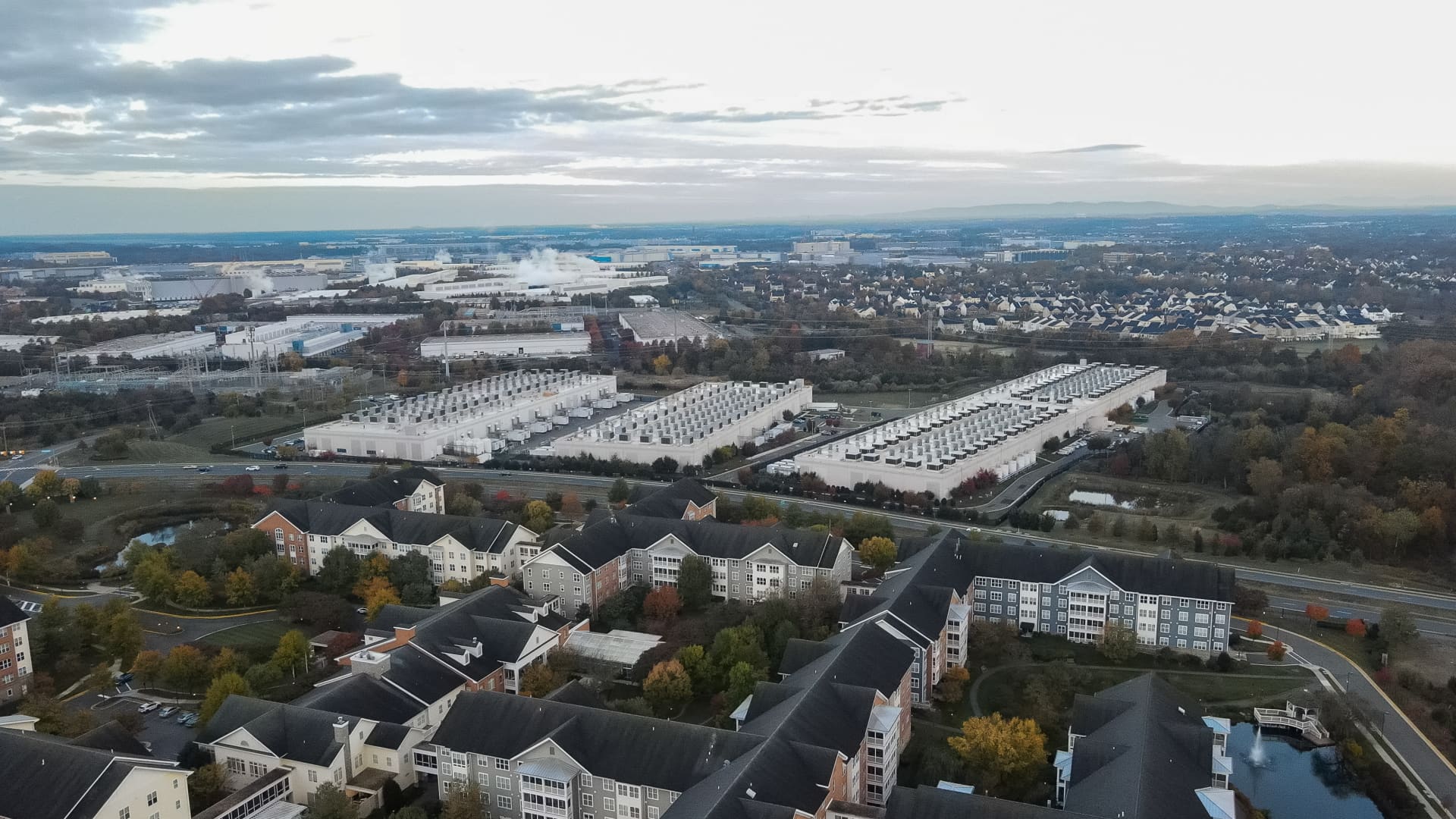
- Market Size Forecast: According to McKinsey, global spending on data centers could reach $7 trillion by 2030, indicating a shift in funding sources from hyperscalers to private equity and debt financing, which alters the financial landscape of the industry.
- Insurance Industry Pressure: Gallagher reports that the construction and operation of data centers have posed a 'real stress test' for major insurers over the past four to five years, particularly when investments exceed $20 billion at a single site, challenging the market's insurance capacity.
- Complex Financing Structures: With decreasing transparency in data center financing, Quinn Emanuel's Rana warns that current financing structures could expose downstream investors to second-order litigation risks, especially for pension funds and insurers unaware of concentration risks.
- GPU Lifecycle Issues: CoreWeave recently secured $8.5 billion in GPU-backed loans, yet the average GPU lifecycle of seven years contrasts sharply with the decades-long lifespan of data centers, creating potential risks in financing structures that could destabilize the industry.
See More
Multiple Companies Face Class Action Lawsuits
- Lakeland Industries Lawsuit: Lakeland Industries faces a class action lawsuit for the period from December 2023 to December 2025, alleging failure to disclose significant issues with its Pacific Helmets and Jolly businesses, which misled investors about the company's financial health and is expected to negatively impact its stock price.
- Navan, Inc. Lawsuit: Navan is accused in a class action lawsuit covering October 2025 to February 2026 of overstating its sales and marketing expenses during its IPO, which undermines investor confidence in the company's future and may affect its market performance.
- Franklin BSP Realty Trust Lawsuit: Franklin BSP Realty Trust is facing allegations in a class action from November 2024 to February 2026 for failing to disclose its ability to maintain a $0.355 dividend, which could lead investors to question its financial stability and impact its stock price.
- Apollo Global Management Lawsuit: Apollo Global Management is involved in a class action lawsuit for the period from May 2021 to February 2026, accused of failing to disclose connections between its executives and Jeffrey Epstein, which could severely damage the company's reputation and affect investor confidence and stock price.
See More
Apollo Global Management Faces Class Action Lawsuit
- Lawsuit Reminder: The Schall Law Firm alerts investors that Apollo Global Management is facing a class action lawsuit for violations of securities laws related to securities purchases made between May 10, 2021, and February 21, 2026, potentially impacting investor rights.
- False Statements: The complaint alleges that Apollo made false and misleading statements throughout the class period, claiming no business dealings with Jeffrey Epstein while its leadership was in regular contact with him, which could severely harm the company's reputation.
- Investor Losses: As the market learned the truth about Apollo, investors suffered damages, indicating significant deficiencies in the company's disclosure practices that could lead to stock price declines and affect future investor confidence.
- Legal Consultation Opportunity: The Schall Law Firm encourages affected shareholders to contact them before May 1, 2026, to participate in the lawsuit and seek legal support, ensuring their rights are protected.
See More
Apollo Global Management Faces Class Action Lawsuit
- Class Action Filed: Hagens Berman law firm has initiated a class action lawsuit against Apollo Global Management (NYSE: APO) on behalf of investors who purchased the company's securities between May 10, 2021, and February 21, 2026, alleging that executives made materially false statements regarding their relationship with Jeffrey Epstein.
- Trust Erosion: The lawsuit claims Apollo's leadership misled the public by asserting no business dealings with Epstein, yet recent investigations reveal deeper professional entanglements involving current CEO Marc Rowan, significantly undermining investor confidence.
- Stock Price Impact: Following the lawsuit and related reports, Apollo's stock plummeted over 15% within three weeks, erasing approximately $12 billion in market capitalization, highlighting serious concerns about the company's governance and transparency.
- Investor Action Urged: Hagens Berman urges investors who suffered significant losses during the class period to contact them by May 1, 2026, to seek appointment as Lead Plaintiff, ensuring their rights are protected in the ongoing litigation.
See More
JPMorgan CEO Warns of Economic Risks Amid Global Uncertainties
- Economic Resilience and Risks: JPMorgan CEO Jamie Dimon highlights that while the US economy shows resilience, it faces multiple uncertainties including the Iran war, credit cycles, and trade negotiations, which could lead to increased inflation and rising interest rates.
- Oil Price Shock Warning: Dimon warns that the Iran conflict may trigger significant oil and commodity price shocks, impacting global supply chains and putting pressure on consumers and businesses, thereby increasing economic fragility.
- Private Credit Loss Expectations: He notes that losses in private credit and leveraged lending will be higher than expected due to loosening credit standards, although he believes the $1.8 trillion private credit market does not pose a systemic risk.
- AI as a Double-Edged Sword: Dimon emphasizes that while rapid advancements in artificial intelligence will bring long-term economic benefits, they may also lead to increased unemployment in the short term, urging government and businesses to support retraining and income assistance for displaced workers.
See More
Intel's Acquisition of Ireland Fab Stake Signals Positive Turnaround
- Acquisition Boosts Confidence: Intel's agreement to acquire a 49% stake in Apollo Global Management's Fab 34 joint venture for $14.2 billion not only demonstrates enhanced financial strength but also improves visibility for its foundry business, with earnings per share expected to rise starting in 2027.
- Positive Market Reaction: Intel shares surged 5% on Thursday, with a nearly 17% increase last week, marking the best weekly performance in over four months, reflecting market optimism regarding its restructuring and future growth potential.
- Strategic Investment Signal: UBS noted that if Intel buys Brookfield's stake in its Arizona fabs, it would serve as a larger catalyst, indicating better prospects for winning foundry customers and further solidifying its market position.
- Technological Advancement Showcase: Intel unveiled its Core Ultra Series 3 processors at CES 2026, built using 18A process technology, marking the latest progress in semiconductor manufacturing, which is expected to drive demand for AI data center chips and enhance the company's competitiveness.
See More
Data Center Financing Challenges and Opportunities
- Market Size Forecast: According to McKinsey, global spending on data centers could reach $7 trillion by 2030, indicating a shift in funding sources from hyperscalers to private equity and debt financing, which alters the financial landscape of the industry.
- Insurance Industry Pressure: Gallagher reports that the construction and operation of data centers have posed a 'real stress test' for major insurers over the past four to five years, particularly when investments exceed $20 billion at a single site, challenging the market's insurance capacity.
- Complex Financing Structures: With decreasing transparency in data center financing, Quinn Emanuel's Rana warns that current financing structures could expose downstream investors to second-order litigation risks, especially for pension funds and insurers unaware of concentration risks.
- GPU Lifecycle Issues: CoreWeave recently secured $8.5 billion in GPU-backed loans, yet the average GPU lifecycle of seven years contrasts sharply with the decades-long lifespan of data centers, creating potential risks in financing structures that could destabilize the industry.
See More