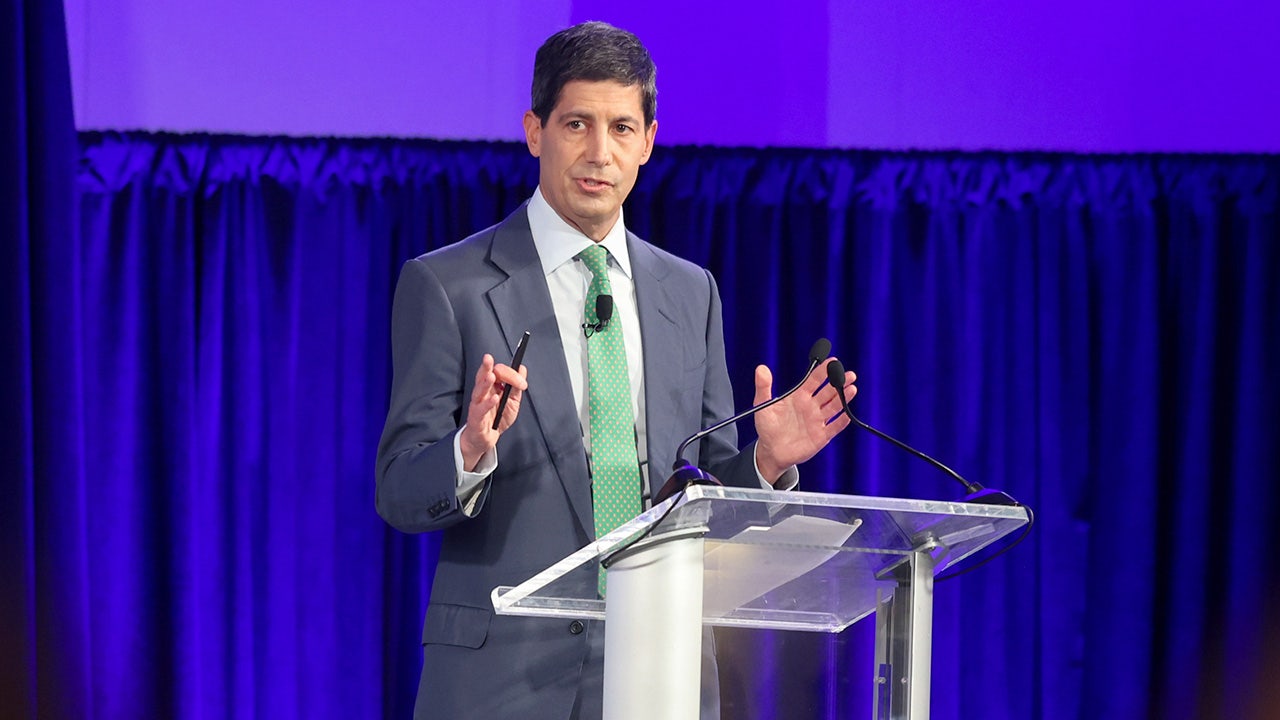
CME Group and DTCC Expand Cross-Margining Arrangement Approved by Regulators
CME Group and the Depository Trust & Clearing Corporation, or DTCC, a post-trade market infrastructure for the global financial services industry, announced that their expanded cross-margining arrangement, designed to create additional capital efficiencies for market participants, has received regulatory approvals from the SEC and the Commodity Futures Trading Commission, or CFTC. Beginning April 30, DTCC and CME Group will extend the benefits of cross-margining to end-user clients of dually registered broker/dealers and futures commission merchants - FCMs - that are common members of both the DTCC's Fixed Income Clearing Corporation, or FICC, and CME. Clients can benefit from increased capital and margin efficiencies when clearing transactions in U.S. Treasury securities through FICC and interest rate futures through CME when those transactions have offsetting risk exposures. CME-FICC cross-margining arrangements have been available to common clearing members with respect to their proprietary accounts since 2004, with significant enhancements to the arrangement announced in 2024. This latest expansion will now enable clearing members to extend equivalent margining benefits to their clients. CME Clearing allows participants to direct futures to end-user cross-margin accounts throughout the day, thereby making them available for offset in the cross-margin arrangement.
Trade with 70% Backtested Accuracy
Analyst Views on CME

About CME
About the author


Wall Street Optimism Rises Amid Ceasefire Hopes


- Market Rebound: The S&P 500 and Nasdaq Composite reached all-time highs this week, with the S&P 500 surpassing 7,100 for the first time, reflecting strong investor confidence in economic recovery and suggesting further upward momentum for equities.
- Earnings Expectations: According to FactSet, the S&P 500 is projected to have a blended growth rate of 12.5% in Q1, with 78% of reporting companies exceeding expectations, providing a positive backdrop for the upcoming earnings season that could further bolster market confidence.
- Oil Price Volatility: While oil prices have fallen to around $80 per barrel, significantly below the $110 peak during the conflict, the market must remain vigilant regarding the potential impacts of U.S.-Iran tensions on global supply chains, particularly concerning the safety of transit through the Strait of Hormuz.
- Technical Fragility: Despite the market's strong short-term performance, analyst Craig Johnson warns that the rapid transition from oversold to overbought conditions masks underlying macroeconomic risks, urging investors to remain cautious and focus on high-quality investment opportunities.

Congressman Investigates Insider Trading Allegations

- Insider Trading Investigation: Congressman Sam Liccardo is probing suspicious trades made just before President Trump's update on the Iran war, suggesting potential insider information violations of the Securities Act of 1934 and the STOCK Act of 2012.
- Suspicious Timing: Liccardo highlighted that significant trades on crude oil occurred just hours before a U.S.-Iran ceasefire announcement, indicating that some traders may have had advance knowledge of the President's actions, leading to rapid market fluctuations post-announcement.
- Regulatory Agency Involvement: The Commodity Futures Trading Commission (CFTC) is reportedly leading the investigation into these trades, with Liccardo urging the Securities and Exchange Commission (SEC) to also take action to ensure strict oversight of insider trading.
- Prediction Market Risks: Liccardo raised concerns about prediction markets linked to equity trading, suggesting that large wartime bets indicate a pattern of insider corruption, emphasizing that government officials should not exploit their positions for personal financial gain.

Beef Prices Hit All-Time Highs Amid Supply Constraints


- Futures Price Surge: On Tuesday, live cattle futures at the CME Group settled at $2.51 per pound, marking the highest price on record since the 1960s, driven by rising ranching costs and herd reductions, with prices increasing over 25% in the past year.
- Slaughter Volume Decline: Barclays estimates that cattle slaughter is expected to fall to 2.2 million head in March, down from 2.5 million a year earlier, resulting in a 300,000-pound drop in beef production to 1.9 million pounds, exacerbating supply constraints in the market.
- Retail Price Increase: The Bureau of Labor Statistics reported that the average retail price of ground beef for hamburgers reached approximately $6.70 per pound in March, reflecting a 12% increase from the same month last year, leading to higher costs for consumers planning summer barbecues.
- Financial Strain on Farmers: A survey by the American Farm Bureau Federation revealed that nearly 60% of U.S. farmers reported worsening financial conditions, with many unable to afford the necessary fertilizer for their fields, highlighting the broader impact of rising agricultural production costs on farmers.
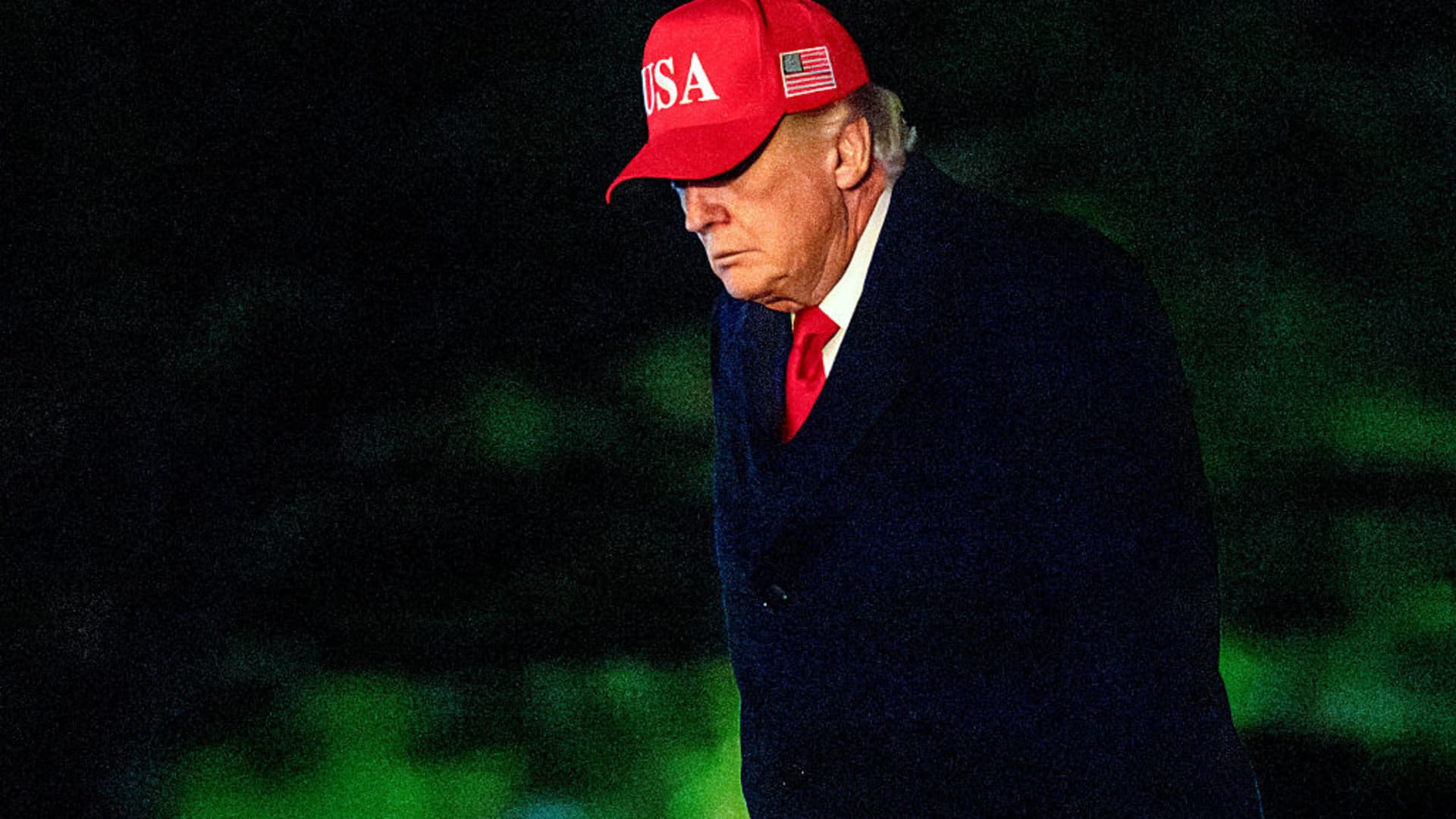
Trump's Announcement Pausing Attacks on Iran Triggers Trading Investigation

- Investigation Launched: The Commodity Futures Trading Commission (CFTC) is examining unusual oil futures trades that occurred minutes before Trump's announcement to pause attacks on Iran, indicating market sensitivity to sudden news that could impact investor confidence.
- Volume Surge: Trading volumes spiked sharply in the two weeks leading up to key announcements, particularly after Trump revealed negotiations with Iran, with S&P 500 futures jumping over 2.5% and WTI crude futures tumbling nearly 6%, reflecting the market's volatile reaction.
- Market Integrity Focus: CME Group stated that any investigation should encompass all trading platforms, emphasizing the importance of market integrity, suggesting that regulatory scrutiny on trading activities may influence future trading strategies.
- Political Influence Factors: Senators Warren and Whitehouse have called for the CFTC to investigate these unusual trades, raising questions about potential misuse of nonpublic government information, which could lead to decreased market trust and impact policy transparency.

CME Group Expands Equity Index Dividend Suite
- Product Expansion Plan: CME Group is set to expand its Equity Index Dividend suite on May 11 by adding mid-curve options on S&P 500 Annual Dividend Index futures, along with Nasdaq-100 and Russell 2000 Quarterly Dividend Index futures, aiming to meet the increasing market demand.
- Volume Growth: Joe Hickey, CME Group's Global Head of Equity Products, noted that trading in their dividend products has surged over 50% year-over-year, indicating a significant rise in demand for these financial instruments and reflecting investors' growing focus on dividend yields.
- Market Activity Surge: With global markets heating up, CME Group's Q1 average daily volume hit a new high of 11.4 million, showcasing increased investor activity and strong interest in equity index dividend products.
- Strategic Implications: This expansion not only enhances CME's competitiveness in the equity derivatives market but also has the potential to attract more investors, thereby driving revenue growth and increasing market share.
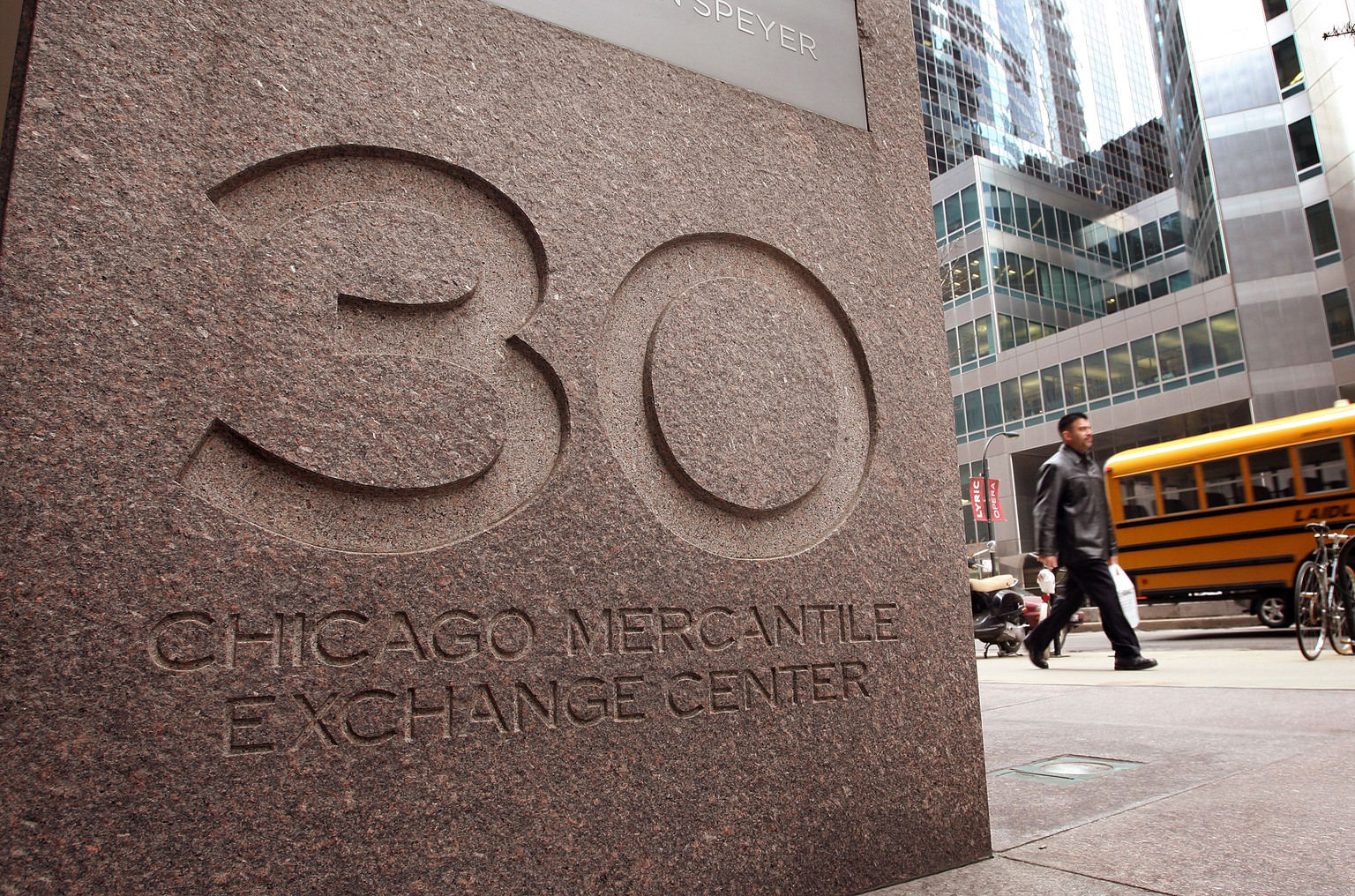
CME Group to Launch Eris SOFR Options for Enhanced Interest Rate Risk Management
- New Options Launch: CME Group plans to introduce Eris SOFR swap options on June 16, 2026, aimed at providing investors with a more precise tool for managing U.S. dollar interest rate risk, thereby enriching its interest rate product suite.
- Pending Regulatory Review: The launch of this new product is subject to regulatory review, which may impact its market introduction timeline and acceptance, as CME Group aims to enhance market liquidity and transparency through this initiative.
- Risk Management Strategies: Eris SOFR swap options will support more sophisticated hedging strategies, particularly in managing non-linear risks in mortgage-backed portfolios, which is expected to attract more institutional investors.
- Enhanced Market Competitiveness: By introducing options that complement existing interest rate products, CME Group will further solidify its leadership position in the global interest rate market, offering greater capital efficiency and trading simplicity.
Wall Street Optimism Rises Amid Ceasefire Hopes
- Market Rebound: The S&P 500 and Nasdaq Composite reached all-time highs this week, with the S&P 500 surpassing 7,100 for the first time, reflecting strong investor confidence in economic recovery and suggesting further upward momentum for equities.
- Earnings Expectations: According to FactSet, the S&P 500 is projected to have a blended growth rate of 12.5% in Q1, with 78% of reporting companies exceeding expectations, providing a positive backdrop for the upcoming earnings season that could further bolster market confidence.
- Oil Price Volatility: While oil prices have fallen to around $80 per barrel, significantly below the $110 peak during the conflict, the market must remain vigilant regarding the potential impacts of U.S.-Iran tensions on global supply chains, particularly concerning the safety of transit through the Strait of Hormuz.
- Technical Fragility: Despite the market's strong short-term performance, analyst Craig Johnson warns that the rapid transition from oversold to overbought conditions masks underlying macroeconomic risks, urging investors to remain cautious and focus on high-quality investment opportunities.
Congressman Investigates Insider Trading Allegations
- Insider Trading Investigation: Congressman Sam Liccardo is probing suspicious trades made just before President Trump's update on the Iran war, suggesting potential insider information violations of the Securities Act of 1934 and the STOCK Act of 2012.
- Suspicious Timing: Liccardo highlighted that significant trades on crude oil occurred just hours before a U.S.-Iran ceasefire announcement, indicating that some traders may have had advance knowledge of the President's actions, leading to rapid market fluctuations post-announcement.
- Regulatory Agency Involvement: The Commodity Futures Trading Commission (CFTC) is reportedly leading the investigation into these trades, with Liccardo urging the Securities and Exchange Commission (SEC) to also take action to ensure strict oversight of insider trading.
- Prediction Market Risks: Liccardo raised concerns about prediction markets linked to equity trading, suggesting that large wartime bets indicate a pattern of insider corruption, emphasizing that government officials should not exploit their positions for personal financial gain.
Beef Prices Hit All-Time Highs Amid Supply Constraints
- Futures Price Surge: On Tuesday, live cattle futures at the CME Group settled at $2.51 per pound, marking the highest price on record since the 1960s, driven by rising ranching costs and herd reductions, with prices increasing over 25% in the past year.
- Slaughter Volume Decline: Barclays estimates that cattle slaughter is expected to fall to 2.2 million head in March, down from 2.5 million a year earlier, resulting in a 300,000-pound drop in beef production to 1.9 million pounds, exacerbating supply constraints in the market.
- Retail Price Increase: The Bureau of Labor Statistics reported that the average retail price of ground beef for hamburgers reached approximately $6.70 per pound in March, reflecting a 12% increase from the same month last year, leading to higher costs for consumers planning summer barbecues.
- Financial Strain on Farmers: A survey by the American Farm Bureau Federation revealed that nearly 60% of U.S. farmers reported worsening financial conditions, with many unable to afford the necessary fertilizer for their fields, highlighting the broader impact of rising agricultural production costs on farmers.
Trump's Announcement Pausing Attacks on Iran Triggers Trading Investigation
- Investigation Launched: The Commodity Futures Trading Commission (CFTC) is examining unusual oil futures trades that occurred minutes before Trump's announcement to pause attacks on Iran, indicating market sensitivity to sudden news that could impact investor confidence.
- Volume Surge: Trading volumes spiked sharply in the two weeks leading up to key announcements, particularly after Trump revealed negotiations with Iran, with S&P 500 futures jumping over 2.5% and WTI crude futures tumbling nearly 6%, reflecting the market's volatile reaction.
- Market Integrity Focus: CME Group stated that any investigation should encompass all trading platforms, emphasizing the importance of market integrity, suggesting that regulatory scrutiny on trading activities may influence future trading strategies.
- Political Influence Factors: Senators Warren and Whitehouse have called for the CFTC to investigate these unusual trades, raising questions about potential misuse of nonpublic government information, which could lead to decreased market trust and impact policy transparency.
CME Group Expands Equity Index Dividend Suite
- Product Expansion Plan: CME Group is set to expand its Equity Index Dividend suite on May 11 by adding mid-curve options on S&P 500 Annual Dividend Index futures, along with Nasdaq-100 and Russell 2000 Quarterly Dividend Index futures, aiming to meet the increasing market demand.
- Volume Growth: Joe Hickey, CME Group's Global Head of Equity Products, noted that trading in their dividend products has surged over 50% year-over-year, indicating a significant rise in demand for these financial instruments and reflecting investors' growing focus on dividend yields.
- Market Activity Surge: With global markets heating up, CME Group's Q1 average daily volume hit a new high of 11.4 million, showcasing increased investor activity and strong interest in equity index dividend products.
- Strategic Implications: This expansion not only enhances CME's competitiveness in the equity derivatives market but also has the potential to attract more investors, thereby driving revenue growth and increasing market share.
CME Group to Launch Eris SOFR Options for Enhanced Interest Rate Risk Management
- New Options Launch: CME Group plans to introduce Eris SOFR swap options on June 16, 2026, aimed at providing investors with a more precise tool for managing U.S. dollar interest rate risk, thereby enriching its interest rate product suite.
- Pending Regulatory Review: The launch of this new product is subject to regulatory review, which may impact its market introduction timeline and acceptance, as CME Group aims to enhance market liquidity and transparency through this initiative.
- Risk Management Strategies: Eris SOFR swap options will support more sophisticated hedging strategies, particularly in managing non-linear risks in mortgage-backed portfolios, which is expected to attract more institutional investors.
- Enhanced Market Competitiveness: By introducing options that complement existing interest rate products, CME Group will further solidify its leadership position in the global interest rate market, offering greater capital efficiency and trading simplicity.