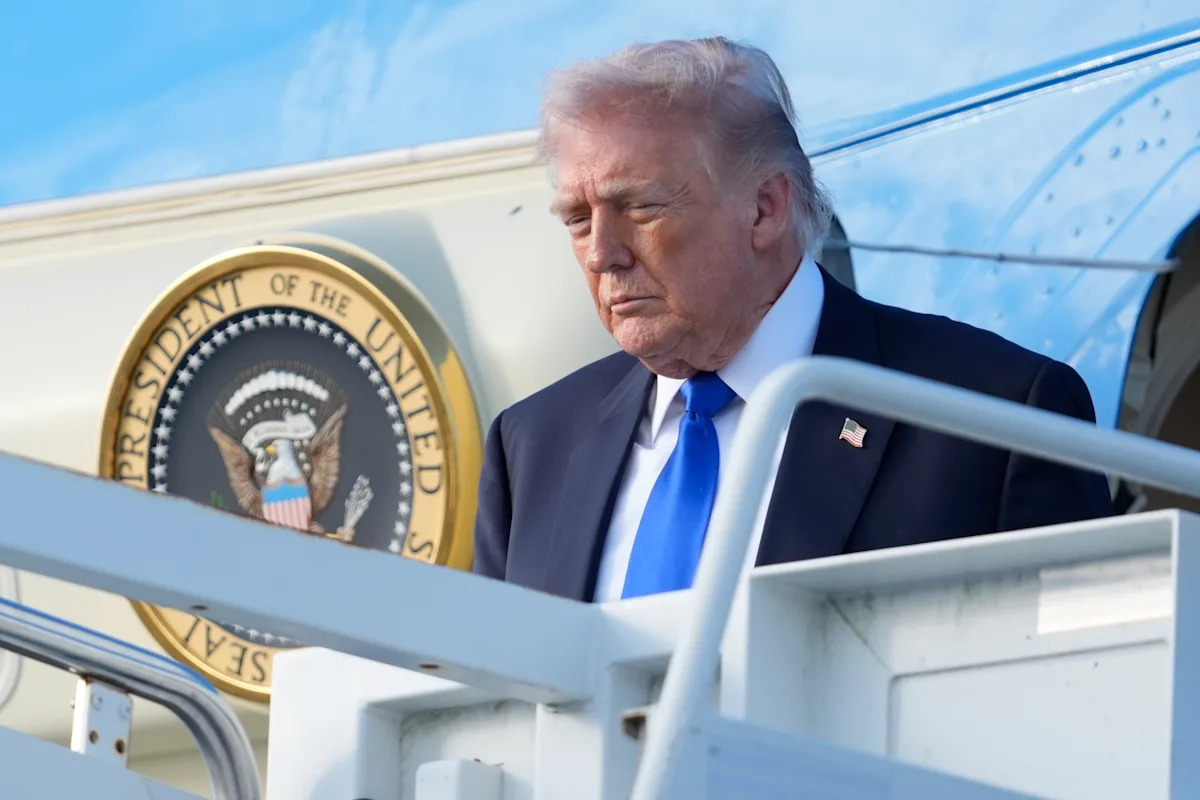
China Blocks Meta's $2.5B Manus Deal Over National Security
Written by Emily J. Thompson, Senior Investment Analyst
Updated: 1 hour ago
0mins
Should l Buy META?
Source: stocktwits
- Acquisition Blocked: China's National Development and Reform Commission has blocked Meta's $2.5 billion acquisition of South Asian AI startup Manus on national security grounds, with a Meta spokesperson asserting that the deal fully complies with applicable laws and that the company will seek a resolution.
- Stock Price Reaction: Following the news of the acquisition being blocked, Meta's shares fell nearly 0.5% in early premarket trading on Tuesday, reflecting investor caution ahead of the company's quarterly report, with Stocktwits sentiment remaining 'bearish'.
- Impact of Unwinding: If Meta proceeds to unwind the acquisition, it would slow the company's push in the rapidly evolving agentic AI space, complicating matters as around 100 Manus employees had already moved to Meta's Singapore offices by March, with founders taking on executive roles.
- Data Restoration Requirements: The Chinese government has given Meta a preliminary deadline of several weeks to fully restore Manus's Chinese assets, including stripping any previously transferred data or technology, and may impose penalties on both Meta and Manus if the deal cannot be fully rescinded.
Trade with 70% Backtested Accuracy
Stop guessing "Should I Buy META?" and start using high-conviction signals backed by rigorous historical data.
Sign up today to access powerful investing tools and make smarter, data-driven decisions.
Analyst Views on META
Wall Street analysts forecast META stock price to rise
44 Analyst Rating
37 Buy
6 Hold
1 Sell
Strong Buy
Current: 675.030

Low
655.15
Averages
824.71
High
1117
Current: 675.030
Low
655.15
Averages
824.71
High
1117
About META
Meta Platforms, Inc. is building human connections, powered by artificial intelligence and immersive technologies. The Company's products enable people to connect and share with friends and family through mobile devices, personal computers, virtual reality (VR) and mixed reality (MR) headsets, augmented reality (AR), and wearables. It also helps people discover and learn about what is going on in the world around them, enabling people to share their experiences, ideas, photos, videos, and other content with audiences ranging from their closest family members and friends to the public at large. The Company's segments include Family of Apps (FoA) and Reality Labs (RL). FoA segment includes Facebook, Instagram, Messenger, WhatsApp and Threads. RL segment includes its virtual, augmented, and mixed reality related consumer hardware, software and content. Its product offerings in VR include its Meta Quest devices, as well as software and content available through the Meta Horizon Store.
About the author

Emily J. Thompson
Emily J. Thompson, a Chartered Financial Analyst (CFA) with 12 years in investment research, graduated with honors from the Wharton School. Specializing in industrial and technology stocks, she provides in-depth analysis for Intellectia’s earnings and market brief reports.

META MAY NEED TO REVERSE ITS MANUS ACQUISITION DUE TO CHINA BAN - WSJ

Meta's Strategic Shift: Meta is preparing to undo its acquisition of a company following a ban imposed by China.
Impact of Regulatory Actions: The situation highlights the challenges tech companies face in navigating international regulations and market access.
See More

China Orders Meta to Unwind $2 Billion Acquisition of Manus
- Acquisition Order: China has mandated that Meta unwind its $2 billion acquisition of the AI app Manus, highlighting the intensifying competition between Washington and Beijing in the tech sector, which may hinder Meta's expansion plans in China.
- Policy Context: This action reflects the escalating tensions between the U.S. and China over technological dominance, particularly in critical areas like AI, potentially subjecting Meta to stricter regulatory scrutiny that could impact its global strategic positioning.
- Market Reaction: Meta's stock price may face downward pressure as investors express concerns over its prospects in the Chinese market, especially amid the current backdrop of strained international relations, which could also affect the company's performance in other markets.
- Strategic Reevaluation: Meta will need to reassess its investment strategy in China to navigate the evolving policy landscape, ensuring its competitiveness and sustainable growth in the global market.
See More

Tech Stocks 'Magnificent Seven' Adjusted: TSMC and Broadcom Replace Apple and Tesla


- Apple Excluded: Apple has been removed from the 'Magnificent Seven' due to its poor performance in artificial intelligence (AI), despite a market cap of $4 trillion, as it lags in AI technology application, raising concerns about its growth potential.
- TSMC Added: Taiwan Semiconductor, the primary manufacturer of Apple's custom chips, is expected to achieve a compound annual growth rate of 25% from 2024 to 2029, making it a more suitable member of the 'Magnificent Seven' as the market increasingly values AI technology.
- Tesla Replaced: Tesla has been excluded due to declining electric vehicle demand and low profitability; its 15% profit margin pales in comparison to other 'Magnificent Seven' stocks, with a market cap of only $1.4 trillion.
- Broadcom Included: Broadcom, a design partner for custom AI chips, is projected to see 63% growth in fiscal year 2026, boasting a market cap of approximately $2 trillion, significantly surpassing Tesla, indicating its strong potential and competitiveness in the AI market.
See More
China Blocks Meta's $2 Billion Acquisition of AI Startup Manus


- Acquisition Blocked: China's government has blocked Meta's $2 billion acquisition of AI startup Manus, indicating strict regulatory oversight on foreign investments, which may undermine entrepreneurs' confidence in investing in China and subsequently affect future technological innovation and capital inflow.
- Security Review Measures: This incident marks the first use of foreign investment security review measures introduced in 2020, reflecting the significant impact of national security on foreign transactions, potentially subjecting more tech companies to higher compliance risks in international dealings.
- Talent Mobility Risks: Analysts suggest that the Manus case could complicate the flow of AI talent between China and the U.S., prompting entrepreneurs to reassess their strategies for operating in China to avoid potential regulatory risks and market uncertainties.
- Market Implications: Meta derived approximately 11% of its revenue from China in 2024, but the blockage of this acquisition may impact its long-term strategy in the Chinese market, especially amid escalating U.S.-China trade tensions, necessitating a reevaluation of its business positioning in China.
See More
China Blocks Meta's $2.5B Manus Deal Over National Security
- Acquisition Blocked: China's National Development and Reform Commission has blocked Meta's $2.5 billion acquisition of South Asian AI startup Manus on national security grounds, with a Meta spokesperson asserting that the deal fully complies with applicable laws and that the company will seek a resolution.
- Stock Price Reaction: Following the news of the acquisition being blocked, Meta's shares fell nearly 0.5% in early premarket trading on Tuesday, reflecting investor caution ahead of the company's quarterly report, with Stocktwits sentiment remaining 'bearish'.
- Impact of Unwinding: If Meta proceeds to unwind the acquisition, it would slow the company's push in the rapidly evolving agentic AI space, complicating matters as around 100 Manus employees had already moved to Meta's Singapore offices by March, with founders taking on executive roles.
- Data Restoration Requirements: The Chinese government has given Meta a preliminary deadline of several weeks to fully restore Manus's Chinese assets, including stripping any previously transferred data or technology, and may impose penalties on both Meta and Manus if the deal cannot be fully rescinded.
See More
Big Tech Faces Growing Cash Flow Squeeze Risks


- Cash Flow Decline: A sharp decline in free cash flow (FCF) is expected for Amazon and Meta, indicating less cash available for dividends, debt repayment, and growth spending, which could unsettle investors and impact stock performance.
- Capital Expenditure Plans: The five largest U.S. tech firms plan to invest over $630 billion in 2023 for data centers, AI, and capacity expansion, with Amazon committing $200 billion and Microsoft doubling its outlay to $185 billion, further constraining free cash flow.
- Market Reaction and Investor Sentiment: Despite a rebound in tech stocks in April, concerns about an AI bubble persist, particularly regarding high valuations and heavy spending that may not yield proportional returns, leading to cautious investor sentiment towards Big Tech's future performance.
- Layoffs and Efficiency Gains: To rein in spending, Meta, Amazon, and other firms have announced significant workforce reductions, partly attributed to efficiency gains driven by AI, reflecting strategic adjustments in the tech sector to address cash flow pressures.
See More
META MAY NEED TO REVERSE ITS MANUS ACQUISITION DUE TO CHINA BAN - WSJ
Meta's Strategic Shift: Meta is preparing to undo its acquisition of a company following a ban imposed by China.
Impact of Regulatory Actions: The situation highlights the challenges tech companies face in navigating international regulations and market access.
See More
China Orders Meta to Unwind $2 Billion Acquisition of Manus
- Acquisition Order: China has mandated that Meta unwind its $2 billion acquisition of the AI app Manus, highlighting the intensifying competition between Washington and Beijing in the tech sector, which may hinder Meta's expansion plans in China.
- Policy Context: This action reflects the escalating tensions between the U.S. and China over technological dominance, particularly in critical areas like AI, potentially subjecting Meta to stricter regulatory scrutiny that could impact its global strategic positioning.
- Market Reaction: Meta's stock price may face downward pressure as investors express concerns over its prospects in the Chinese market, especially amid the current backdrop of strained international relations, which could also affect the company's performance in other markets.
- Strategic Reevaluation: Meta will need to reassess its investment strategy in China to navigate the evolving policy landscape, ensuring its competitiveness and sustainable growth in the global market.
See More
Tech Stocks 'Magnificent Seven' Adjusted: TSMC and Broadcom Replace Apple and Tesla
- Apple Excluded: Apple has been removed from the 'Magnificent Seven' due to its poor performance in artificial intelligence (AI), despite a market cap of $4 trillion, as it lags in AI technology application, raising concerns about its growth potential.
- TSMC Added: Taiwan Semiconductor, the primary manufacturer of Apple's custom chips, is expected to achieve a compound annual growth rate of 25% from 2024 to 2029, making it a more suitable member of the 'Magnificent Seven' as the market increasingly values AI technology.
- Tesla Replaced: Tesla has been excluded due to declining electric vehicle demand and low profitability; its 15% profit margin pales in comparison to other 'Magnificent Seven' stocks, with a market cap of only $1.4 trillion.
- Broadcom Included: Broadcom, a design partner for custom AI chips, is projected to see 63% growth in fiscal year 2026, boasting a market cap of approximately $2 trillion, significantly surpassing Tesla, indicating its strong potential and competitiveness in the AI market.
See More
China Blocks Meta's $2 Billion Acquisition of AI Startup Manus
- Acquisition Blocked: China's government has blocked Meta's $2 billion acquisition of AI startup Manus, indicating strict regulatory oversight on foreign investments, which may undermine entrepreneurs' confidence in investing in China and subsequently affect future technological innovation and capital inflow.
- Security Review Measures: This incident marks the first use of foreign investment security review measures introduced in 2020, reflecting the significant impact of national security on foreign transactions, potentially subjecting more tech companies to higher compliance risks in international dealings.
- Talent Mobility Risks: Analysts suggest that the Manus case could complicate the flow of AI talent between China and the U.S., prompting entrepreneurs to reassess their strategies for operating in China to avoid potential regulatory risks and market uncertainties.
- Market Implications: Meta derived approximately 11% of its revenue from China in 2024, but the blockage of this acquisition may impact its long-term strategy in the Chinese market, especially amid escalating U.S.-China trade tensions, necessitating a reevaluation of its business positioning in China.
See More
China Blocks Meta's $2.5B Manus Deal Over National Security
- Acquisition Blocked: China's National Development and Reform Commission has blocked Meta's $2.5 billion acquisition of South Asian AI startup Manus on national security grounds, with a Meta spokesperson asserting that the deal fully complies with applicable laws and that the company will seek a resolution.
- Stock Price Reaction: Following the news of the acquisition being blocked, Meta's shares fell nearly 0.5% in early premarket trading on Tuesday, reflecting investor caution ahead of the company's quarterly report, with Stocktwits sentiment remaining 'bearish'.
- Impact of Unwinding: If Meta proceeds to unwind the acquisition, it would slow the company's push in the rapidly evolving agentic AI space, complicating matters as around 100 Manus employees had already moved to Meta's Singapore offices by March, with founders taking on executive roles.
- Data Restoration Requirements: The Chinese government has given Meta a preliminary deadline of several weeks to fully restore Manus's Chinese assets, including stripping any previously transferred data or technology, and may impose penalties on both Meta and Manus if the deal cannot be fully rescinded.
See More
Big Tech Faces Growing Cash Flow Squeeze Risks
- Cash Flow Decline: A sharp decline in free cash flow (FCF) is expected for Amazon and Meta, indicating less cash available for dividends, debt repayment, and growth spending, which could unsettle investors and impact stock performance.
- Capital Expenditure Plans: The five largest U.S. tech firms plan to invest over $630 billion in 2023 for data centers, AI, and capacity expansion, with Amazon committing $200 billion and Microsoft doubling its outlay to $185 billion, further constraining free cash flow.
- Market Reaction and Investor Sentiment: Despite a rebound in tech stocks in April, concerns about an AI bubble persist, particularly regarding high valuations and heavy spending that may not yield proportional returns, leading to cautious investor sentiment towards Big Tech's future performance.
- Layoffs and Efficiency Gains: To rein in spending, Meta, Amazon, and other firms have announced significant workforce reductions, partly attributed to efficiency gains driven by AI, reflecting strategic adjustments in the tech sector to address cash flow pressures.
See More