CHEVRON: TENGIZ CRUDE OIL EXPORTS REMAIN UNINTERRUPTED
Written by Emily J. Thompson, Senior Investment Analyst
Updated: 2 days ago
0mins
Should l Buy CVX?
Source: moomoo
- Chevron's Export Activity: Chevron continues to export ten million barrels of crude oil without interruption.
- Market Impact: The ongoing export of crude oil by Chevron may influence global oil prices and supply dynamics.
Trade with 70% Backtested Accuracy
Stop guessing "Should I Buy CVX?" and start using high-conviction signals backed by rigorous historical data.
Sign up today to access powerful investing tools and make smarter, data-driven decisions.
Analyst Views on CVX
Wall Street analysts forecast CVX stock price to fall
19 Analyst Rating
15 Buy
4 Hold
0 Sell
Strong Buy
Current: 201.540

Low
158.00
Averages
176.95
High
206.00
Current: 201.540
Low
158.00
Averages
176.95
High
206.00
About CVX
Chevron Corporation is an integrated energy company. The Company produces crude oil and natural gas; manufactures transportation fuels, lubricants, petrochemicals and additives; and develops technologies that enhance its business and industry. The Company’s segments include Upstream and Downstream. Upstream operations consist primarily of exploring for, developing, producing and transporting crude oil and natural gas; liquefaction, transportation and regasification associated with LNG; transporting crude oil by major international oil export pipelines; processing, transporting, storage and marketing of natural gas; carbon capture and storage; and a gas-to-liquids plant. Downstream operations consist primarily of the refining of crude oil into petroleum products; marketing crude oil, refined products, and lubricants; manufacturing and marketing of renewable fuels, and transporting of crude oil and refined products by pipeline, marine vessel, motor equipment and rail car.
About the author

Emily J. Thompson
Emily J. Thompson, a Chartered Financial Analyst (CFA) with 12 years in investment research, graduated with honors from the Wharton School. Specializing in industrial and technology stocks, she provides in-depth analysis for Intellectia’s earnings and market brief reports.
Chevron Confirms Oil Discovery at Bandit Prospect in Gulf of America

- Oil Discovery: Chevron, in partnership with Occidental, confirms an oil discovery at the Bandit prospect in the Gulf of America, located approximately 125 miles south of the Louisiana coast, indicating the area's rich potential resources.
- Collaborative Development: The Bandit field is operated by Occidental, with Chevron holding a 37.125% working interest, and it is expected that subsea tie-backs to adjacent facilities will enhance development efficiency, thereby accelerating the commercialization of resources.
- Strategic Importance: This discovery showcases Chevron's expertise in deepwater oil and gas exploration, further solidifying its leading position in the Gulf of America and providing data support for future investment decisions.
- Investment Outlook: Chevron's exploration strategy emphasizes high-impact project investments supported by infrastructure, and the Bandit discovery is set to enhance the company's competitiveness in the global energy market, especially against the backdrop of evolving energy demands.
See More
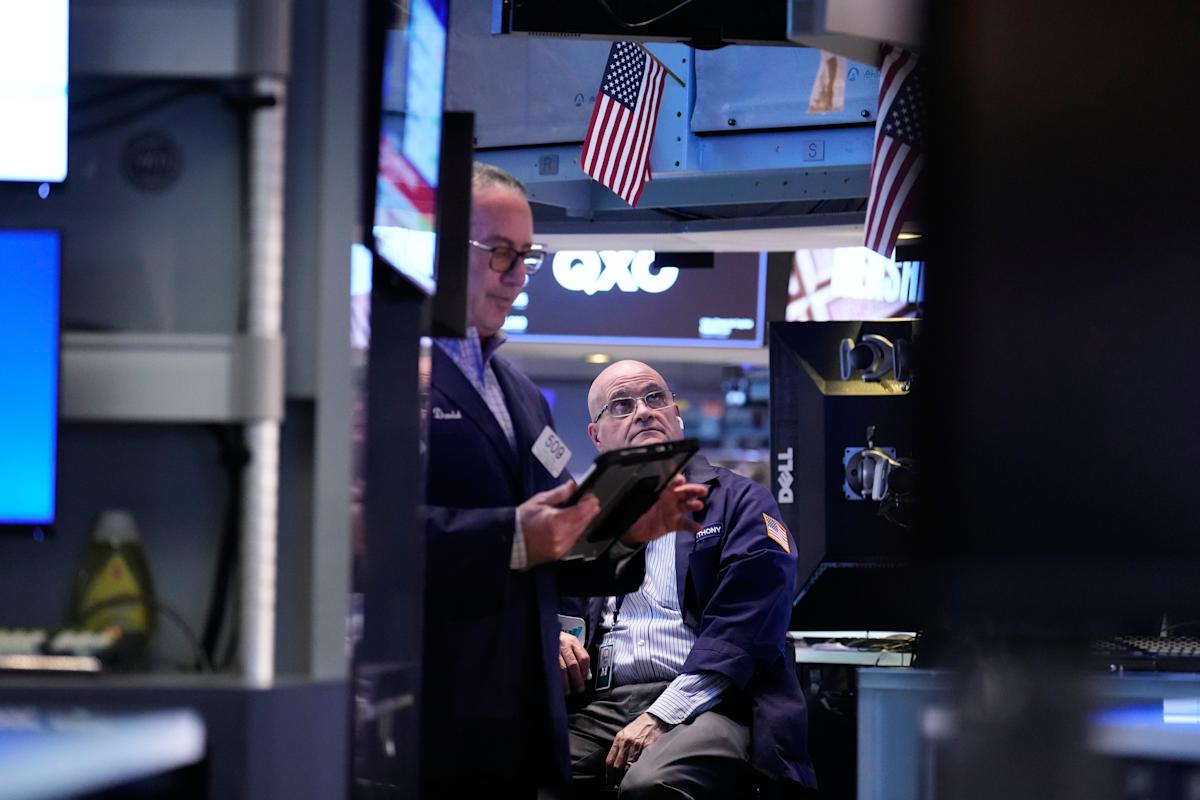
Major Moves in Premarket Trading by Various Companies


- Datadog Stock Rise: Datadog shares increased by 2.3% after Guggenheim upgraded its rating from neutral to buy, with analysts believing the company will benefit from AI-driven growth in data volumes and IT complexity.
- CoreWeave Infrastructure Expansion: CoreWeave's stock surged over 5% following the announcement of a $21 billion infrastructure deal with Meta Platforms, which aims to optimize performance and scalability for Meta's AI operations.
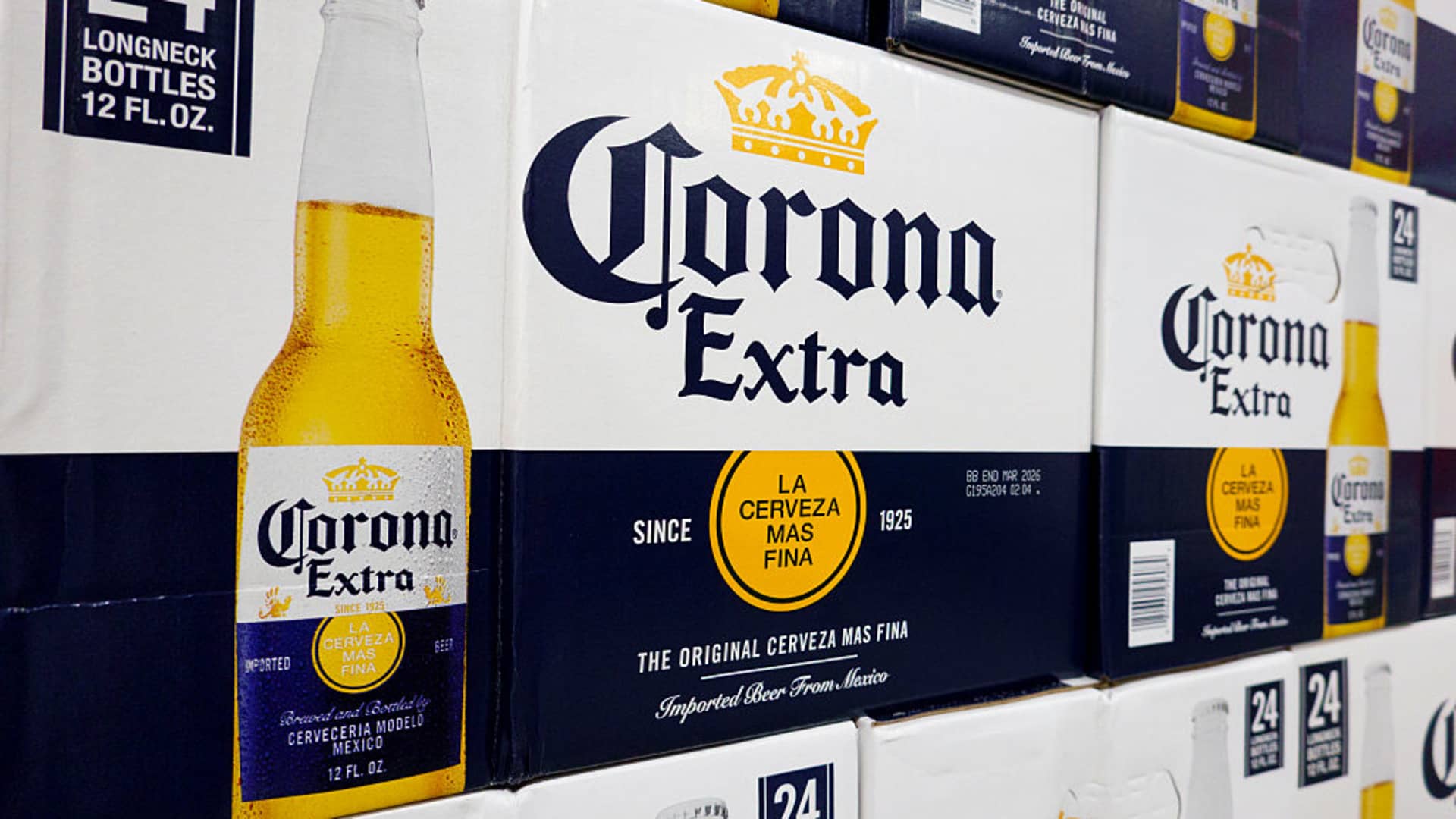
- Constellation Brands Guidance Withdrawal: Constellation Brands saw its shares dip less than 1% after withdrawing its 2028 guidance due to subdued demand, despite reporting fourth-quarter results that exceeded market expectations.
- Airlines Stock Fluctuation: Rising oil prices led to a decline in airline stocks, with Alaska Air dropping approximately 2%, while United Airlines, American Airlines, and Delta Air Lines each fell by 1%.
See More
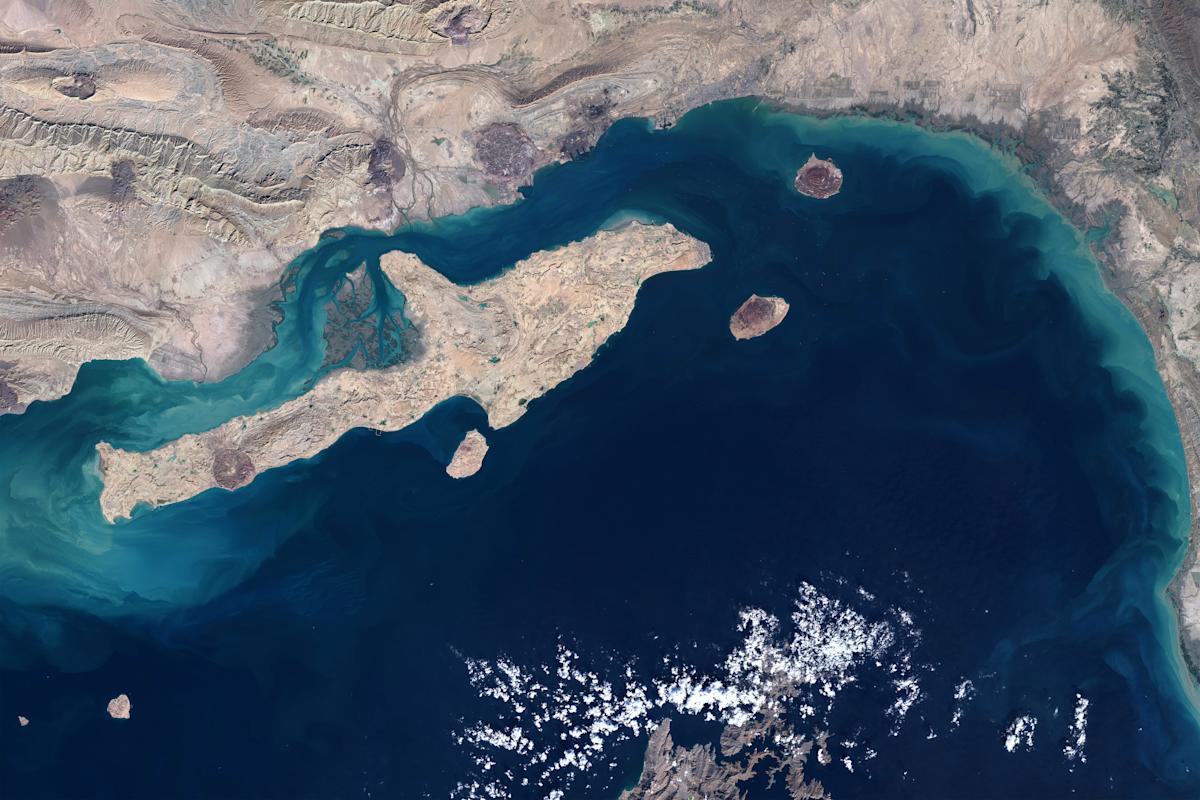
Fragile Truce Leaves Strait of Hormuz Traffic Uncertain
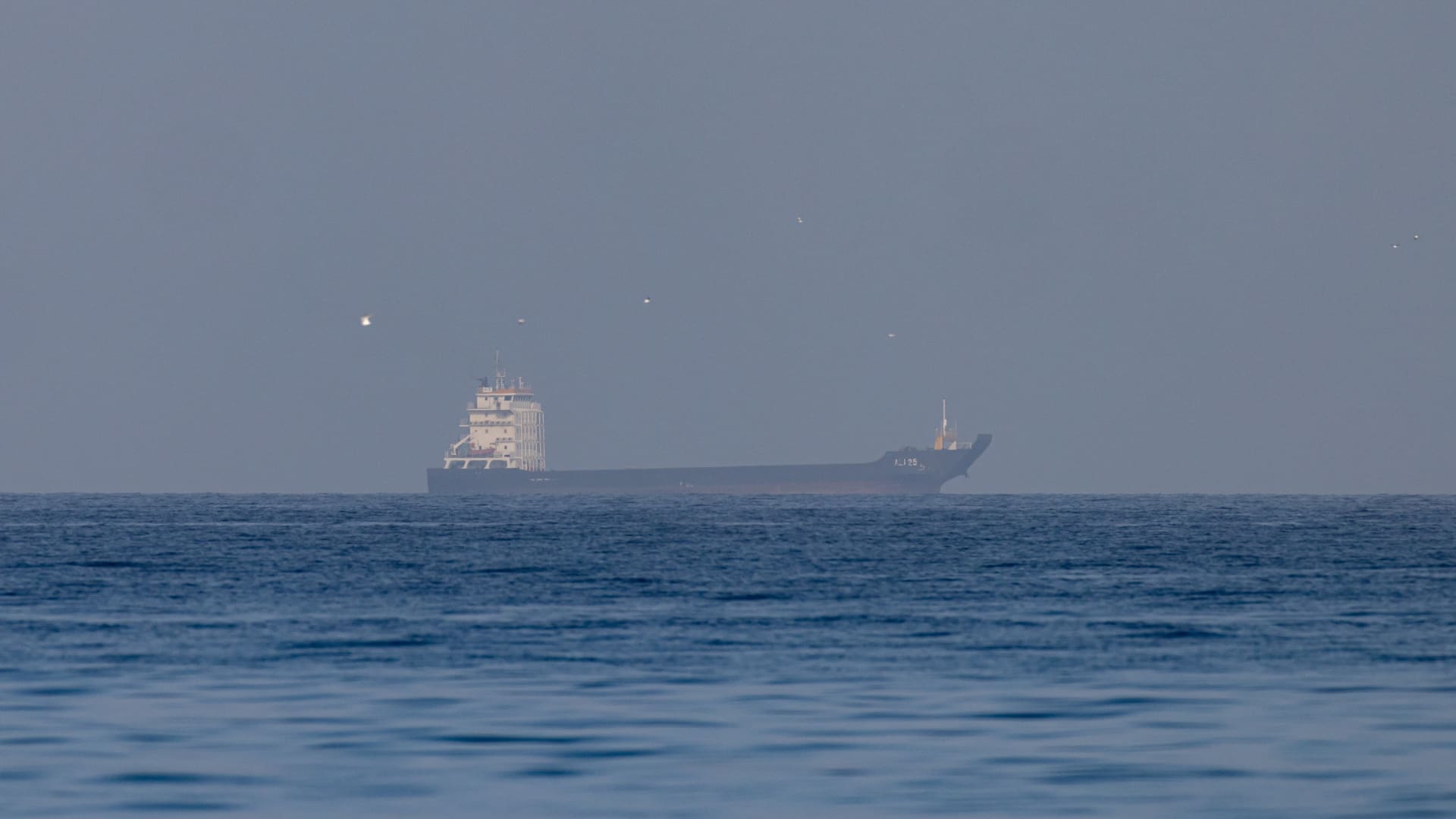
- Slow Recovery: Despite a fragile ceasefire between the U.S. and Iran, traffic through the Strait of Hormuz remains stagnant, with only four transits recorded on Wednesday, indicating a lack of market confidence that could prolong global energy supply issues.
- Vessels Anchored: Over 400 oil tankers and dozens of LNG carriers are still anchored outside the Gulf, awaiting passage signals, which suggests that transit capacity has not returned to pre-war levels, impacting the stability of the global energy market.
- Risk Assessment Impact: Hapag-Lloyd states that returning to normal shipping schedules will take weeks or even months, as hundreds of thousands of containers remain at ports, highlighting the industry's uncertainty about future transport arrangements and potential cost increases.
- Market Dynamics Shift: Analysts note that while oil prices have dropped from $110 to $97, they are expected to remain above pre-war levels due to supply disruptions, reflecting the market's reliance on the Strait of Hormuz and its associated risks.
See More
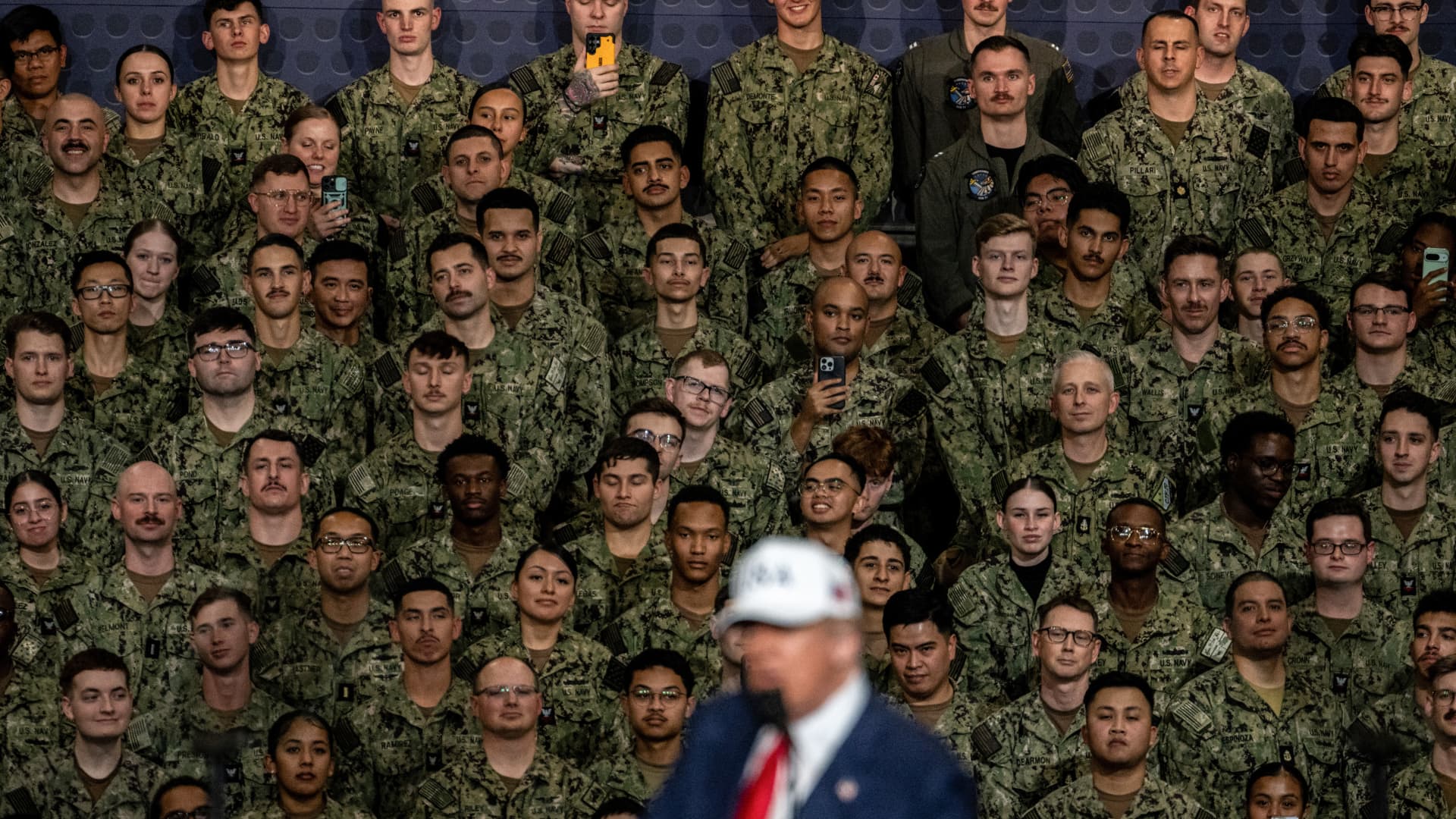
Trump Reaffirms Tough Stance on Iran Amid Fragile Ceasefire


- Military Deployment Continues: Trump stated that U.S. military forces will remain deployed in and around Iran until Tehran fully complies with what he calls the 'real agreement', indicating a sustained U.S. military presence in the Middle East that may escalate regional tensions.
- Escalating Threats to Iran: Trump warned that any breach of the agreement would trigger a military response larger than ever seen before, which could raise market concerns about potential disruptions in energy supplies, thereby affecting oil price volatility.
- Strained NATO Relations: Trump criticized NATO for not supporting the U.S. when needed, highlighting a deterioration in relations with traditional allies that could impact future international cooperation and security policies.
- Iran Accuses U.S. of Violating Agreement: Iran's parliamentary speaker accused the U.S. of violating the two-week ceasefire agreement, citing actions such as Israeli attacks on Lebanon, which could further deteriorate U.S.-Iran relations and affect global market stability.
See More

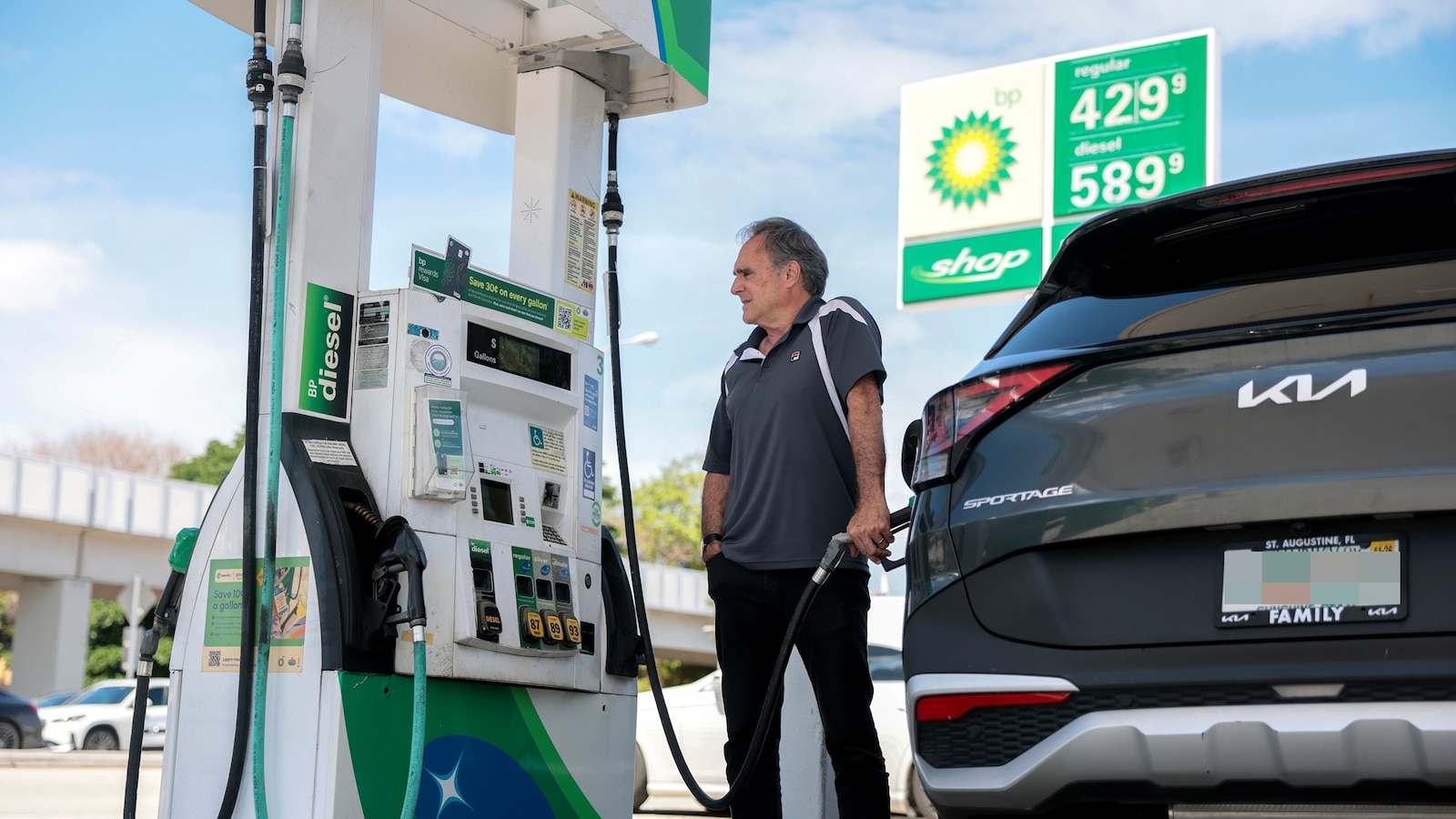
Middle East Conflict Drives Oil Prices Up

- Oil Price Impact: The geopolitical conflict in the Middle East has driven oil prices higher, creating significant revenue and earnings benefits for integrated energy giants like ExxonMobil and Chevron, with expectations of elevated prices lasting for several quarters despite volatility.
- Financial Strategy Adjustments: Both companies may leverage their substantial cash flows to pay down debt and repurchase shares, thereby strengthening their financial positions, particularly as Chevron has slightly increased its leverage following the acquisition of Hess.
- Market Adaptability: While both firms have some exposure to the Middle East, they are increasing investments in the onshore U.S. oil sector to mitigate potential impacts from the conflict, ensuring business stability and resilience.
- Long-Term Development Perspective: ExxonMobil and Chevron's strategic outlook spans decades, allowing them to build diversified business models that provide sufficient financial resilience throughout the energy cycle, making them top choices for investors in the energy sector.
See More

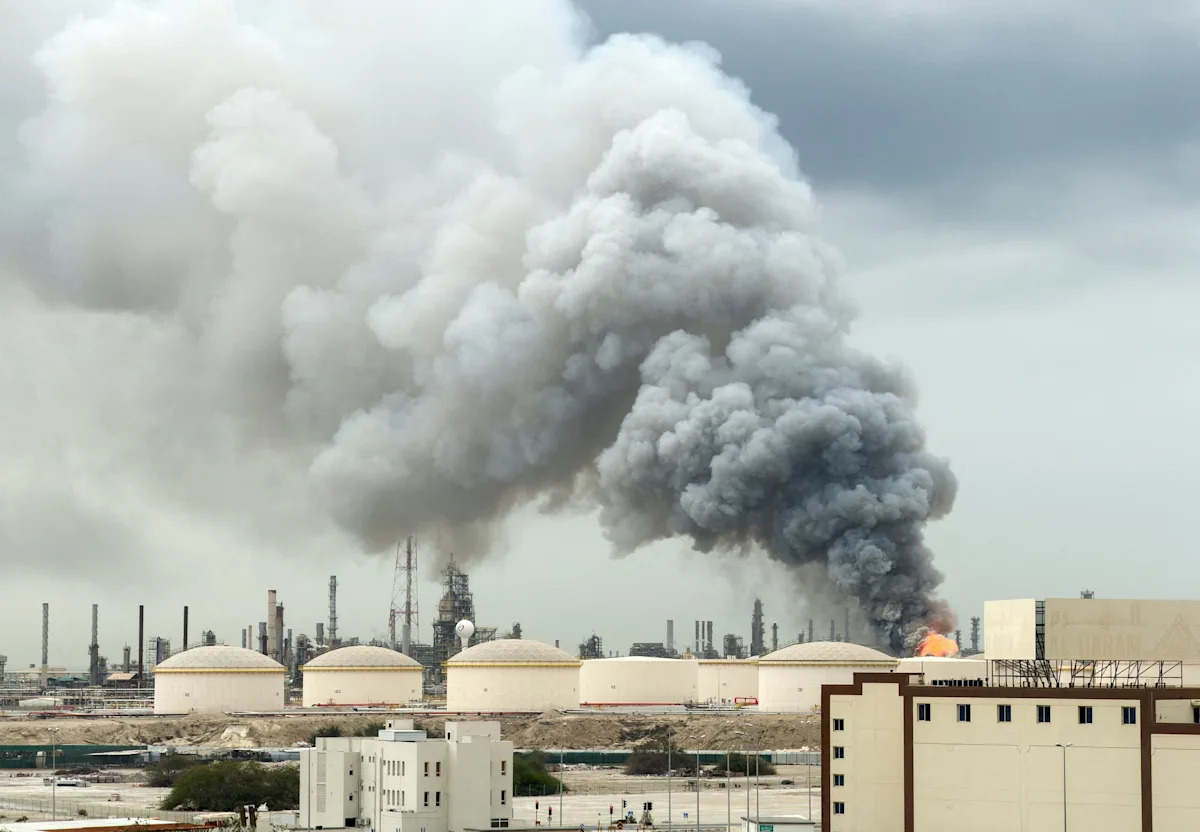
Middle East Conflict Drives Oil and Gas Price Volatility
- Market Volatility: The geopolitical conflict in the Middle East has driven oil prices higher, and despite significant fluctuations, integrated energy giants like ExxonMobil and Chevron are expected to benefit from elevated prices in the near term, likely for several quarters.
- Financial Resilience: With ExxonMobil's debt-to-equity ratio at 0.19 and Chevron's at 0.25, both companies are positioned to utilize cash for stock buybacks or debt repayment, thereby strengthening their financial positions in preparation for a future with lower oil prices.
- Infrastructure Damage: Damage to energy infrastructure due to the conflict will take time to repair, creating bottlenecks that won't be resolved overnight, which is likely to positively impact the earnings of both companies in the coming quarters.
- Long-Term Strategy: The majority of Exxon and Chevron's assets are not located in the Middle East, and both companies are increasing their investments in the onshore U.S. oil sector to shield themselves from any lingering impacts from the region, demonstrating their long-term thinking approach that spans decades.
See More
Chevron Confirms Oil Discovery at Bandit Prospect in Gulf of America
- Oil Discovery: Chevron, in partnership with Occidental, confirms an oil discovery at the Bandit prospect in the Gulf of America, located approximately 125 miles south of the Louisiana coast, indicating the area's rich potential resources.
- Collaborative Development: The Bandit field is operated by Occidental, with Chevron holding a 37.125% working interest, and it is expected that subsea tie-backs to adjacent facilities will enhance development efficiency, thereby accelerating the commercialization of resources.
- Strategic Importance: This discovery showcases Chevron's expertise in deepwater oil and gas exploration, further solidifying its leading position in the Gulf of America and providing data support for future investment decisions.
- Investment Outlook: Chevron's exploration strategy emphasizes high-impact project investments supported by infrastructure, and the Bandit discovery is set to enhance the company's competitiveness in the global energy market, especially against the backdrop of evolving energy demands.
See More
Major Moves in Premarket Trading by Various Companies
- Datadog Stock Rise: Datadog shares increased by 2.3% after Guggenheim upgraded its rating from neutral to buy, with analysts believing the company will benefit from AI-driven growth in data volumes and IT complexity.
- CoreWeave Infrastructure Expansion: CoreWeave's stock surged over 5% following the announcement of a $21 billion infrastructure deal with Meta Platforms, which aims to optimize performance and scalability for Meta's AI operations.
- Constellation Brands Guidance Withdrawal: Constellation Brands saw its shares dip less than 1% after withdrawing its 2028 guidance due to subdued demand, despite reporting fourth-quarter results that exceeded market expectations.
- Airlines Stock Fluctuation: Rising oil prices led to a decline in airline stocks, with Alaska Air dropping approximately 2%, while United Airlines, American Airlines, and Delta Air Lines each fell by 1%.
See More
Fragile Truce Leaves Strait of Hormuz Traffic Uncertain
- Slow Recovery: Despite a fragile ceasefire between the U.S. and Iran, traffic through the Strait of Hormuz remains stagnant, with only four transits recorded on Wednesday, indicating a lack of market confidence that could prolong global energy supply issues.
- Vessels Anchored: Over 400 oil tankers and dozens of LNG carriers are still anchored outside the Gulf, awaiting passage signals, which suggests that transit capacity has not returned to pre-war levels, impacting the stability of the global energy market.
- Risk Assessment Impact: Hapag-Lloyd states that returning to normal shipping schedules will take weeks or even months, as hundreds of thousands of containers remain at ports, highlighting the industry's uncertainty about future transport arrangements and potential cost increases.
- Market Dynamics Shift: Analysts note that while oil prices have dropped from $110 to $97, they are expected to remain above pre-war levels due to supply disruptions, reflecting the market's reliance on the Strait of Hormuz and its associated risks.
See More
Trump Reaffirms Tough Stance on Iran Amid Fragile Ceasefire
- Military Deployment Continues: Trump stated that U.S. military forces will remain deployed in and around Iran until Tehran fully complies with what he calls the 'real agreement', indicating a sustained U.S. military presence in the Middle East that may escalate regional tensions.
- Escalating Threats to Iran: Trump warned that any breach of the agreement would trigger a military response larger than ever seen before, which could raise market concerns about potential disruptions in energy supplies, thereby affecting oil price volatility.
- Strained NATO Relations: Trump criticized NATO for not supporting the U.S. when needed, highlighting a deterioration in relations with traditional allies that could impact future international cooperation and security policies.
- Iran Accuses U.S. of Violating Agreement: Iran's parliamentary speaker accused the U.S. of violating the two-week ceasefire agreement, citing actions such as Israeli attacks on Lebanon, which could further deteriorate U.S.-Iran relations and affect global market stability.
See More
Middle East Conflict Drives Oil Prices Up
- Oil Price Impact: The geopolitical conflict in the Middle East has driven oil prices higher, creating significant revenue and earnings benefits for integrated energy giants like ExxonMobil and Chevron, with expectations of elevated prices lasting for several quarters despite volatility.
- Financial Strategy Adjustments: Both companies may leverage their substantial cash flows to pay down debt and repurchase shares, thereby strengthening their financial positions, particularly as Chevron has slightly increased its leverage following the acquisition of Hess.
- Market Adaptability: While both firms have some exposure to the Middle East, they are increasing investments in the onshore U.S. oil sector to mitigate potential impacts from the conflict, ensuring business stability and resilience.
- Long-Term Development Perspective: ExxonMobil and Chevron's strategic outlook spans decades, allowing them to build diversified business models that provide sufficient financial resilience throughout the energy cycle, making them top choices for investors in the energy sector.
See More
Middle East Conflict Drives Oil and Gas Price Volatility
- Market Volatility: The geopolitical conflict in the Middle East has driven oil prices higher, and despite significant fluctuations, integrated energy giants like ExxonMobil and Chevron are expected to benefit from elevated prices in the near term, likely for several quarters.
- Financial Resilience: With ExxonMobil's debt-to-equity ratio at 0.19 and Chevron's at 0.25, both companies are positioned to utilize cash for stock buybacks or debt repayment, thereby strengthening their financial positions in preparation for a future with lower oil prices.
- Infrastructure Damage: Damage to energy infrastructure due to the conflict will take time to repair, creating bottlenecks that won't be resolved overnight, which is likely to positively impact the earnings of both companies in the coming quarters.
- Long-Term Strategy: The majority of Exxon and Chevron's assets are not located in the Middle East, and both companies are increasing their investments in the onshore U.S. oil sector to shield themselves from any lingering impacts from the region, demonstrating their long-term thinking approach that spans decades.
See More