Chevron Acquires Hess for $55 Billion, Projects 10% Annual Free Cash Flow Growth
Written by Emily J. Thompson, Senior Investment Analyst
Updated: Jan 26 2026
0mins


Source: Fool
- Chevron Acquisition: Chevron's $55 billion acquisition of Hess enhances its production capabilities in the Stabroek Block off Guyana, with management projecting a 10% annual growth in free cash flow over the next five years to support ongoing dividend increases.
- Enterprise Products Partners: As one of North America's largest midstream companies with over 50,000 miles of pipelines, Enterprise Products Partners offers a robust dividend yield of 6.54%, providing investors with reliable income amid rising U.S. oil and gas production.
- Enbridge Diversification: Enbridge's diversified operations in the energy sector, including a significant midstream business and renewable energy projects, yield a solid 5.59% dividend, with expectations for mid-single-digit growth as new projects come online.
- Industry Stability: Despite the inherent volatility in the oil and gas sector, these companies maintain dividend payments through diversified operations and stable cash flows, making them attractive to long-term investors seeking dependable income.
Trade with 70% Backtested Accuracy
Stop guessing "Should I Buy CVX?" and start using high-conviction signals backed by rigorous historical data.
Sign up today to access powerful investing tools and make smarter, data-driven decisions.
Analyst Views on CVX
Wall Street analysts forecast CVX stock price to fall
19 Analyst Rating
15 Buy
4 Hold
0 Sell
Strong Buy
Current: 188.360

Low
158.00
Averages
176.95
High
206.00
Current: 188.360
Low
158.00
Averages
176.95
High
206.00
About CVX
Chevron Corporation is an integrated energy company. The Company produces crude oil and natural gas; manufactures transportation fuels, lubricants, petrochemicals and additives; and develops technologies that enhance its business and industry. The Company’s segments include Upstream and Downstream. Upstream operations consist primarily of exploring for, developing, producing and transporting crude oil and natural gas; liquefaction, transportation and regasification associated with LNG; transporting crude oil by major international oil export pipelines; processing, transporting, storage and marketing of natural gas; carbon capture and storage; and a gas-to-liquids plant. Downstream operations consist primarily of the refining of crude oil into petroleum products; marketing crude oil, refined products, and lubricants; manufacturing and marketing of renewable fuels, and transporting of crude oil and refined products by pipeline, marine vessel, motor equipment and rail car.
About the author

Emily J. Thompson
Emily J. Thompson, a Chartered Financial Analyst (CFA) with 12 years in investment research, graduated with honors from the Wharton School. Specializing in industrial and technology stocks, she provides in-depth analysis for Intellectia’s earnings and market brief reports.
Eneos Bids for Chevron's Asian Assets Valued Over $2B

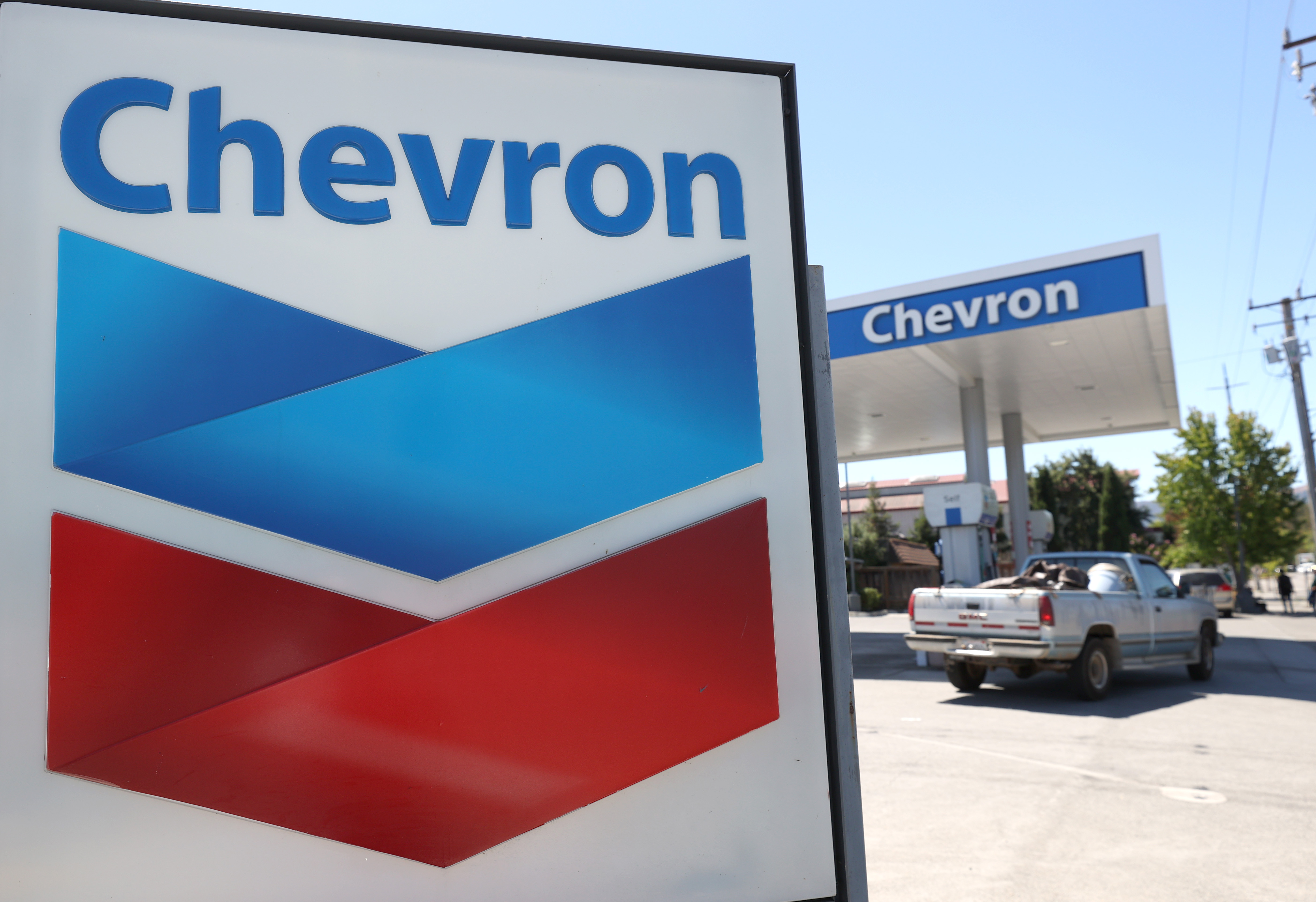
- Bidding Progress: Japan's Eneos Holdings emerges as the last bidder for Chevron's Asian assets, with a deal potentially exceeding $2 billion, aiming for an agreement this quarter, indicating Eneos's aggressive expansion in the global energy market.
- Asset Scope: The transaction includes stakes in refineries and gas stations across Singapore, Malaysia, the Philippines, and Australia, particularly with Eneos leading the bid for a 50% stake in Chevron's 290K bbl/day Singapore refinery against competitors like Glencore and Vitol, reflecting its market competitiveness.
- Operational Challenges: The Singapore refinery is currently operating at only 60% capacity due to significant crude supply reductions from the Middle East conflict, posing potential risks to Eneos's acquisition decision and future profitability while highlighting vulnerabilities in the global energy supply chain.
- Libya Collaboration: Libya's National Oil Corporation has signed a memorandum of understanding with Chevron to assess shale oil and gas reserves in the country's sedimentary basins, with preliminary estimates showing approximately 123 Tcf of natural gas and 18 billion barrels of oil, providing new growth opportunities for Chevron.
See More

Mixed Close for US Stocks as Oil Prices Surge

- Oil Price Surge Impacts Market: WTI crude oil prices surged over 6% on Wednesday to a three-week high due to the US maintaining its naval blockade of Iran, raising inflation expectations and negatively impacting the stock market.
- Fed Policy Influence: The Federal Reserve kept the federal funds rate unchanged at 3.50% to 3.75% during its latest meeting, despite dissent from four members against easing bias, reflecting concerns over economic uncertainty that may dampen investor confidence.
- Strong Tech Stock Performance: The Nasdaq 100 index rose 0.58%, driven by strong earnings from NXP Semiconductors and Seagate Technology, with shares up 25% and over 10% respectively, indicating robust demand for AI infrastructure.
- Housing Data Exceeds Expectations: US March housing starts unexpectedly rose 10.8% to 1.502 million, significantly surpassing the expected decline to 1.380 million, demonstrating resilience in the housing market that could provide support for stocks.
See More

Trump Meets Energy Executives Amid Oil Market Turmoil
- High-Level Meeting: Trump met with executives from Chevron and other energy companies to discuss U.S. oil production, oil futures, and natural gas, reflecting the administration's keen focus on energy markets amid high oil prices ahead of the midterm elections.
- Policy Support: The Trump administration extended a 90-day waiver for the Jones Act, allowing foreign-flagged vessels to transport oil products and fertilizers between U.S. ports, aimed at alleviating domestic supply chain pressures and lowering consumer prices.
- Defense Production Act: This month, the Trump administration invoked the Defense Production Act, authorizing the Pentagon and Department of Energy to take actions, including purchases to expand domestic energy production, in response to the potential economic threats posed by high oil prices.
- Industry Feedback Mechanism: Trump regularly meets with energy executives to gather feedback on domestic and global energy markets, with potential future steps including relaxing pollution regulations at refineries to further lower fuel prices and enhance market stability.
See More

Trump Meets Oil Executives to Discuss Energy Fallout from Iran War
- High-Level Meeting: President Trump met with oil and gas executives, including Chevron CEO Mike Wirth, at the White House on Tuesday to discuss the energy fallout from the Iran war, indicating the administration's strong focus on energy policy.
- Attending Officials: Key officials such as White House Chief of Staff Susie Wiles, Treasury Secretary Scott Bessent, and envoy Jared Kushner were present, highlighting the coordination among various government departments aimed at forming a unified energy strategy.
- Discussion Topics: The meeting covered domestic production, the situation in Venezuela, oil futures, natural gas, and shipping, reflecting the government's attention to global energy market dynamics and response strategies.
- Source of Information: Axios reported the details of the meeting, but Reuters has not yet verified the report, indicating that the reliability of the information still requires further confirmation.
See More
Eni Signs Agreement to Relaunch Heavy Crude Project in Venezuela
- Project Relaunch: Italy's Eni has signed an agreement with Venezuela's oil ministry and PDVSA to relaunch a heavy crude project in the Orinoco Belt, indicating a deepening collaboration in the oil and gas sector.
- Investment Plan Development: Eni's CEO Claudio Descalzi stated that the company's investment plan is being drafted and should be completed by year-end, which will inject new vitality into Venezuela's energy industry.
- Industry Collaboration Trend: PDVSA has recently signed similar agreements with major international oil companies like Chevron, Shell, and Repsol, demonstrating Venezuela's commitment and confidence in attracting foreign investment amid oil sector reforms.
- Significant Resource Potential: The Junin 5 project holds approximately 35 billion barrels of certified oil reserves, with Eni's production in Venezuela at 64,000 barrels of oil equivalent per day, highlighting the country's crucial role in the global energy market.
See More

Key Earnings Reports This Week Could Move Markets


- Robinhood Earnings Focus: Robinhood Markets is set to report earnings on April 28, and while a slowdown in cryptocurrency trading may weigh on results, the trading volume in prediction markets reached 3.4 billion contracts in January, indicating ongoing growth potential in fintech.
- AI Giants Earnings Day: On April 29, Alphabet, Meta, Amazon, and Microsoft will release their earnings, with plans to invest $700 billion in AI infrastructure; however, declining free cash flow due to increased capital expenditures will be closely monitored by investors.
- Apple Sales Growth: Apple is scheduled to report earnings on April 30, with iPhone sales jumping 23% year-over-year and revenue from China hitting $25.52 billion, a 37% increase, showcasing strong performance in a competitive market.
- Oil Giants Earnings Preview: ExxonMobil and Chevron will report earnings on May 1, with oil prices soaring to $100 per barrel due to the Iran war, potentially leading to massive profits, making management's outlook a key focus for investors.
See More
Eneos Bids for Chevron's Asian Assets Valued Over $2B
- Bidding Progress: Japan's Eneos Holdings emerges as the last bidder for Chevron's Asian assets, with a deal potentially exceeding $2 billion, aiming for an agreement this quarter, indicating Eneos's aggressive expansion in the global energy market.
- Asset Scope: The transaction includes stakes in refineries and gas stations across Singapore, Malaysia, the Philippines, and Australia, particularly with Eneos leading the bid for a 50% stake in Chevron's 290K bbl/day Singapore refinery against competitors like Glencore and Vitol, reflecting its market competitiveness.
- Operational Challenges: The Singapore refinery is currently operating at only 60% capacity due to significant crude supply reductions from the Middle East conflict, posing potential risks to Eneos's acquisition decision and future profitability while highlighting vulnerabilities in the global energy supply chain.
- Libya Collaboration: Libya's National Oil Corporation has signed a memorandum of understanding with Chevron to assess shale oil and gas reserves in the country's sedimentary basins, with preliminary estimates showing approximately 123 Tcf of natural gas and 18 billion barrels of oil, providing new growth opportunities for Chevron.
See More
Mixed Close for US Stocks as Oil Prices Surge
- Oil Price Surge Impacts Market: WTI crude oil prices surged over 6% on Wednesday to a three-week high due to the US maintaining its naval blockade of Iran, raising inflation expectations and negatively impacting the stock market.
- Fed Policy Influence: The Federal Reserve kept the federal funds rate unchanged at 3.50% to 3.75% during its latest meeting, despite dissent from four members against easing bias, reflecting concerns over economic uncertainty that may dampen investor confidence.
- Strong Tech Stock Performance: The Nasdaq 100 index rose 0.58%, driven by strong earnings from NXP Semiconductors and Seagate Technology, with shares up 25% and over 10% respectively, indicating robust demand for AI infrastructure.
- Housing Data Exceeds Expectations: US March housing starts unexpectedly rose 10.8% to 1.502 million, significantly surpassing the expected decline to 1.380 million, demonstrating resilience in the housing market that could provide support for stocks.
See More
Trump Meets Energy Executives Amid Oil Market Turmoil
- High-Level Meeting: Trump met with executives from Chevron and other energy companies to discuss U.S. oil production, oil futures, and natural gas, reflecting the administration's keen focus on energy markets amid high oil prices ahead of the midterm elections.
- Policy Support: The Trump administration extended a 90-day waiver for the Jones Act, allowing foreign-flagged vessels to transport oil products and fertilizers between U.S. ports, aimed at alleviating domestic supply chain pressures and lowering consumer prices.
- Defense Production Act: This month, the Trump administration invoked the Defense Production Act, authorizing the Pentagon and Department of Energy to take actions, including purchases to expand domestic energy production, in response to the potential economic threats posed by high oil prices.
- Industry Feedback Mechanism: Trump regularly meets with energy executives to gather feedback on domestic and global energy markets, with potential future steps including relaxing pollution regulations at refineries to further lower fuel prices and enhance market stability.
See More
Trump Meets Oil Executives to Discuss Energy Fallout from Iran War
- High-Level Meeting: President Trump met with oil and gas executives, including Chevron CEO Mike Wirth, at the White House on Tuesday to discuss the energy fallout from the Iran war, indicating the administration's strong focus on energy policy.
- Attending Officials: Key officials such as White House Chief of Staff Susie Wiles, Treasury Secretary Scott Bessent, and envoy Jared Kushner were present, highlighting the coordination among various government departments aimed at forming a unified energy strategy.
- Discussion Topics: The meeting covered domestic production, the situation in Venezuela, oil futures, natural gas, and shipping, reflecting the government's attention to global energy market dynamics and response strategies.
- Source of Information: Axios reported the details of the meeting, but Reuters has not yet verified the report, indicating that the reliability of the information still requires further confirmation.
See More
Eni Signs Agreement to Relaunch Heavy Crude Project in Venezuela
- Project Relaunch: Italy's Eni has signed an agreement with Venezuela's oil ministry and PDVSA to relaunch a heavy crude project in the Orinoco Belt, indicating a deepening collaboration in the oil and gas sector.
- Investment Plan Development: Eni's CEO Claudio Descalzi stated that the company's investment plan is being drafted and should be completed by year-end, which will inject new vitality into Venezuela's energy industry.
- Industry Collaboration Trend: PDVSA has recently signed similar agreements with major international oil companies like Chevron, Shell, and Repsol, demonstrating Venezuela's commitment and confidence in attracting foreign investment amid oil sector reforms.
- Significant Resource Potential: The Junin 5 project holds approximately 35 billion barrels of certified oil reserves, with Eni's production in Venezuela at 64,000 barrels of oil equivalent per day, highlighting the country's crucial role in the global energy market.
See More
Key Earnings Reports This Week Could Move Markets
- Robinhood Earnings Focus: Robinhood Markets is set to report earnings on April 28, and while a slowdown in cryptocurrency trading may weigh on results, the trading volume in prediction markets reached 3.4 billion contracts in January, indicating ongoing growth potential in fintech.
- AI Giants Earnings Day: On April 29, Alphabet, Meta, Amazon, and Microsoft will release their earnings, with plans to invest $700 billion in AI infrastructure; however, declining free cash flow due to increased capital expenditures will be closely monitored by investors.
- Apple Sales Growth: Apple is scheduled to report earnings on April 30, with iPhone sales jumping 23% year-over-year and revenue from China hitting $25.52 billion, a 37% increase, showcasing strong performance in a competitive market.
- Oil Giants Earnings Preview: ExxonMobil and Chevron will report earnings on May 1, with oil prices soaring to $100 per barrel due to the Iran war, potentially leading to massive profits, making management's outlook a key focus for investors.
See More