California Warehouse Fire Leads to Arson Arrest
- Massive Fire Incident: The Kimberly-Clark warehouse in California, covering 1.2 million square feet, was quickly engulfed in flames, prompting a six-alarm response that mobilized 175 firefighters, highlighting the fire's severity and public safety risks.
- Employee Arrested: Chamel Abdulkarim, a 29-year-old warehouse employee, has been arrested on multiple arson-related felonies, with police indicating the fire's suspicious nature, which could have long-term implications for the company's reputation.
- Supply Chain Risks: The fire poses a risk of supply shortages for over 3% of Kimberly-Clark's U.S. sales, potentially increasing transportation costs and impacting the company's overall operations and market share.
- Company Response Measures: Kimberly-Clark has activated an emergency response team to ensure product supply continuity and stated that its supply chain is designed to handle disruptions, demonstrating strategic capability in crisis management.
Trade with 70% Backtested Accuracy
Analyst Views on KMB

About KMB
About the author


Dividend Kings: Analyzing High-Yield Stocks

- Altria's Status: Altria (MO) boasts a 6.3% dividend yield, and despite a steady decline in cigarette demand in North America, the company has maintained stable cash flows through price increases, demonstrating the resilience of its business model.
- Universal's Advantage: Universal Corporation (UVV) offers a 6.1% dividend yield and operates globally without directly selling cigarettes, positioning it competitively in markets where cigarette demand remains strong, although its revenue can be volatile.
- Kimberly-Clark's Transformation: Kimberly-Clark (KMB) has a 5.2% dividend yield and is acquiring Kenvue to expand into the growth-oriented personal care market, which, despite integration risks, could enhance its competitive position if successful.
- Investment Risk Assessment: All three companies are Dividend Kings with high yields, but due to the market challenges they face, conservative investors may need to tread carefully and avoid overlooking potential risks in pursuit of high returns.

High-Yield Stocks: Dividend Kings in Tobacco Industry
- Altria's Dividend Advantage: Altria boasts a dividend yield of 6.3%, significantly higher than the S&P 500's 1.1%, and despite a steady decline in cigarette demand in North America, it has managed to maintain cash flow by raising prices, demonstrating the resilience of its business model through consistent dividend growth.
- Universal's Global Reach: Universal Corporation offers a 6.1% dividend yield and operates on a global scale, unlike Altria, as it sells tobacco to manufacturers rather than cigarettes, positioning its business favorably with strong demand outside North America, which enhances its resilience.
- Kimberly-Clark's Acquisition Strategy: With a dividend yield of 5.2%, Kimberly-Clark aims to enhance its growth potential through the acquisition of Kenvue, which owns iconic brands like Tylenol and Band-Aid; if successful, this move will increase its competitiveness in the consumer products market, although integration risks and high costs must be considered.
- Investor Risk Considerations: While Altria, Universal, and Kimberly-Clark are all Dividend Kings, the market risks they face may lead conservative investors to avoid these high-yield stocks, especially amid increasing economic uncertainty, necessitating careful evaluation of potential risks versus rewards.
California Warehouse Fire Leads to Arson Arrest
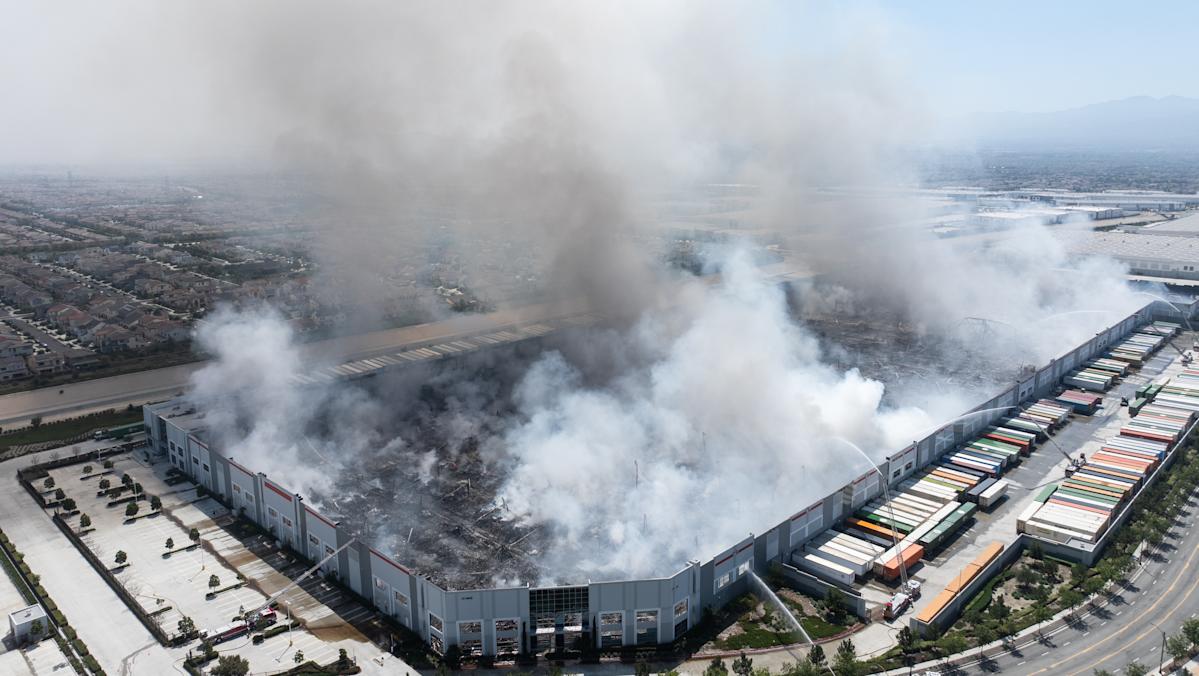
- Massive Fire Incident: The Kimberly-Clark warehouse in California, covering 1.2 million square feet, was quickly engulfed in flames, prompting a six-alarm response that mobilized 175 firefighters, highlighting the fire's severity and public safety risks.
- Employee Arrested: Chamel Abdulkarim, a 29-year-old warehouse employee, has been arrested on multiple arson-related felonies, with police indicating the fire's suspicious nature, which could have long-term implications for the company's reputation.
- Supply Chain Risks: The fire poses a risk of supply shortages for over 3% of Kimberly-Clark's U.S. sales, potentially increasing transportation costs and impacting the company's overall operations and market share.
- Company Response Measures: Kimberly-Clark has activated an emergency response team to ensure product supply continuity and stated that its supply chain is designed to handle disruptions, demonstrating strategic capability in crisis management.

SUZANO EXECUTIVE REPORTS 'SUBSTANTIAL EFFECT' ON MIDDLE EAST OPERATIONS

- Significant Impact on Business: Suzano executives report a notable effect on business in the Middle East.
- Focus on Regional Developments: The emphasis is on the implications of these changes for the local economy and market dynamics.
SUZANO EXECUTIVE WARNED THAT EXTENDED CONFLICT MAY INCREASE GLOBAL TOILET PAPER AND TISSUE PRICES
Impact of Prolonged Conflict: Prolonged conflict is expected to lead to higher global prices for essential goods, particularly toilet paper and tissues.
Economic Consequences: The ongoing situation may disrupt supply chains, contributing to inflation and increased costs for consumers worldwide.
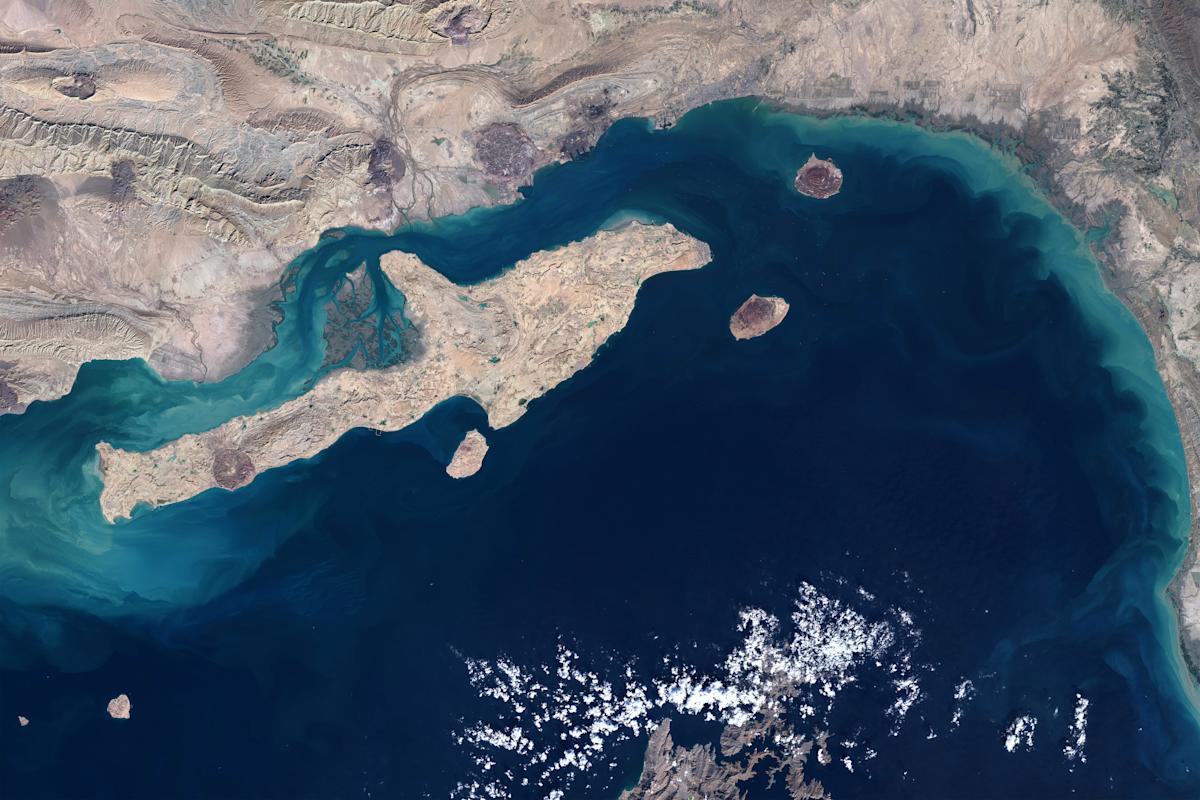
SUZANO EXECUTIVE REVEALS IRAN CONFLICT HAS RAISED TRANSPORTATION AND CHEMICAL EXPENSES FOR BRAZILIAN PULP COMPANY
Impact of War on Transportation: The ongoing war has led to an increase in transportation costs for Brazilian companies, particularly affecting logistics and supply chains.
Rising Chemical Costs: The conflict has also resulted in higher chemical costs, impacting various industries reliant on these materials for production.
Dividend Kings: Analyzing High-Yield Stocks
- Altria's Status: Altria (MO) boasts a 6.3% dividend yield, and despite a steady decline in cigarette demand in North America, the company has maintained stable cash flows through price increases, demonstrating the resilience of its business model.
- Universal's Advantage: Universal Corporation (UVV) offers a 6.1% dividend yield and operates globally without directly selling cigarettes, positioning it competitively in markets where cigarette demand remains strong, although its revenue can be volatile.
- Kimberly-Clark's Transformation: Kimberly-Clark (KMB) has a 5.2% dividend yield and is acquiring Kenvue to expand into the growth-oriented personal care market, which, despite integration risks, could enhance its competitive position if successful.
- Investment Risk Assessment: All three companies are Dividend Kings with high yields, but due to the market challenges they face, conservative investors may need to tread carefully and avoid overlooking potential risks in pursuit of high returns.
High-Yield Stocks: Dividend Kings in Tobacco Industry
- Altria's Dividend Advantage: Altria boasts a dividend yield of 6.3%, significantly higher than the S&P 500's 1.1%, and despite a steady decline in cigarette demand in North America, it has managed to maintain cash flow by raising prices, demonstrating the resilience of its business model through consistent dividend growth.
- Universal's Global Reach: Universal Corporation offers a 6.1% dividend yield and operates on a global scale, unlike Altria, as it sells tobacco to manufacturers rather than cigarettes, positioning its business favorably with strong demand outside North America, which enhances its resilience.
- Kimberly-Clark's Acquisition Strategy: With a dividend yield of 5.2%, Kimberly-Clark aims to enhance its growth potential through the acquisition of Kenvue, which owns iconic brands like Tylenol and Band-Aid; if successful, this move will increase its competitiveness in the consumer products market, although integration risks and high costs must be considered.
- Investor Risk Considerations: While Altria, Universal, and Kimberly-Clark are all Dividend Kings, the market risks they face may lead conservative investors to avoid these high-yield stocks, especially amid increasing economic uncertainty, necessitating careful evaluation of potential risks versus rewards.
California Warehouse Fire Leads to Arson Arrest
- Massive Fire Incident: The Kimberly-Clark warehouse in California, covering 1.2 million square feet, was quickly engulfed in flames, prompting a six-alarm response that mobilized 175 firefighters, highlighting the fire's severity and public safety risks.
- Employee Arrested: Chamel Abdulkarim, a 29-year-old warehouse employee, has been arrested on multiple arson-related felonies, with police indicating the fire's suspicious nature, which could have long-term implications for the company's reputation.
- Supply Chain Risks: The fire poses a risk of supply shortages for over 3% of Kimberly-Clark's U.S. sales, potentially increasing transportation costs and impacting the company's overall operations and market share.
- Company Response Measures: Kimberly-Clark has activated an emergency response team to ensure product supply continuity and stated that its supply chain is designed to handle disruptions, demonstrating strategic capability in crisis management.
SUZANO EXECUTIVE REPORTS 'SUBSTANTIAL EFFECT' ON MIDDLE EAST OPERATIONS
- Significant Impact on Business: Suzano executives report a notable effect on business in the Middle East.
- Focus on Regional Developments: The emphasis is on the implications of these changes for the local economy and market dynamics.
SUZANO EXECUTIVE WARNED THAT EXTENDED CONFLICT MAY INCREASE GLOBAL TOILET PAPER AND TISSUE PRICES
Impact of Prolonged Conflict: Prolonged conflict is expected to lead to higher global prices for essential goods, particularly toilet paper and tissues.
Economic Consequences: The ongoing situation may disrupt supply chains, contributing to inflation and increased costs for consumers worldwide.
SUZANO EXECUTIVE REVEALS IRAN CONFLICT HAS RAISED TRANSPORTATION AND CHEMICAL EXPENSES FOR BRAZILIAN PULP COMPANY
Impact of War on Transportation: The ongoing war has led to an increase in transportation costs for Brazilian companies, particularly affecting logistics and supply chains.
Rising Chemical Costs: The conflict has also resulted in higher chemical costs, impacting various industries reliant on these materials for production.