Buffett's Perspective on Apple Holdings
Written by Emily J. Thompson, Senior Investment Analyst
Updated: 1 hour ago
0mins
Should l Buy AAPL?
Source: Fool
- Buffett's Investment Reflection: In a recent interview, Buffett stated he sold his Apple shares 'too soon,' even though Apple remains Berkshire's largest holding at approximately 23%, indicating his ongoing confidence in the company.
- Apple Stake Changes: Berkshire has gradually reduced its Apple stake over the past few years, which once accounted for 40% of its portfolio, and this trimming strategy may be aimed at balancing investment risks.
- Market Response and Outlook: Despite Apple’s stock price declining over 6% in the past year, the support from Buffett and new CEO Abel suggests that Apple still has potential for growth, particularly with its developments and partnerships in the AI sector.
- Shareholder Return Strategy: Apple is expected to continue returning substantial capital to shareholders while maintaining a strong moat in its device ecosystem, prompting investors to consider following Buffett's advice to buy the stock in the current market environment.
Trade with 70% Backtested Accuracy
Stop guessing "Should I Buy AAPL?" and start using high-conviction signals backed by rigorous historical data.
Sign up today to access powerful investing tools and make smarter, data-driven decisions.
Analyst Views on AAPL
Wall Street analysts forecast AAPL stock price to rise
27 Analyst Rating
17 Buy
9 Hold
1 Sell
Moderate Buy
Current: 258.860

Low
239.00
Averages
306.89
High
350.00
Current: 258.860
Low
239.00
Averages
306.89
High
350.00
About AAPL
Apple Inc. designs, manufactures and markets smartphones, personal computers, tablets, wearables and accessories, and sells a variety of related services. Its product categories include iPhone, Mac, iPad, and Wearables, Home and Accessories. Its software platforms include iOS, iPadOS, macOS, watchOS, visionOS, and tvOS. Its services include advertising, AppleCare, cloud services, digital content and payment services. The Company operates various platforms, including the App Store, that allow customers to discover and download applications and digital content, such as books, music, video, games and podcasts. It also offers digital content through subscription-based services, including Apple Arcade, Apple Fitness+, Apple Music, Apple News+, and Apple TV+. Its products include iPhone 16 Pro, iPhone 16, iPhone 15, iPhone 14, iPhone SE, MacBook Air, MacBook Pro, iMac, Mac mini, Mac Studio, Mac Pro, iPad Pro, iPad Air, AirPods, AirPods Pro, AirPods Max, Apple TV, Apple Vision Pro and others.
About the author

Emily J. Thompson
Emily J. Thompson, a Chartered Financial Analyst (CFA) with 12 years in investment research, graduated with honors from the Wharton School. Specializing in industrial and technology stocks, she provides in-depth analysis for Intellectia’s earnings and market brief reports.

Apple's App Store Revenue Grows 7% in Q1

- Revenue Growth Analysis: According to UBS, Apple's (AAPL) App Store revenue increased by 7% year-over-year in Q1 2026, although the growth was only about 80 basis points higher than the previous quarter, indicating a slowdown in momentum.
- FX Impact: On a foreign exchange neutral basis, the App Store's growth was approximately 5% in Q1 2026, consistent with Q4 2025, highlighting the significant supportive role of FX factors on revenue.
- Future Outlook: Looking ahead to the June 2026 quarter, Apple's revenue growth expectation is around 12%, essentially unchanged from the previous quarter, indicating stability in future growth despite increasing competitive pressures.
- Regional Performance Disparity: The App Store revenue in the U.S. was essentially flat year-over-year, down roughly 320 basis points, while the rest of the world saw about 11% year-over-year growth, showcasing strong performance in international markets.
See More
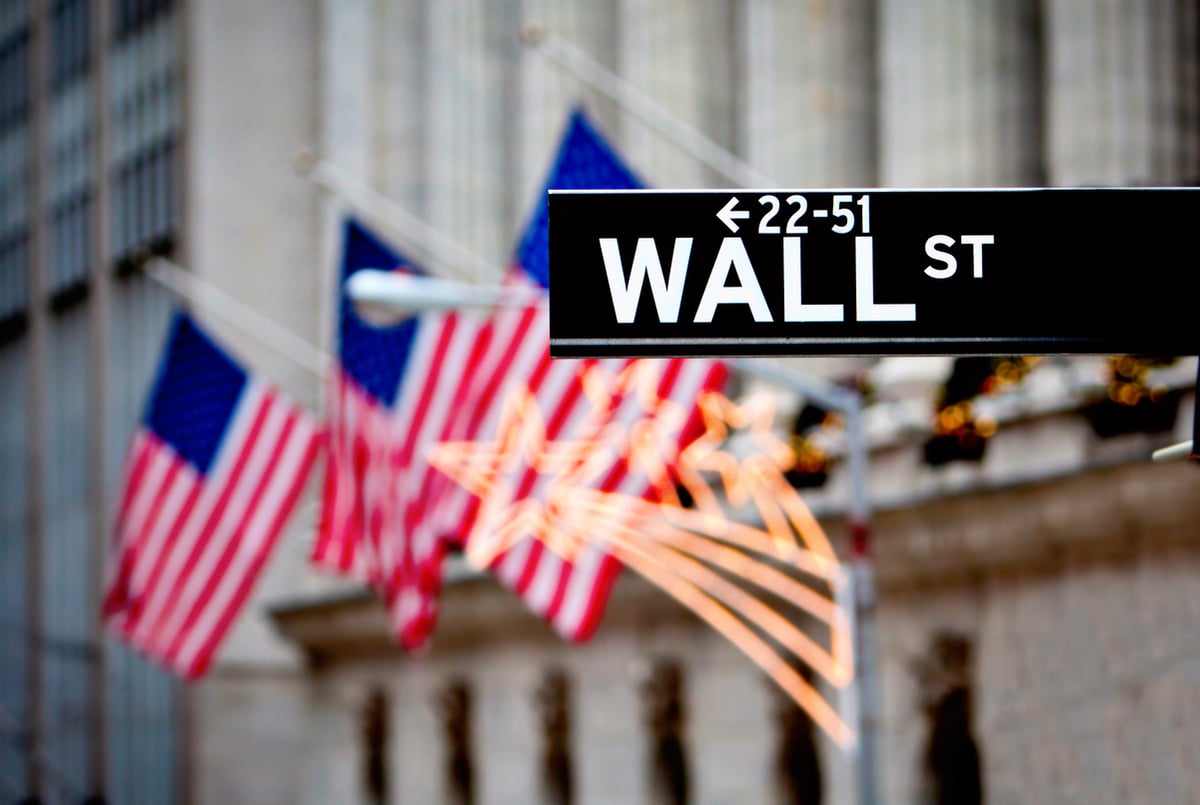
Amazon and USPS Reach Tentative Package-Handling Agreement

- Package-Handling Agreement: Amazon and the U.S. Postal Service have reached a tentative agreement that reduces Amazon's USPS shipment cuts from two-thirds to only 20%, ensuring the Postal Service continues to handle over 1 billion packages annually, thereby stabilizing Amazon's last-mile logistics network while protecting roughly $6 billion in revenue for the Postal Service.
- Logistics Competitive Landscape: By maintaining high shipment volumes with USPS, Amazon avoids over-reliance on rivals like United Parcel Service (UPS) and FedEx, who have previously scaled back their partnerships with the e-commerce giant, thus ensuring its competitive edge in the e-commerce sector.
- Rural Infrastructure Protection: This deal allows Amazon to sustain its one-to-two-day delivery promises in low-density areas without the immediate capital expenditure required to fully replace the Postal Service's massive existing ground network, thereby securing its market share in these regions.
- Strategic Implications: The agreement not only reinforces Amazon's logistics capabilities but also reflects its strategy of relying on external partners to meet complex delivery demands while expanding its own logistics operations, showcasing its flexible market response strategy.
See More

Buffett Admits to Selling Apple Stock Too Soon
- Investor Confidence: In a CNBC interview, Buffett acknowledged that he sold Berkshire's Apple stock too soon, although it still holds a 23% stake, indicating his continued optimism about Apple's long-term prospects and potential future purchases.
- Holding Proportion Changes: Berkshire's stake in Apple once reached 40%, but has been significantly reduced in recent years, reflecting the company's cautious approach to concentrated investments and its strategy to navigate market volatility.
- Market Reaction: Despite Apple's stock declining over 6% amid the AI boom, Buffett's praise for CEO Tim Cook and confidence in the company's future may bolster investor sentiment and promote a rebound in stock prices.
- AI Strategic Outlook: Apple's unclear AI strategy puts it at a disadvantage in competition, but its partnership with Google could open new opportunities for AI products and services, further solidifying its market position in consumer electronics.
See More

Apple Stock Drops by 3.4%
- Stock Performance: Apple's shares have experienced a decline of 3.4%.
- Market Impact: The drop in share price may reflect broader market trends or company-specific challenges.
See More
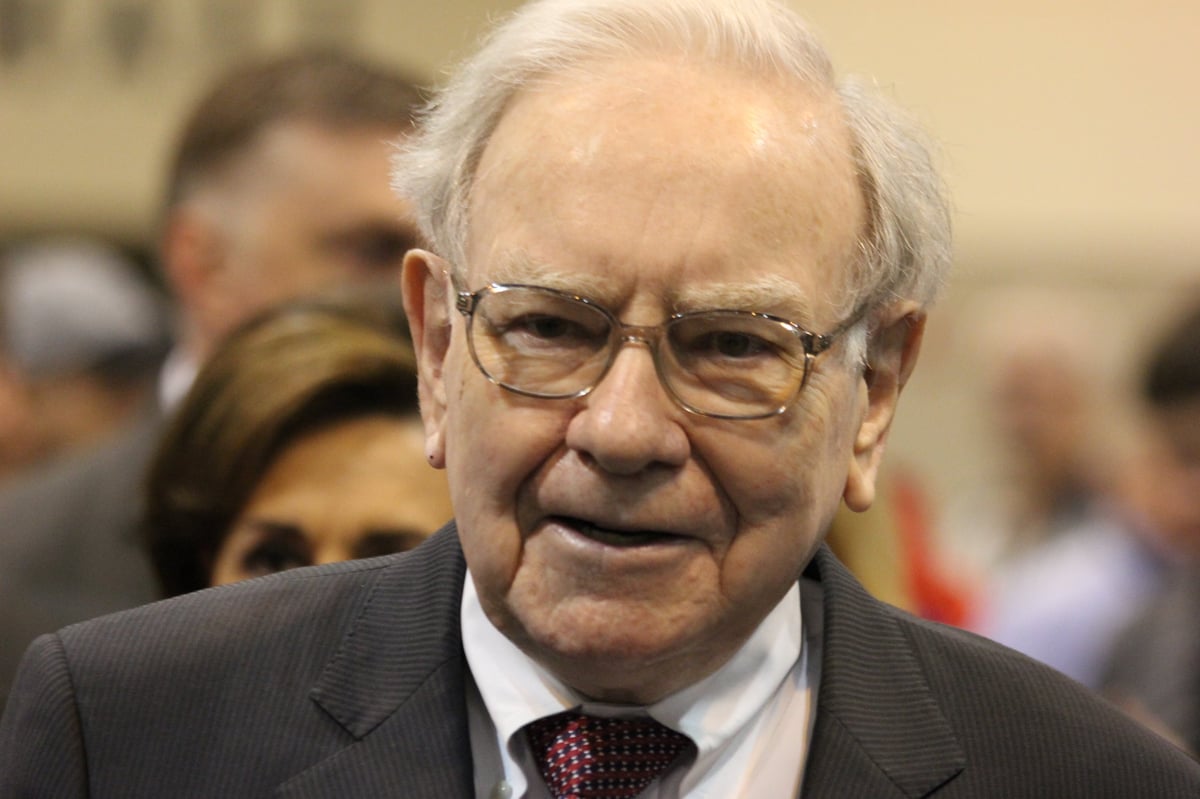
Buffett's Perspective on Apple Holdings
- Buffett's Investment Reflection: In a recent interview, Buffett stated he sold his Apple shares 'too soon,' even though Apple remains Berkshire's largest holding at approximately 23%, indicating his ongoing confidence in the company.
- Apple Stake Changes: Berkshire has gradually reduced its Apple stake over the past few years, which once accounted for 40% of its portfolio, and this trimming strategy may be aimed at balancing investment risks.
- Market Response and Outlook: Despite Apple’s stock price declining over 6% in the past year, the support from Buffett and new CEO Abel suggests that Apple still has potential for growth, particularly with its developments and partnerships in the AI sector.
- Shareholder Return Strategy: Apple is expected to continue returning substantial capital to shareholders while maintaining a strong moat in its device ecosystem, prompting investors to consider following Buffett's advice to buy the stock in the current market environment.
See More

MP Materials: Leading the U.S. Rare Earth Market

- Market Opportunity: MP Materials operates the only large-scale rare earth mining site in the U.S. at Mountain Pass, crucial for supply chain security as China is projected to dominate 69% of global rare earth production by 2025, highlighting MP's strategic importance.
- Strategic Investment: The U.S. government has entered a $400 million partnership with MP Materials, guaranteeing a price floor of $110 per kilogram for its core product, neodymium-praseodymium, which not only provides capital but also enhances its competitive position in the market.
- Future Capacity Expansion: MP plans to open its second magnet factory in 2028, with an expected output of 10,000 metric tons per year, aligning with U.S. magnet consumption needs projected to exceed 20,000 metric tons by 2028 and 50,000 metric tons by 2035.
- Valuation Analysis: Currently, MP Materials has a market valuation of approximately $9 billion against $225 million in annual revenue, and with a forward P/E ratio of 1,430, the market's high expectations for its future performance necessitate caution from investors despite its long-term growth potential.
See More
Apple's App Store Revenue Grows 7% in Q1
- Revenue Growth Analysis: According to UBS, Apple's (AAPL) App Store revenue increased by 7% year-over-year in Q1 2026, although the growth was only about 80 basis points higher than the previous quarter, indicating a slowdown in momentum.
- FX Impact: On a foreign exchange neutral basis, the App Store's growth was approximately 5% in Q1 2026, consistent with Q4 2025, highlighting the significant supportive role of FX factors on revenue.
- Future Outlook: Looking ahead to the June 2026 quarter, Apple's revenue growth expectation is around 12%, essentially unchanged from the previous quarter, indicating stability in future growth despite increasing competitive pressures.
- Regional Performance Disparity: The App Store revenue in the U.S. was essentially flat year-over-year, down roughly 320 basis points, while the rest of the world saw about 11% year-over-year growth, showcasing strong performance in international markets.
See More
Amazon and USPS Reach Tentative Package-Handling Agreement
- Package-Handling Agreement: Amazon and the U.S. Postal Service have reached a tentative agreement that reduces Amazon's USPS shipment cuts from two-thirds to only 20%, ensuring the Postal Service continues to handle over 1 billion packages annually, thereby stabilizing Amazon's last-mile logistics network while protecting roughly $6 billion in revenue for the Postal Service.
- Logistics Competitive Landscape: By maintaining high shipment volumes with USPS, Amazon avoids over-reliance on rivals like United Parcel Service (UPS) and FedEx, who have previously scaled back their partnerships with the e-commerce giant, thus ensuring its competitive edge in the e-commerce sector.
- Rural Infrastructure Protection: This deal allows Amazon to sustain its one-to-two-day delivery promises in low-density areas without the immediate capital expenditure required to fully replace the Postal Service's massive existing ground network, thereby securing its market share in these regions.
- Strategic Implications: The agreement not only reinforces Amazon's logistics capabilities but also reflects its strategy of relying on external partners to meet complex delivery demands while expanding its own logistics operations, showcasing its flexible market response strategy.
See More
Buffett Admits to Selling Apple Stock Too Soon
- Investor Confidence: In a CNBC interview, Buffett acknowledged that he sold Berkshire's Apple stock too soon, although it still holds a 23% stake, indicating his continued optimism about Apple's long-term prospects and potential future purchases.
- Holding Proportion Changes: Berkshire's stake in Apple once reached 40%, but has been significantly reduced in recent years, reflecting the company's cautious approach to concentrated investments and its strategy to navigate market volatility.
- Market Reaction: Despite Apple's stock declining over 6% amid the AI boom, Buffett's praise for CEO Tim Cook and confidence in the company's future may bolster investor sentiment and promote a rebound in stock prices.
- AI Strategic Outlook: Apple's unclear AI strategy puts it at a disadvantage in competition, but its partnership with Google could open new opportunities for AI products and services, further solidifying its market position in consumer electronics.
See More
Apple Stock Drops by 3.4%
- Stock Performance: Apple's shares have experienced a decline of 3.4%.
- Market Impact: The drop in share price may reflect broader market trends or company-specific challenges.
See More
Buffett's Perspective on Apple Holdings
- Buffett's Investment Reflection: In a recent interview, Buffett stated he sold his Apple shares 'too soon,' even though Apple remains Berkshire's largest holding at approximately 23%, indicating his ongoing confidence in the company.
- Apple Stake Changes: Berkshire has gradually reduced its Apple stake over the past few years, which once accounted for 40% of its portfolio, and this trimming strategy may be aimed at balancing investment risks.
- Market Response and Outlook: Despite Apple’s stock price declining over 6% in the past year, the support from Buffett and new CEO Abel suggests that Apple still has potential for growth, particularly with its developments and partnerships in the AI sector.
- Shareholder Return Strategy: Apple is expected to continue returning substantial capital to shareholders while maintaining a strong moat in its device ecosystem, prompting investors to consider following Buffett's advice to buy the stock in the current market environment.
See More
MP Materials: Leading the U.S. Rare Earth Market
- Market Opportunity: MP Materials operates the only large-scale rare earth mining site in the U.S. at Mountain Pass, crucial for supply chain security as China is projected to dominate 69% of global rare earth production by 2025, highlighting MP's strategic importance.
- Strategic Investment: The U.S. government has entered a $400 million partnership with MP Materials, guaranteeing a price floor of $110 per kilogram for its core product, neodymium-praseodymium, which not only provides capital but also enhances its competitive position in the market.
- Future Capacity Expansion: MP plans to open its second magnet factory in 2028, with an expected output of 10,000 metric tons per year, aligning with U.S. magnet consumption needs projected to exceed 20,000 metric tons by 2028 and 50,000 metric tons by 2035.
- Valuation Analysis: Currently, MP Materials has a market valuation of approximately $9 billion against $225 million in annual revenue, and with a forward P/E ratio of 1,430, the market's high expectations for its future performance necessitate caution from investors despite its long-term growth potential.
See More