BP Forms 50:50 Joint Venture with Corteva to Produce Sustainable Aviation Fuel
Written by Emily J. Thompson, Senior Investment Analyst
Updated: Jan 07 2026
0mins

Should l Buy BP?
Source: Benzinga
- Joint Venture Formation: BP and Corteva have established a 50:50 joint venture named Etlas, aiming to produce 1 million metric tonnes of crop-based feedstock annually by the mid-2030s, which is expected to yield over 800,000 tonnes of biofuel, significantly advancing the sustainable aviation fuel market.
- Growing Market Demand: Global demand for sustainable aviation fuel is projected to rise from approximately 1 million tonnes in 2024 to 10 million tonnes by 2030, while renewable diesel demand is expected to increase from 17 million tonnes to 35 million tonnes, indicating substantial market potential.
- Agriculture and Environment Synergy: The joint venture will utilize existing farmland to grow crops, improving soil health and providing farmers with new revenue streams, highlighting agriculture's critical role in sustainable development.
- Capital-Light Strategy: BP enhances flexibility in its biofuels value chain through this joint venture, with management stating that this move will help achieve attractive returns, further solidifying its position in the biofuels market.
Trade with 70% Backtested Accuracy
Stop guessing "Should I Buy BP?" and start using high-conviction signals backed by rigorous historical data.
Sign up today to access powerful investing tools and make smarter, data-driven decisions.
Analyst Views on BP
Wall Street analysts forecast BP stock price to rise
11 Analyst Rating
5 Buy
5 Hold
1 Sell
Moderate Buy
Current: 39.940

Low
6.38
Averages
84.26
High
503.69
Current: 39.940
Low
6.38
Averages
84.26
High
503.69
About BP
BP p.l.c. is a United Kingdom-based integrated energy company. The Company's segments include Gas & low carbon energy, Oil production & operations, Customers & products, and Other businesses & corporate. Its gas business includes regions with upstream activities that produce natural gas, integrated gas and power, and gas trading. Its low carbon business includes solar, offshore and onshore wind, hydrogen and carbon capture and storage and power trading. Oil production & operations segment comprises regions with upstream activities that predominantly produce crude oil, including bpx energy. Customers & products segment comprises its customer-focused businesses, which include convenience and retail fuels, electric vehicle charging, as well as Castrol, aviation and business to business and midstream. It also includes its products businesses, refining and oil trading, as well as its bioenergy businesses. Other businesses & corporate segment comprises technology and bp ventures.
About the author

Emily J. Thompson
Emily J. Thompson, a Chartered Financial Analyst (CFA) with 12 years in investment research, graduated with honors from the Wharton School. Specializing in industrial and technology stocks, she provides in-depth analysis for Intellectia’s earnings and market brief reports.
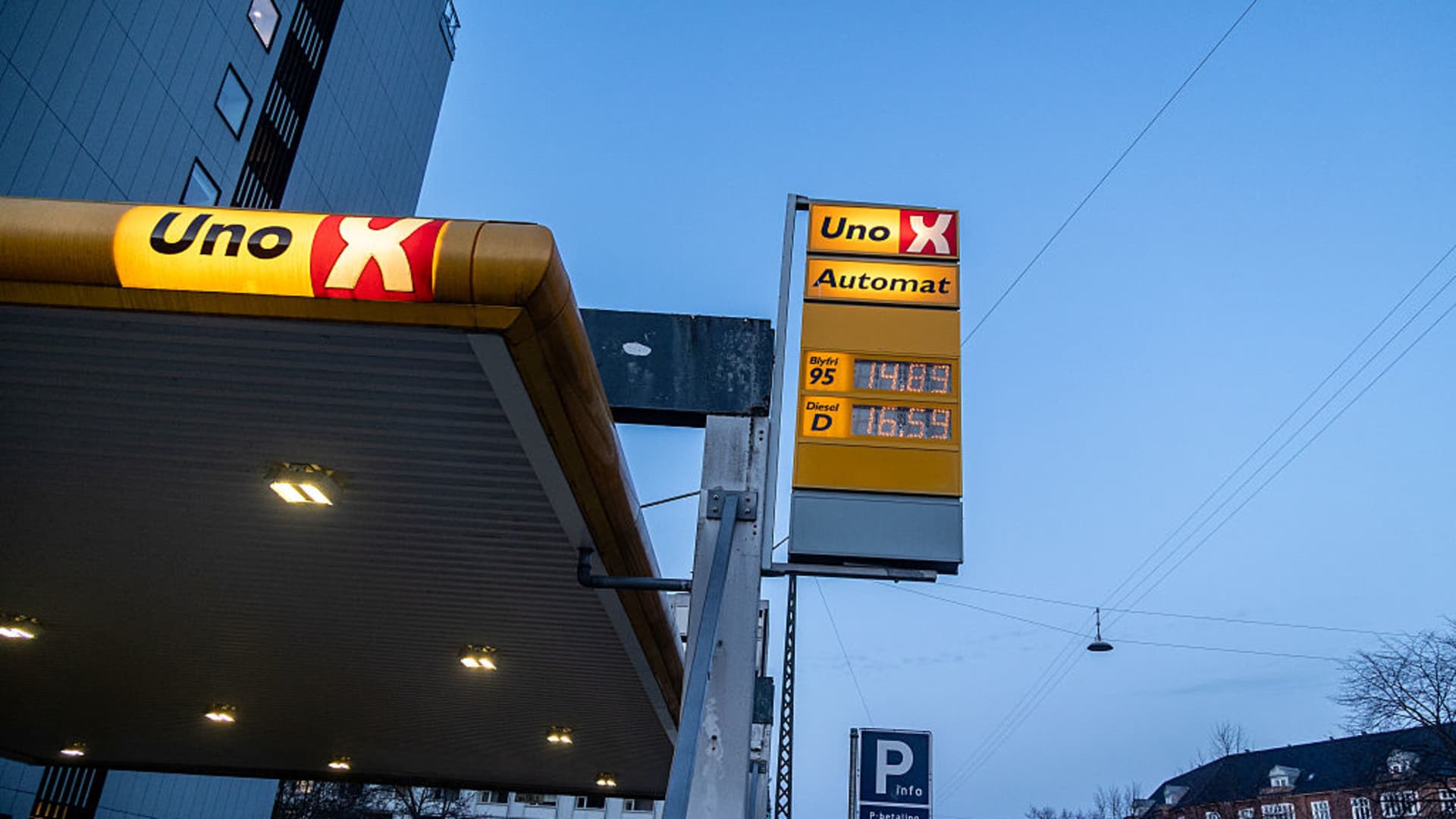
Denmark's Energy Minister Urges Energy Conservation Amid Rising Oil Prices

- Energy Consumption Warning: Denmark's Minister for Climate, Energy, and Utilities, Lars Aagaard, has urged citizens to cut back on energy use, particularly non-essential car travel, as oil prices have surged above $100 per barrel due to ongoing Middle Eastern conflicts, putting pressure on household finances.
- Reserve Utilization Strategy: Aagaard emphasized that energy conservation could not only alleviate financial burdens on families but also extend the lifespan of the country's oil reserves, ensuring national energy security amid the ongoing conflict.
- International Response Measures: The International Energy Agency has agreed to release 400 million barrels of oil to address supply disruptions, while the U.S. plans to release 172 million barrels from its Strategic Petroleum Reserve, expected to be completed over the next 120 days, highlighting global concern over soaring oil prices.
- Global Energy Conservation Advocacy: Similar calls for energy conservation are spreading worldwide, with countries like the U.K. and Vietnam implementing measures to encourage reduced non-essential travel, reflecting a sense of urgency and willingness to cooperate in addressing the energy crisis.
See More
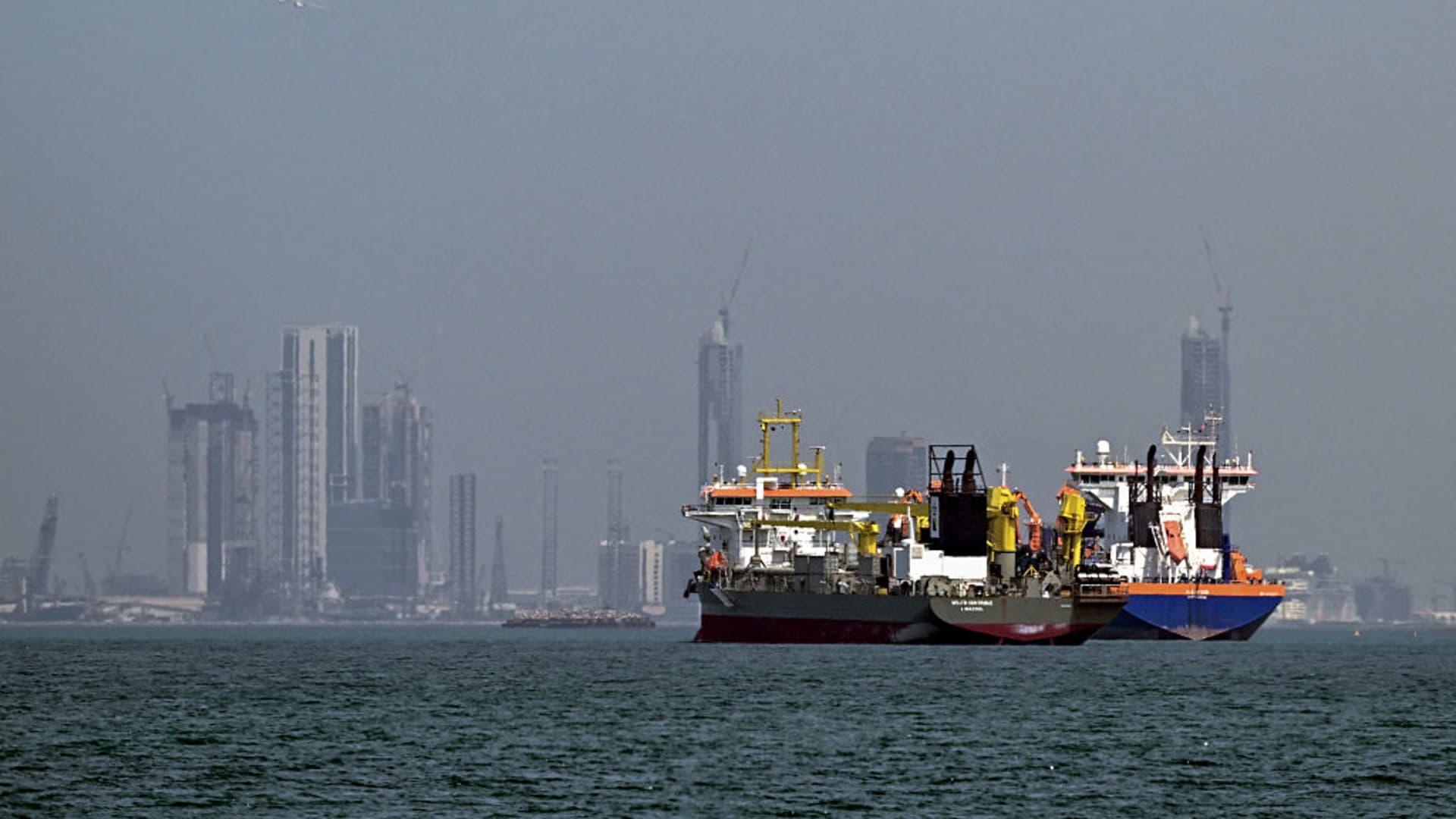
Attacks on Vessels in Strait of Hormuz Could Drive Oil Prices to $200

- Escalating Maritime Attacks: Three foreign vessels were struck in the Strait of Hormuz, with oil tankers ablaze in Iraqi waters resulting in at least one fatality and 38 crew members rescued, indicating a significant deterioration in regional security.
- Oil Price Warning: An Iranian military spokesperson warned that oil prices could surge to $200 per barrel, highlighting the direct impact of regional security on oil prices, which could trigger a global economic shock.
- Shipping Traffic Disruption: Since the U.S. and Israel launched airstrikes on Iran on February 28, shipping traffic through the Strait of Hormuz has virtually ground to a halt, exacerbating uncertainties in global energy supply.
- International Market Reaction: Brent crude futures rose 5.7% to $97.16 per barrel, reflecting the market's heightened concern over supply risks, which could lead to broader economic implications.
See More
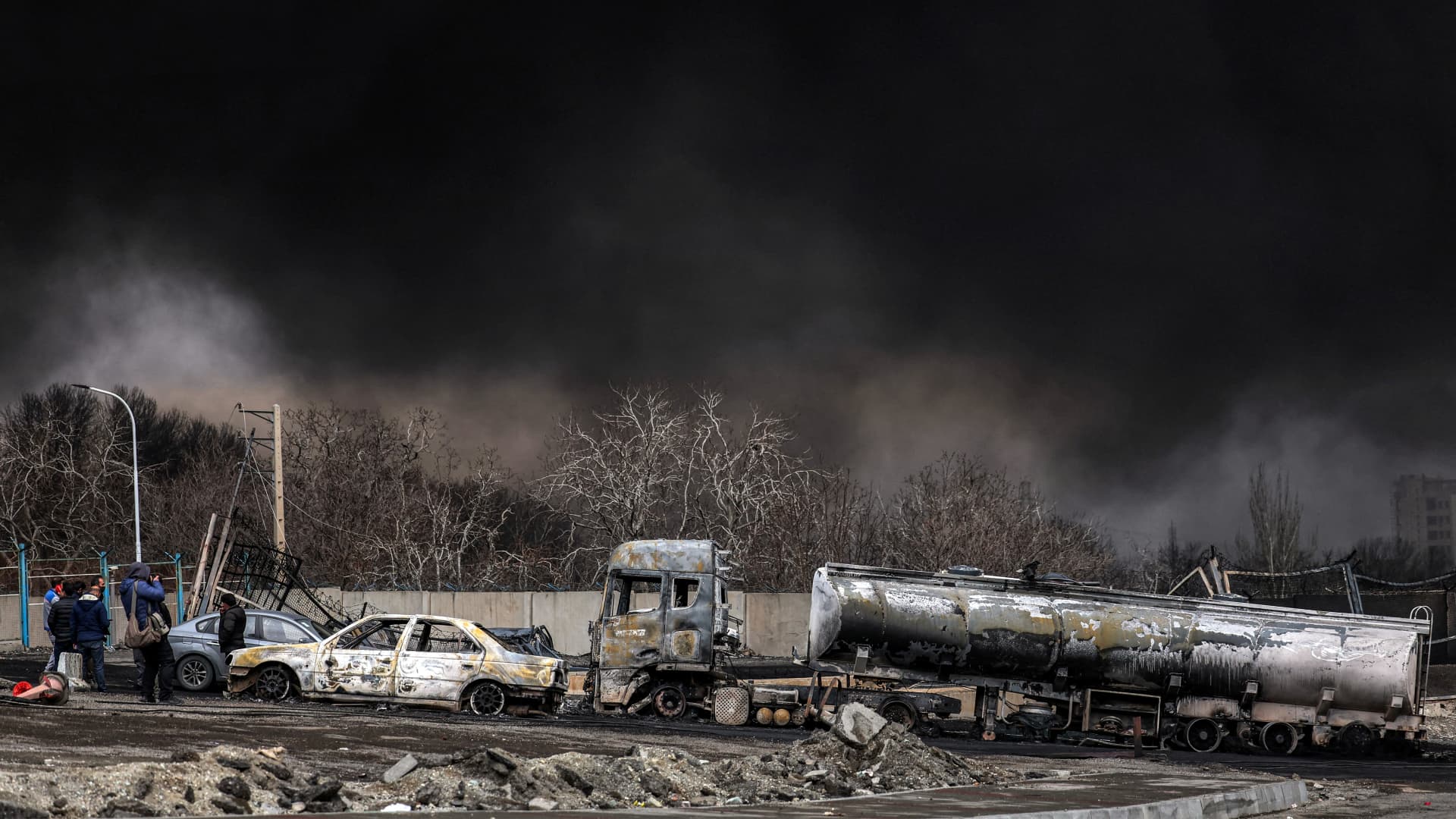
Oil Prices Surge Amid Trade Tensions and Geopolitical Strains

- Oil Price Surge: Despite the International Energy Agency's agreement to release a record 400 million barrels of oil, Brent crude prices surged past $100 per barrel on Thursday, indicating a strong market reaction to supply constraints that could lead to higher energy costs for consumers and businesses.
- U.S. Strategic Petroleum Reserve: The U.S. announced it would tap 172 million barrels from its Strategic Petroleum Reserve to help lower energy costs; however, this measure failed to stabilize market volatility, reflecting the complexity and uncertainty of the global energy landscape.
- Escalating Trade War: The U.S. government launched trade probes into over a dozen countries, targeting the EU, China, and Mexico, aiming to replace reciprocal tariffs ruled illegal by the Supreme Court, which could further escalate global trade tensions and impact international market confidence.
- Middle East Conflict Impact: The ongoing war in Iran poses risks to AI infrastructure development in the Middle East, with experts warning that attacks on data centers have already caused outages in banking and consumer services, highlighting the geopolitical risks threatening technology investments.
See More
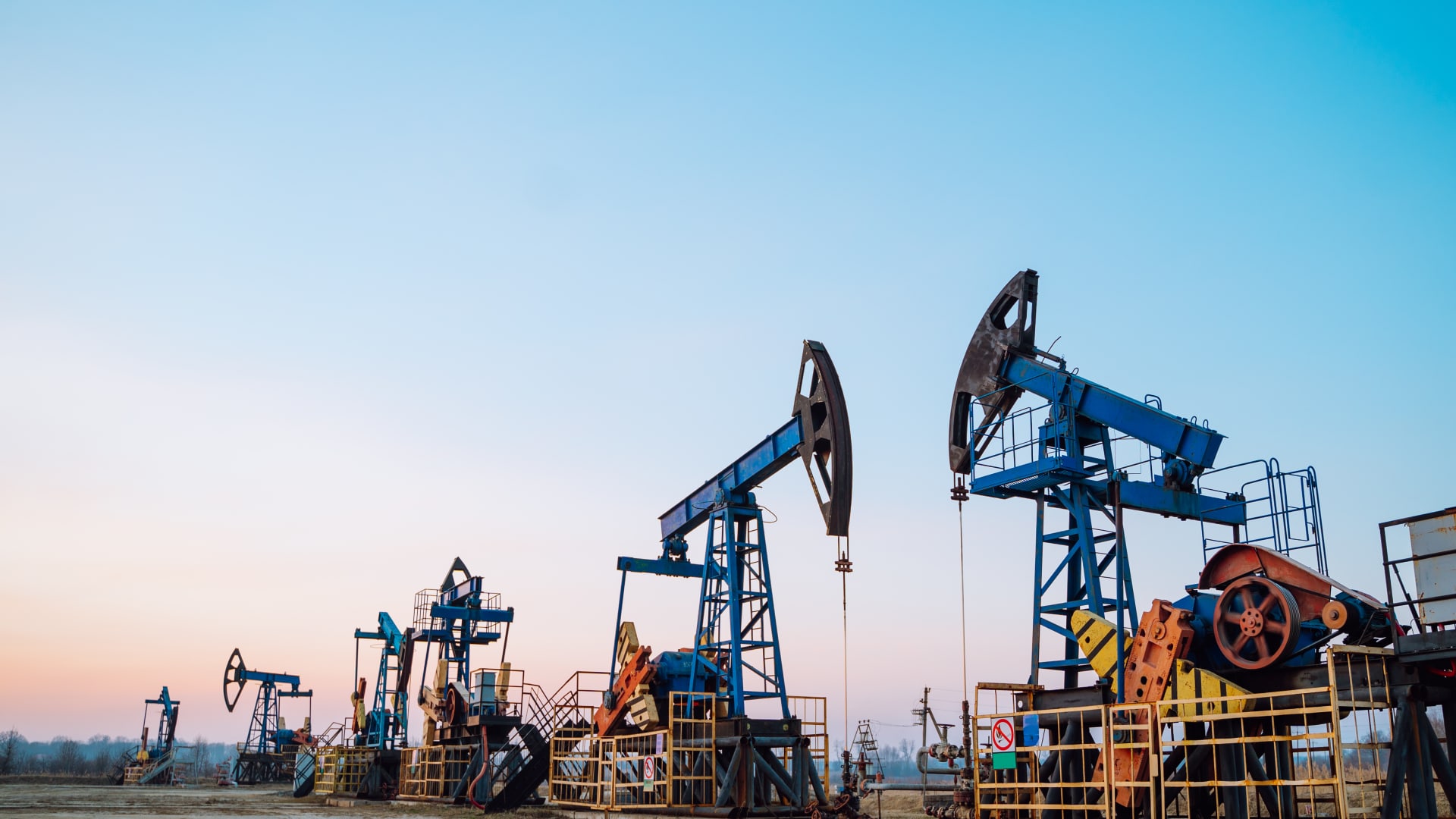
European Energy Price Fluctuations and Inflation Impact

- Energy Price Retreat: Brent crude oil prices have retreated from nearly $120 per barrel as the International Energy Agency agreed to release a record 400 million barrels from strategic reserves, alleviating market fears of an energy crisis and potentially stabilizing future inflation expectations.
- Rising Inflation Expectations: Analysts predict that if energy supply normalizes within four weeks, eurozone inflation could rise from the current 1.9% to 2.5%, which would impact the European Central Bank's interest rate policy and potentially delay further rate cuts.
- Diversification Strategy: German energy supplier Uniper has reduced its reliance on Russian gas since the Ukraine conflict, shifting to diversified sources from Norway, the U.S., and Canada to enhance energy security and mitigate price volatility risks.
- Increased Market Uncertainty: As oil and gas prices experience significant fluctuations, investors have adjusted their expectations for government bond yields in the U.K. and Germany, leading to greater uncertainty regarding future interest rate policies, which may necessitate a reassessment of the European Central Bank's rate strategy in the short term.
See More
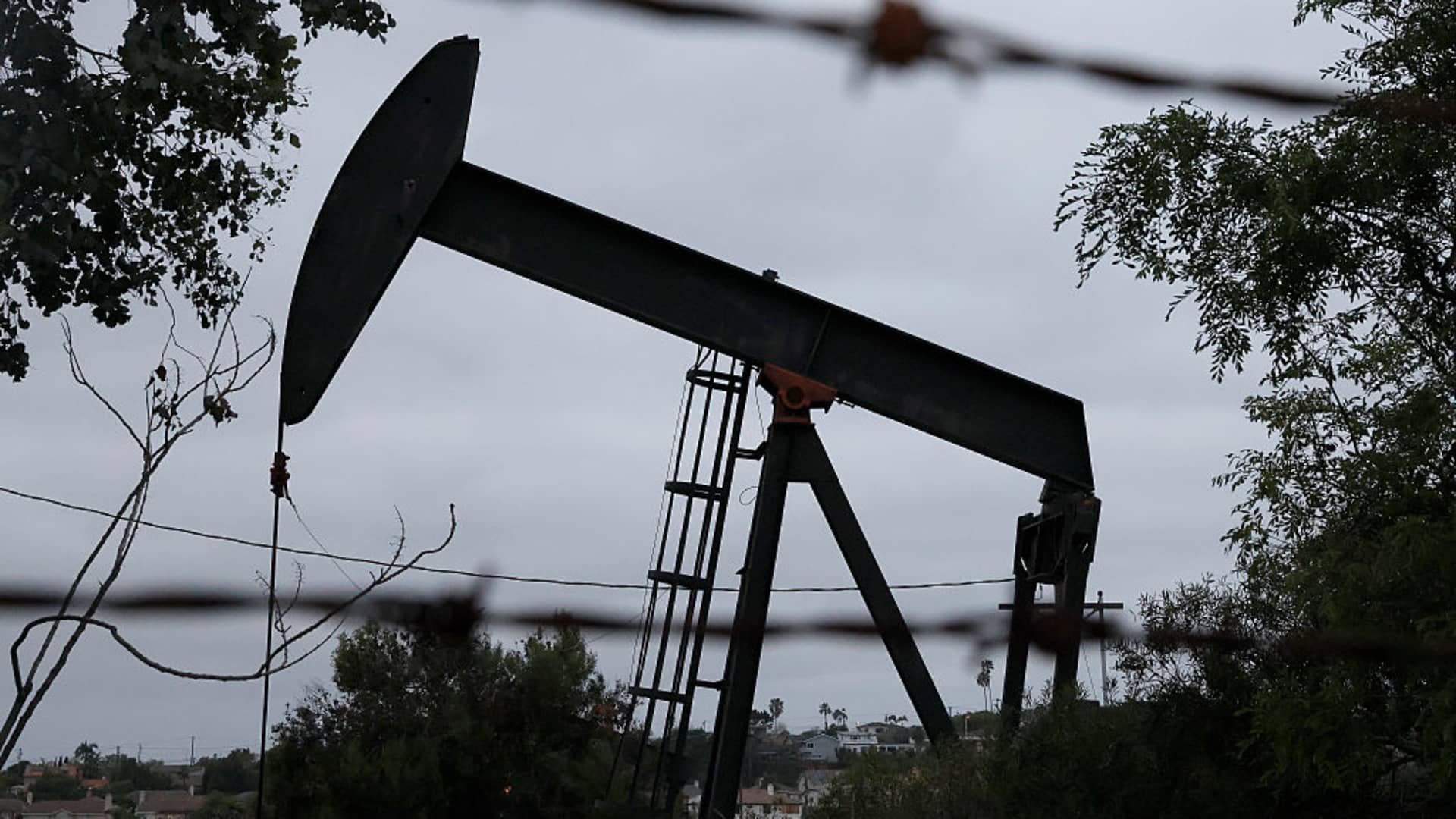
Global Oil Price Fluctuations Capture Market Attention

- Oil Price Surge: The International Energy Agency's decision to release 400 million barrels of oil to address supply disruptions from the Iran war has led to Brent crude prices rising over 8% to $100 per barrel, indicating market skepticism about the effectiveness of this strategic release in mitigating global supply shocks.
- European Market Declines: As investors monitor the Iran conflict and global oil prices, the U.K.'s FTSE index is expected to open 0.2% lower, Germany's DAX down 1%, France's CAC 40 down 0.8%, and Italy's FTSE MIB down 1.1%, reflecting growing concerns about economic outlook.
- New Trade Investigations: The Trump administration has announced new trade investigations into the European Union and over a dozen other economies under Section 301 of the Trade Act of 1974, which allows the U.S. to impose tariffs on imports deemed to engage in unfair trade practices, potentially escalating international trade tensions.
- Earnings Reports Ahead: Earnings reports from companies such as BMW, Generali, RWE, Hannover Re, Swiss Life, and Informa are due today, with the market closely watching these results for their impact on stock performance amid the current uncertain economic climate.
See More
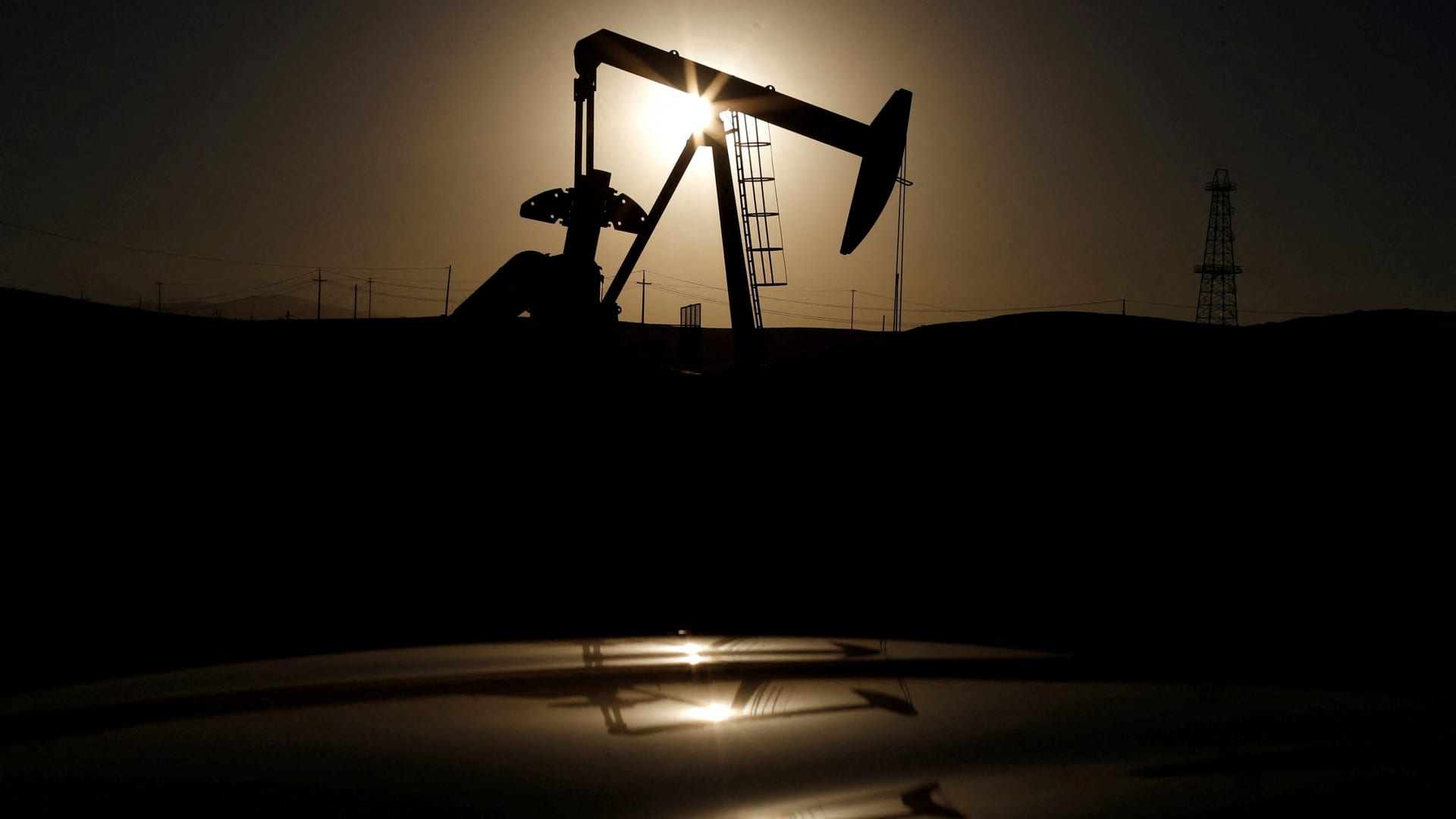
Oil Prices Surge Over 7% Amid Middle East Supply Shock
- Surge in Oil Prices: Oil prices have surged over 7% due to the supply shock from the Middle East conflict, with West Texas Intermediate rising 7.5% to $93.8 per barrel and Brent crude increasing 7.74% to $99.1, reflecting strong market reactions to supply shortages.
- Historic Reserve Release: The International Energy Agency announced the release of 400 million barrels of oil from emergency reserves across its 32 member countries, marking the largest coordinated drawdown since the 1973 oil embargo, aimed at alleviating market tensions.
- U.S. Strategic Reserve: The U.S. plans to release 172 million barrels from its Strategic Petroleum Reserve, with shipments expected to begin next week and take approximately 120 days to complete; however, this measure may not fully address the supply gap caused by disruptions in the Strait of Hormuz.
- Market Sentiment Tension: Despite the IEA's unprecedented intervention, market reactions remain fraught with panic and uncertainty, as analysts suggest that the current supply gap may take longer to resolve, indicating potential for continued price increases in the future.
See More
Denmark's Energy Minister Urges Energy Conservation Amid Rising Oil Prices
- Energy Consumption Warning: Denmark's Minister for Climate, Energy, and Utilities, Lars Aagaard, has urged citizens to cut back on energy use, particularly non-essential car travel, as oil prices have surged above $100 per barrel due to ongoing Middle Eastern conflicts, putting pressure on household finances.
- Reserve Utilization Strategy: Aagaard emphasized that energy conservation could not only alleviate financial burdens on families but also extend the lifespan of the country's oil reserves, ensuring national energy security amid the ongoing conflict.
- International Response Measures: The International Energy Agency has agreed to release 400 million barrels of oil to address supply disruptions, while the U.S. plans to release 172 million barrels from its Strategic Petroleum Reserve, expected to be completed over the next 120 days, highlighting global concern over soaring oil prices.
- Global Energy Conservation Advocacy: Similar calls for energy conservation are spreading worldwide, with countries like the U.K. and Vietnam implementing measures to encourage reduced non-essential travel, reflecting a sense of urgency and willingness to cooperate in addressing the energy crisis.
See More
Attacks on Vessels in Strait of Hormuz Could Drive Oil Prices to $200
- Escalating Maritime Attacks: Three foreign vessels were struck in the Strait of Hormuz, with oil tankers ablaze in Iraqi waters resulting in at least one fatality and 38 crew members rescued, indicating a significant deterioration in regional security.
- Oil Price Warning: An Iranian military spokesperson warned that oil prices could surge to $200 per barrel, highlighting the direct impact of regional security on oil prices, which could trigger a global economic shock.
- Shipping Traffic Disruption: Since the U.S. and Israel launched airstrikes on Iran on February 28, shipping traffic through the Strait of Hormuz has virtually ground to a halt, exacerbating uncertainties in global energy supply.
- International Market Reaction: Brent crude futures rose 5.7% to $97.16 per barrel, reflecting the market's heightened concern over supply risks, which could lead to broader economic implications.
See More
Oil Prices Surge Amid Trade Tensions and Geopolitical Strains
- Oil Price Surge: Despite the International Energy Agency's agreement to release a record 400 million barrels of oil, Brent crude prices surged past $100 per barrel on Thursday, indicating a strong market reaction to supply constraints that could lead to higher energy costs for consumers and businesses.
- U.S. Strategic Petroleum Reserve: The U.S. announced it would tap 172 million barrels from its Strategic Petroleum Reserve to help lower energy costs; however, this measure failed to stabilize market volatility, reflecting the complexity and uncertainty of the global energy landscape.
- Escalating Trade War: The U.S. government launched trade probes into over a dozen countries, targeting the EU, China, and Mexico, aiming to replace reciprocal tariffs ruled illegal by the Supreme Court, which could further escalate global trade tensions and impact international market confidence.
- Middle East Conflict Impact: The ongoing war in Iran poses risks to AI infrastructure development in the Middle East, with experts warning that attacks on data centers have already caused outages in banking and consumer services, highlighting the geopolitical risks threatening technology investments.
See More
European Energy Price Fluctuations and Inflation Impact
- Energy Price Retreat: Brent crude oil prices have retreated from nearly $120 per barrel as the International Energy Agency agreed to release a record 400 million barrels from strategic reserves, alleviating market fears of an energy crisis and potentially stabilizing future inflation expectations.
- Rising Inflation Expectations: Analysts predict that if energy supply normalizes within four weeks, eurozone inflation could rise from the current 1.9% to 2.5%, which would impact the European Central Bank's interest rate policy and potentially delay further rate cuts.
- Diversification Strategy: German energy supplier Uniper has reduced its reliance on Russian gas since the Ukraine conflict, shifting to diversified sources from Norway, the U.S., and Canada to enhance energy security and mitigate price volatility risks.
- Increased Market Uncertainty: As oil and gas prices experience significant fluctuations, investors have adjusted their expectations for government bond yields in the U.K. and Germany, leading to greater uncertainty regarding future interest rate policies, which may necessitate a reassessment of the European Central Bank's rate strategy in the short term.
See More
Global Oil Price Fluctuations Capture Market Attention
- Oil Price Surge: The International Energy Agency's decision to release 400 million barrels of oil to address supply disruptions from the Iran war has led to Brent crude prices rising over 8% to $100 per barrel, indicating market skepticism about the effectiveness of this strategic release in mitigating global supply shocks.
- European Market Declines: As investors monitor the Iran conflict and global oil prices, the U.K.'s FTSE index is expected to open 0.2% lower, Germany's DAX down 1%, France's CAC 40 down 0.8%, and Italy's FTSE MIB down 1.1%, reflecting growing concerns about economic outlook.
- New Trade Investigations: The Trump administration has announced new trade investigations into the European Union and over a dozen other economies under Section 301 of the Trade Act of 1974, which allows the U.S. to impose tariffs on imports deemed to engage in unfair trade practices, potentially escalating international trade tensions.
- Earnings Reports Ahead: Earnings reports from companies such as BMW, Generali, RWE, Hannover Re, Swiss Life, and Informa are due today, with the market closely watching these results for their impact on stock performance amid the current uncertain economic climate.
See More
Oil Prices Surge Over 7% Amid Middle East Supply Shock
- Surge in Oil Prices: Oil prices have surged over 7% due to the supply shock from the Middle East conflict, with West Texas Intermediate rising 7.5% to $93.8 per barrel and Brent crude increasing 7.74% to $99.1, reflecting strong market reactions to supply shortages.
- Historic Reserve Release: The International Energy Agency announced the release of 400 million barrels of oil from emergency reserves across its 32 member countries, marking the largest coordinated drawdown since the 1973 oil embargo, aimed at alleviating market tensions.
- U.S. Strategic Reserve: The U.S. plans to release 172 million barrels from its Strategic Petroleum Reserve, with shipments expected to begin next week and take approximately 120 days to complete; however, this measure may not fully address the supply gap caused by disruptions in the Strait of Hormuz.
- Market Sentiment Tension: Despite the IEA's unprecedented intervention, market reactions remain fraught with panic and uncertainty, as analysts suggest that the current supply gap may take longer to resolve, indicating potential for continued price increases in the future.
See More