Boyd Gaming Sells Sam's Town Hotel in Louisiana to Bally's Corporation
Written by Emily J. Thompson, Senior Investment Analyst
Updated: Feb 26 2026
0mins

Should l Buy BYD?
Source: Newsfilter
- Transaction Details: Boyd Gaming Corporation announced the sale of Sam's Town Hotel and Casino in Louisiana to Bally's Corporation, with the transaction expected to close in Q3 2026; while terms were not disclosed, this move indicates Boyd's ongoing focus on refining its operational model.
- Market Confidence: Bally's Executive Chairman Soo Kim stated that the acquisition reflects their confidence in the Shreveport market, with plans to reinvest and strengthen the region's position as a premier gaming and entertainment destination, showcasing a commitment to future growth.
- Historical Context: Sam's Town has been part of Boyd Gaming since 2004, and CEO Keith Smith emphasized the importance of team members' contributions over the past two decades in providing excellent service to guests, highlighting the company's appreciation for its workforce.
- Strategic Adjustment: This sale aligns with Boyd Gaming's strategy of refining its nationwide property portfolio, indicating the company's commitment to adapting its assets to market changes while continuing to deliver outstanding customer experiences.
Trade with 70% Backtested Accuracy
Stop guessing "Should I Buy BYD?" and start using high-conviction signals backed by rigorous historical data.
Sign up today to access powerful investing tools and make smarter, data-driven decisions.
Analyst Views on BYD
Wall Street analysts forecast BYD stock price to rise
11 Analyst Rating
4 Buy
7 Hold
0 Sell
Moderate Buy
Current: 86.830

Low
84.00
Averages
93.70
High
110.00
Current: 86.830
Low
84.00
Averages
93.70
High
110.00
About BYD
Boyd Gaming Corporation is a gaming company. The Company operates over 27 brick-and-mortar gaming entertainment properties. It owns and operates Boyd Interactive, a business-to-business (B2B) and business-to-consumer (B2C) online casino gaming business. Its segments include Las Vegas Locals, Downtown Las Vegas, Midwest & South, and Online. The Las Vegas Locals segment consists of eight casinos in the Las Vegas metropolitan area. The Downtown Las Vegas segment consists of California Hotel and Casino, Fremont Hotel & Casino, and Main Street Station Hotel and Casino. Its Midwest & South properties consist of five land-based casinos, five dockside riverboat casinos, three racinos and four barge-based casinos that operate in ten states, predominantly in the Midwest and southern United States. The Online segment includes its online gaming technology company that provides proprietary solutions on both a B2B and B2C basis in regulated markets across the United States and Canada.
About the author

Emily J. Thompson
Emily J. Thompson, a Chartered Financial Analyst (CFA) with 12 years in investment research, graduated with honors from the Wharton School. Specializing in industrial and technology stocks, she provides in-depth analysis for Intellectia’s earnings and market brief reports.
BYD Partners with KFC for Fast Charging Experience

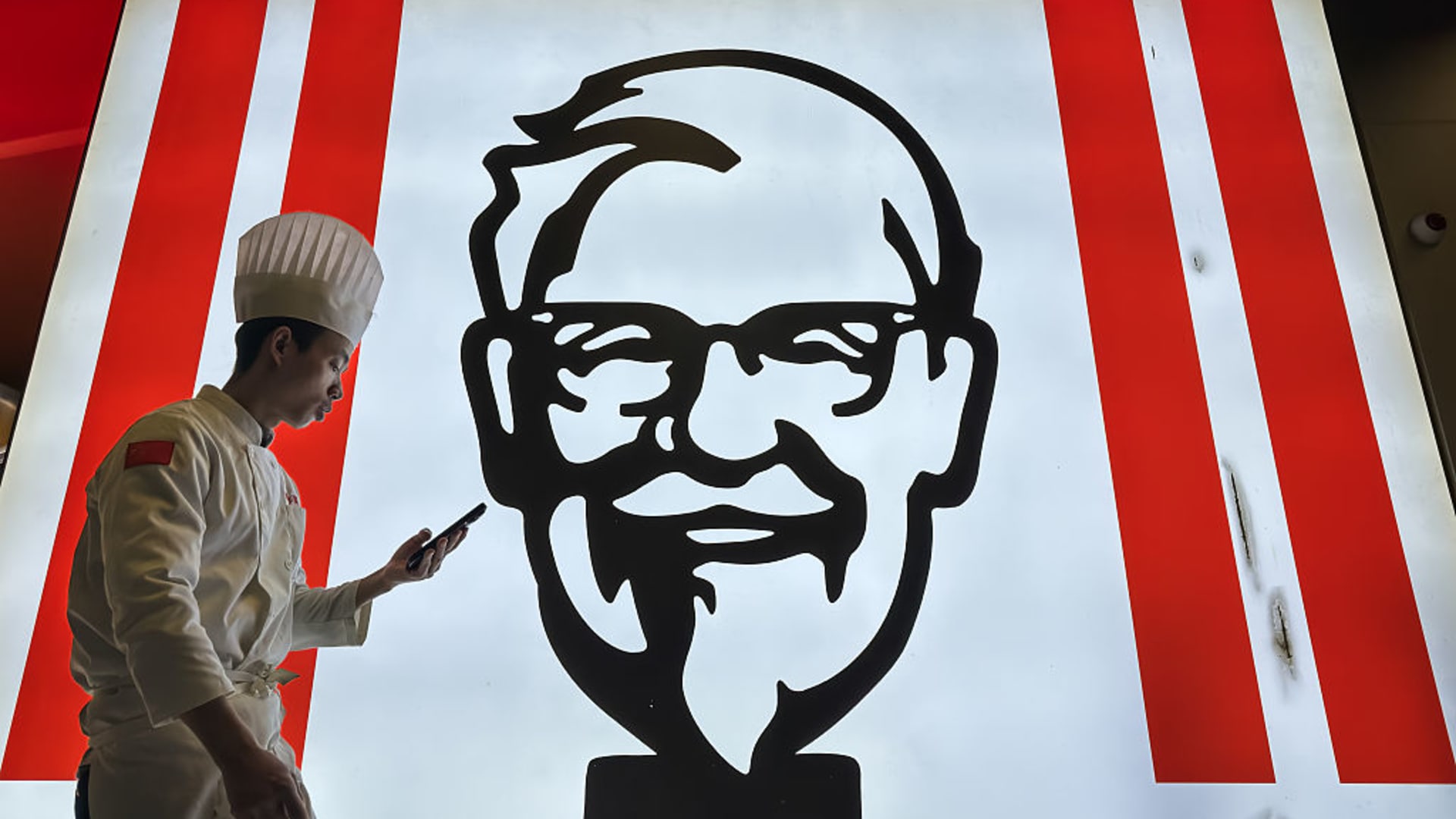
- Integrated Charging and Dining: BYD has partnered with KFC to introduce 'nine-minute' drive-thrus across China, leveraging its second-generation Blade battery that charges 97% in nine minutes, aiming to enhance the efficiency of dining and charging for EV users.
- Smart Ordering Feature: The newly launched smart ordering system will be progressively integrated into BYD's passenger vehicles, allowing drivers to place orders via the onboard interface while displaying KFC drive-thru locations along their route, thereby improving user convenience and experience.
- Charging Station Network Expansion: BYD has completed 5,000 fast charging stations in China and plans to build a total of 20,000 by year-end, addressing the pain points of EV owners regarding charging infrastructure and enhancing coverage.
- Market Challenges and Opportunities: Despite a 30% year-on-year decline in sales for Q1 2025, the collaboration with KFC is expected to attract more consumers, particularly against the backdrop of the growing fast-food market in China, further solidifying BYD's market leadership.
See More
Indian Businesses Visit China to Strengthen Cooperation

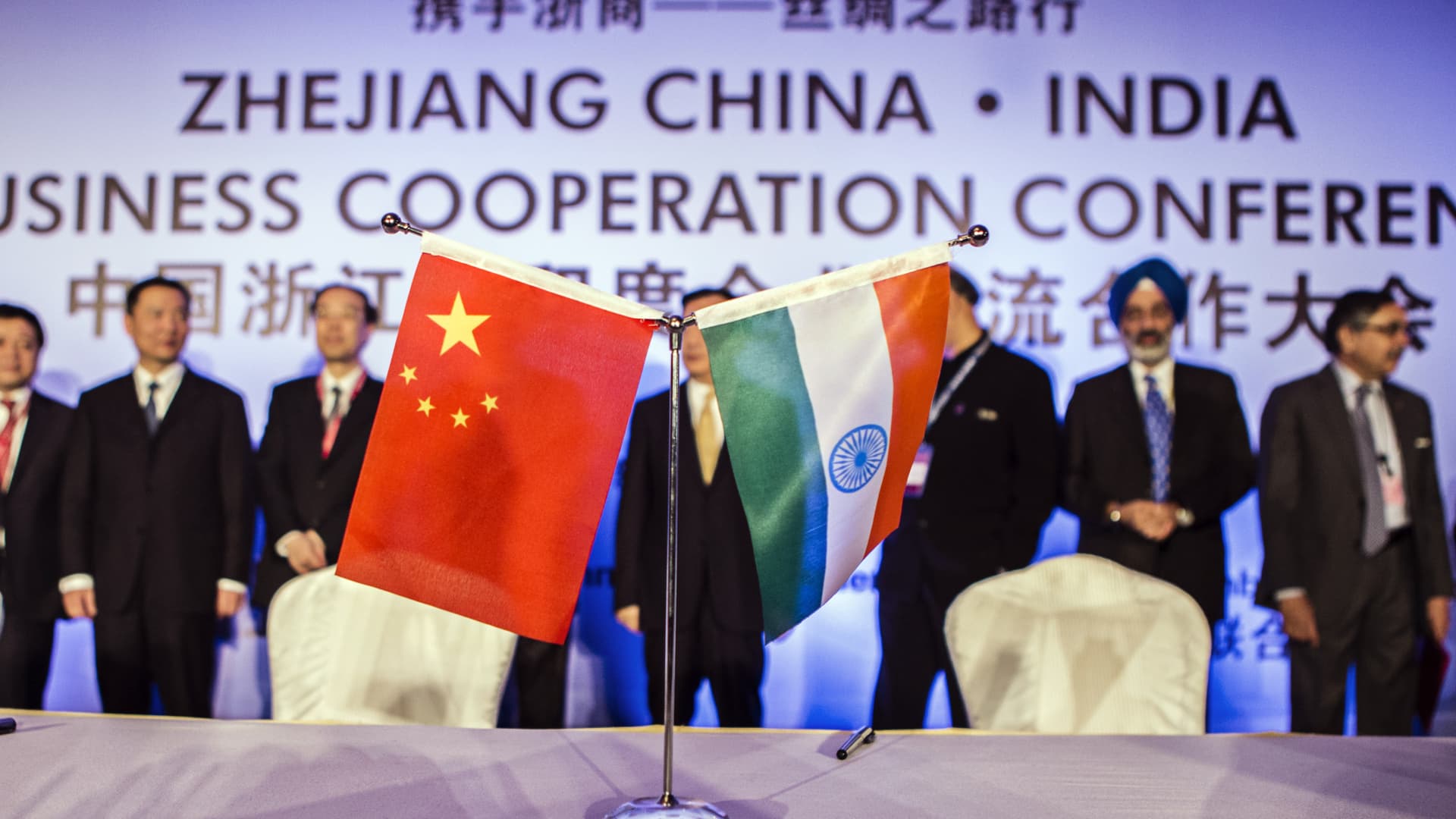
- First Delegation Visit: For the first time in over five years, an Indian business delegation visited China, meeting with eight Chinese firms from Shanghai, Zhejiang, and Wuxi, highlighting potential collaborations in electric vehicle charging and renewable energy sectors.
- Energy Security Focus: As the world's third-largest oil importer, India faces energy supply risks from Middle Eastern conflicts, prompting companies to seek technological partnerships with China to enhance EV charging infrastructure, aiming for electric vehicles to constitute 30% of total sales by 2030.
- Investment Policy Easing: The Indian government has recently relaxed restrictions on Chinese investments, marking a gradual improvement in bilateral relations, although this progress remains cautious and incremental, reflecting mutual interest in technology transfer and joint ventures.
- Complementary Market Potential: With China's strengths in rare earth elements and battery technology, India recognizes that commercial engagement with China is crucial for competitiveness in emerging tech sectors, establishing a foundation for future collaboration based on market complementarity.
See More

European Auto Industry Shifts to Defense Manufacturing Amid Crisis

- Crisis Deepens: The European automotive industry is experiencing a structural crisis characterized by slowing electric vehicle demand, lost market share to Chinese competitors, and rising borrowing costs, leading to sales volumes significantly below pre-pandemic levels, which adversely affects profitability and market confidence.
- Shift to Defense Manufacturing: Renault's announcement to develop ground-based drones and its partnership with defense group Turgis Gaillard for aerial drones indicate a strategic pivot by automakers seeking diversification in response to market challenges, aiming to leverage growth opportunities in the defense sector to alleviate current difficulties.
- Intensifying Market Competition: According to ACEA data, BYD reported a staggering 175% year-on-year increase in new car sales, reaching 13,982 units, while European automakers like Volkswagen have seen their stock prices plummet over 60% in the past five years, highlighting the strong performance of Chinese brands and the threat they pose to the European automotive industry.
- Employment and Ethical Challenges: Volkswagen plans to cut approximately 35,000 jobs by 2030, and while collaboration with Israeli defense firm Rafael may preserve some positions, unions warn that the significant differences in production models between the defense and automotive sectors make it unrealistic to resolve the structural issues facing the auto industry.
See More
Tesla's Deliveries Fall Short of Expectations

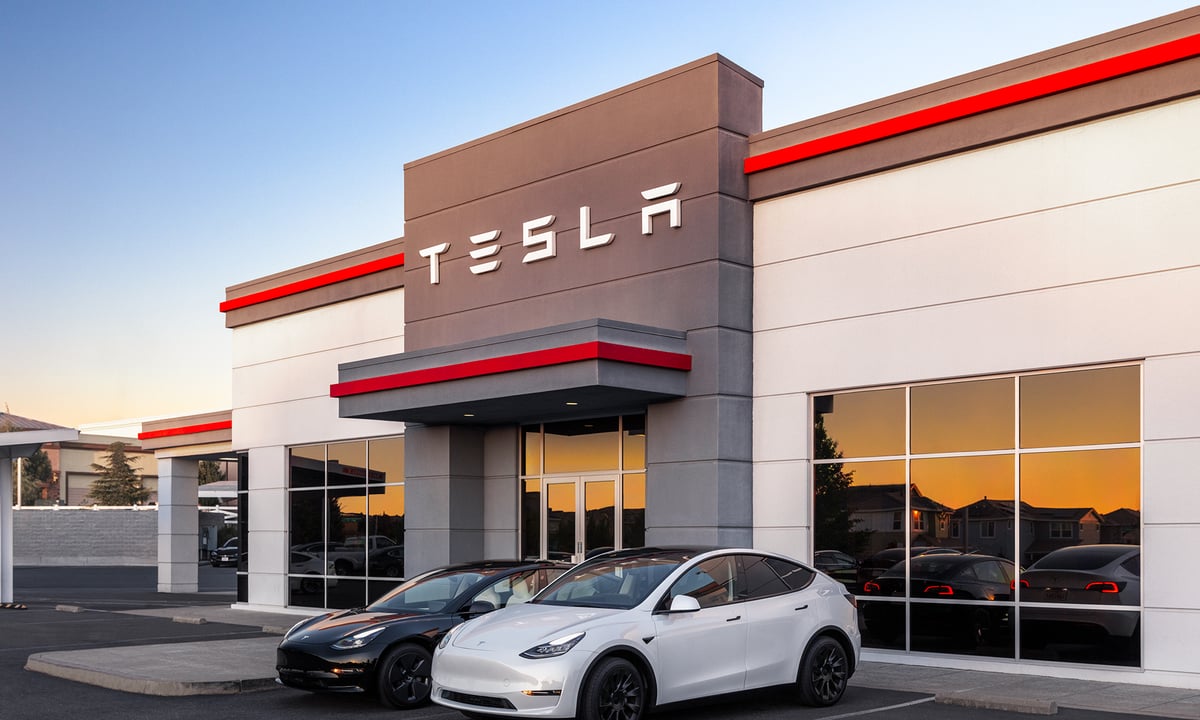
- Delivery Decline: Tesla delivered 358,023 vehicles in Q1, falling short of the 370,000 expected by analysts, indicating ongoing demand pressures despite a 6% year-over-year increase.
- Intensifying Competition: Chinese EV maker BYD delivered over 321,000 vehicles in Q1, nearly 90% of Tesla's total global deliveries, highlighting challenges to Tesla's market share.
- Market Share Shift: BYD's March deliveries reached 300,222 vehicles, accounting for about 84% of Tesla's total Q1 deliveries, although its annual deliveries fell by 20.5%, reflecting macroeconomic and competitive pressures.
- Uncertain Future Outlook: Tesla's stock performance is increasingly divorced from its core EV operations, prompting investors to consider the potential success of growth bets like robotaxi services and the Optimus humanoid robots.
See More

Tesla Q1 Delivery Analysis Amidst Competitive Pressure
- Year-over-Year Growth: Tesla's Q1 deliveries reached 358,023 vehicles, marking a 6% increase from 336,681 vehicles in the same quarter last year, yet falling short of the 370,000 vehicle target set by analysts, indicating ongoing pressures in the EV market.
- Quarterly Decline: Deliveries dropped 14% sequentially from the previous quarter, suggesting that despite seasonal sales factors, the company is facing significant demand challenges that could impact its future market share.
- Intensifying Competition: Chinese EV manufacturers BYD and Nio are outperforming Tesla in market share and growth, with BYD delivering 300,222 vehicles in Q1, nearly 84% of Tesla's total global deliveries, highlighting Tesla's competitive disadvantages.
- Investor Focus Shift: Given BYD and Nio's robust growth, investors may reassess their positions in Tesla, especially in the context of prioritizing market share and growth, as Tesla's stock performance increasingly diverges from its core EV operations.
See More
Tesla Reports 14% Drop in Q1 Deliveries Amidst Increased Competition
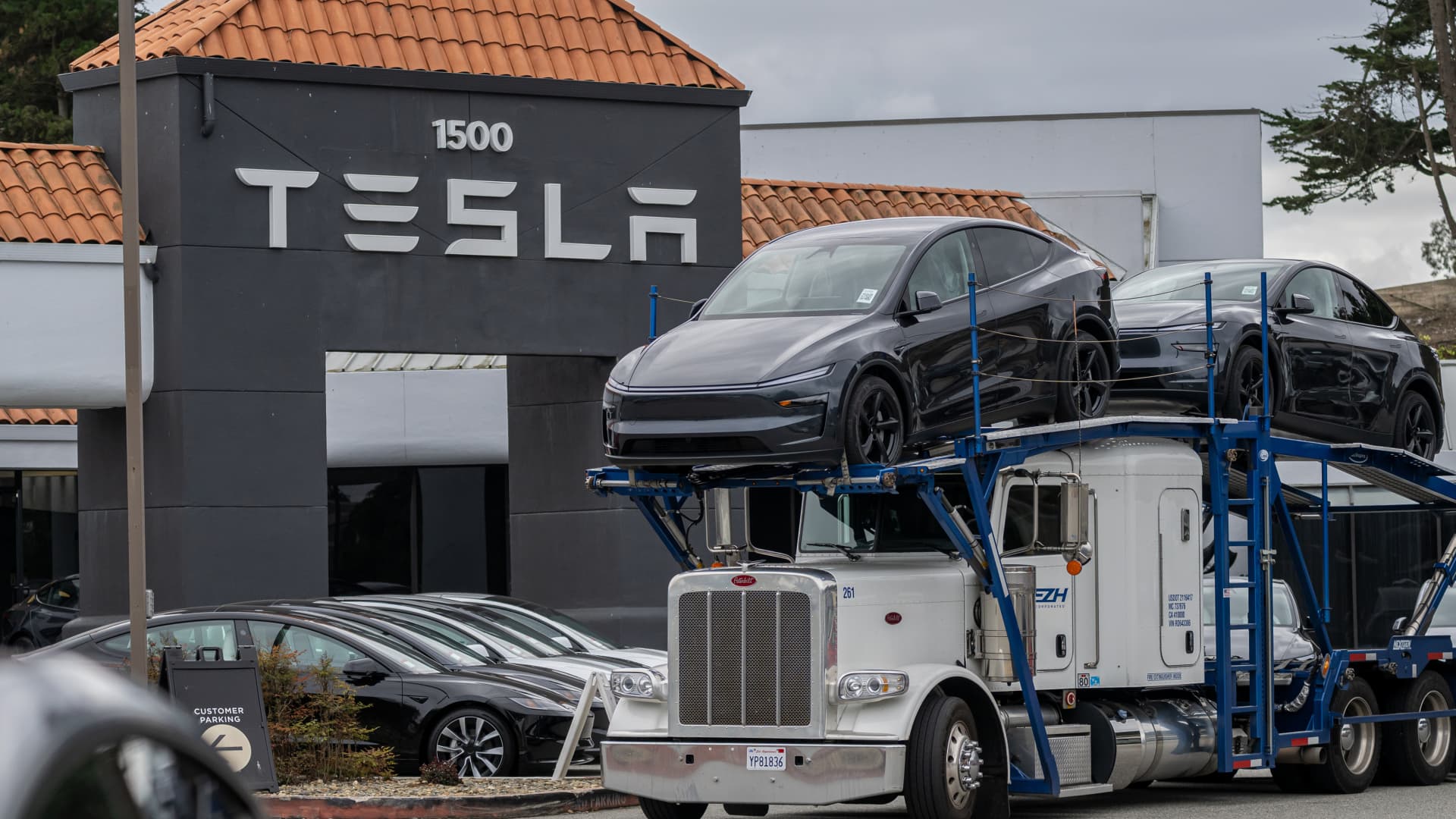
- Declining Deliveries: Tesla reported Q1 vehicle deliveries of 358,023, a 14% decrease from the previous quarter, although this reflects a 6% year-over-year increase, indicating the need for improved sales strategies amidst fierce competition to maintain market share.
- Production Challenges: The production volume for Q1 was 408,386 vehicles, falling short of analysts' expectations of 370,000, highlighting a gap between production capacity and market demand that could impact future financial performance.
- New Product Strategy: Tesla has ceased production of its flagship Model S and X vehicles, reallocating production lines to develop the Optimus robot, although this shift has yet to yield significant sales, reflecting uncertainty in the company's new business direction.
- Energy Business Performance: The deployment of battery energy storage systems in Q1 was 8.8 GWh, down from 10.4 GWh a year earlier, indicating increased competition in the energy market that may affect Tesla's long-term growth potential in renewable energy.
See More
BYD Partners with KFC for Fast Charging Experience
- Integrated Charging and Dining: BYD has partnered with KFC to introduce 'nine-minute' drive-thrus across China, leveraging its second-generation Blade battery that charges 97% in nine minutes, aiming to enhance the efficiency of dining and charging for EV users.
- Smart Ordering Feature: The newly launched smart ordering system will be progressively integrated into BYD's passenger vehicles, allowing drivers to place orders via the onboard interface while displaying KFC drive-thru locations along their route, thereby improving user convenience and experience.
- Charging Station Network Expansion: BYD has completed 5,000 fast charging stations in China and plans to build a total of 20,000 by year-end, addressing the pain points of EV owners regarding charging infrastructure and enhancing coverage.
- Market Challenges and Opportunities: Despite a 30% year-on-year decline in sales for Q1 2025, the collaboration with KFC is expected to attract more consumers, particularly against the backdrop of the growing fast-food market in China, further solidifying BYD's market leadership.
See More
Indian Businesses Visit China to Strengthen Cooperation
- First Delegation Visit: For the first time in over five years, an Indian business delegation visited China, meeting with eight Chinese firms from Shanghai, Zhejiang, and Wuxi, highlighting potential collaborations in electric vehicle charging and renewable energy sectors.
- Energy Security Focus: As the world's third-largest oil importer, India faces energy supply risks from Middle Eastern conflicts, prompting companies to seek technological partnerships with China to enhance EV charging infrastructure, aiming for electric vehicles to constitute 30% of total sales by 2030.
- Investment Policy Easing: The Indian government has recently relaxed restrictions on Chinese investments, marking a gradual improvement in bilateral relations, although this progress remains cautious and incremental, reflecting mutual interest in technology transfer and joint ventures.
- Complementary Market Potential: With China's strengths in rare earth elements and battery technology, India recognizes that commercial engagement with China is crucial for competitiveness in emerging tech sectors, establishing a foundation for future collaboration based on market complementarity.
See More
European Auto Industry Shifts to Defense Manufacturing Amid Crisis
- Crisis Deepens: The European automotive industry is experiencing a structural crisis characterized by slowing electric vehicle demand, lost market share to Chinese competitors, and rising borrowing costs, leading to sales volumes significantly below pre-pandemic levels, which adversely affects profitability and market confidence.
- Shift to Defense Manufacturing: Renault's announcement to develop ground-based drones and its partnership with defense group Turgis Gaillard for aerial drones indicate a strategic pivot by automakers seeking diversification in response to market challenges, aiming to leverage growth opportunities in the defense sector to alleviate current difficulties.
- Intensifying Market Competition: According to ACEA data, BYD reported a staggering 175% year-on-year increase in new car sales, reaching 13,982 units, while European automakers like Volkswagen have seen their stock prices plummet over 60% in the past five years, highlighting the strong performance of Chinese brands and the threat they pose to the European automotive industry.
- Employment and Ethical Challenges: Volkswagen plans to cut approximately 35,000 jobs by 2030, and while collaboration with Israeli defense firm Rafael may preserve some positions, unions warn that the significant differences in production models between the defense and automotive sectors make it unrealistic to resolve the structural issues facing the auto industry.
See More
Tesla's Deliveries Fall Short of Expectations
- Delivery Decline: Tesla delivered 358,023 vehicles in Q1, falling short of the 370,000 expected by analysts, indicating ongoing demand pressures despite a 6% year-over-year increase.
- Intensifying Competition: Chinese EV maker BYD delivered over 321,000 vehicles in Q1, nearly 90% of Tesla's total global deliveries, highlighting challenges to Tesla's market share.
- Market Share Shift: BYD's March deliveries reached 300,222 vehicles, accounting for about 84% of Tesla's total Q1 deliveries, although its annual deliveries fell by 20.5%, reflecting macroeconomic and competitive pressures.
- Uncertain Future Outlook: Tesla's stock performance is increasingly divorced from its core EV operations, prompting investors to consider the potential success of growth bets like robotaxi services and the Optimus humanoid robots.
See More
Tesla Q1 Delivery Analysis Amidst Competitive Pressure
- Year-over-Year Growth: Tesla's Q1 deliveries reached 358,023 vehicles, marking a 6% increase from 336,681 vehicles in the same quarter last year, yet falling short of the 370,000 vehicle target set by analysts, indicating ongoing pressures in the EV market.
- Quarterly Decline: Deliveries dropped 14% sequentially from the previous quarter, suggesting that despite seasonal sales factors, the company is facing significant demand challenges that could impact its future market share.
- Intensifying Competition: Chinese EV manufacturers BYD and Nio are outperforming Tesla in market share and growth, with BYD delivering 300,222 vehicles in Q1, nearly 84% of Tesla's total global deliveries, highlighting Tesla's competitive disadvantages.
- Investor Focus Shift: Given BYD and Nio's robust growth, investors may reassess their positions in Tesla, especially in the context of prioritizing market share and growth, as Tesla's stock performance increasingly diverges from its core EV operations.
See More
Tesla Reports 14% Drop in Q1 Deliveries Amidst Increased Competition
- Declining Deliveries: Tesla reported Q1 vehicle deliveries of 358,023, a 14% decrease from the previous quarter, although this reflects a 6% year-over-year increase, indicating the need for improved sales strategies amidst fierce competition to maintain market share.
- Production Challenges: The production volume for Q1 was 408,386 vehicles, falling short of analysts' expectations of 370,000, highlighting a gap between production capacity and market demand that could impact future financial performance.
- New Product Strategy: Tesla has ceased production of its flagship Model S and X vehicles, reallocating production lines to develop the Optimus robot, although this shift has yet to yield significant sales, reflecting uncertainty in the company's new business direction.
- Energy Business Performance: The deployment of battery energy storage systems in Q1 was 8.8 GWh, down from 10.4 GWh a year earlier, indicating increased competition in the energy market that may affect Tesla's long-term growth potential in renewable energy.
See More