Bloom Energy signs fuel cell agreement with AEP for AI data centers
Supply Agreement Details: Bloom Energy has signed a supply agreement with American Electric Power for up to 1 GW of fuel cells, marking the largest commercial procurement of fuel cells globally.
Future Expansion Plans: AEP has initially ordered 100 MW of fuel cells, with additional orders anticipated in 2025, aimed at supporting power needs for AI data centers.
Trade with 70% Backtested Accuracy
Analyst Views on BE

About BE
About the author

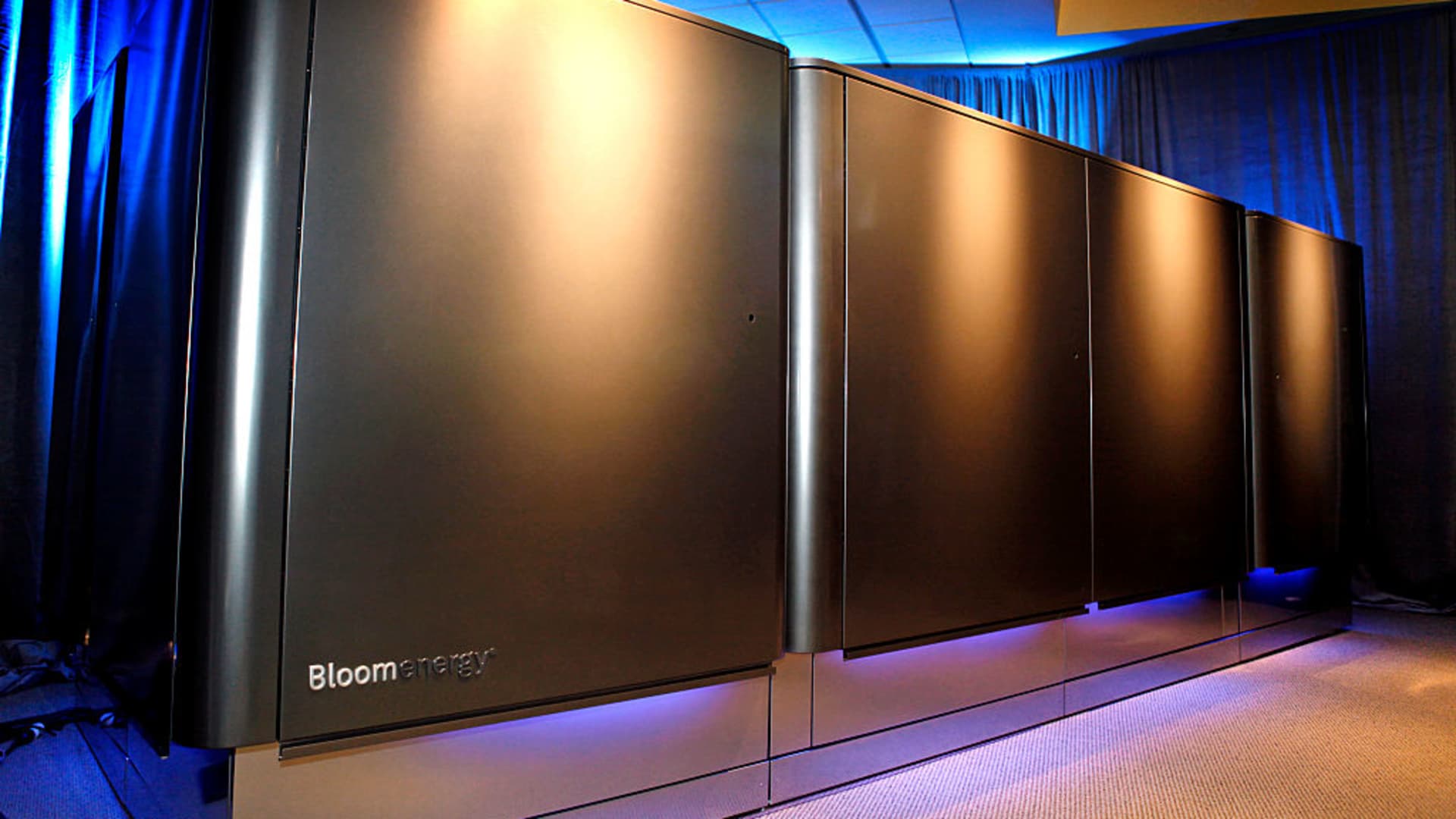
BLOOM ENERGY STOCK RISES 14.4% IN PREMARKET TRADING FOLLOWING Q1 REVENUE BEAT AND 2026 GROWTH OUTLOOK UPGRADE

Bloom Energy Share Performance: Bloom Energy shares increased by 14.4% in pre-market trading following positive developments.
Q1 Earnings Beat: The company reported earnings that exceeded analysts' expectations for the first quarter.
Revised Growth Estimates: Bloom Energy has updated its revenue growth outlook for 2026, indicating a more optimistic forecast.
Market Reaction: The positive earnings report and revised estimates have led to a favorable response from investors.

Bloom Energy Expands Partnership with Oracle for 2.8 GW Fuel Cell Systems

- Partnership Expansion: Bloom Energy has expanded its partnership with Oracle, which plans to procure up to 2.8 GW of solid-oxide fuel cell systems, with 1.2 GW already contracted for deployment at Oracle's U.S. AI and cloud data centers, significantly enhancing Oracle's energy efficiency in the AI sector.
- Strong Financial Performance: Bloom Energy reported a revenue of $751.1 million for the March quarter, a 130% increase year-over-year, easily surpassing market expectations of $540.02 million, indicating robust demand and growth potential in the fuel cell market.
- Upgraded Outlook: The company raised its 2026 revenue outlook to between $3.4 billion and $3.8 billion, implying approximately 80% growth at the midpoint, reflecting optimistic market sentiment, with multiple brokerages raising their price targets accordingly.
- Positive Market Sentiment: Retail sentiment for Bloom Energy remains in the 'extremely bullish' territory, accompanied by extremely high message volumes, indicating strong investor confidence in the company's future performance, further driving its stock price upward.
Fuelcell Energy Shares Surge Following Bloom Energy's Q1 Results

- Stock Surge: Fuelcell Energy shares rose 5.6% in Wednesday's after-hours trading, primarily driven by Bloom Energy's strong Q1 results, reflecting growing market optimism about alternative energy; if gains persist, FCEL is on track for its best monthly performance in over five years.
- Pipeline Growth: The company recently announced a 275% increase in its business development pipeline since February 2025, with most growth attributed to data center customers, indicating strong potential in the rapidly expanding clean energy market.
- Q2 Earnings Expectations: Fuelcell Energy is set to report its Q2 results on June 5, with analysts forecasting an 11% revenue growth to $41.64 million; if Bloom Energy's performance serves as an indicator, Fuelcell is likely to exceed expectations.
- Retail Sentiment Shift: On Stocktwits, retail sentiment around FCEL stock jumped from 'bullish' to 'extremely bullish' in the past 24 hours, indicating a significant increase in investor attention and confidence, although some investors expressed concerns about potential short-term pullbacks.

Shift in Tech Stock Investment Preferences


- Earnings Growth Insufficient: Jim Cramer highlights that investors are now favoring companies facing supply shortages over those merely delivering earnings growth, indicating a market shift towards valuing scarcity.
- Mixed Reactions from Giants: On Wednesday, four mega-cap tech companies—Alphabet, Amazon, Meta, and Microsoft—reported earnings, with two experiencing declines in after-hours trading, reflecting a waning investor enthusiasm compared to the past.
- Opportunities in Supply Constraints: Companies like Seagate and NXP Semiconductors saw stock price increases due to supply limitations, with Cramer noting that Seagate's tight supply in data storage hardware indicates strong market demand for such products.
- Return of Old Tech: Cramer points out that despite Meta achieving its fastest revenue growth in five years, its stock fell due to investor skepticism about spending returns, suggesting that even traditional tech companies may perform better in the current market landscape.

Mixed Close for US Stocks as Oil Prices Surge


- Oil Price Surge Impacts Market: WTI crude oil prices surged over 6% on Wednesday to a three-week high due to the US maintaining its naval blockade of Iran, raising inflation expectations and negatively impacting the stock market.
- Fed Policy Influence: The Federal Reserve kept the federal funds rate unchanged at 3.50% to 3.75% during its latest meeting, despite dissent from four members against easing bias, reflecting concerns over economic uncertainty that may dampen investor confidence.
- Strong Tech Stock Performance: The Nasdaq 100 index rose 0.58%, driven by strong earnings from NXP Semiconductors and Seagate Technology, with shares up 25% and over 10% respectively, indicating robust demand for AI infrastructure.
- Housing Data Exceeds Expectations: US March housing starts unexpectedly rose 10.8% to 1.502 million, significantly surpassing the expected decline to 1.380 million, demonstrating resilience in the housing market that could provide support for stocks.

New Trends in Tech Stock Investment

- Shift in Tech Stock Dynamics: Jim Cramer highlighted that merely beating earnings is no longer sufficient for tech stocks to rally, as the market increasingly favors scarcity over scale, indicating a shift in investor preferences towards constrained supply.
- Meta's Revenue Growth: Despite reporting its fastest revenue growth in five years, Meta's shares fell in after-hours trading, reflecting investor concerns over the returns on its rising expenditures, which suggests a waning confidence in traditional tech giants.
- Beneficiaries of Supply Constraints: Companies like Seagate and Bloom Energy saw stock price increases due to tight supply linked to data center demand, with Cramer noting that their limited manufacturing capacity has made their products highly sought after by investors.
- Automotive Chip Shortage: NXP Semiconductors experienced a significant stock surge due to an unexpected shortage of automotive chips, with Cramer stating that as cars become more software-defined, NXP has become a must-have for investors, illustrating a renewed interest in older tech sectors.
BLOOM ENERGY STOCK RISES 14.4% IN PREMARKET TRADING FOLLOWING Q1 REVENUE BEAT AND 2026 GROWTH OUTLOOK UPGRADE
Bloom Energy Share Performance: Bloom Energy shares increased by 14.4% in pre-market trading following positive developments.
Q1 Earnings Beat: The company reported earnings that exceeded analysts' expectations for the first quarter.
Revised Growth Estimates: Bloom Energy has updated its revenue growth outlook for 2026, indicating a more optimistic forecast.
Market Reaction: The positive earnings report and revised estimates have led to a favorable response from investors.
Bloom Energy Expands Partnership with Oracle for 2.8 GW Fuel Cell Systems
- Partnership Expansion: Bloom Energy has expanded its partnership with Oracle, which plans to procure up to 2.8 GW of solid-oxide fuel cell systems, with 1.2 GW already contracted for deployment at Oracle's U.S. AI and cloud data centers, significantly enhancing Oracle's energy efficiency in the AI sector.
- Strong Financial Performance: Bloom Energy reported a revenue of $751.1 million for the March quarter, a 130% increase year-over-year, easily surpassing market expectations of $540.02 million, indicating robust demand and growth potential in the fuel cell market.
- Upgraded Outlook: The company raised its 2026 revenue outlook to between $3.4 billion and $3.8 billion, implying approximately 80% growth at the midpoint, reflecting optimistic market sentiment, with multiple brokerages raising their price targets accordingly.
- Positive Market Sentiment: Retail sentiment for Bloom Energy remains in the 'extremely bullish' territory, accompanied by extremely high message volumes, indicating strong investor confidence in the company's future performance, further driving its stock price upward.
Fuelcell Energy Shares Surge Following Bloom Energy's Q1 Results
- Stock Surge: Fuelcell Energy shares rose 5.6% in Wednesday's after-hours trading, primarily driven by Bloom Energy's strong Q1 results, reflecting growing market optimism about alternative energy; if gains persist, FCEL is on track for its best monthly performance in over five years.
- Pipeline Growth: The company recently announced a 275% increase in its business development pipeline since February 2025, with most growth attributed to data center customers, indicating strong potential in the rapidly expanding clean energy market.
- Q2 Earnings Expectations: Fuelcell Energy is set to report its Q2 results on June 5, with analysts forecasting an 11% revenue growth to $41.64 million; if Bloom Energy's performance serves as an indicator, Fuelcell is likely to exceed expectations.
- Retail Sentiment Shift: On Stocktwits, retail sentiment around FCEL stock jumped from 'bullish' to 'extremely bullish' in the past 24 hours, indicating a significant increase in investor attention and confidence, although some investors expressed concerns about potential short-term pullbacks.
Shift in Tech Stock Investment Preferences
- Earnings Growth Insufficient: Jim Cramer highlights that investors are now favoring companies facing supply shortages over those merely delivering earnings growth, indicating a market shift towards valuing scarcity.
- Mixed Reactions from Giants: On Wednesday, four mega-cap tech companies—Alphabet, Amazon, Meta, and Microsoft—reported earnings, with two experiencing declines in after-hours trading, reflecting a waning investor enthusiasm compared to the past.
- Opportunities in Supply Constraints: Companies like Seagate and NXP Semiconductors saw stock price increases due to supply limitations, with Cramer noting that Seagate's tight supply in data storage hardware indicates strong market demand for such products.
- Return of Old Tech: Cramer points out that despite Meta achieving its fastest revenue growth in five years, its stock fell due to investor skepticism about spending returns, suggesting that even traditional tech companies may perform better in the current market landscape.
Mixed Close for US Stocks as Oil Prices Surge
- Oil Price Surge Impacts Market: WTI crude oil prices surged over 6% on Wednesday to a three-week high due to the US maintaining its naval blockade of Iran, raising inflation expectations and negatively impacting the stock market.
- Fed Policy Influence: The Federal Reserve kept the federal funds rate unchanged at 3.50% to 3.75% during its latest meeting, despite dissent from four members against easing bias, reflecting concerns over economic uncertainty that may dampen investor confidence.
- Strong Tech Stock Performance: The Nasdaq 100 index rose 0.58%, driven by strong earnings from NXP Semiconductors and Seagate Technology, with shares up 25% and over 10% respectively, indicating robust demand for AI infrastructure.
- Housing Data Exceeds Expectations: US March housing starts unexpectedly rose 10.8% to 1.502 million, significantly surpassing the expected decline to 1.380 million, demonstrating resilience in the housing market that could provide support for stocks.
New Trends in Tech Stock Investment
- Shift in Tech Stock Dynamics: Jim Cramer highlighted that merely beating earnings is no longer sufficient for tech stocks to rally, as the market increasingly favors scarcity over scale, indicating a shift in investor preferences towards constrained supply.
- Meta's Revenue Growth: Despite reporting its fastest revenue growth in five years, Meta's shares fell in after-hours trading, reflecting investor concerns over the returns on its rising expenditures, which suggests a waning confidence in traditional tech giants.
- Beneficiaries of Supply Constraints: Companies like Seagate and Bloom Energy saw stock price increases due to tight supply linked to data center demand, with Cramer noting that their limited manufacturing capacity has made their products highly sought after by investors.
- Automotive Chip Shortage: NXP Semiconductors experienced a significant stock surge due to an unexpected shortage of automotive chips, with Cramer stating that as cars become more software-defined, NXP has become a must-have for investors, illustrating a renewed interest in older tech sectors.