Eli Lilly's Foundayo Weight Loss Pill Launches Successfully
Written by Emily J. Thompson, Senior Investment Analyst
Updated: 1 hour ago
0mins
Should l Buy LLY?
Source: seekingalpha
- Strong Market Demand: Eli Lilly CEO Dave Ricks stated that over 20,000 patients have started using the newly launched Foundayo weight loss pill within weeks, indicating robust market demand, although prescription numbers still lag behind competitor Novo Nordisk's Wegovy.
- Daily New User Growth: Currently, more than 1,000 new patients initiate Foundayo therapy each day, with over 80% being first-time users of GLP-1 drugs, suggesting strong appeal among new users that could drive future sales growth.
- Prescription Comparison: According to IQVIA data, Foundayo prescriptions reached 3,707 for the week ending April 17, compared to 18,410 for Wegovy, indicating initial performance below that of competitors, yet Ricks remains optimistic about the drug's market potential.
- Optimistic Long-Term Outlook: Ricks emphasized that Foundayo's market performance will improve over time, urging patience from the market, which reflects the company's positive outlook for sales growth in the coming quarters, potentially boosting investor confidence.
Trade with 70% Backtested Accuracy
Stop guessing "Should I Buy LLY?" and start using high-conviction signals backed by rigorous historical data.
Sign up today to access powerful investing tools and make smarter, data-driven decisions.
Analyst Views on LLY
Wall Street analysts forecast LLY stock price to rise
20 Analyst Rating
18 Buy
2 Hold
0 Sell
Strong Buy
Current: 851.210

Low
950.00
Averages
1192
High
1500
Current: 851.210
Low
950.00
Averages
1192
High
1500
About LLY
Eli Lilly and Company is a medicine company, which discovers, develops, manufactures, and market products in a single business segment called human pharmaceutical products. The Company manufacture and distribute its products through facilities in the United States, including Puerto Rico, and in Europe and Asia. The Company’s products are sold in approximately 90 countries. Its Cardiometabolic Health products Basaglar; Humalog, Humalog Mix 75/25, Humalog U-100, Humalog U-200, Humalog Mix 50/50, insulin lispro, and others; Humulin, Humulin 70/30, and others; Jardiance; Mounjaro; Trulicity; Zepbound, and others. Its oncology products include Cyramza, Erbitux, Tyvyt, Verzenio, Retevmo, Jaypirca, and others. Its immunology products include Ebglyss, Olumiant, Omvoh, and Taltz. Its neuroscience products include Emgality and Kisunla. Its LillyDirect, a direct-to-patient digital health care platform, provides delivery of select Lilly medicines dispensed by third-party pharmacies to patients.
About the author

Emily J. Thompson
Emily J. Thompson, a Chartered Financial Analyst (CFA) with 12 years in investment research, graduated with honors from the Wharton School. Specializing in industrial and technology stocks, she provides in-depth analysis for Intellectia’s earnings and market brief reports.

LILLY Q1 ADJUSTED EPS REACHES USD 8.55, BEATING IBES ESTIMATE OF USD 6.66
Economic Adjustments: The report indicates an adjusted earnings per share (EPS) of $8.55, reflecting a positive outlook for the company.
Comparison with Estimates: This adjusted EPS surpasses the estimated EPS of $6.66, suggesting stronger-than-expected financial performance.
See More
Eli Lilly Q1 Earnings Forecast
- Earnings Release Date: Eli Lilly & Co. is set to announce its Q1 earnings on April 30, which is highly anticipated by the market and expected to provide insights into the company's latest developments in drug research and market performance.
- Earnings Per Share Expectation: Analysts forecast that Eli Lilly's Q1 earnings per share will reach $6.79, a significant increase from $3.34 in the same period last year, indicating a robust recovery in drug sales and market demand.
- Stock Price Movement: Despite the optimistic outlook for the earnings report, Eli Lilly's stock fell by 2.6% on Wednesday, likely influenced by overall market sentiment and profit-taking by investors, reflecting short-term market uncertainties.
- Market Reaction Analysis: Analysts maintain a cautiously optimistic view on the upcoming earnings report, anticipating that strong earnings growth will provide funding for future investments and research, thereby enhancing the company's competitive position in the pharmaceutical industry.
See More
FDA Proposes Exclusion of Weight Loss Drug Ingredients
- FDA Proposal: The U.S. Food and Drug Administration (FDA) has proposed to exclude Semaglutide and Tirzepatide from the 503B bulk list, limiting the compounding capabilities of outsourcing facilities, which may impact the market supply and accessibility of these drugs.
- Insufficient Clinical Need: The FDA stated that after reviewing available data, it found no clear clinical need to allow compounding of these drugs from raw ingredients, emphasizing patient safety and medical necessity, which could lead to restrictions on the use of related medications.
- Quality and Safety Concerns: The FDA has expressed concerns regarding the quality and safety of compounded weight-loss drugs, noting that these drugs are not reviewed by the FDA, which may pose risks such as improper storage, dosing errors, and counterfeit products, thereby affecting patient health.
- Market Reaction: Following the FDA proposal, shares of Eli Lilly and Novo Nordisk rose by 9% and 5%, respectively, indicating increased market confidence in the FDA-approved drugs from these companies, while Hims & Hers and Teladoc Health saw slight declines, reflecting market concerns over compounded medications.
See More

Eli Lilly Surpasses Q1 Earnings Expectations with Strong Guidance Raise
- Earnings Beat: Eli Lilly reported Q1 earnings of $8.55 per share, exceeding analyst expectations of $6.97, with sales reaching $19.8 billion, reflecting a robust year-over-year growth of 56% that underscores the company's strong market position.
- Significant Profit Growth: Driven by GLP-1 drugs, Lilly's profits surged 170% year-over-year, highlighting its competitive edge in the rapidly expanding obesity drug market, despite a 13% decline in prices due to increasing competition.
- Increased Drug Shipments: Lilly's drug shipments rose by 65% year-over-year, and while revenue growth faced pressure from price declines, the overall increase in volume sets a solid foundation for future growth.
- Diversification Strategy: Lilly is actively expanding into immunology, oncology, and neuroscience, with sales growth of 160%, indicating the company's potential beyond its GLP-1 business, which will help mitigate reliance on a single product line in the future.
See More

Mixed US Stock Market Performance with Divergent Tech Sector Results

- Divergent Tech Performance: Alphabet reported Q1 revenue of $94.57 billion, exceeding the market expectation of $91.57 billion, leading to a stock price increase of over 5%, reflecting strong market demand and a recovery in advertising revenue, which boosts investor confidence.
- Market Reaction: Qualcomm's Q2 adjusted revenue surpassed expectations, with its stock rising over 6%, indicating that its expansion strategy into data centers is yielding results, potentially driving future growth.
- Economic Data Impact: Initial jobless claims in the US fell to 189,000, a 57-year low, showcasing a robust labor market that may influence the Federal Reserve's monetary policy decisions, further supporting the stock market.
- Oil Price Fluctuations: WTI crude oil prices dropped by more than 1% due to concerns that high oil prices could weigh on economic growth, potentially leading to decreased demand and affecting the performance of related energy stocks.
See More
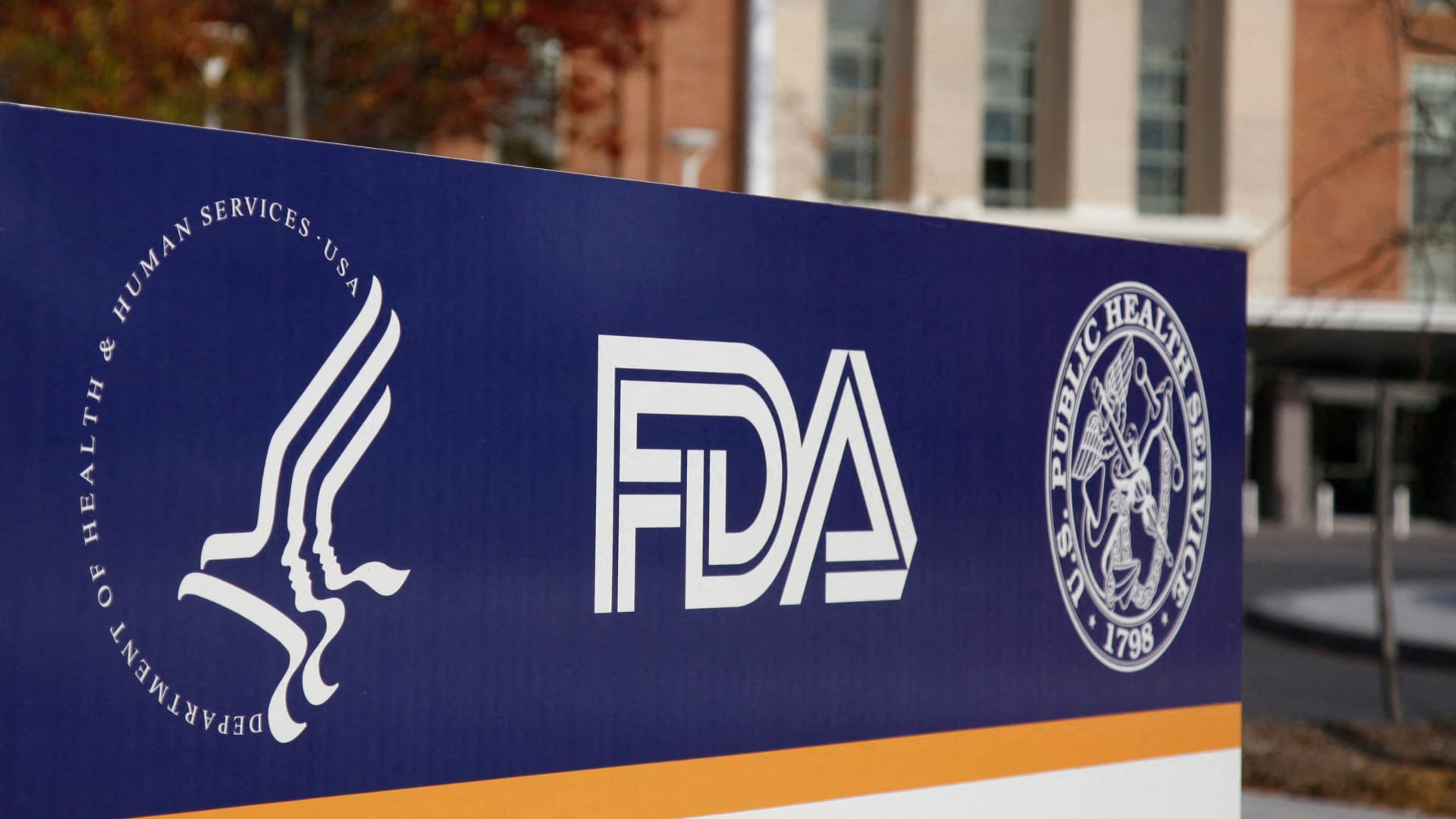
FDA Proposes Limiting Compounding of Obesity Drugs
- FDA Proposal Impact: The FDA's proposal to exclude the active ingredients of Novo Nordisk and Eli Lilly's obesity and diabetes medications from the compounding list could significantly limit the mass compounding of these drugs, potentially leading to higher costs for patients if finalized.
- Clinical Need Assessment: The FDA stated that there is 'no clinical need' for outsourcing facilities to compound these medications from bulk substances, emphasizing that when FDA-approved drugs are available, compounding is not lawful unless a clear clinical need exists, which may affect drug availability in the market.
- Market Response: Novo Nordisk and Eli Lilly have invested billions over recent years to ramp up manufacturing capacity to alleviate supply constraints, while also making efforts to enhance the affordability of their branded medications to attract users who previously opted for cheaper compounded alternatives.
- Regulatory Scope Clarification: The proposal specifically targets 503B outsourcing facilities that manufacture compounded drugs in bulk without prescriptions, while not affecting 503A pharmacies that compound based on individual prescriptions, indicating a tightening of FDA oversight in the compounding market.
See More
LILLY Q1 ADJUSTED EPS REACHES USD 8.55, BEATING IBES ESTIMATE OF USD 6.66
Economic Adjustments: The report indicates an adjusted earnings per share (EPS) of $8.55, reflecting a positive outlook for the company.
Comparison with Estimates: This adjusted EPS surpasses the estimated EPS of $6.66, suggesting stronger-than-expected financial performance.
See More
Eli Lilly Q1 Earnings Forecast
- Earnings Release Date: Eli Lilly & Co. is set to announce its Q1 earnings on April 30, which is highly anticipated by the market and expected to provide insights into the company's latest developments in drug research and market performance.
- Earnings Per Share Expectation: Analysts forecast that Eli Lilly's Q1 earnings per share will reach $6.79, a significant increase from $3.34 in the same period last year, indicating a robust recovery in drug sales and market demand.
- Stock Price Movement: Despite the optimistic outlook for the earnings report, Eli Lilly's stock fell by 2.6% on Wednesday, likely influenced by overall market sentiment and profit-taking by investors, reflecting short-term market uncertainties.
- Market Reaction Analysis: Analysts maintain a cautiously optimistic view on the upcoming earnings report, anticipating that strong earnings growth will provide funding for future investments and research, thereby enhancing the company's competitive position in the pharmaceutical industry.
See More
FDA Proposes Exclusion of Weight Loss Drug Ingredients
- FDA Proposal: The U.S. Food and Drug Administration (FDA) has proposed to exclude Semaglutide and Tirzepatide from the 503B bulk list, limiting the compounding capabilities of outsourcing facilities, which may impact the market supply and accessibility of these drugs.
- Insufficient Clinical Need: The FDA stated that after reviewing available data, it found no clear clinical need to allow compounding of these drugs from raw ingredients, emphasizing patient safety and medical necessity, which could lead to restrictions on the use of related medications.
- Quality and Safety Concerns: The FDA has expressed concerns regarding the quality and safety of compounded weight-loss drugs, noting that these drugs are not reviewed by the FDA, which may pose risks such as improper storage, dosing errors, and counterfeit products, thereby affecting patient health.
- Market Reaction: Following the FDA proposal, shares of Eli Lilly and Novo Nordisk rose by 9% and 5%, respectively, indicating increased market confidence in the FDA-approved drugs from these companies, while Hims & Hers and Teladoc Health saw slight declines, reflecting market concerns over compounded medications.
See More
Eli Lilly Surpasses Q1 Earnings Expectations with Strong Guidance Raise
- Earnings Beat: Eli Lilly reported Q1 earnings of $8.55 per share, exceeding analyst expectations of $6.97, with sales reaching $19.8 billion, reflecting a robust year-over-year growth of 56% that underscores the company's strong market position.
- Significant Profit Growth: Driven by GLP-1 drugs, Lilly's profits surged 170% year-over-year, highlighting its competitive edge in the rapidly expanding obesity drug market, despite a 13% decline in prices due to increasing competition.
- Increased Drug Shipments: Lilly's drug shipments rose by 65% year-over-year, and while revenue growth faced pressure from price declines, the overall increase in volume sets a solid foundation for future growth.
- Diversification Strategy: Lilly is actively expanding into immunology, oncology, and neuroscience, with sales growth of 160%, indicating the company's potential beyond its GLP-1 business, which will help mitigate reliance on a single product line in the future.
See More
Mixed US Stock Market Performance with Divergent Tech Sector Results
- Divergent Tech Performance: Alphabet reported Q1 revenue of $94.57 billion, exceeding the market expectation of $91.57 billion, leading to a stock price increase of over 5%, reflecting strong market demand and a recovery in advertising revenue, which boosts investor confidence.
- Market Reaction: Qualcomm's Q2 adjusted revenue surpassed expectations, with its stock rising over 6%, indicating that its expansion strategy into data centers is yielding results, potentially driving future growth.
- Economic Data Impact: Initial jobless claims in the US fell to 189,000, a 57-year low, showcasing a robust labor market that may influence the Federal Reserve's monetary policy decisions, further supporting the stock market.
- Oil Price Fluctuations: WTI crude oil prices dropped by more than 1% due to concerns that high oil prices could weigh on economic growth, potentially leading to decreased demand and affecting the performance of related energy stocks.
See More
FDA Proposes Limiting Compounding of Obesity Drugs
- FDA Proposal Impact: The FDA's proposal to exclude the active ingredients of Novo Nordisk and Eli Lilly's obesity and diabetes medications from the compounding list could significantly limit the mass compounding of these drugs, potentially leading to higher costs for patients if finalized.
- Clinical Need Assessment: The FDA stated that there is 'no clinical need' for outsourcing facilities to compound these medications from bulk substances, emphasizing that when FDA-approved drugs are available, compounding is not lawful unless a clear clinical need exists, which may affect drug availability in the market.
- Market Response: Novo Nordisk and Eli Lilly have invested billions over recent years to ramp up manufacturing capacity to alleviate supply constraints, while also making efforts to enhance the affordability of their branded medications to attract users who previously opted for cheaper compounded alternatives.
- Regulatory Scope Clarification: The proposal specifically targets 503B outsourcing facilities that manufacture compounded drugs in bulk without prescriptions, while not affecting 503A pharmacies that compound based on individual prescriptions, indicating a tightening of FDA oversight in the compounding market.
See More