Michael Burry, Investor from 'The Big Short,' Places Major Bets Against the AI Revolution


Burry's Investment Strategy: Michael Burry's Scion Asset Management has allocated 80% of its $1.1 billion portfolio to put options against Palantir and Nvidia, indicating skepticism towards the AI sector's growth potential.
Contrarian Perspective: Burry's significant bets against these AI companies raise questions about the sustainability of AI investments, echoing his past warnings about market bubbles and overvaluation.
Market Dynamics: Despite strong earnings from both Palantir and Nvidia, Burry's positions suggest he anticipates a market correction due to factors like slowing AI adoption and economic challenges.
Risks of Shorting: Burry's strategy highlights the risks associated with shorting stocks, particularly for smaller investors, as it can lead to significant losses if the market moves against them.
Trade with 70% Backtested Accuracy
Analyst Views on NVDA

About NVDA
About the author


Nvidia Reports 65% Revenue Growth in Fiscal 2026

- Significant Revenue Growth: Nvidia reported a revenue of $215.9 billion for fiscal 2026, reflecting a 65% year-over-year increase, despite a 10.2% decline in stock price so far in 2026, indicating market concerns about the sustainability of AI infrastructure spending.
- Robust AI Demand Outlook: CEO Jensen Huang announced at the GTC AI Conference that demand for AI systems is projected to reach at least $1 trillion in 2026 and 2027, a substantial increase from the previous estimate of $500 billion, highlighting the long-term trend in AI infrastructure development.
- Diversified Customer Base: Nvidia's business is composed of 60% from hyperscalers and 40% from enterprises, sovereign AI projects, startups, and emerging applications, ensuring that the company is not overly reliant on any single industry, thereby mitigating market risks.
- Continuous Product Innovation: Nvidia is actively launching new products, with ongoing deployments of Hopper systems and ramping up Blackwell systems, while future platforms like Rubin and Feynman are already in development, enhancing the company's competitive edge in the market.
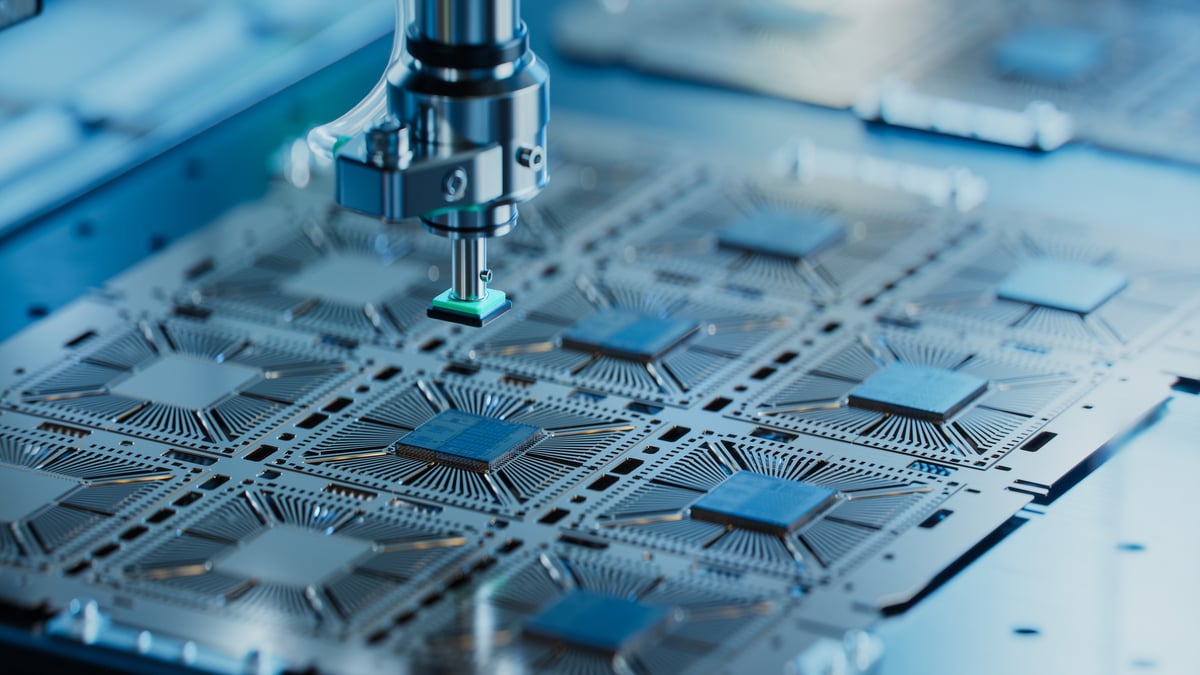
Investors Remain Bullish on Artificial Intelligence Stocks
- Investor Confidence: According to recent research by The Motley Fool, 59% of investors surveyed on March 3, 2026, hold AI stocks, indicating strong investor confidence in AI despite the tech sector's slump.
- Youth Engagement: The survey reveals that Gen Z and millennials have the highest AI stock ownership rates at 67% and 66%, respectively, highlighting the younger generation's keen interest and willingness to invest in future technologies.
- Major Investment Plans: Leading tech giants like Alphabet, Amazon, Meta, and Microsoft are projected to spend between $600 billion and $700 billion on AI data centers by 2026, reflecting their commitment to the AI sector and confidence in future growth.
- Nvidia's Success Story: Nvidia's stock has surged 1,190% over the past five years, exemplifying a successful investment in AI infrastructure, which encourages investors to consider opportunities in this rapidly evolving field.

Zhipu AI Reports Strong Q1 Earnings Growth

- Significant Revenue Growth: Zhipu AI reported a 132% year-over-year revenue increase to 724 million yuan in Q1 2025, although it fell short of the 760 million yuan analyst estimate, indicating both potential and challenges in the rapidly evolving AI market.
- Widening Net Loss: The company posted an adjusted net loss of 3.18 billion yuan, up 29.1% from the previous year, primarily due to increased R&D spending, reflecting ongoing investments in technological innovation amid competitive pressures.
- Technological Advancements and Market Positioning: The recent release of Zhipu's GLM-5 model, which matches U.S. rivals on several key performance metrics, underscores its competitiveness in the global AI landscape and reinforces its status as one of China's
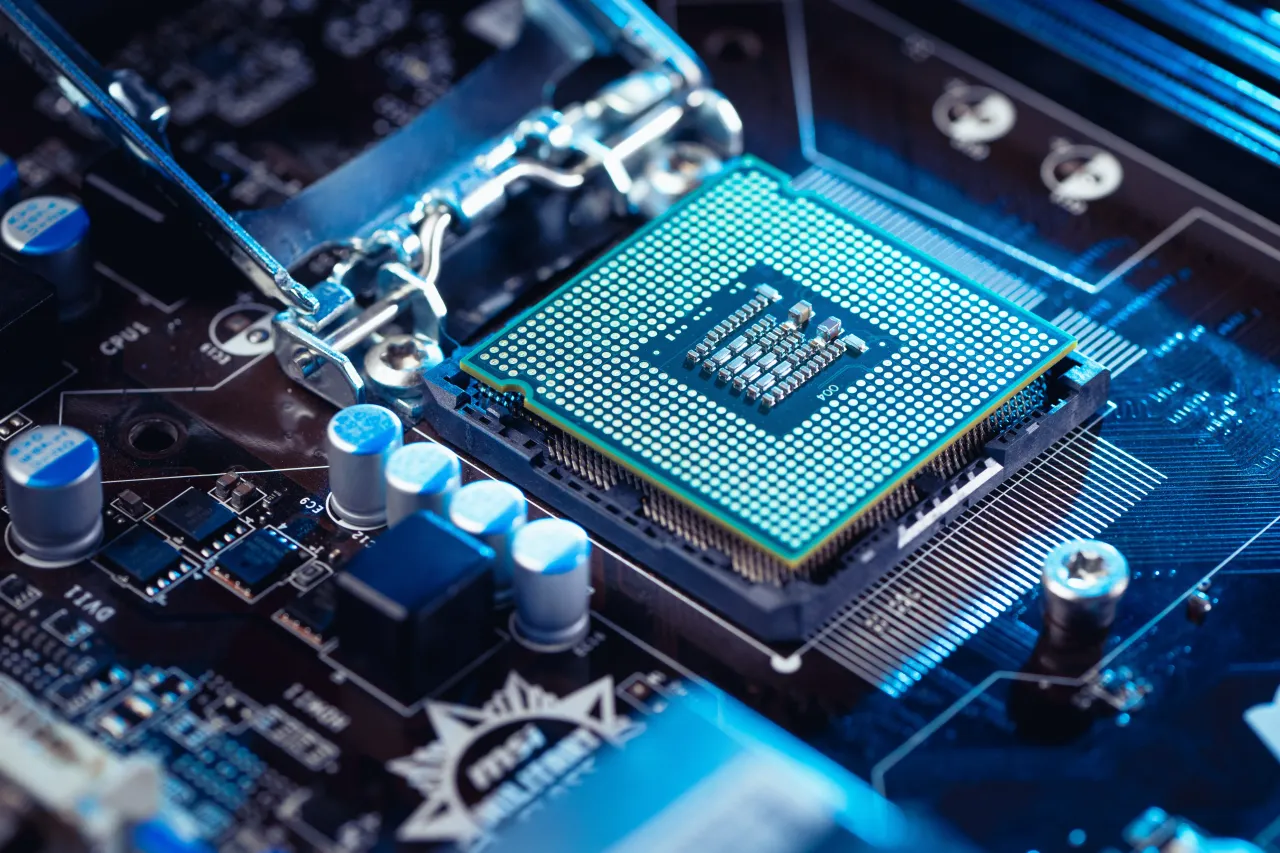
Semiconductor Stocks Surge on Signals of Ending Iran War

- Market Rebound: Following President Trump’s announcement that the U.S. would end its military campaign in Iran within two to three weeks, semiconductor stocks surged, with Marvell Technologies rising 12.8%, indicating a renewed risk appetite in the market.
- Strong ETF Performance: The iShares Semiconductor ETF (SOXX) gained 3.1%, marking its largest increase in a month and a half, reflecting heightened investor confidence in the semiconductor sector, particularly driven by investments in AI.
- AI Investment Boost: Nvidia's $2 billion investment in Marvell to integrate Marvell’s custom AI and networking chips with Nvidia’s processors is expected to drive innovation in data center applications, further enhancing Marvell's market position.
- Shift in Market Sentiment: As the quarter-end approached, investors engaged in rebalancing, shifting retail sentiment for SOXX from neutral to bullish, indicating a growing optimism about the semiconductor industry’s prospects.

Nike's Earnings Fall Short of Expectations, Stock Plummets

- Flat Earnings Report: Nike's Q3 revenue stood at $11.28 billion, flat year-over-year and down 3% in constant currency, slightly exceeding the market expectation of $11.23 billion; however, this lackluster performance led to a 9% drop in after-hours trading, reflecting investor disappointment.
- Declining Gross Margin: The gross margin fell by 130 basis points to 40.2%, primarily due to tariffs in North America, while selling, general, and administrative expenses rose 2% to $3.98 billion, resulting in a 23% decline in operating income to $635 million, indicating increasing cost pressures.
- Inventory Clearance Strategy: Management indicated that efforts to clear excess inventory of classic styles resulted in a five-point revenue headwind this quarter, with expectations of a continued revenue decline of 2%-4% in the upcoming quarters, highlighting the slow progress of Nike's turnaround and dampening investor confidence.
- Running Category Growth: Despite overall struggles, revenue from the running category surged over 20%, and North American footwear sales grew 6%, showcasing potential in specific areas; management hopes to leverage this success across other sports categories, yet concerns about ongoing revenue declines persist.

Nvidia Leads Stock Success in AI Boom


- Nvidia's Outstanding Performance: Nvidia stands out in the AI boom, reporting triple-digit revenue growth last year and a remarkable 73% increase in the current quarter, elevating its market cap to $4 trillion and showcasing its formidable competitive edge in the AI sector.
- Micron Technology's Rapid Growth: Micron Technology achieved $23.9 billion in revenue for Q2 of fiscal 2026, marking a 196% growth rate primarily driven by demand for high-bandwidth memory, with analysts forecasting a continued revenue growth of 191% in the coming year, indicating strong potential in the AI market.
- CoreWeave's Surge in Cloud Demand: CoreWeave's AI-native cloud platform revenue soared to nearly $1.6 billion in Q4, a 110% increase, despite facing a backlog of almost $67 billion and over $21 billion in debt; analysts predict a 143% revenue growth in the upcoming fiscal year, reflecting sustained market demand.
- Nebius Group's Rapid Ascent: Nebius Group reported $228 million in revenue for Q4, a staggering 547% growth, with forecasts suggesting a 523% increase in the next year; despite a high P/S ratio of 41 potentially limiting near-term upside, its long-term growth potential remains strong due to insatiable demand for AI-ready capacity.
Nvidia Reports 65% Revenue Growth in Fiscal 2026
- Significant Revenue Growth: Nvidia reported a revenue of $215.9 billion for fiscal 2026, reflecting a 65% year-over-year increase, despite a 10.2% decline in stock price so far in 2026, indicating market concerns about the sustainability of AI infrastructure spending.
- Robust AI Demand Outlook: CEO Jensen Huang announced at the GTC AI Conference that demand for AI systems is projected to reach at least $1 trillion in 2026 and 2027, a substantial increase from the previous estimate of $500 billion, highlighting the long-term trend in AI infrastructure development.
- Diversified Customer Base: Nvidia's business is composed of 60% from hyperscalers and 40% from enterprises, sovereign AI projects, startups, and emerging applications, ensuring that the company is not overly reliant on any single industry, thereby mitigating market risks.
- Continuous Product Innovation: Nvidia is actively launching new products, with ongoing deployments of Hopper systems and ramping up Blackwell systems, while future platforms like Rubin and Feynman are already in development, enhancing the company's competitive edge in the market.
Investors Remain Bullish on Artificial Intelligence Stocks
- Investor Confidence: According to recent research by The Motley Fool, 59% of investors surveyed on March 3, 2026, hold AI stocks, indicating strong investor confidence in AI despite the tech sector's slump.
- Youth Engagement: The survey reveals that Gen Z and millennials have the highest AI stock ownership rates at 67% and 66%, respectively, highlighting the younger generation's keen interest and willingness to invest in future technologies.
- Major Investment Plans: Leading tech giants like Alphabet, Amazon, Meta, and Microsoft are projected to spend between $600 billion and $700 billion on AI data centers by 2026, reflecting their commitment to the AI sector and confidence in future growth.
- Nvidia's Success Story: Nvidia's stock has surged 1,190% over the past five years, exemplifying a successful investment in AI infrastructure, which encourages investors to consider opportunities in this rapidly evolving field.
Zhipu AI Reports Strong Q1 Earnings Growth
- Significant Revenue Growth: Zhipu AI reported a 132% year-over-year revenue increase to 724 million yuan in Q1 2025, although it fell short of the 760 million yuan analyst estimate, indicating both potential and challenges in the rapidly evolving AI market.
- Widening Net Loss: The company posted an adjusted net loss of 3.18 billion yuan, up 29.1% from the previous year, primarily due to increased R&D spending, reflecting ongoing investments in technological innovation amid competitive pressures.
- Technological Advancements and Market Positioning: The recent release of Zhipu's GLM-5 model, which matches U.S. rivals on several key performance metrics, underscores its competitiveness in the global AI landscape and reinforces its status as one of China's
Semiconductor Stocks Surge on Signals of Ending Iran War
- Market Rebound: Following President Trump’s announcement that the U.S. would end its military campaign in Iran within two to three weeks, semiconductor stocks surged, with Marvell Technologies rising 12.8%, indicating a renewed risk appetite in the market.
- Strong ETF Performance: The iShares Semiconductor ETF (SOXX) gained 3.1%, marking its largest increase in a month and a half, reflecting heightened investor confidence in the semiconductor sector, particularly driven by investments in AI.
- AI Investment Boost: Nvidia's $2 billion investment in Marvell to integrate Marvell’s custom AI and networking chips with Nvidia’s processors is expected to drive innovation in data center applications, further enhancing Marvell's market position.
- Shift in Market Sentiment: As the quarter-end approached, investors engaged in rebalancing, shifting retail sentiment for SOXX from neutral to bullish, indicating a growing optimism about the semiconductor industry’s prospects.
Nike's Earnings Fall Short of Expectations, Stock Plummets
- Flat Earnings Report: Nike's Q3 revenue stood at $11.28 billion, flat year-over-year and down 3% in constant currency, slightly exceeding the market expectation of $11.23 billion; however, this lackluster performance led to a 9% drop in after-hours trading, reflecting investor disappointment.
- Declining Gross Margin: The gross margin fell by 130 basis points to 40.2%, primarily due to tariffs in North America, while selling, general, and administrative expenses rose 2% to $3.98 billion, resulting in a 23% decline in operating income to $635 million, indicating increasing cost pressures.
- Inventory Clearance Strategy: Management indicated that efforts to clear excess inventory of classic styles resulted in a five-point revenue headwind this quarter, with expectations of a continued revenue decline of 2%-4% in the upcoming quarters, highlighting the slow progress of Nike's turnaround and dampening investor confidence.
- Running Category Growth: Despite overall struggles, revenue from the running category surged over 20%, and North American footwear sales grew 6%, showcasing potential in specific areas; management hopes to leverage this success across other sports categories, yet concerns about ongoing revenue declines persist.
Nvidia Leads Stock Success in AI Boom
- Nvidia's Outstanding Performance: Nvidia stands out in the AI boom, reporting triple-digit revenue growth last year and a remarkable 73% increase in the current quarter, elevating its market cap to $4 trillion and showcasing its formidable competitive edge in the AI sector.
- Micron Technology's Rapid Growth: Micron Technology achieved $23.9 billion in revenue for Q2 of fiscal 2026, marking a 196% growth rate primarily driven by demand for high-bandwidth memory, with analysts forecasting a continued revenue growth of 191% in the coming year, indicating strong potential in the AI market.
- CoreWeave's Surge in Cloud Demand: CoreWeave's AI-native cloud platform revenue soared to nearly $1.6 billion in Q4, a 110% increase, despite facing a backlog of almost $67 billion and over $21 billion in debt; analysts predict a 143% revenue growth in the upcoming fiscal year, reflecting sustained market demand.
- Nebius Group's Rapid Ascent: Nebius Group reported $228 million in revenue for Q4, a staggering 547% growth, with forecasts suggesting a 523% increase in the next year; despite a high P/S ratio of 41 potentially limiting near-term upside, its long-term growth potential remains strong due to insatiable demand for AI-ready capacity.