Beyond Oil: Three Fertilizer Stocks Benefiting from Hormuz Shutdown

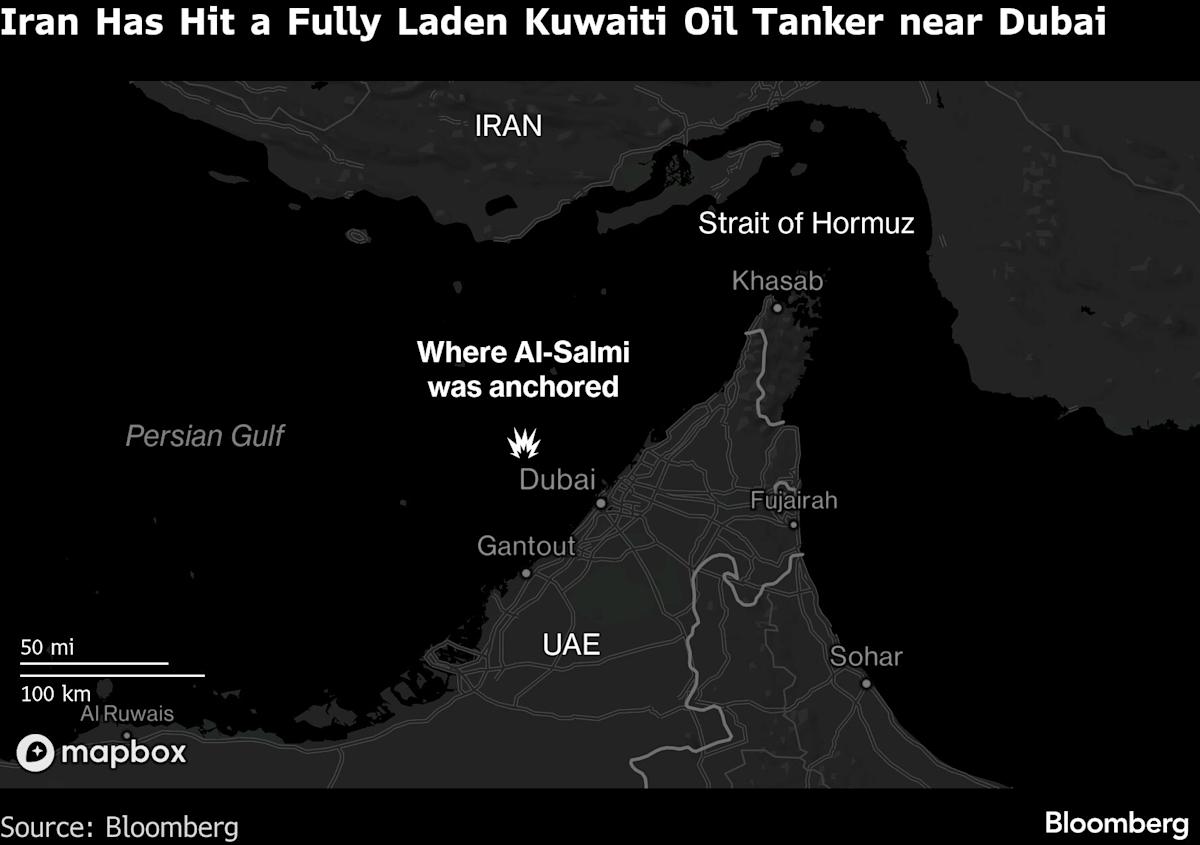
Impact of Rising Gas Prices: Soaring gas prices serve as a stark reminder of the ongoing war in Iran, affecting not only crude oil but also crucial commodities like fertilizers, which are heavily reliant on shipping routes through the Strait of Hormuz.
Fertilizer Supply Chain Disruption: The closure of the Strait of Hormuz has led to significant disruptions in the global fertilizer supply, with estimates indicating that around 30-35% of plant nutrients depend on this contested waterway for transit.
Market Reactions and Price Increases: Fertilizer prices have surged, with urea reaching as high as $680 per metric ton, and the supply shock is already being felt in markets, particularly affecting the upcoming 2026 spring planting season in the Northern Hemisphere.
Investment Opportunities in Fertilizer Stocks: Companies that produce fertilizers, particularly those outside the Persian Gulf, are positioned to benefit from the current market chaos, with analysts recommending stocks like Nutrien Ltd. as a safe investment amid rising prices.
Trade with 70% Backtested Accuracy
Analyst Views on MOS

About MOS
About the author


Unilever Enforces Hiring Freeze Amid Middle East Conflict


- Hiring Freeze: Unilever has announced an immediate hiring freeze across all levels globally due to 'significant challenges' posed by the Middle East conflict, expected to last at least three months, reflecting the company's response to an uncertain external environment.
- Employee Base: With 96,000 employees operating in 190 countries, covering core business groups such as beauty & wellbeing, personal care, home care, and food, the hiring pause may hinder the company's ability to expand its workforce and adapt to market demands.
- Cost-Saving Initiatives: Unilever committed to €800 million (approximately $918 million) in cost savings in 2024, planning to cut 7,500 office-based roles; by the end of 2025, it had achieved €670 million in savings and expects an additional €130 million in 2026, with the hiring freeze potentially impacting these plans.
- Market Impact: The Middle East conflict has driven oil prices above $100 per barrel, leading to widespread inflationary pressures; rising retail and food prices may result from this situation, and the hiring freeze could be a strategic move to navigate the uncertainties and rising costs in the market.
Iran War Intensifies Global Shortages of Tungsten and Other Commodities

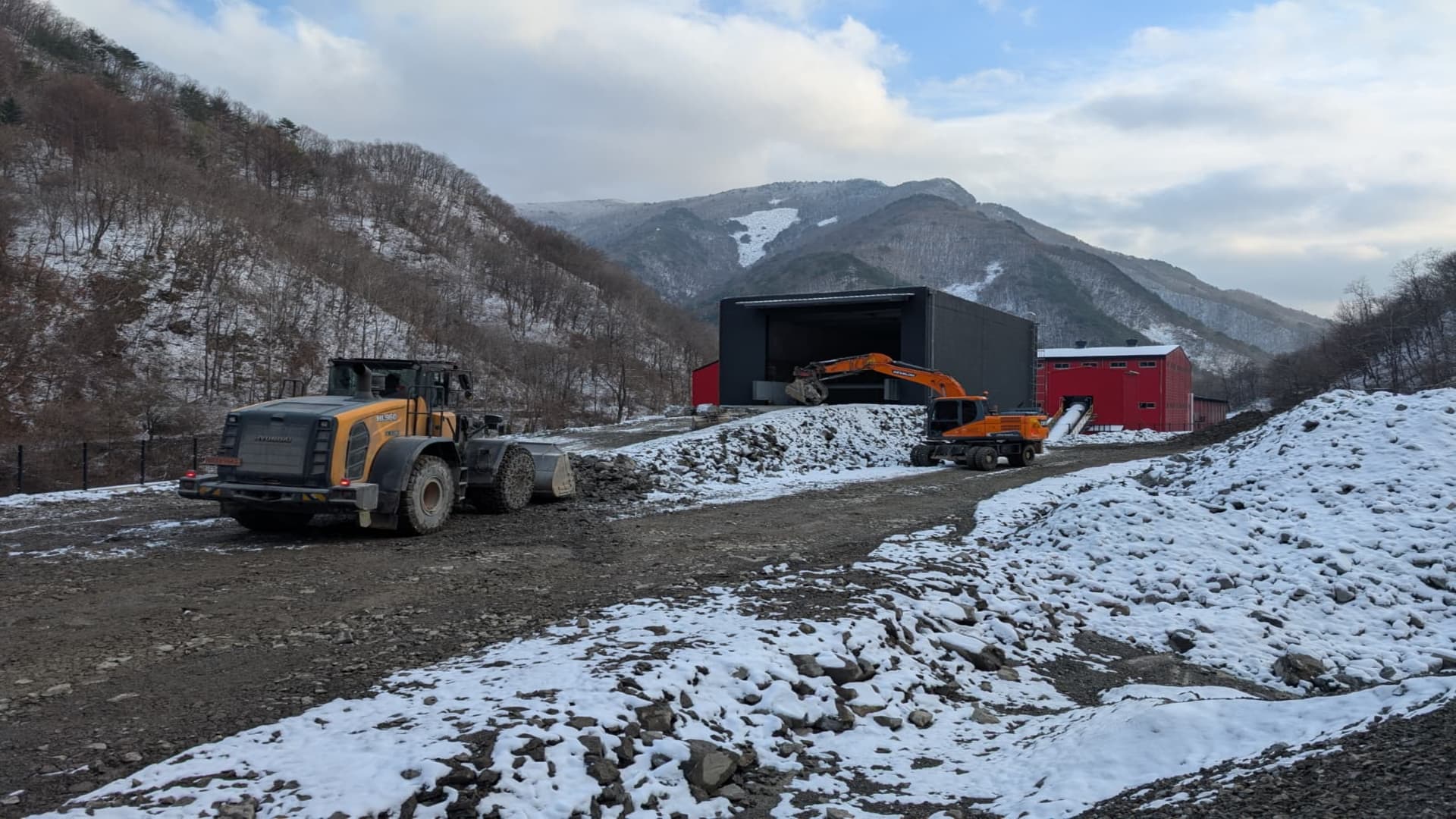
- Tungsten Price Surge: Tungsten prices exceeded $3,000 last week, marking over a 50% increase for the month, indicating strong demand in the defense sector despite significant inventory shortages due to the Iran war.
- Rising Sulfuric Acid Prices: Sulfuric acid prices in Africa have risen at least 30% since the onset of the war, while China's sulfur prices increased by approximately 13% from early March, reflecting ongoing demand pressures that could lead to severe supply shocks.
- Helium Supply Tightness: Helium prices have roughly doubled since the Iran war began, particularly after missile attacks on a key industrial center in Qatar, complicating the restoration of global helium supplies and exacerbating market tightness.
- Global Commodity Market Turmoil: The supply chain disruptions caused by the Iran war present new challenges for global markets, prompting companies to diversify their supply sources while China ramps up stockpiling plans, highlighting concerns over future supply uncertainties.
Trump's Intent to Seize Iran's Oil Market Raises Concerns

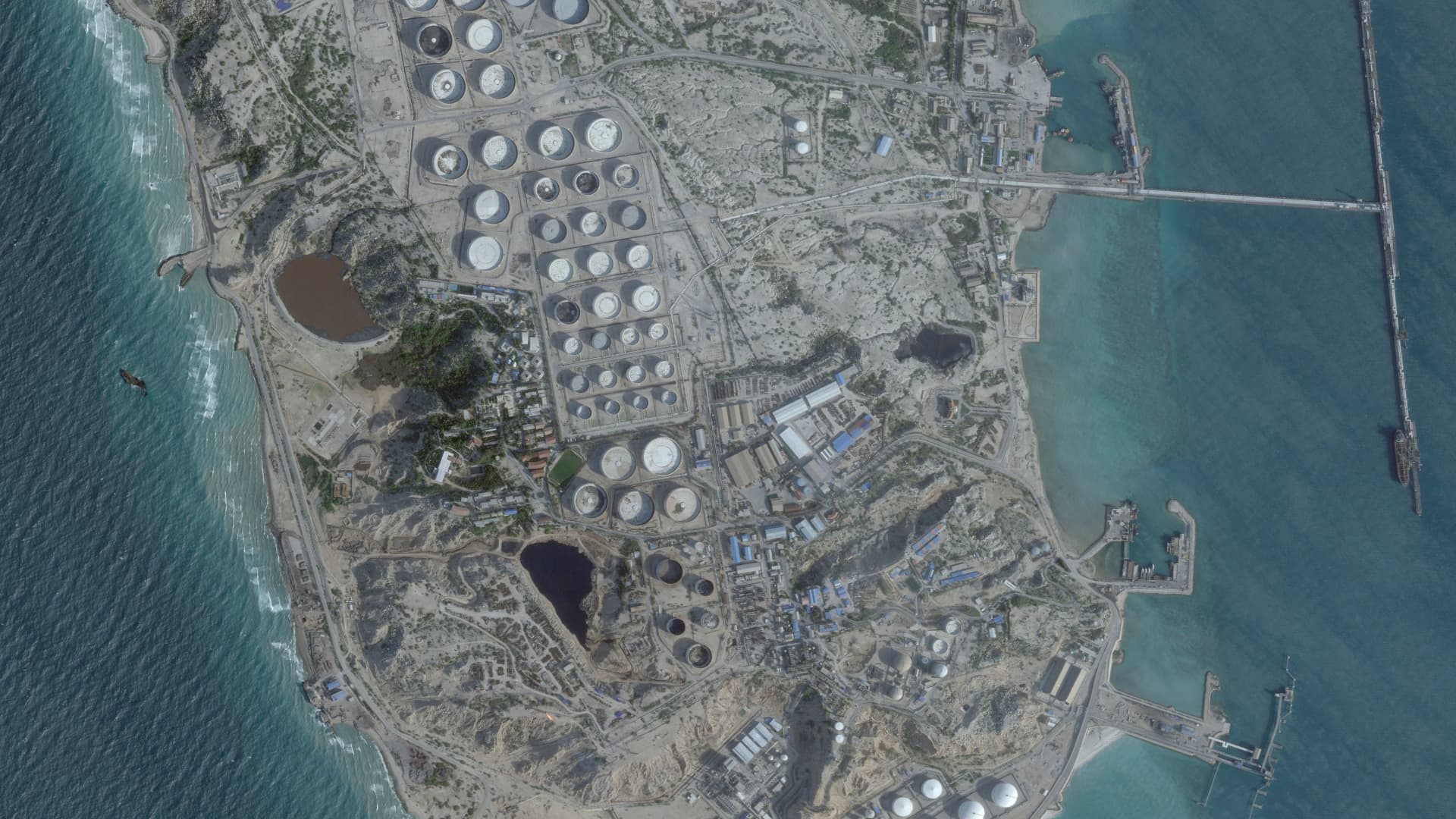
- Cautious Market Reaction: Trump's declaration of wanting to 'take Iran's oil' while suggesting a 'peace deal could be made fairly quickly' has left markets feeling uneasy, leading investors to adopt a risk-averse stance as Asia-Pacific markets fell sharply on Monday.
- Military Deployment Escalation: The Pentagon is reportedly preparing for weeks of ground operations in Iran, with thousands of American soldiers and Marines arriving in the Middle East, raising concerns about an escalation in the Iran conflict that could disrupt global supply chains and increase prices.
- Rising Oil Price Pressure: Oil prices are climbing again as the conflict intensifies, particularly after Yemen's Iran-backed Houthis fired missiles at Israel, heightening fears over energy supply disruptions that could impact the global economy.
- Shipping Route Risks: The Strait of Hormuz, a vital shipping route, is being impeded by the ongoing war, with industry leaders warning that if it does not reopen by mid-April, supply disruptions could worsen significantly, affecting operations across various sectors.
Escalating Impact of Iran War on Oil Markets

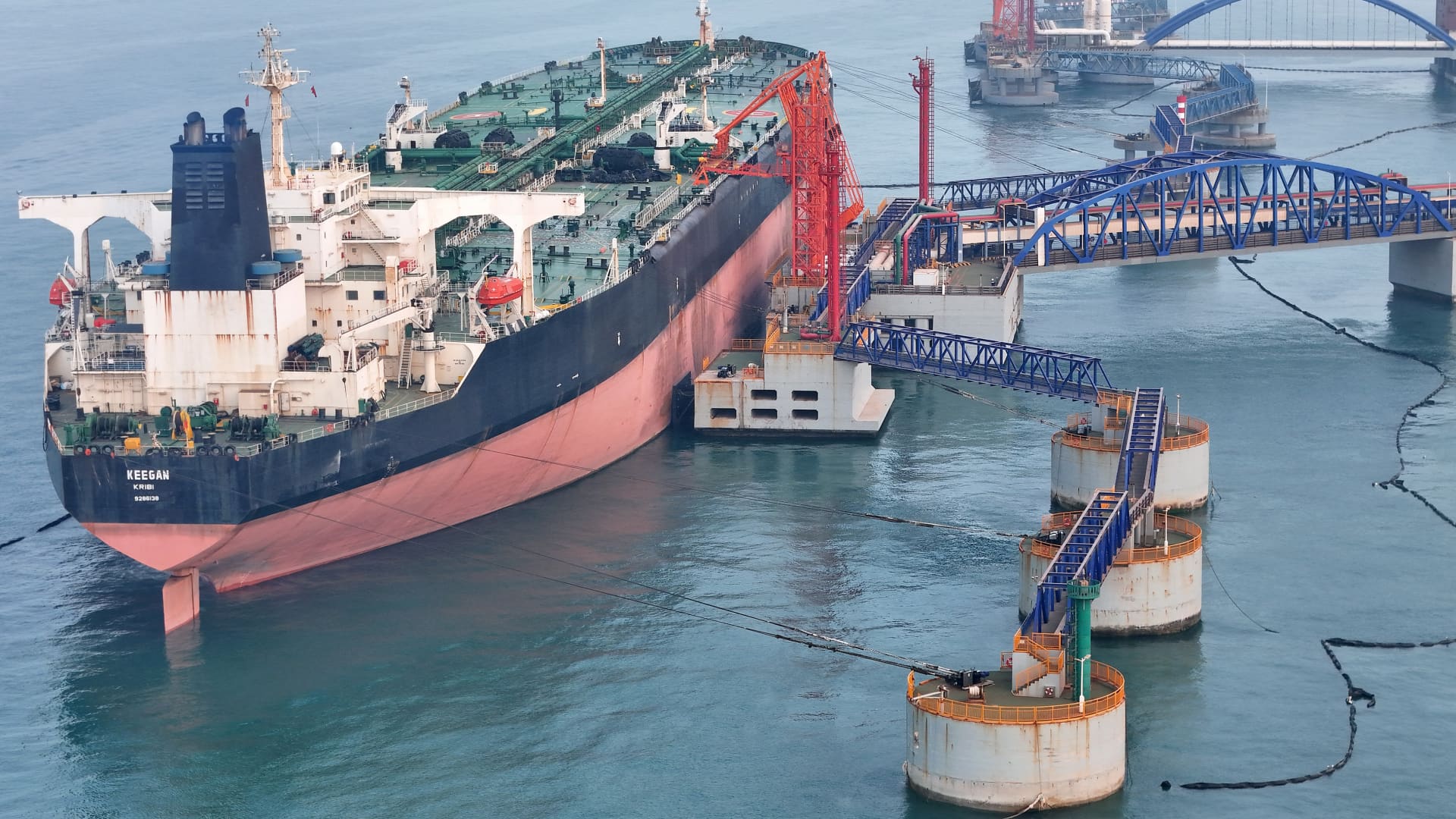
- Surge in Oil Prices: U.S. crude prices have surged over 50% since late February, with Brent up more than 55%, indicating that market concerns over the Iran war are escalating and could lead to greater disruptions in global supply chains.
- Ground Operation Preparations: The Pentagon is preparing for weeks of ground operations in Iran, with thousands of American soldiers and Marines arriving in the Middle East, which could exacerbate market uncertainty and impact oil prices.
- Strait of Hormuz Risks: Industry leaders warn that the vital shipping route of the Strait of Hormuz must reopen by mid-April, or supply disruptions could worsen significantly, further driving up oil prices.
- Market Reaction Fatigue: Following reports of potential ground operations, U.S. equity futures fell on Sunday evening, and Asia-Pacific markets also declined at Monday's open, reflecting investor fatigue over the conflict's headlines and concerns about the future.

CF and UAN Stocks Surge Following Supply Disruptions in the Middle East – Analysts Predict Continued Growth


Price Target Increase: UBS raised its price target on CF Industries to $140 from $97, citing potential for further upside in nitrogen prices and CF's earnings.
Market Performance: CF Industries and UAN stocks have significantly outperformed peers in the fertilizer space, with both gaining about 0.5% recently, while UAN has surged over 71% year-to-date.
Impact of Middle East Tensions: Rising tensions in the Middle East have contributed to a spike in global nitrogen prices, with urea futures surging over 50% since the onset of the conflict.
Investor Sentiment: Retail investor sentiment remains cautious for both CF and UAN stocks, with mixed opinions on future performance amid ongoing geopolitical uncertainties.

Trump Extends Pause on Attacks Against Iran's Energy Facilities
- Attack Pause Extended: President Trump has extended the pause on potential U.S. attacks on Iranian energy facilities until April 6, warning Iranian negotiators to take negotiations seriously soon, as failure to do so could have dire consequences, which may impact market confidence in the region.
- Oil Price Fluctuations: Oil prices fell in early trading on Friday, with Brent and WTI on track for their steepest weekly drop in six months due to market skepticism about the peace talks, potentially affecting the stock performance of energy-related companies.
- Troop Deployment: The U.S. is preparing to send approximately 3,000 troops to the Middle East, raising speculation about a possible ground attack on Iran, which could escalate regional tensions and influence global market sentiment.
- Legal Developments: A federal judge in San Francisco granted a preliminary injunction to Anthropic against the Trump administration, ruling that the government's blacklisting of the company may constitute illegal retaliation under the First Amendment, which could affect the relationship between the tech industry and the government.
Unilever Enforces Hiring Freeze Amid Middle East Conflict
- Hiring Freeze: Unilever has announced an immediate hiring freeze across all levels globally due to 'significant challenges' posed by the Middle East conflict, expected to last at least three months, reflecting the company's response to an uncertain external environment.
- Employee Base: With 96,000 employees operating in 190 countries, covering core business groups such as beauty & wellbeing, personal care, home care, and food, the hiring pause may hinder the company's ability to expand its workforce and adapt to market demands.
- Cost-Saving Initiatives: Unilever committed to €800 million (approximately $918 million) in cost savings in 2024, planning to cut 7,500 office-based roles; by the end of 2025, it had achieved €670 million in savings and expects an additional €130 million in 2026, with the hiring freeze potentially impacting these plans.
- Market Impact: The Middle East conflict has driven oil prices above $100 per barrel, leading to widespread inflationary pressures; rising retail and food prices may result from this situation, and the hiring freeze could be a strategic move to navigate the uncertainties and rising costs in the market.
Iran War Intensifies Global Shortages of Tungsten and Other Commodities
- Tungsten Price Surge: Tungsten prices exceeded $3,000 last week, marking over a 50% increase for the month, indicating strong demand in the defense sector despite significant inventory shortages due to the Iran war.
- Rising Sulfuric Acid Prices: Sulfuric acid prices in Africa have risen at least 30% since the onset of the war, while China's sulfur prices increased by approximately 13% from early March, reflecting ongoing demand pressures that could lead to severe supply shocks.
- Helium Supply Tightness: Helium prices have roughly doubled since the Iran war began, particularly after missile attacks on a key industrial center in Qatar, complicating the restoration of global helium supplies and exacerbating market tightness.
- Global Commodity Market Turmoil: The supply chain disruptions caused by the Iran war present new challenges for global markets, prompting companies to diversify their supply sources while China ramps up stockpiling plans, highlighting concerns over future supply uncertainties.
Trump's Intent to Seize Iran's Oil Market Raises Concerns
- Cautious Market Reaction: Trump's declaration of wanting to 'take Iran's oil' while suggesting a 'peace deal could be made fairly quickly' has left markets feeling uneasy, leading investors to adopt a risk-averse stance as Asia-Pacific markets fell sharply on Monday.
- Military Deployment Escalation: The Pentagon is reportedly preparing for weeks of ground operations in Iran, with thousands of American soldiers and Marines arriving in the Middle East, raising concerns about an escalation in the Iran conflict that could disrupt global supply chains and increase prices.
- Rising Oil Price Pressure: Oil prices are climbing again as the conflict intensifies, particularly after Yemen's Iran-backed Houthis fired missiles at Israel, heightening fears over energy supply disruptions that could impact the global economy.
- Shipping Route Risks: The Strait of Hormuz, a vital shipping route, is being impeded by the ongoing war, with industry leaders warning that if it does not reopen by mid-April, supply disruptions could worsen significantly, affecting operations across various sectors.
Escalating Impact of Iran War on Oil Markets
- Surge in Oil Prices: U.S. crude prices have surged over 50% since late February, with Brent up more than 55%, indicating that market concerns over the Iran war are escalating and could lead to greater disruptions in global supply chains.
- Ground Operation Preparations: The Pentagon is preparing for weeks of ground operations in Iran, with thousands of American soldiers and Marines arriving in the Middle East, which could exacerbate market uncertainty and impact oil prices.
- Strait of Hormuz Risks: Industry leaders warn that the vital shipping route of the Strait of Hormuz must reopen by mid-April, or supply disruptions could worsen significantly, further driving up oil prices.
- Market Reaction Fatigue: Following reports of potential ground operations, U.S. equity futures fell on Sunday evening, and Asia-Pacific markets also declined at Monday's open, reflecting investor fatigue over the conflict's headlines and concerns about the future.
CF and UAN Stocks Surge Following Supply Disruptions in the Middle East – Analysts Predict Continued Growth
Price Target Increase: UBS raised its price target on CF Industries to $140 from $97, citing potential for further upside in nitrogen prices and CF's earnings.
Market Performance: CF Industries and UAN stocks have significantly outperformed peers in the fertilizer space, with both gaining about 0.5% recently, while UAN has surged over 71% year-to-date.
Impact of Middle East Tensions: Rising tensions in the Middle East have contributed to a spike in global nitrogen prices, with urea futures surging over 50% since the onset of the conflict.
Investor Sentiment: Retail investor sentiment remains cautious for both CF and UAN stocks, with mixed opinions on future performance amid ongoing geopolitical uncertainties.
Trump Extends Pause on Attacks Against Iran's Energy Facilities
- Attack Pause Extended: President Trump has extended the pause on potential U.S. attacks on Iranian energy facilities until April 6, warning Iranian negotiators to take negotiations seriously soon, as failure to do so could have dire consequences, which may impact market confidence in the region.
- Oil Price Fluctuations: Oil prices fell in early trading on Friday, with Brent and WTI on track for their steepest weekly drop in six months due to market skepticism about the peace talks, potentially affecting the stock performance of energy-related companies.
- Troop Deployment: The U.S. is preparing to send approximately 3,000 troops to the Middle East, raising speculation about a possible ground attack on Iran, which could escalate regional tensions and influence global market sentiment.
- Legal Developments: A federal judge in San Francisco granted a preliminary injunction to Anthropic against the Trump administration, ruling that the government's blacklisting of the company may constitute illegal retaliation under the First Amendment, which could affect the relationship between the tech industry and the government.