Berkshire Reports Q4 Operating Earnings of $10.2 Billion


Catch up on the weekend's top five stories with this list compiled by The Fly: 1) The U.S. and Israel said they launched an attack on Iran, which retaliated with strikes on Israel and targeted U.S. bases. President Trump, in a video posted on social media, confirmed "major combat operations" against the regime, and urged Iranians to "take over your government" as the strikes continued. Trump said the U.S. was "undertaking a massive and ongoing operation to prevent this very wicked, radical dictatorship from threatening America and our core national security interests." The U.S. and Israel plan to carry out several days of intensive attacks, people familiar with the matter told the Wall Street Journal. Iran's Islamic Revolutionary Guard Corps said they had launched missile and drone attacks toward Israel. 2) Berkshire (BRK.A) reports Q4 operating earnings $10.2B vs. $14.53B last year. Berkshire CEO Gregory Abel said in the company's annual letter, "Berkshire delivered operating earnings of $44.5 billion in 2025, below $47.4 billion in 2024 and above the $37.5 billion we have averaged over the past five years, a result that underscored the durability of our operating businesses, while also reflecting the fact that we have opportunities for further improvement" 3) Australia's internet regulator may push for search engines and app stores to block AI services that fail to verify users ages, Reuters reports. App store and search engine operators in the space include Apple (AAPL), Google (GOOGL), and Samsung (SSNLF). 4) Netflix (NFLX) Co-Chief Executive Officer Ted Sarandos told Bloomberg the company's decision to drop out of the bidding from Warner Bros. Discovery (WBD) had been made earlier than announced and was based on various bidding scenarios the company worked out in advance, Lucas Shaw of Bloomberg reports. "We knew right away, when we got the notice on Thursday that they had a superior offer and the details of that deal," Sarandos said, speaking of rival bidder Paramount Skydance (PSKY). "We knew exactly what we were going to do." 5) DBV Technologies (DBVT) announced that the company shared additional positive data from the successful Phase 3 Vitesse clinical trial as an oral presentation at the American Academy of Allergy, Asthma, and Immunology, AAAAI, 2026 Annual Meeting, in Philadelphia, PA. The Vitesse study met its primary endpoint whereby Viaskin Peanut demonstrated a statistically significant treatment effect, with 46.6% of children in the Viaskin Peanut arm meeting the treatment responder criteria at 12 months, as compared to 14.8% of children in the placebo arm, exceeding the lower bound prespecified threshold of 15%.
Trade with 70% Backtested Accuracy
Analyst Views on AAPL

About AAPL
About the author

Apple's WWDC 2026 to Redesign Siri Experience

- Major Siri Overhaul: The WWDC 2026 invitations suggest a significant redesign of Siri, expected to feature a chatbot-style interface across iOS 27, iPadOS 27, and macOS 27, enhancing user interaction.
- Enhanced Multi-Tasking: The new Siri version is anticipated to better handle multiple commands, support external AI agents, and effectively utilize personal data and on-screen content to answer queries, increasing the assistant's utility.
- Performance Improvement Focus: Apple plans to emphasize performance enhancements in the next software cycle, including bug fixes, faster operations, and improved battery life, particularly optimizing for enterprise users, schools, and developing markets.
- Hardware Release Delays: Due to industry-wide memory shortages, the launch of new Mac Studio models is expected to be delayed until October, while the redesigned touchscreen MacBook Pro with M6 chips may also be postponed to late 2026 or early 2027.

Apple Inc. Ranks Third in Motley Fool's AI Stock Picks
- Market Share Growth: According to Counterpoint Research, Apple Inc. led global smartphone shipments in Q1 2026 with a 21% market share, reflecting a 5% year-over-year increase, indicating a strong rebound in demand amidst a contracting overall market.
- Strong Services Business: Apple's services segment now accounts for approximately 21% of total revenue, evolving into a $100 billion annual high-margin business that includes iCloud and Apple Music, driving sustained growth and enhancing profitability.
- Cash Reserve Advantage: With over $200 billion in cash and a history of consecutive dividend growth, Apple is well-positioned to make strategic investments to maintain market dominance while expanding into high-margin sectors like services and wearables.
- Investor Confidence Rebound: The RiverPark Large Growth Fund noted in its Q4 2025 investor letter that Apple shares rose due to better-than-expected iPhone 17 sell-through trends and strong services momentum, reflecting renewed market confidence in its growth prospects.

Apple Inc. Announces Major Leadership Transition with Tim Cook as Executive Chairman
- Leadership Transition: Apple Inc. announced that CEO Tim Cook will become executive chairman on September 1, 2026, with John Ternus appointed as the new CEO, ensuring stability during this leadership change.
- Succession Plan Implementation: This transition follows a long-term succession plan unanimously approved by Apple's board, with Cook continuing as CEO through the summer to work closely with Ternus for a smooth handover and engaging with global policymakers.
- Significant Performance Growth: Under Cook's leadership, Apple's market capitalization surged from approximately $350 billion to $4 trillion, representing over a 1,000% increase, while annual revenue nearly quadrupled from $108 billion in fiscal year 2011 to over $416 billion in fiscal year 2025, highlighting the company's robust market performance.
- Board Adjustment: Long-time board chairman Arthur Levinson will shift to lead independent director, with Cook expressing gratitude for Levinson's 15 years of service, emphasizing his importance in corporate governance and reflecting Apple's commitment to leadership stability.
Apple CEO Transition and Market Updates

- Apple CEO Transition: Tim Cook will step down as CEO of Apple on September 1, with John Ternus taking over; under Cook's leadership since August 2011, Apple's stock has surged approximately 2000%, indicating strong growth during his tenure.
- Market Performance: Apple's stock has risen 38% over the past year, although it remains relatively flat in after-hours trading, reflecting a mix of market anticipation and uncertainty regarding the new CEO's impact.
- Aviation Industry Challenges: Alaska Air CEO Ben Minicucci will discuss the impact of high jet fuel prices on the airline industry in an interview tomorrow; despite an 18% stock increase in April, shares are down 13% year-to-date, highlighting ongoing industry pressures.
- Defense Company Dynamics: Northrop Grumman and RTX have seen flat stock performance over the past three months, but Northrop's stock has dropped 9% since the onset of the Iran conflict, while RTX is down 3%, illustrating the geopolitical effects on the defense sector.

Apple Appoints John Ternus as New CEO Amid AI Industry Shifts
- Leadership Transition: Apple announced on Monday that longtime hardware chief John Ternus will succeed Tim Cook as CEO on September 1, marking a significant leadership change as the company navigates industry shifts driven by artificial intelligence.
- Extensive Industry Experience: Ternus joined Apple in 2001, became vice president of hardware engineering in 2013, and was promoted to senior vice president in 2021, bringing a wealth of experience and leadership skills to his new role.
- Hardware Innovation Achievements: Under Ternus's leadership, Apple has launched key hardware products including the iPhone, iPad, Mac, Apple Watch, and AirPods, contributing to a resurgence in Mac sales and increased market share.
- Future Strategic Direction: Ternus's appointment comes as Apple faces challenges from competitors leveraging AI, and he is expected to leverage his extensive hardware background to maintain the company's competitiveness in the rapidly evolving consumer electronics market.
Tim Cook to Step Down as CEO, Become Chairman of the Board
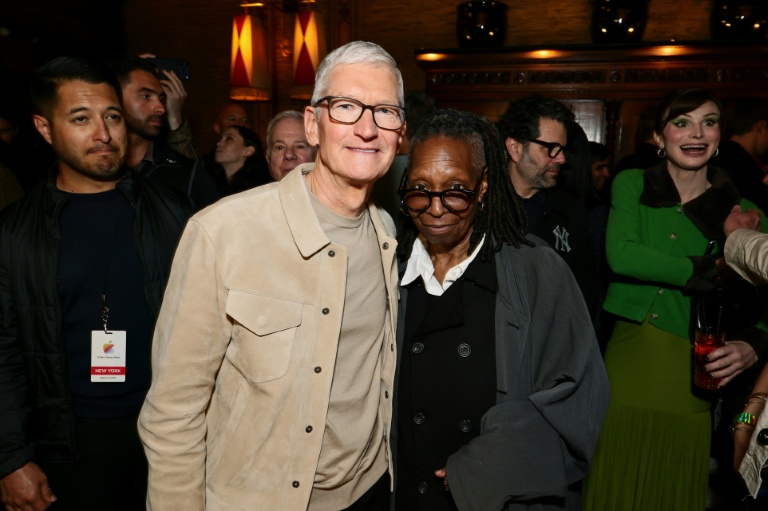
- Leadership Transition: Apple announced that current CEO Tim Cook will step down in September to become chairman of the board, marking a significant shift in the company's leadership that is expected to influence its strategic direction and market performance.
- Successor Appointment: Company veteran John Ternus will take over as CEO; having joined Apple in 2001, Ternus has been involved in the design of several key products, and his leadership is anticipated to continue Apple's tradition of innovation and product line expansion.
- Cook's Contributions: Since joining Apple in 1998, Cook has driven the company's market value to approximately $4 trillion, with his exceptional performance in supply chain management and product diversification laying the groundwork for Apple's success, which will continue to impact strategic decisions moving forward.
- Company Milestone: Celebrating its 50th anniversary this year, Apple faces challenges from new technologies like artificial intelligence; Cook's departure and Ternus's appointment represent a critical moment for the company to maintain its competitiveness in the evolving tech landscape.
Apple's WWDC 2026 to Redesign Siri Experience
- Major Siri Overhaul: The WWDC 2026 invitations suggest a significant redesign of Siri, expected to feature a chatbot-style interface across iOS 27, iPadOS 27, and macOS 27, enhancing user interaction.
- Enhanced Multi-Tasking: The new Siri version is anticipated to better handle multiple commands, support external AI agents, and effectively utilize personal data and on-screen content to answer queries, increasing the assistant's utility.
- Performance Improvement Focus: Apple plans to emphasize performance enhancements in the next software cycle, including bug fixes, faster operations, and improved battery life, particularly optimizing for enterprise users, schools, and developing markets.
- Hardware Release Delays: Due to industry-wide memory shortages, the launch of new Mac Studio models is expected to be delayed until October, while the redesigned touchscreen MacBook Pro with M6 chips may also be postponed to late 2026 or early 2027.
Apple Inc. Ranks Third in Motley Fool's AI Stock Picks
- Market Share Growth: According to Counterpoint Research, Apple Inc. led global smartphone shipments in Q1 2026 with a 21% market share, reflecting a 5% year-over-year increase, indicating a strong rebound in demand amidst a contracting overall market.
- Strong Services Business: Apple's services segment now accounts for approximately 21% of total revenue, evolving into a $100 billion annual high-margin business that includes iCloud and Apple Music, driving sustained growth and enhancing profitability.
- Cash Reserve Advantage: With over $200 billion in cash and a history of consecutive dividend growth, Apple is well-positioned to make strategic investments to maintain market dominance while expanding into high-margin sectors like services and wearables.
- Investor Confidence Rebound: The RiverPark Large Growth Fund noted in its Q4 2025 investor letter that Apple shares rose due to better-than-expected iPhone 17 sell-through trends and strong services momentum, reflecting renewed market confidence in its growth prospects.
Apple Inc. Announces Major Leadership Transition with Tim Cook as Executive Chairman
- Leadership Transition: Apple Inc. announced that CEO Tim Cook will become executive chairman on September 1, 2026, with John Ternus appointed as the new CEO, ensuring stability during this leadership change.
- Succession Plan Implementation: This transition follows a long-term succession plan unanimously approved by Apple's board, with Cook continuing as CEO through the summer to work closely with Ternus for a smooth handover and engaging with global policymakers.
- Significant Performance Growth: Under Cook's leadership, Apple's market capitalization surged from approximately $350 billion to $4 trillion, representing over a 1,000% increase, while annual revenue nearly quadrupled from $108 billion in fiscal year 2011 to over $416 billion in fiscal year 2025, highlighting the company's robust market performance.
- Board Adjustment: Long-time board chairman Arthur Levinson will shift to lead independent director, with Cook expressing gratitude for Levinson's 15 years of service, emphasizing his importance in corporate governance and reflecting Apple's commitment to leadership stability.
Apple CEO Transition and Market Updates
- Apple CEO Transition: Tim Cook will step down as CEO of Apple on September 1, with John Ternus taking over; under Cook's leadership since August 2011, Apple's stock has surged approximately 2000%, indicating strong growth during his tenure.
- Market Performance: Apple's stock has risen 38% over the past year, although it remains relatively flat in after-hours trading, reflecting a mix of market anticipation and uncertainty regarding the new CEO's impact.
- Aviation Industry Challenges: Alaska Air CEO Ben Minicucci will discuss the impact of high jet fuel prices on the airline industry in an interview tomorrow; despite an 18% stock increase in April, shares are down 13% year-to-date, highlighting ongoing industry pressures.
- Defense Company Dynamics: Northrop Grumman and RTX have seen flat stock performance over the past three months, but Northrop's stock has dropped 9% since the onset of the Iran conflict, while RTX is down 3%, illustrating the geopolitical effects on the defense sector.
Apple Appoints John Ternus as New CEO Amid AI Industry Shifts
- Leadership Transition: Apple announced on Monday that longtime hardware chief John Ternus will succeed Tim Cook as CEO on September 1, marking a significant leadership change as the company navigates industry shifts driven by artificial intelligence.
- Extensive Industry Experience: Ternus joined Apple in 2001, became vice president of hardware engineering in 2013, and was promoted to senior vice president in 2021, bringing a wealth of experience and leadership skills to his new role.
- Hardware Innovation Achievements: Under Ternus's leadership, Apple has launched key hardware products including the iPhone, iPad, Mac, Apple Watch, and AirPods, contributing to a resurgence in Mac sales and increased market share.
- Future Strategic Direction: Ternus's appointment comes as Apple faces challenges from competitors leveraging AI, and he is expected to leverage his extensive hardware background to maintain the company's competitiveness in the rapidly evolving consumer electronics market.
Tim Cook to Step Down as CEO, Become Chairman of the Board
- Leadership Transition: Apple announced that current CEO Tim Cook will step down in September to become chairman of the board, marking a significant shift in the company's leadership that is expected to influence its strategic direction and market performance.
- Successor Appointment: Company veteran John Ternus will take over as CEO; having joined Apple in 2001, Ternus has been involved in the design of several key products, and his leadership is anticipated to continue Apple's tradition of innovation and product line expansion.
- Cook's Contributions: Since joining Apple in 1998, Cook has driven the company's market value to approximately $4 trillion, with his exceptional performance in supply chain management and product diversification laying the groundwork for Apple's success, which will continue to impact strategic decisions moving forward.
- Company Milestone: Celebrating its 50th anniversary this year, Apple faces challenges from new technologies like artificial intelligence; Cook's departure and Ternus's appointment represent a critical moment for the company to maintain its competitiveness in the evolving tech landscape.