BAE Systems Launches Velhawk to Enhance Cybersecurity Features

Introduction of Velhawk: BAE Systems has launched Velhawk, a next-generation cybersecurity solution aimed at enhancing resilience, speeding up cyber response, and improving workforce efficiency for government clients by integrating AI, automation, and adaptive analytics.
Importance of Cybersecurity in Defense: With the rise of sophisticated cyberattacks, defense cybersecurity is crucial for national security, prompting governments to seek resilient and integrated solutions to protect military networks and sensitive data.
Market Growth Potential: The defense cybersecurity market is projected to grow at a CAGR of 11.87% from 2025 to 2030, presenting significant growth opportunities for BAE Systems and other companies like Northrop Grumman, Lockheed Martin, and Leidos Holdings.
Stock Performance and Recommendations: BAE Systems' shares have increased by 39.8% over the past year, outperforming the industry, and the company currently holds a Zacks Rank #3 (Hold), with expert recommendations available for potential investment opportunities.
Trade with 70% Backtested Accuracy
Analyst Views on NOC

About NOC
About the author

Trump Delays Meeting with Xi Jinping


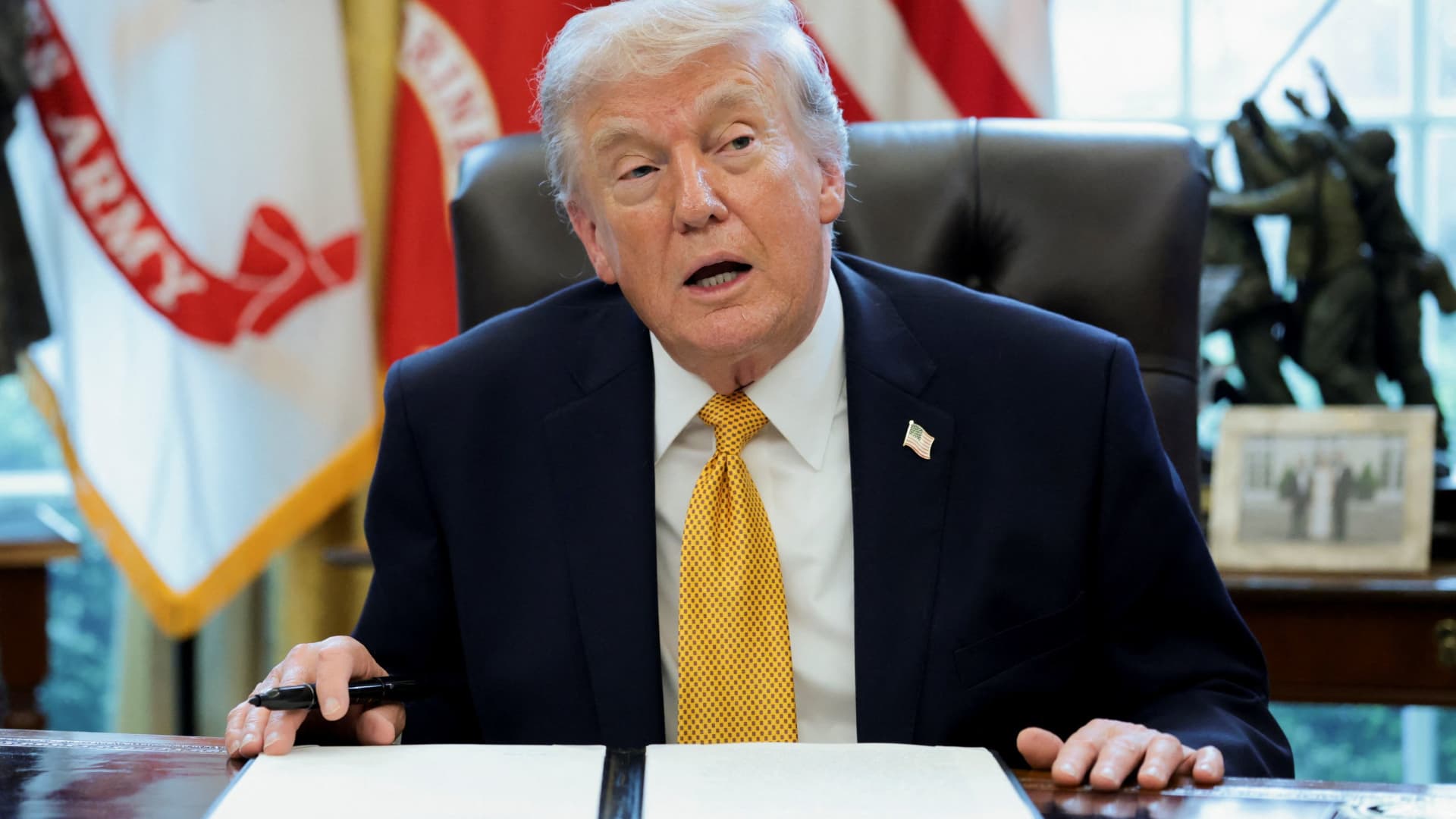
- Meeting Postponed: Trump announced that the U.S. has requested to delay his planned meeting with Chinese President Xi Jinping, originally set for late March in Beijing, by about a month due to the ongoing war with Iran, highlighting the impact of current international tensions on diplomatic engagements.
- War Impact: Trump emphasized the need to remain in the U.S. due to the war, expressing a desire to resolve tensions with Iran before meeting Xi, which indicates the prioritization of domestic issues in U.S. foreign policy considerations.
- China's Role: Trump mentioned that China, as a major buyer of Iranian oil, should assist the U.S. in breaking the de facto blockade of the Strait of Hormuz, reflecting expectations for a more proactive Chinese role in Middle Eastern affairs.
- Official Clarification: Senior officials clarified that the postponement is primarily for logistical reasons rather than a demand for China to intervene in the Strait of Hormuz, which helps mitigate misunderstandings regarding U.S. diplomatic strategies.

Nvidia Launches Space Computing Platforms

- Launch of Space Computing Platforms: Nvidia unveiled computing platforms for orbital data centers at GTC 2026, with CEO Jensen Huang stating that the era of space computing has arrived, projecting over $1 trillion in orders by 2027.
- Modular Design Benefits: The Vera Rubin Space-1 module integrates IGX Thor and Jetson Orin chips, engineered for efficient operation in size-, weight-, and power-constrained environments, enhancing the intelligence of space missions.
- Engineering Challenges and Partnerships: While Nvidia collaborates with companies like Axiom Space, Starcloud, and Planet to develop orbital data centers, overcoming cooling system challenges in space remains a significant engineering hurdle, highlighting the complexity of technology implementation.
- Market Potential and Competition: As AI demand surges, orbital data centers are seen as a solution to soaring electricity costs, although high launch costs and low availability pose major barriers, prompting AI companies to race for utilizing solar power in space.
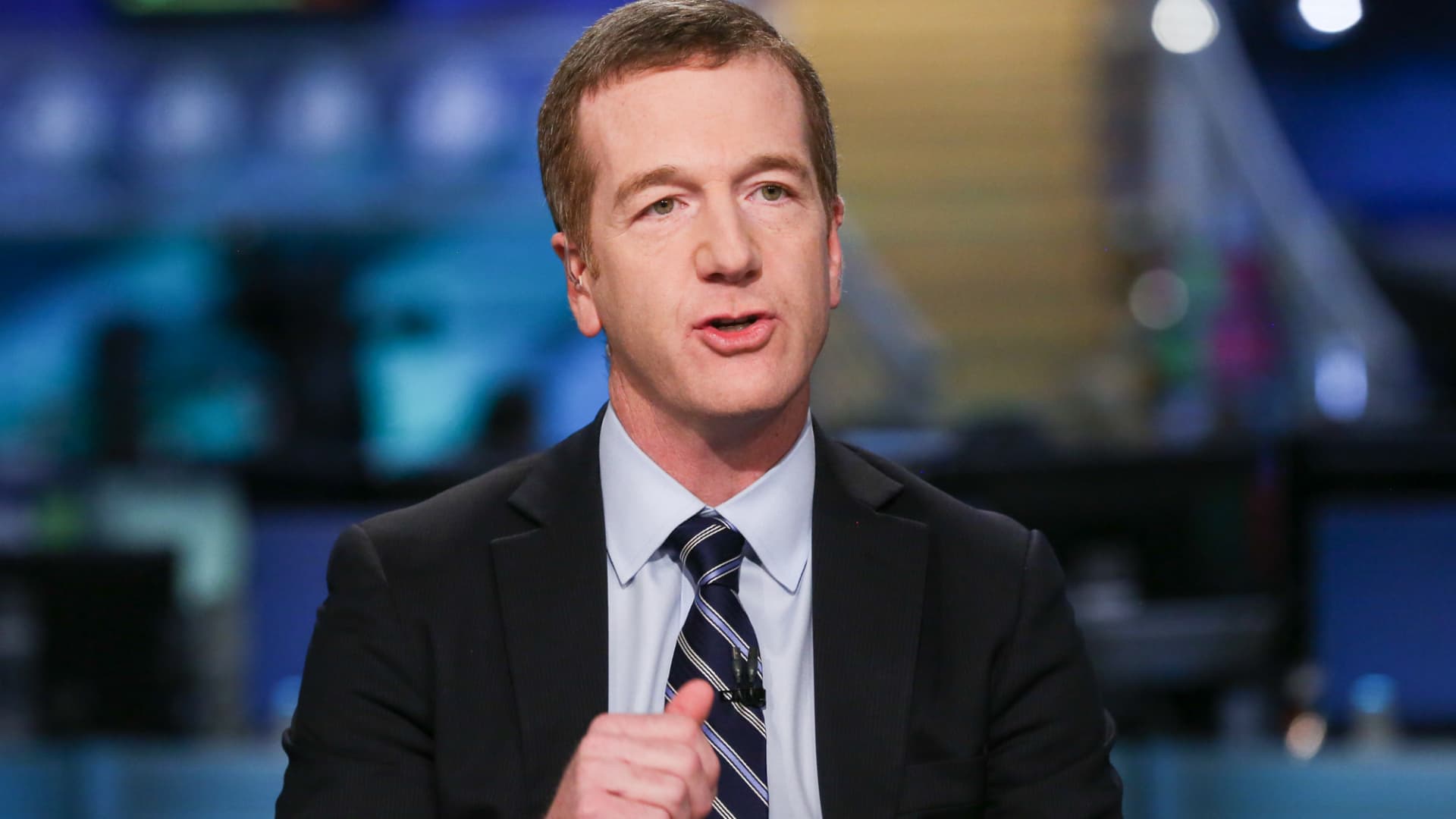
Morgan Stanley: Market to Decline Short-Term


- Market Downturn Expected: Morgan Stanley's chief U.S. equity strategist Mike Wilson predicts the S&P 500 could drop to 6,300 by early April, indicating a 5% decline from Friday's close, reflecting investor concerns over geopolitical tensions and economic uncertainty.
- Significant War Impact: The S&P 500 has fallen 3.6% since the U.S.-Iran conflict began on February 28, highlighting the market's sensitivity to energy market fluctuations, while worries about private credit have further exacerbated negative sentiment among investors.
- Widespread Bear Market: Wilson notes that the current market pullback is
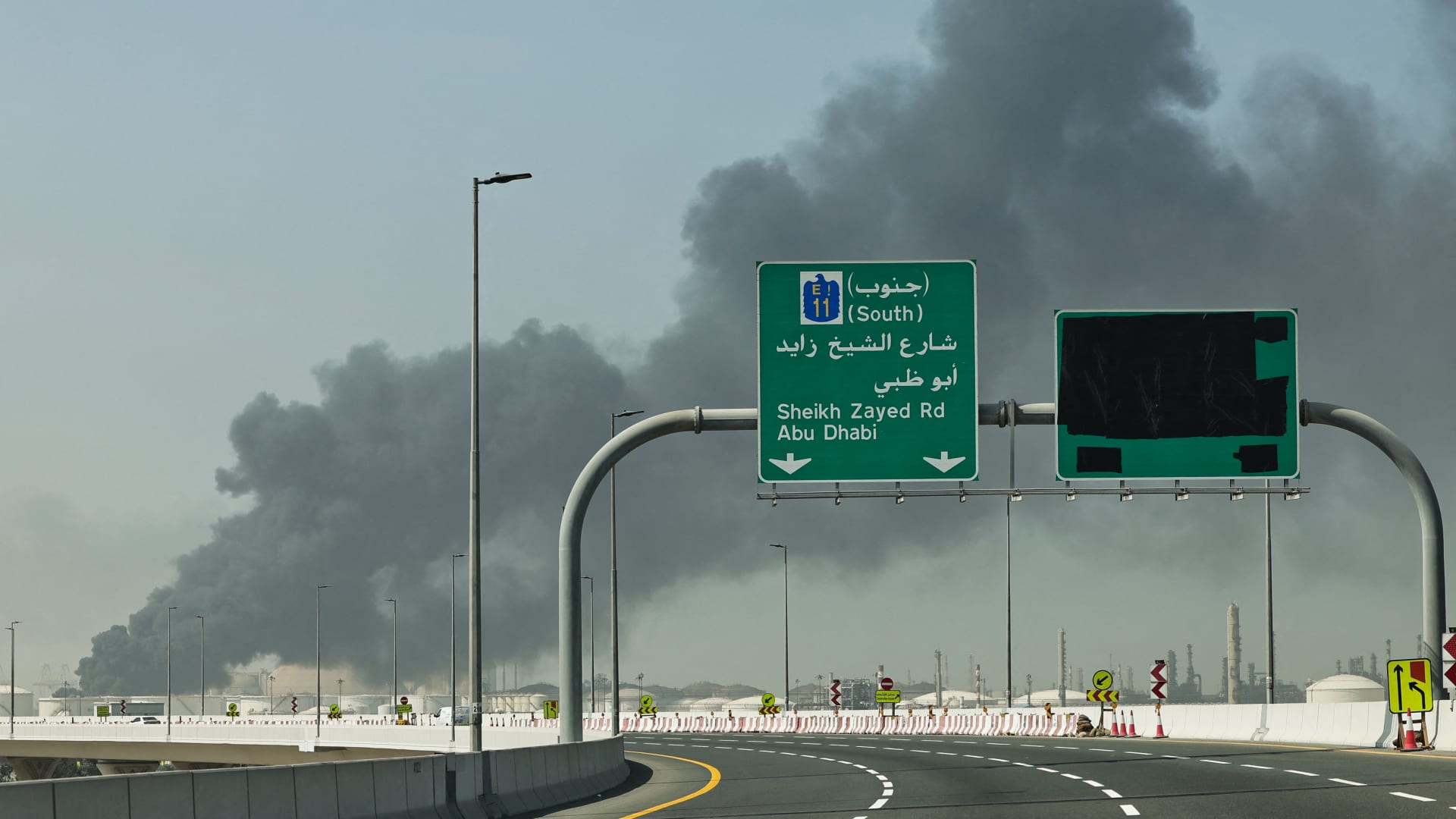
Iran's Strikes on UAE: Significant Regional Impact


- Defense Capability Enhancement: The UAE has successfully intercepted over 90% of incoming missiles and drones during the conflict with Iran, with official data showing that as of March 12, 268 ballistic missiles, 15 cruise missiles, and 1,514 drones were intercepted, although this has resulted in 6 fatalities and 131 injuries, highlighting the pressure and challenges faced by the defense systems.
- Economic Centers Under Threat: Iran's strikes have significantly impacted life in the UAE, with residents in Dubai and Abu Dhabi frequently hearing explosions; despite government efforts to maintain 'business as usual', several international banks have pulled employees, reflecting concerns over economic security.
- Strengthened Strategic Alliance: The UAE's defense cooperation with the U.S. was further deepened in 2024, designating it as a major defense partner, particularly in artificial intelligence technology and investment, making this partnership crucial in the current situation.
- Energy Infrastructure Risks: The Abu Dhabi National Oil Company's Ruwais refinery was shut down due to a drone strike, indicating a direct threat to energy infrastructure from Iran, which could disrupt global energy supply chains and exacerbate market uncertainties.

Implications of Iran on Oil and Defense Stocks: Potential Upcoming Opportunities.


- Market Focus: The stock market primarily reflects future expectations rather than current conditions.
- Investment Perspective: Investors should consider long-term trends and potential developments when making decisions.
- Economic Indicators: Market movements are often influenced by forecasts and economic indicators that signal future performance.
- Strategic Planning: Successful investing requires a forward-looking approach, anticipating changes and adapting strategies accordingly.
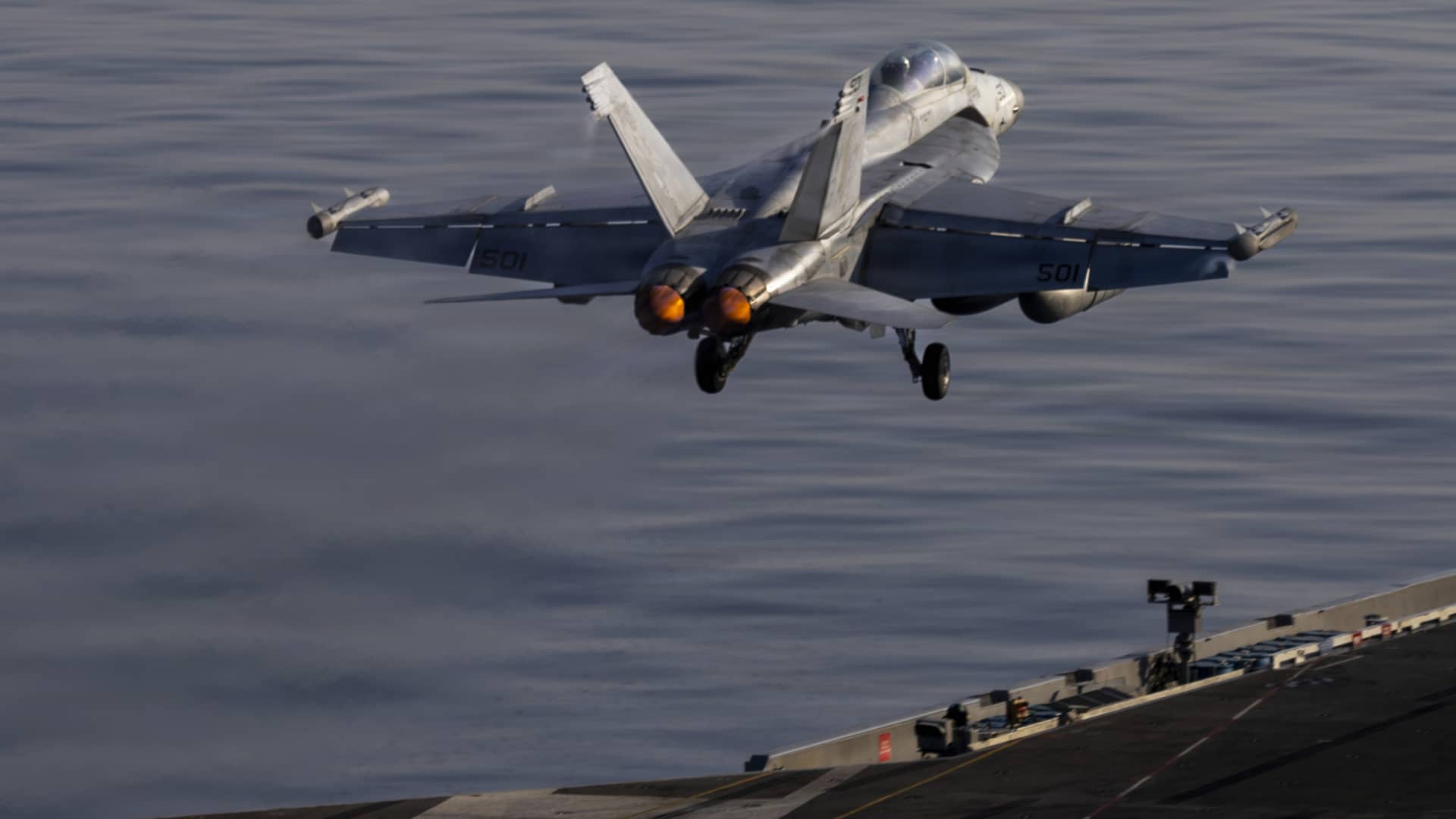
Iran War Disrupts Global Oil Prices and Supplies

- Oil Price Surge: The ongoing Iran war has pushed Brent crude oil futures above $100 per barrel for the second consecutive day, marking a more than 40% increase since the conflict began, which could have profound implications for the global economy, particularly for oil-importing nations.
- Supply Chain Disruption: Energy supplies through the Strait of Hormuz are choked off due to the war, leading to a temporary halt in oil-loading operations at the UAE's Fujairah port after a fire, although operations have since resumed, highlighting the vulnerability of supply chains and the potential for future energy crises.
- Escalation of Military Actions: President Trump has ordered bombing raids on Iranian military targets, specifically targeting the oil export hub on Kharg Island for the first time, a move that could further escalate tensions in the region and impact the stability of global oil markets.
- Major Event Cancellations: The war's impact has led Formula 1 to cancel upcoming Grand Prix races in Bahrain and Saudi Arabia scheduled for April, reflecting the widespread effects of the conflict on international events, which could affect related economic interests and tourism.
Trump Delays Meeting with Xi Jinping
- Meeting Postponed: Trump announced that the U.S. has requested to delay his planned meeting with Chinese President Xi Jinping, originally set for late March in Beijing, by about a month due to the ongoing war with Iran, highlighting the impact of current international tensions on diplomatic engagements.
- War Impact: Trump emphasized the need to remain in the U.S. due to the war, expressing a desire to resolve tensions with Iran before meeting Xi, which indicates the prioritization of domestic issues in U.S. foreign policy considerations.
- China's Role: Trump mentioned that China, as a major buyer of Iranian oil, should assist the U.S. in breaking the de facto blockade of the Strait of Hormuz, reflecting expectations for a more proactive Chinese role in Middle Eastern affairs.
- Official Clarification: Senior officials clarified that the postponement is primarily for logistical reasons rather than a demand for China to intervene in the Strait of Hormuz, which helps mitigate misunderstandings regarding U.S. diplomatic strategies.
Nvidia Launches Space Computing Platforms
- Launch of Space Computing Platforms: Nvidia unveiled computing platforms for orbital data centers at GTC 2026, with CEO Jensen Huang stating that the era of space computing has arrived, projecting over $1 trillion in orders by 2027.
- Modular Design Benefits: The Vera Rubin Space-1 module integrates IGX Thor and Jetson Orin chips, engineered for efficient operation in size-, weight-, and power-constrained environments, enhancing the intelligence of space missions.
- Engineering Challenges and Partnerships: While Nvidia collaborates with companies like Axiom Space, Starcloud, and Planet to develop orbital data centers, overcoming cooling system challenges in space remains a significant engineering hurdle, highlighting the complexity of technology implementation.
- Market Potential and Competition: As AI demand surges, orbital data centers are seen as a solution to soaring electricity costs, although high launch costs and low availability pose major barriers, prompting AI companies to race for utilizing solar power in space.
Morgan Stanley: Market to Decline Short-Term
- Market Downturn Expected: Morgan Stanley's chief U.S. equity strategist Mike Wilson predicts the S&P 500 could drop to 6,300 by early April, indicating a 5% decline from Friday's close, reflecting investor concerns over geopolitical tensions and economic uncertainty.
- Significant War Impact: The S&P 500 has fallen 3.6% since the U.S.-Iran conflict began on February 28, highlighting the market's sensitivity to energy market fluctuations, while worries about private credit have further exacerbated negative sentiment among investors.
- Widespread Bear Market: Wilson notes that the current market pullback is
Iran's Strikes on UAE: Significant Regional Impact
- Defense Capability Enhancement: The UAE has successfully intercepted over 90% of incoming missiles and drones during the conflict with Iran, with official data showing that as of March 12, 268 ballistic missiles, 15 cruise missiles, and 1,514 drones were intercepted, although this has resulted in 6 fatalities and 131 injuries, highlighting the pressure and challenges faced by the defense systems.
- Economic Centers Under Threat: Iran's strikes have significantly impacted life in the UAE, with residents in Dubai and Abu Dhabi frequently hearing explosions; despite government efforts to maintain 'business as usual', several international banks have pulled employees, reflecting concerns over economic security.
- Strengthened Strategic Alliance: The UAE's defense cooperation with the U.S. was further deepened in 2024, designating it as a major defense partner, particularly in artificial intelligence technology and investment, making this partnership crucial in the current situation.
- Energy Infrastructure Risks: The Abu Dhabi National Oil Company's Ruwais refinery was shut down due to a drone strike, indicating a direct threat to energy infrastructure from Iran, which could disrupt global energy supply chains and exacerbate market uncertainties.
Implications of Iran on Oil and Defense Stocks: Potential Upcoming Opportunities.
- Market Focus: The stock market primarily reflects future expectations rather than current conditions.
- Investment Perspective: Investors should consider long-term trends and potential developments when making decisions.
- Economic Indicators: Market movements are often influenced by forecasts and economic indicators that signal future performance.
- Strategic Planning: Successful investing requires a forward-looking approach, anticipating changes and adapting strategies accordingly.
Iran War Disrupts Global Oil Prices and Supplies
- Oil Price Surge: The ongoing Iran war has pushed Brent crude oil futures above $100 per barrel for the second consecutive day, marking a more than 40% increase since the conflict began, which could have profound implications for the global economy, particularly for oil-importing nations.
- Supply Chain Disruption: Energy supplies through the Strait of Hormuz are choked off due to the war, leading to a temporary halt in oil-loading operations at the UAE's Fujairah port after a fire, although operations have since resumed, highlighting the vulnerability of supply chains and the potential for future energy crises.
- Escalation of Military Actions: President Trump has ordered bombing raids on Iranian military targets, specifically targeting the oil export hub on Kharg Island for the first time, a move that could further escalate tensions in the region and impact the stability of global oil markets.
- Major Event Cancellations: The war's impact has led Formula 1 to cancel upcoming Grand Prix races in Bahrain and Saudi Arabia scheduled for April, reflecting the widespread effects of the conflict on international events, which could affect related economic interests and tourism.