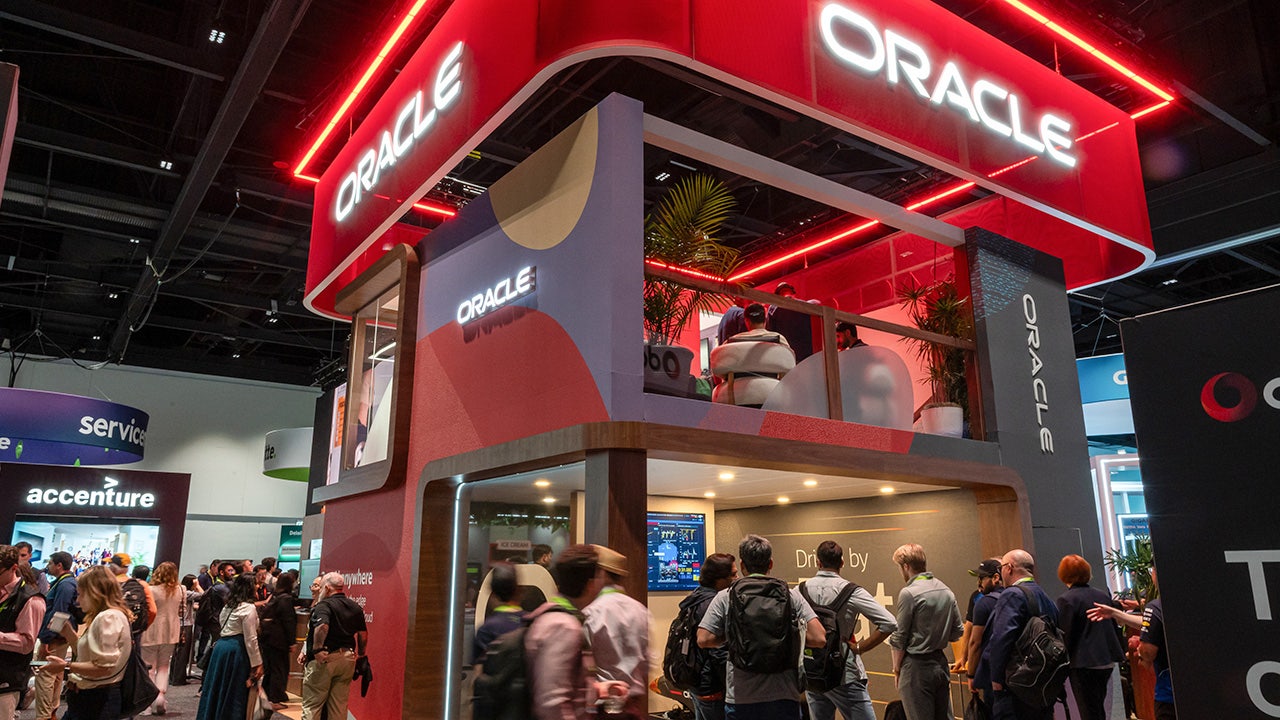
Atlassian Announces Restructuring, Cutting Approximately 10% of Workforce
In a regulatory filing, the company states: "On March 11, 2026, Atlassian Corporation announced a restructuring that results in the elimination of certain roles, impacting approximately 10% of the Company's workforce. These actions are intended to rebalance the Company to accelerate building the future of teamwork in the AI era. This includes self-funding further investment in key strategic priorities, such as AI and enterprise sales, reorganizing its teams to move with more focus and speed across the Atlassian System of Work, and optimizing for long-term operational efficiency and sustainability. Position eliminations in each country are subject to local law and consultation requirements. The Company estimates it will incur approximately $225 million to $236 million in charges in connection with these actions, of which approximately $169 million to $174 million is expected to result in future cash outlays related to severance, notice period, employee transition and benefits payments and approximately $56 million to $62 million is expected to consist of exit charges associated with office space reductions. The Company intends to exclude the charges associated with these actions from its non-GAAP financial measures. The Company expects the majority of these charges will be incurred in the third quarter of fiscal year 2026."
Trade with 70% Backtested Accuracy
Analyst Views on TEAM

About TEAM
About the author


Zscaler Shares Drop 39.8% Year-to-Date


- Poor Stock Performance: Zscaler's shares fell 3.5% today, marking a year-to-date decline of 39.8%, indicating a significant weakening of the company's market competitiveness, which may impact investor confidence.
- Market Dynamics Analysis: As the worst-performing component in the Nasdaq 100, Zscaler's struggles reflect challenges in the tech sector, potentially hindering future financing and expansion plans.
- Competitor Performance: In contrast to Zscaler, Atlassian's stock dropped 2.4% today, while Seagate Technology Holdings rose 6.2%, highlighting varying market reactions to different tech companies, which could affect Zscaler's market positioning.
- Investor Focus: Investors should monitor Zscaler's future strategies and market adaptability to address current stock pressures and industry competition, ensuring the company can regain its growth momentum.

Market Watch: Corporate Dynamics and Analysis


- Nike's Disappointing Performance: Despite beating revenue and earnings expectations, Nike issued weak guidance due to inventory issues and a slowdown in North American growth, prompting downgrades from Goldman, JPMorgan, and Bank of America, reflecting market concerns about its future performance.
- RH's Poor Earnings Report: Luxury home furnishings maker RH fell short on key metrics in its fourth quarter, and its current quarter guidance was also weak, impacted by tariffs and a sluggish housing market, leading to an 18% drop in shares, although its full-year cash flow guidance improved, the overall outlook remains bleak.
- Arm's Price Target Increase: Wells Fargo raised Arm's price target from $165 to $175, with analysts optimistic about Arm's entry into the data center CPU market with its first in-house silicon offering, reiterating a buy rating, indicating strong market confidence in its competition against Intel and AMD.
- Boeing Stock Rating Upgrade: Wells Fargo upgraded Boeing's stock to buy with a price target of $250, implying over 25% upside from yesterday's close, as analysts favor Boeing's free cash flow recovery and overall turnaround under CEO Kelly Ortberg, suggesting potential returns for investors.

Skepticism on SaaS Companies' AI Hype

- AI Paradox Unveiled: Jackson's analysis of 716 SaaS earnings calls over two decades reveals that companies in the top quintile of AI language density underperformed the bottom quintile by 5.4 percentage points over the following 90 days, indicating an overreaction to AI hype in the market.
- Shifting Market Sentiment: He argues that many SaaS firms are overvalued due to growth narratives driven by AI, facing risks of slowing organic growth, rising customer acquisition costs, and deteriorating pricing power, particularly as enterprise spending tightens.
- Short Position Strategy: Jackson has established short positions in Salesforce, Asana, DocuSign, and Atlassian, all of which are trading at multi-year lows, with Asana hitting an all-time low, reflecting a pessimistic outlook on their future performance.
- Comparative Industry Analysis: While companies like CrowdStrike and Zscaler benefit from AI advancements, Jackson believes the market is punishing all related firms too harshly, leading to misjudgments in investment choices among investors.
US Stocks Performance Review and Outlook


- Employment Data Expectations: ADP is set to release employment data at 8:15 a.m. ET, with a consensus estimate of 39,000 new jobs in the private sector, which will provide a crucial indicator of economic health and could influence investor confidence and market trends.
- Retail Sales Growth: Retail sales figures are expected to be released at 8:30 a.m., with a general forecast of a 0.5% increase, a data point that will directly impact consumer spending and the outlook for economic recovery, potentially guiding a market rebound.
- Corporate Earnings Dynamics: Cal-Maine, Conagra, and Lamb Weston are scheduled to report earnings before the bell, with Cal-Maine's stock flat over the past three months, Conagra down 9%, and Lamb Weston showing no significant change, all of which will affect investor sentiment towards the food sector.
- Market Performance Review: In the first quarter, the Russell 2000 index rose by 0.58%, making it the best performer among major indices, while the S&P 500 and Nasdaq 100 fell by 4.63% and 5.98%, respectively, reflecting market volatility and cautious investor sentiment.
Microsoft Faces AI Growth Pressure as Stock Plummets

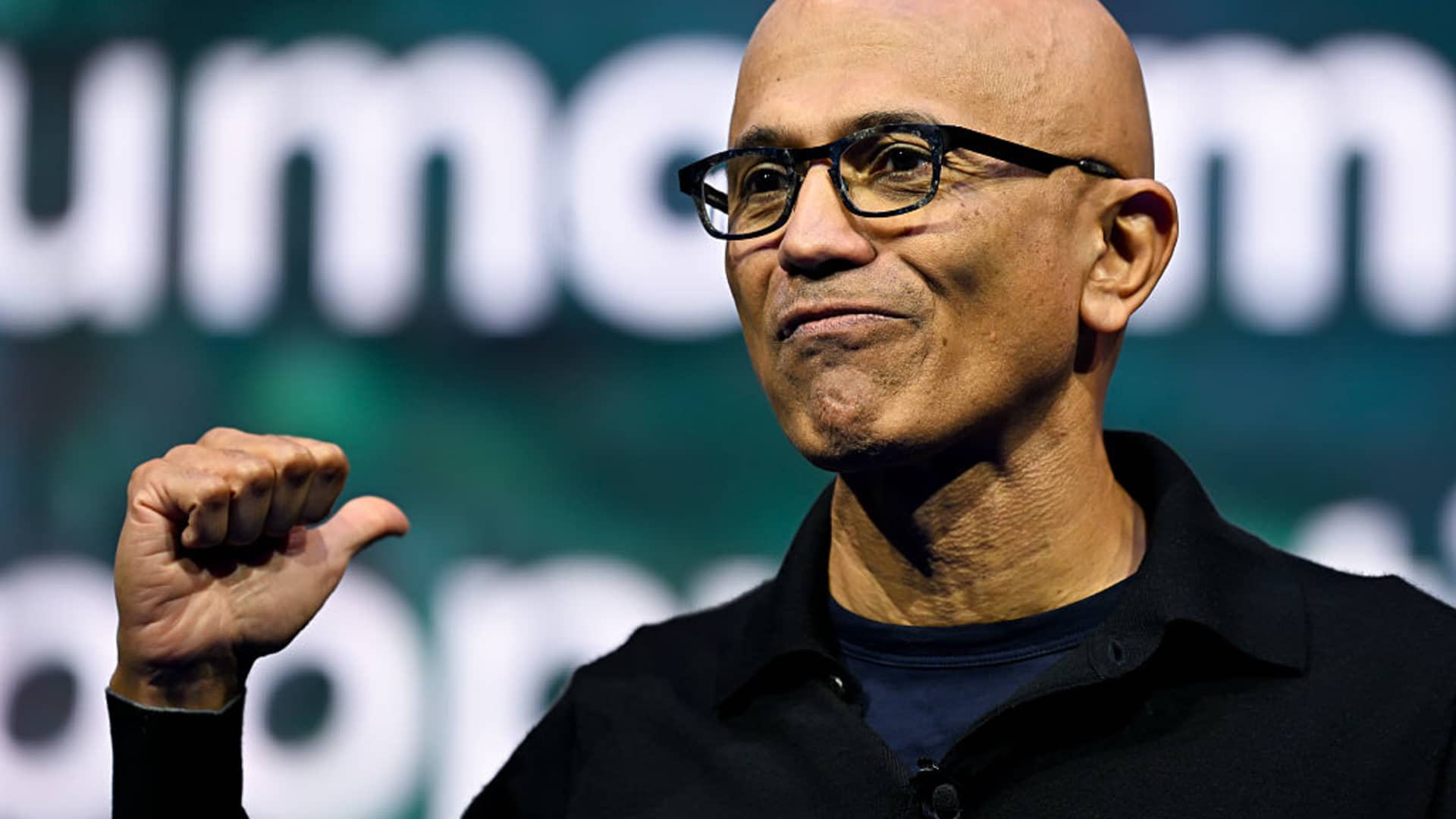
- Stock Plunge: Microsoft experienced a 23% drop in stock price during Q1, marking its worst quarterly performance since the 2008 financial crisis, significantly outpacing the Nasdaq's 7% decline, indicating investor concerns over its AI growth prospects that could impact future financing capabilities.
- AI Assistant Challenges: Microsoft's Copilot AI assistant has seen low user adoption, with only 3% of commercial Office customers holding licenses, forcing the company to allocate Azure cloud resources for improvements to maintain market share amid fierce competition.
- Executive Shake-up: Microsoft reassigned Copilot development head Mustafa Suleyman and appointed former Snap executive Jacob Andreou to lead the Copilot experience for consumers and commercial clients, raising market concerns about the company's strategic direction and potentially affecting team morale.
- Cloud Business Growth: Despite challenges, Microsoft's Azure cloud service achieved a 39% revenue growth in the December quarter, with commercial remaining performance obligations exceeding $625 billion, reflecting strong demand in the cloud infrastructure market that may support the company's future.
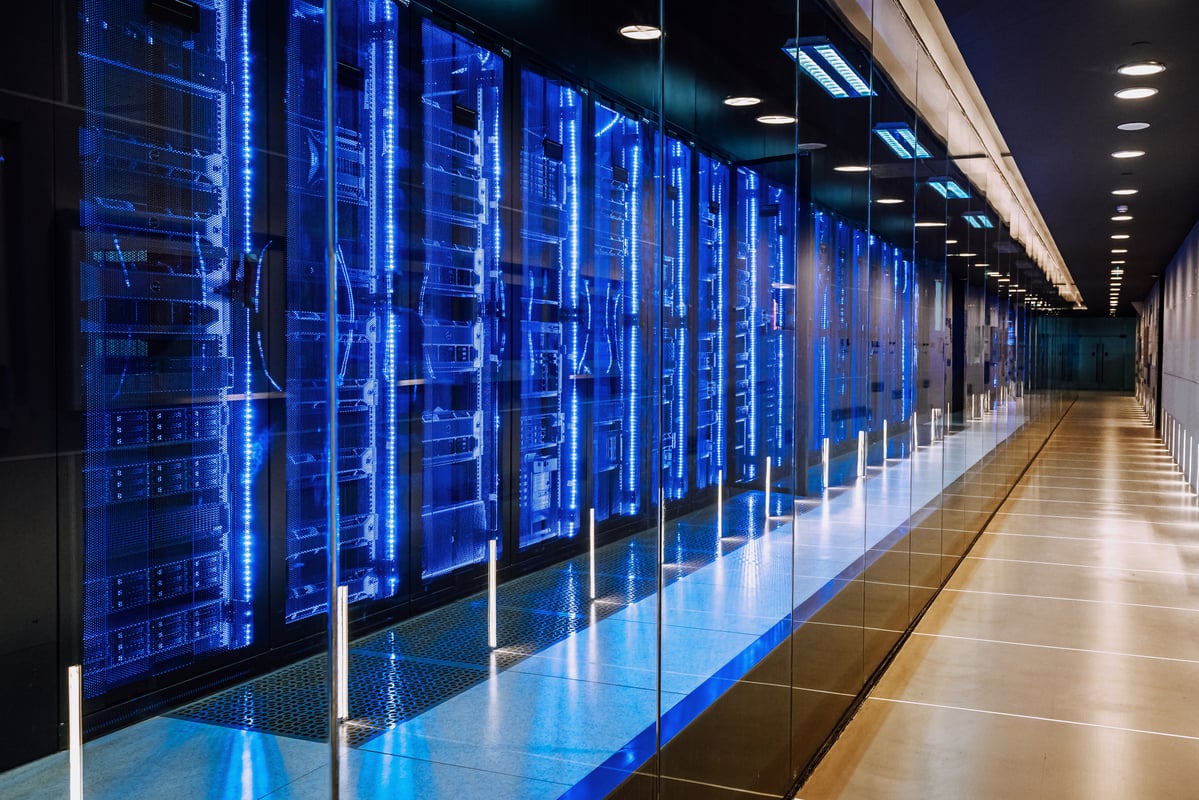
Oracle Cuts 30,000 Jobs to Fund AI Investments Amid Financial Strain


- Massive Layoffs: Oracle announced today that it will cut 30,000 jobs, a move seemingly aimed at conserving cash to support its $50 billion AI infrastructure investment, highlighting the financial pressures the company faces during its transformation.
- Increased Financial Risk: Oracle is expected to spend $50 billion on capital expenditures this fiscal year while only guiding for $67 billion in revenue, indicating a potential loss of nearly $30 billion in free cash flow, reflecting the high risks associated with its AI strategy.
- Industry-Wide Layoff Trend: Similar to Oracle, several tech companies like Meta and Amazon are also laying off employees, indicating that the rise of AI technology is leading to job reductions in the software sector, which could have far-reaching implications for the overall economy.
- Positive Investor Reaction: Despite the human cost of layoffs, investors reacted positively to Oracle's stock, which rose 5.3% today, demonstrating market confidence in the company's AI pivot, although this confidence may waver as job growth in the labor market slows significantly.
Zscaler Shares Drop 39.8% Year-to-Date
- Poor Stock Performance: Zscaler's shares fell 3.5% today, marking a year-to-date decline of 39.8%, indicating a significant weakening of the company's market competitiveness, which may impact investor confidence.
- Market Dynamics Analysis: As the worst-performing component in the Nasdaq 100, Zscaler's struggles reflect challenges in the tech sector, potentially hindering future financing and expansion plans.
- Competitor Performance: In contrast to Zscaler, Atlassian's stock dropped 2.4% today, while Seagate Technology Holdings rose 6.2%, highlighting varying market reactions to different tech companies, which could affect Zscaler's market positioning.
- Investor Focus: Investors should monitor Zscaler's future strategies and market adaptability to address current stock pressures and industry competition, ensuring the company can regain its growth momentum.
Market Watch: Corporate Dynamics and Analysis
- Nike's Disappointing Performance: Despite beating revenue and earnings expectations, Nike issued weak guidance due to inventory issues and a slowdown in North American growth, prompting downgrades from Goldman, JPMorgan, and Bank of America, reflecting market concerns about its future performance.
- RH's Poor Earnings Report: Luxury home furnishings maker RH fell short on key metrics in its fourth quarter, and its current quarter guidance was also weak, impacted by tariffs and a sluggish housing market, leading to an 18% drop in shares, although its full-year cash flow guidance improved, the overall outlook remains bleak.
- Arm's Price Target Increase: Wells Fargo raised Arm's price target from $165 to $175, with analysts optimistic about Arm's entry into the data center CPU market with its first in-house silicon offering, reiterating a buy rating, indicating strong market confidence in its competition against Intel and AMD.
- Boeing Stock Rating Upgrade: Wells Fargo upgraded Boeing's stock to buy with a price target of $250, implying over 25% upside from yesterday's close, as analysts favor Boeing's free cash flow recovery and overall turnaround under CEO Kelly Ortberg, suggesting potential returns for investors.
Skepticism on SaaS Companies' AI Hype
- AI Paradox Unveiled: Jackson's analysis of 716 SaaS earnings calls over two decades reveals that companies in the top quintile of AI language density underperformed the bottom quintile by 5.4 percentage points over the following 90 days, indicating an overreaction to AI hype in the market.
- Shifting Market Sentiment: He argues that many SaaS firms are overvalued due to growth narratives driven by AI, facing risks of slowing organic growth, rising customer acquisition costs, and deteriorating pricing power, particularly as enterprise spending tightens.
- Short Position Strategy: Jackson has established short positions in Salesforce, Asana, DocuSign, and Atlassian, all of which are trading at multi-year lows, with Asana hitting an all-time low, reflecting a pessimistic outlook on their future performance.
- Comparative Industry Analysis: While companies like CrowdStrike and Zscaler benefit from AI advancements, Jackson believes the market is punishing all related firms too harshly, leading to misjudgments in investment choices among investors.
US Stocks Performance Review and Outlook
- Employment Data Expectations: ADP is set to release employment data at 8:15 a.m. ET, with a consensus estimate of 39,000 new jobs in the private sector, which will provide a crucial indicator of economic health and could influence investor confidence and market trends.
- Retail Sales Growth: Retail sales figures are expected to be released at 8:30 a.m., with a general forecast of a 0.5% increase, a data point that will directly impact consumer spending and the outlook for economic recovery, potentially guiding a market rebound.
- Corporate Earnings Dynamics: Cal-Maine, Conagra, and Lamb Weston are scheduled to report earnings before the bell, with Cal-Maine's stock flat over the past three months, Conagra down 9%, and Lamb Weston showing no significant change, all of which will affect investor sentiment towards the food sector.
- Market Performance Review: In the first quarter, the Russell 2000 index rose by 0.58%, making it the best performer among major indices, while the S&P 500 and Nasdaq 100 fell by 4.63% and 5.98%, respectively, reflecting market volatility and cautious investor sentiment.
Microsoft Faces AI Growth Pressure as Stock Plummets
- Stock Plunge: Microsoft experienced a 23% drop in stock price during Q1, marking its worst quarterly performance since the 2008 financial crisis, significantly outpacing the Nasdaq's 7% decline, indicating investor concerns over its AI growth prospects that could impact future financing capabilities.
- AI Assistant Challenges: Microsoft's Copilot AI assistant has seen low user adoption, with only 3% of commercial Office customers holding licenses, forcing the company to allocate Azure cloud resources for improvements to maintain market share amid fierce competition.
- Executive Shake-up: Microsoft reassigned Copilot development head Mustafa Suleyman and appointed former Snap executive Jacob Andreou to lead the Copilot experience for consumers and commercial clients, raising market concerns about the company's strategic direction and potentially affecting team morale.
- Cloud Business Growth: Despite challenges, Microsoft's Azure cloud service achieved a 39% revenue growth in the December quarter, with commercial remaining performance obligations exceeding $625 billion, reflecting strong demand in the cloud infrastructure market that may support the company's future.
Oracle Cuts 30,000 Jobs to Fund AI Investments Amid Financial Strain
- Massive Layoffs: Oracle announced today that it will cut 30,000 jobs, a move seemingly aimed at conserving cash to support its $50 billion AI infrastructure investment, highlighting the financial pressures the company faces during its transformation.
- Increased Financial Risk: Oracle is expected to spend $50 billion on capital expenditures this fiscal year while only guiding for $67 billion in revenue, indicating a potential loss of nearly $30 billion in free cash flow, reflecting the high risks associated with its AI strategy.
- Industry-Wide Layoff Trend: Similar to Oracle, several tech companies like Meta and Amazon are also laying off employees, indicating that the rise of AI technology is leading to job reductions in the software sector, which could have far-reaching implications for the overall economy.
- Positive Investor Reaction: Despite the human cost of layoffs, investors reacted positively to Oracle's stock, which rose 5.3% today, demonstrating market confidence in the company's AI pivot, although this confidence may waver as job growth in the labor market slows significantly.