ASML's Rise in the AI Supercycle
Written by Emily J. Thompson, Senior Investment Analyst
Updated: 1 hour ago
0mins
Should l Buy ASML?
Source: Fool
- Surging Market Demand: ASML secured €28 billion in bookings in 2024, up from €19 billion in 2023, indicating robust demand for its extreme ultraviolet (EUV) lithography machines, with expectations for continued order growth in the coming years, driving revenue expansion.
- Increased Capital Expenditure: Taiwan Semiconductor Manufacturing Company plans to boost its capital expenditures by 33% in 2026, allocating 70% to 80% of its budget to advanced process nodes, which will directly enhance demand for ASML's machines and solidify its market position.
- Profitability Enhancement: ASML's stock has surged 117% over the past year, with projected earnings growth of 20% this year and 27% in 2027, showcasing strong growth potential that attracts investor interest.
- Innovation-Driven Growth: ASML's next-generation EUV tools, priced at $400 million, simplify manufacturing processes and reduce costs, expected to further enhance the company's competitive edge and market share.
Trade with 70% Backtested Accuracy
Stop guessing "Should I Buy ASML?" and start using high-conviction signals backed by rigorous historical data.
Sign up today to access powerful investing tools and make smarter, data-driven decisions.
Analyst Views on ASML
Wall Street analysts forecast ASML stock price to rise
12 Analyst Rating
12 Buy
0 Hold
0 Sell
Strong Buy
Current: 1304.010

Low
1385
Averages
1583
High
1911
Current: 1304.010
Low
1385
Averages
1583
High
1911
About ASML
ASML Holding N.V. is a holding company based in the Netherlands. The Company operates through its subsidiaries in the Netherlands, the United States, Italy, France, Germany, the United Kingdom, Ireland, Belgium, South Korea, Taiwan, Singapore, China, Hong Kong, Japan, Malaysia and Israel. The Company operates through one business segment which is engage in development, production, marketing, sales, upgrading and servicing of advanced semiconductor equipment systems, consisting of lithography, metrology and inspection systems. The Company offers TWINSCAN systems, equipped with lithography system with a mercury lamp as light source (i-line), Krypton Fluoride (KrF) and Argon Fluoride (ArF) light sources for processing wafers for manufacturing environments for which imaging at a small resolution is required. TWINSCAN systems also include immersion lithography systems (TWINSCAN immersion systems).
About the author

Emily J. Thompson
Emily J. Thompson, a Chartered Financial Analyst (CFA) with 12 years in investment research, graduated with honors from the Wharton School. Specializing in industrial and technology stocks, she provides in-depth analysis for Intellectia’s earnings and market brief reports.

ASML's Crucial Role in the AI Supercycle
- Surge in Orders: ASML secured €28 billion in bookings last year, a significant increase from €19 billion in 2024, highlighting its pivotal role in the surging demand for AI hardware, with expectations for further order growth in the coming years.
- Increased Capital Expenditure: Taiwan Semiconductor Manufacturing Company plans to boost its capital expenditures by 33% in 2026, allocating 70% to 80% of its budget to advanced process nodes, indicating a substantial rise in demand for ASML's extreme ultraviolet (EUV) machines, which will drive future revenue growth.
- Technological Edge: ASML is the sole manufacturer of EUV lithography machines, essential for producing high-performance advanced chips, and as AI workloads increase, the demand for ASML's technology is expected to rise, further solidifying its market leadership.
- Stock Performance: ASML's stock has surged 117% over the past year, with earnings projected to increase by 20% in 2026 and 27% in 2027, indicating strong growth potential that is likely to attract investor interest.
See More
ASML's Rise in the AI Supercycle
- Surging Market Demand: ASML secured €28 billion in bookings in 2024, up from €19 billion in 2023, indicating robust demand for its extreme ultraviolet (EUV) lithography machines, with expectations for continued order growth in the coming years, driving revenue expansion.
- Increased Capital Expenditure: Taiwan Semiconductor Manufacturing Company plans to boost its capital expenditures by 33% in 2026, allocating 70% to 80% of its budget to advanced process nodes, which will directly enhance demand for ASML's machines and solidify its market position.
- Profitability Enhancement: ASML's stock has surged 117% over the past year, with projected earnings growth of 20% this year and 27% in 2027, showcasing strong growth potential that attracts investor interest.
- Innovation-Driven Growth: ASML's next-generation EUV tools, priced at $400 million, simplify manufacturing processes and reduce costs, expected to further enhance the company's competitive edge and market share.
See More
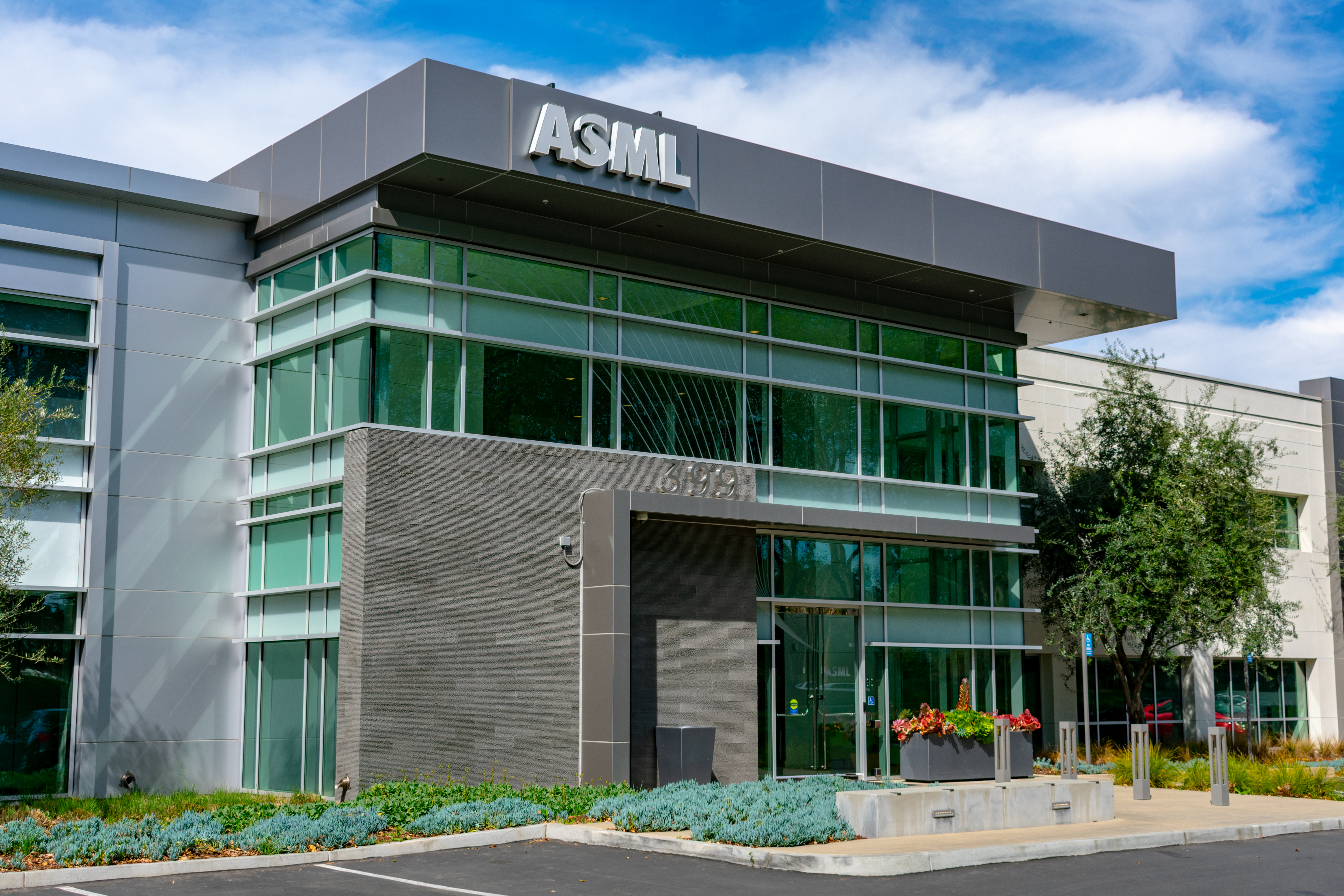
ASML Faces Impact from MATCH Act Proposal

- Stock Price Decline: ASML's stock fell by 1.5% during early Tuesday trading, alongside other semiconductor equipment manufacturers, reflecting market concerns over the MATCH Act draft aimed at tightening export controls on semiconductor manufacturing equipment.
- Technology Restriction Risks: Analysts at Citi Research indicated that the MATCH Act could negatively impact ASML by restricting its sales of DUV immersion tools to China, thereby limiting Chinese chipmakers' production capabilities and potentially leading to revenue declines for ASML and other equipment manufacturers.
- Dependency on Chinese Market: ASML is projected to generate 29% of its revenue from China in 2025, while U.S. semiconductor equipment manufacturers also derived 30% to 40% of their revenue from China last year; the passage of the MATCH Act could provoke retaliation from China, affecting these companies' market performance.
- Earnings Forecast: ASML is set to report its Q1 2026 financial results on April 15, with consensus estimates predicting earnings per share of $7.67 on revenue of $9.99 billion, marking an increase from last year's EPS of $6.83 and revenue of $8.82 billion.
See More

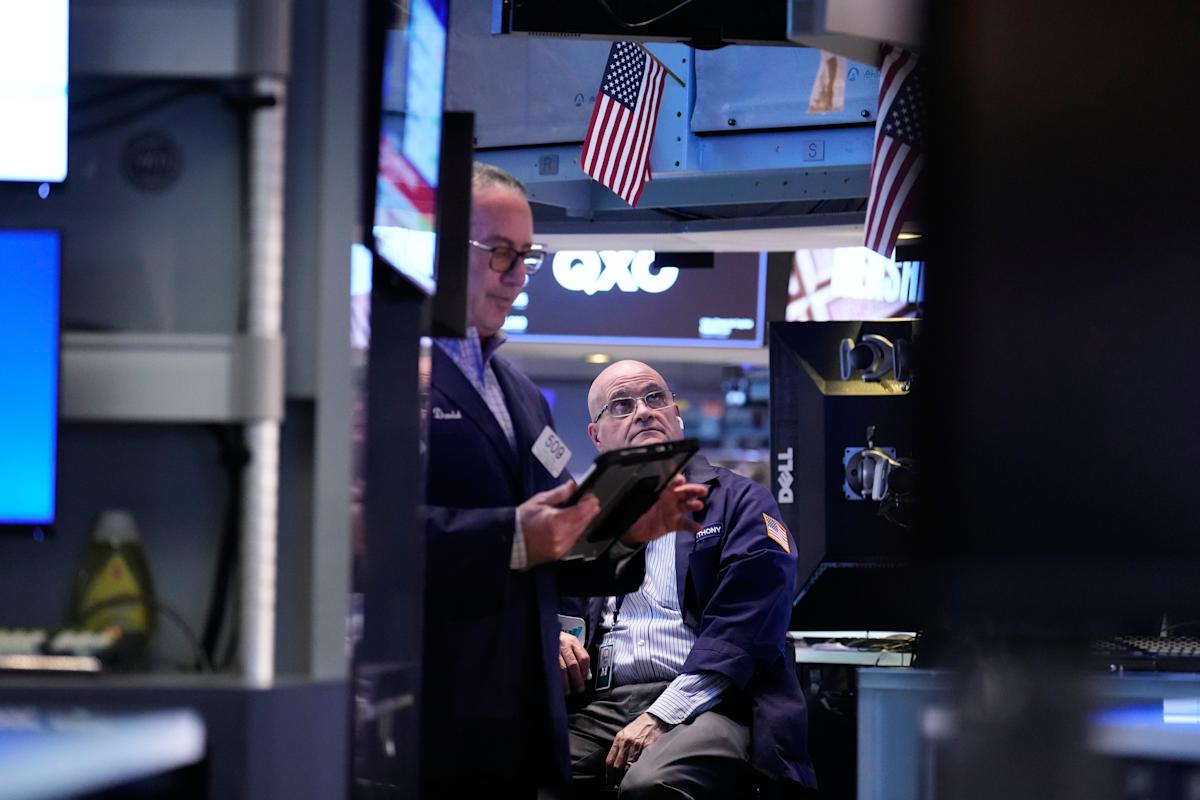
US Stocks Decline as Oil Prices Surge Amid Iran Tensions


- Market Decline: The S&P 500 Index fell by 0.90%, the Dow Jones Industrial Average dropped by 0.76%, and the Nasdaq 100 Index decreased by 1.40%, reflecting investor concerns over geopolitical tensions, particularly the potential escalation of conflict between Iran and the US.
- Oil Price Surge: Crude oil prices rose over 3% to a four-week high as the market watches for Iran's response to a ceasefire deadline tonight, with failure to reach an agreement potentially leading to broader military conflict and impacting global energy supplies.
- Positive Economic Data: Despite the overall market downturn, February's non-defense capital goods new orders increased by 0.6% month-over-month, surpassing expectations of 0.5%, indicating resilience in US capital spending that could support future market stability.
- Bond Market Reaction: The 10-year Treasury note yield rose to 4.357% as rising oil prices boosted inflation expectations, while the market's diminished outlook for a Fed rate hike reflects investor caution regarding future economic policies.
See More

US Stocks Decline as Oil Prices Surge Amid Iran Tensions
- Market Decline: The S&P 500 index fell by 0.63%, the Dow Jones Industrial Average dropped by 0.66%, and the Nasdaq 100 index decreased by 0.78%, reflecting investor concerns over geopolitical tensions, particularly the escalating situation in Iran that could impact market stability.
- Surge in Oil Prices: Crude oil prices rose over 2% to a four-week high, with the market closely watching diplomatic efforts ahead of President Trump's deadline, as failure to reach a ceasefire could lead to escalated conflict and further inflationary pressures.
- Supportive Economic Data: February's non-defense capital goods new orders increased by 0.6% month-over-month, surpassing expectations of 0.5%, indicating a rebound in capital spending, although overall market sentiment remains influenced by oil prices and geopolitical factors.
- Interest Rate Expectations Shift: The market is pricing in only a 3% chance of a 25 basis point rate hike by the Fed at the April meeting, reflecting cautious investor sentiment regarding economic outlook, especially in light of rising oil prices potentially driving inflation.
See More
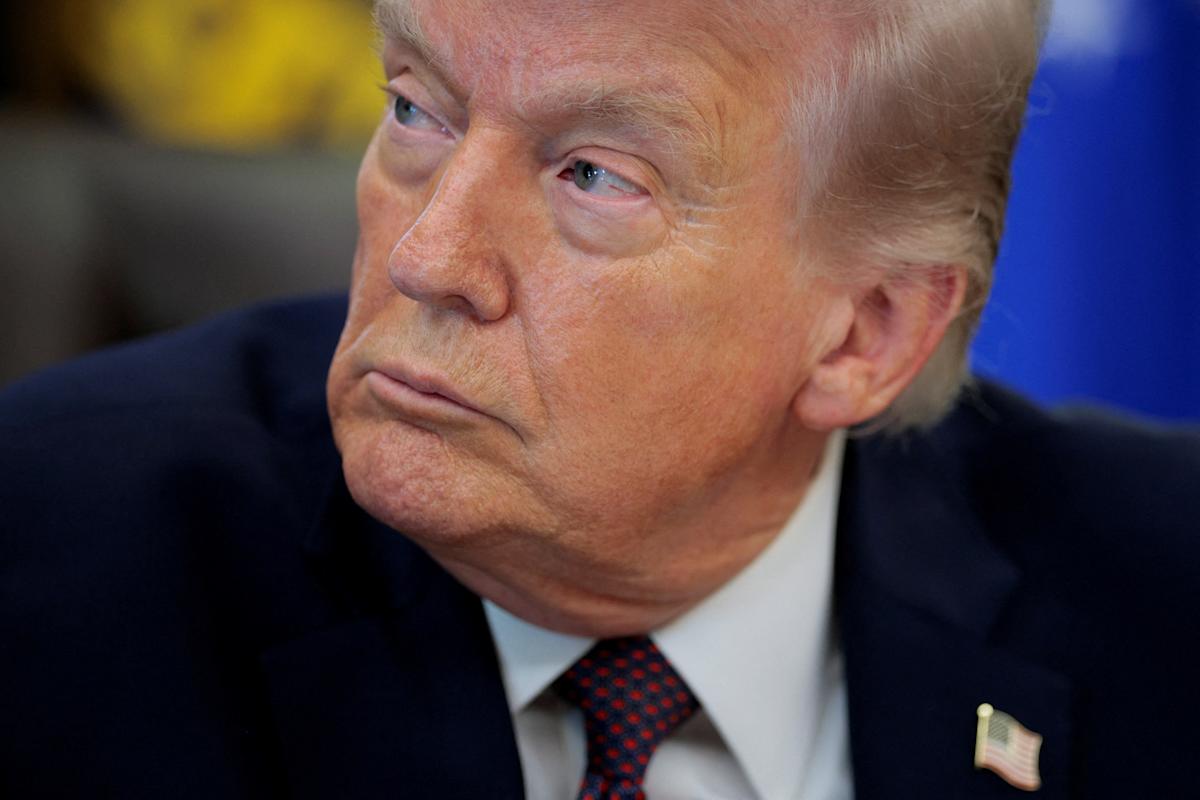
Market Watches Trump's Threats to Iran Ahead of Deadline


- Trump's Escalating Threats: As President Trump's deadline approaches, hopes for Iran to reopen the Strait of Hormuz are fading, leading to a projected lower open for the S&P 500 after four consecutive gains, indicating investor concerns over potential conflict.
- Broadcom's Partnership with Google: Broadcom has secured a deal with Google to produce future AI chips through 2031 and expanded its compute agreement with Anthropic, showcasing Broadcom's strong potential return to the AI chip market and possibly reshaping its industry leadership.
- Wells Fargo Raises Intel Price Target: Wells Fargo increased Intel's price target from $45 to $55, citing expected demand growth for server CPUs, although it trimmed 2026 EPS estimates by 2.6% while raising 2027 estimates by 8.7%, reflecting confidence in Intel's future prospects.
- Morgan Stanley Downgrades Arm: Morgan Stanley downgraded Arm from buy to hold due to execution risks in its in-house CPU initiative and memory supply constraints, despite raising the price target to $150, indicating cautious sentiment regarding Arm's near-term growth potential.
See More
ASML's Crucial Role in the AI Supercycle
- Surge in Orders: ASML secured €28 billion in bookings last year, a significant increase from €19 billion in 2024, highlighting its pivotal role in the surging demand for AI hardware, with expectations for further order growth in the coming years.
- Increased Capital Expenditure: Taiwan Semiconductor Manufacturing Company plans to boost its capital expenditures by 33% in 2026, allocating 70% to 80% of its budget to advanced process nodes, indicating a substantial rise in demand for ASML's extreme ultraviolet (EUV) machines, which will drive future revenue growth.
- Technological Edge: ASML is the sole manufacturer of EUV lithography machines, essential for producing high-performance advanced chips, and as AI workloads increase, the demand for ASML's technology is expected to rise, further solidifying its market leadership.
- Stock Performance: ASML's stock has surged 117% over the past year, with earnings projected to increase by 20% in 2026 and 27% in 2027, indicating strong growth potential that is likely to attract investor interest.
See More
ASML's Rise in the AI Supercycle
- Surging Market Demand: ASML secured €28 billion in bookings in 2024, up from €19 billion in 2023, indicating robust demand for its extreme ultraviolet (EUV) lithography machines, with expectations for continued order growth in the coming years, driving revenue expansion.
- Increased Capital Expenditure: Taiwan Semiconductor Manufacturing Company plans to boost its capital expenditures by 33% in 2026, allocating 70% to 80% of its budget to advanced process nodes, which will directly enhance demand for ASML's machines and solidify its market position.
- Profitability Enhancement: ASML's stock has surged 117% over the past year, with projected earnings growth of 20% this year and 27% in 2027, showcasing strong growth potential that attracts investor interest.
- Innovation-Driven Growth: ASML's next-generation EUV tools, priced at $400 million, simplify manufacturing processes and reduce costs, expected to further enhance the company's competitive edge and market share.
See More
ASML Faces Impact from MATCH Act Proposal
- Stock Price Decline: ASML's stock fell by 1.5% during early Tuesday trading, alongside other semiconductor equipment manufacturers, reflecting market concerns over the MATCH Act draft aimed at tightening export controls on semiconductor manufacturing equipment.
- Technology Restriction Risks: Analysts at Citi Research indicated that the MATCH Act could negatively impact ASML by restricting its sales of DUV immersion tools to China, thereby limiting Chinese chipmakers' production capabilities and potentially leading to revenue declines for ASML and other equipment manufacturers.
- Dependency on Chinese Market: ASML is projected to generate 29% of its revenue from China in 2025, while U.S. semiconductor equipment manufacturers also derived 30% to 40% of their revenue from China last year; the passage of the MATCH Act could provoke retaliation from China, affecting these companies' market performance.
- Earnings Forecast: ASML is set to report its Q1 2026 financial results on April 15, with consensus estimates predicting earnings per share of $7.67 on revenue of $9.99 billion, marking an increase from last year's EPS of $6.83 and revenue of $8.82 billion.
See More
US Stocks Decline as Oil Prices Surge Amid Iran Tensions
- Market Decline: The S&P 500 Index fell by 0.90%, the Dow Jones Industrial Average dropped by 0.76%, and the Nasdaq 100 Index decreased by 1.40%, reflecting investor concerns over geopolitical tensions, particularly the potential escalation of conflict between Iran and the US.
- Oil Price Surge: Crude oil prices rose over 3% to a four-week high as the market watches for Iran's response to a ceasefire deadline tonight, with failure to reach an agreement potentially leading to broader military conflict and impacting global energy supplies.
- Positive Economic Data: Despite the overall market downturn, February's non-defense capital goods new orders increased by 0.6% month-over-month, surpassing expectations of 0.5%, indicating resilience in US capital spending that could support future market stability.
- Bond Market Reaction: The 10-year Treasury note yield rose to 4.357% as rising oil prices boosted inflation expectations, while the market's diminished outlook for a Fed rate hike reflects investor caution regarding future economic policies.
See More
US Stocks Decline as Oil Prices Surge Amid Iran Tensions
- Market Decline: The S&P 500 index fell by 0.63%, the Dow Jones Industrial Average dropped by 0.66%, and the Nasdaq 100 index decreased by 0.78%, reflecting investor concerns over geopolitical tensions, particularly the escalating situation in Iran that could impact market stability.
- Surge in Oil Prices: Crude oil prices rose over 2% to a four-week high, with the market closely watching diplomatic efforts ahead of President Trump's deadline, as failure to reach a ceasefire could lead to escalated conflict and further inflationary pressures.
- Supportive Economic Data: February's non-defense capital goods new orders increased by 0.6% month-over-month, surpassing expectations of 0.5%, indicating a rebound in capital spending, although overall market sentiment remains influenced by oil prices and geopolitical factors.
- Interest Rate Expectations Shift: The market is pricing in only a 3% chance of a 25 basis point rate hike by the Fed at the April meeting, reflecting cautious investor sentiment regarding economic outlook, especially in light of rising oil prices potentially driving inflation.
See More
Market Watches Trump's Threats to Iran Ahead of Deadline
- Trump's Escalating Threats: As President Trump's deadline approaches, hopes for Iran to reopen the Strait of Hormuz are fading, leading to a projected lower open for the S&P 500 after four consecutive gains, indicating investor concerns over potential conflict.
- Broadcom's Partnership with Google: Broadcom has secured a deal with Google to produce future AI chips through 2031 and expanded its compute agreement with Anthropic, showcasing Broadcom's strong potential return to the AI chip market and possibly reshaping its industry leadership.
- Wells Fargo Raises Intel Price Target: Wells Fargo increased Intel's price target from $45 to $55, citing expected demand growth for server CPUs, although it trimmed 2026 EPS estimates by 2.6% while raising 2027 estimates by 8.7%, reflecting confidence in Intel's future prospects.
- Morgan Stanley Downgrades Arm: Morgan Stanley downgraded Arm from buy to hold due to execution risks in its in-house CPU initiative and memory supply constraints, despite raising the price target to $150, indicating cautious sentiment regarding Arm's near-term growth potential.
See More