PIMCO in Talks with Bank of America for $14 Billion Oracle Data Center Financing
Written by Emily J. Thompson, Senior Investment Analyst
Updated: 1 hour ago
0mins
Should l Buy ORCL?
Source: seekingalpha
- Large Financing Scale: Pacific Investment Management Co. is in discussions with Bank of America to secure approximately $14 billion in debt financing for Oracle's data center in Michigan, reflecting strong market demand for investments in data infrastructure.
- Bond Structure Arrangement: The financing will be structured as bonds, with PIMCO potentially syndicating some of the debt to other investors, which not only helps to diversify risk but also enhances the financing flexibility of the project.
- Blackstone's Involvement: Blackstone Inc. plans to contribute an additional $2 billion in equity for the project, further strengthening the funding base and potentially accelerating the construction timeline of the data center.
- Rapid Financing Progress: Oracle expressed pride in the “rapid progress” made in financing and developing the facility, and despite Blue Owl Capital's prior decision not to provide equity, leading to uncertainty in funding, the current discussions indicate a recovery in market confidence.
Trade with 70% Backtested Accuracy
Stop guessing "Should I Buy ORCL?" and start using high-conviction signals backed by rigorous historical data.
Sign up today to access powerful investing tools and make smarter, data-driven decisions.
Analyst Views on ORCL
Wall Street analysts forecast ORCL stock price to rise
34 Analyst Rating
25 Buy
9 Hold
0 Sell
Moderate Buy
Current: 145.540

Low
180.00
Averages
309.59
High
400.00
Current: 145.540
Low
180.00
Averages
309.59
High
400.00
About ORCL
Oracle Corporation offers integrated suites of applications plus secure, autonomous infrastructure in the Oracle Cloud. The Company operates through three businesses: cloud and license, hardware and service. Its cloud and license business is engaged in the sale, marketing and delivery of its enterprise applications and infrastructure technologies through cloud and on-premise deployment models including its cloud services and license support offerings, and its cloud license and on-premise license offerings. Its hardware business provides infrastructure technologies including Oracle Engineered Systems, servers, storage, industry-specific hardware, operating systems, virtualization, management and other hardware-related software to support diverse IT environments. Its services business provides services to customers and partners to help maximize the performance of their investments in Oracle applications and infrastructure technologies.
About the author

Emily J. Thompson
Emily J. Thompson, a Chartered Financial Analyst (CFA) with 12 years in investment research, graduated with honors from the Wharton School. Specializing in industrial and technology stocks, she provides in-depth analysis for Intellectia’s earnings and market brief reports.

PIMCO Considers $14 Billion Debt Agreement for Oracle Data Center - Bloomberg News

Debt Deal Overview: A $14 billion debt deal has been reached for Oracle's data center operations, indicating significant investment in cloud infrastructure.
Market Impact: The deal is expected to enhance Oracle's competitive position in the cloud services market, potentially attracting more clients and increasing revenue.
See More

Oracle's AI Investments Trigger Stock Price Decline
- Stock Decline: Oracle's shares have fallen over 24% in 2026, primarily due to investor concerns regarding its aggressive AI investments, particularly plans to raise up to $50 billion in debt and equity, which could lead to a significant increase in company debt and potentially negative free cash flow in the coming years.
- Performance Growth: As of the third quarter of fiscal 2026, Oracle's remaining performance obligations reached nearly $553 billion, up 325% year over year, indicating strong demand for AI infrastructure, with management stating that they are scaling primarily to meet contracted demand rather than speculative capacity, thereby reducing balance sheet risk.
- Revenue Surge: Total revenue rose 22% year over year to $17.2 billion in the third quarter, while cloud revenue soared 44% to $8.9 billion, reflecting robust enterprise demand for Oracle's multi-cloud database, which grew by 531% year over year, enhancing the company's competitive position in the market.
- Strategic Transformation: Oracle is gradually evolving from a traditional enterprise software provider to a full-stack AI infrastructure company, and despite the high risks involved, if it can successfully execute its strategy, the recent stock price decline may present an attractive entry point for long-term investors.
See More

PIMCO in Talks with Bank of America for $14 Billion Oracle Data Center Financing
- Large Financing Scale: Pacific Investment Management Co. is in discussions with Bank of America to secure approximately $14 billion in debt financing for Oracle's data center in Michigan, reflecting strong market demand for investments in data infrastructure.
- Bond Structure Arrangement: The financing will be structured as bonds, with PIMCO potentially syndicating some of the debt to other investors, which not only helps to diversify risk but also enhances the financing flexibility of the project.
- Blackstone's Involvement: Blackstone Inc. plans to contribute an additional $2 billion in equity for the project, further strengthening the funding base and potentially accelerating the construction timeline of the data center.
- Rapid Financing Progress: Oracle expressed pride in the “rapid progress” made in financing and developing the facility, and despite Blue Owl Capital's prior decision not to provide equity, leading to uncertainty in funding, the current discussions indicate a recovery in market confidence.
See More

Oracle Stock Dips 1.8% to $142.90 Amid Surge in Trading Volume
- Stock Performance: Oracle shares experienced a decline of 1.8%, closing at $142.90.
- Trading Volume: There was a notable spike in trading volumes during this period.
See More

Amazon Web Services Faces Ongoing Challenges in the Middle East


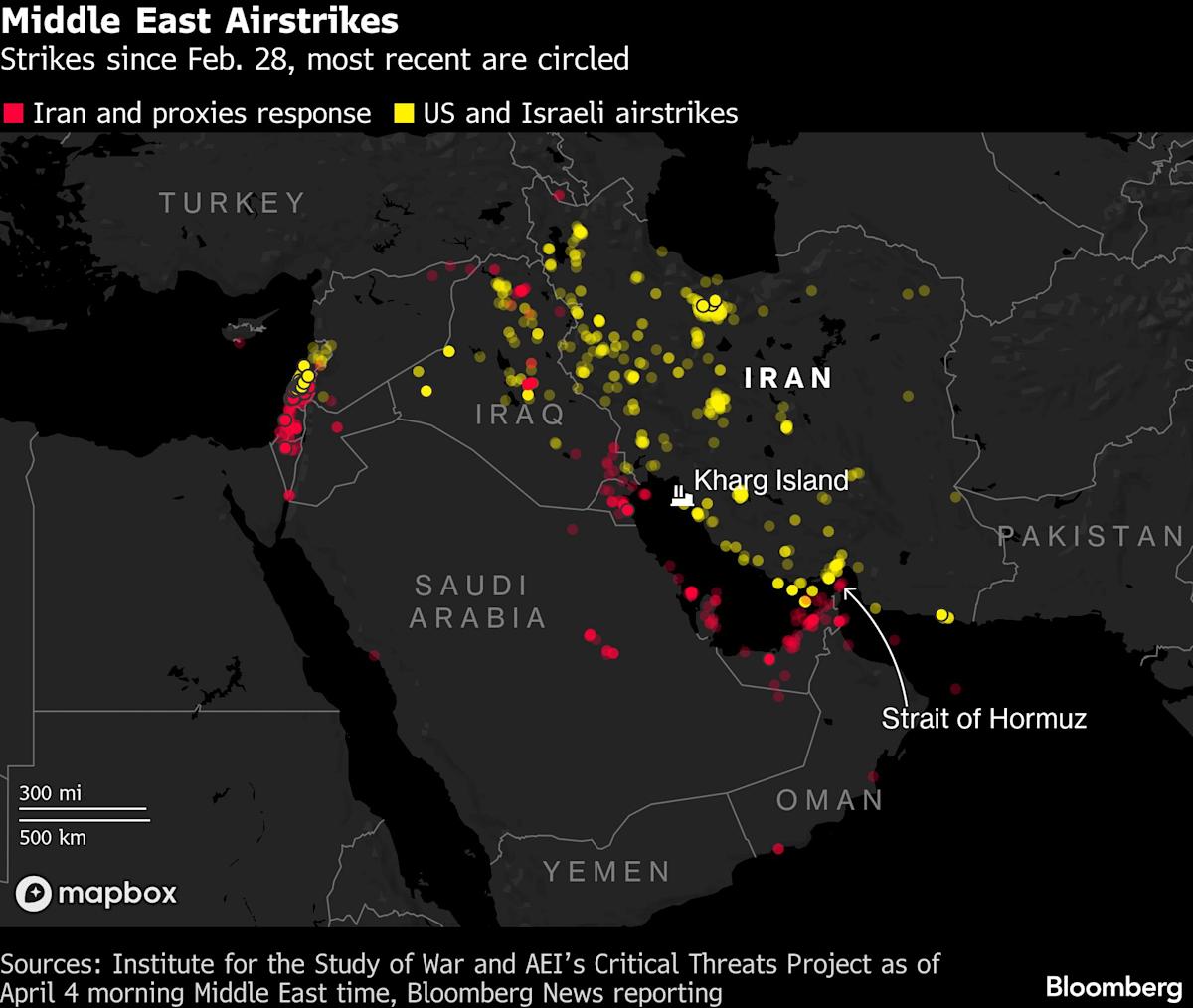
- Data Center Damage: Amazon Web Services (AWS) reported damage to its data centers in Bahrain and the UAE due to drone strikes, resulting in multiple services remaining unavailable, which impacts business operations for clients in the region and highlights the direct threat of geopolitical risks to cloud services.
- Rising Energy Costs: The ongoing conflict has led to increased energy prices, particularly affecting data centers housing chips for generative AI models, which may impact AWS's profit margins and future investment decisions as operational costs rise significantly.
- Global Economic Impact: AWS CEO Matt Garman noted that the blockade of the Strait of Hormuz has caused major disruptions to the global economy, especially for industries reliant on energy, indicating the widespread implications of geopolitical events on the tech sector.
- Middle East Investment Outlook: Despite the challenges, Garman expressed optimism about long-term investments in the Middle East, emphasizing the region's entrepreneurial spirit and willingness to invest, suggesting that AWS remains confident in future growth opportunities in this market.
See More

AWS Faces Infrastructure Challenges in the Middle East

- Infrastructure Damage: Amazon Web Services (AWS) data centers in Bahrain and the UAE were damaged by drone strikes, resulting in multiple services being unavailable in the region, which disrupts customer operations.
- Ongoing Recovery Efforts: CEO Matt Garman stated that AWS teams are working around the clock to maintain infrastructure for customers in the Middle East, despite facing significant security and rising energy cost challenges.
- Global Economic Impact: Garman highlighted that restrictions through the Strait of Hormuz have driven up energy prices, causing major disruptions to the global economy, particularly for industries reliant on energy.
- Middle East Investment Outlook: Despite the challenges, Garman expressed optimism about investment opportunities in the Middle East, emphasizing the region's entrepreneurial spirit and willingness to invest, indicating AWS's commitment to long-term growth in the area.
See More
PIMCO Considers $14 Billion Debt Agreement for Oracle Data Center - Bloomberg News
Debt Deal Overview: A $14 billion debt deal has been reached for Oracle's data center operations, indicating significant investment in cloud infrastructure.
Market Impact: The deal is expected to enhance Oracle's competitive position in the cloud services market, potentially attracting more clients and increasing revenue.
See More
Oracle's AI Investments Trigger Stock Price Decline
- Stock Decline: Oracle's shares have fallen over 24% in 2026, primarily due to investor concerns regarding its aggressive AI investments, particularly plans to raise up to $50 billion in debt and equity, which could lead to a significant increase in company debt and potentially negative free cash flow in the coming years.
- Performance Growth: As of the third quarter of fiscal 2026, Oracle's remaining performance obligations reached nearly $553 billion, up 325% year over year, indicating strong demand for AI infrastructure, with management stating that they are scaling primarily to meet contracted demand rather than speculative capacity, thereby reducing balance sheet risk.
- Revenue Surge: Total revenue rose 22% year over year to $17.2 billion in the third quarter, while cloud revenue soared 44% to $8.9 billion, reflecting robust enterprise demand for Oracle's multi-cloud database, which grew by 531% year over year, enhancing the company's competitive position in the market.
- Strategic Transformation: Oracle is gradually evolving from a traditional enterprise software provider to a full-stack AI infrastructure company, and despite the high risks involved, if it can successfully execute its strategy, the recent stock price decline may present an attractive entry point for long-term investors.
See More
PIMCO in Talks with Bank of America for $14 Billion Oracle Data Center Financing
- Large Financing Scale: Pacific Investment Management Co. is in discussions with Bank of America to secure approximately $14 billion in debt financing for Oracle's data center in Michigan, reflecting strong market demand for investments in data infrastructure.
- Bond Structure Arrangement: The financing will be structured as bonds, with PIMCO potentially syndicating some of the debt to other investors, which not only helps to diversify risk but also enhances the financing flexibility of the project.
- Blackstone's Involvement: Blackstone Inc. plans to contribute an additional $2 billion in equity for the project, further strengthening the funding base and potentially accelerating the construction timeline of the data center.
- Rapid Financing Progress: Oracle expressed pride in the “rapid progress” made in financing and developing the facility, and despite Blue Owl Capital's prior decision not to provide equity, leading to uncertainty in funding, the current discussions indicate a recovery in market confidence.
See More
Oracle Stock Dips 1.8% to $142.90 Amid Surge in Trading Volume
- Stock Performance: Oracle shares experienced a decline of 1.8%, closing at $142.90.
- Trading Volume: There was a notable spike in trading volumes during this period.
See More
Amazon Web Services Faces Ongoing Challenges in the Middle East
- Data Center Damage: Amazon Web Services (AWS) reported damage to its data centers in Bahrain and the UAE due to drone strikes, resulting in multiple services remaining unavailable, which impacts business operations for clients in the region and highlights the direct threat of geopolitical risks to cloud services.
- Rising Energy Costs: The ongoing conflict has led to increased energy prices, particularly affecting data centers housing chips for generative AI models, which may impact AWS's profit margins and future investment decisions as operational costs rise significantly.
- Global Economic Impact: AWS CEO Matt Garman noted that the blockade of the Strait of Hormuz has caused major disruptions to the global economy, especially for industries reliant on energy, indicating the widespread implications of geopolitical events on the tech sector.
- Middle East Investment Outlook: Despite the challenges, Garman expressed optimism about long-term investments in the Middle East, emphasizing the region's entrepreneurial spirit and willingness to invest, suggesting that AWS remains confident in future growth opportunities in this market.
See More
AWS Faces Infrastructure Challenges in the Middle East
- Infrastructure Damage: Amazon Web Services (AWS) data centers in Bahrain and the UAE were damaged by drone strikes, resulting in multiple services being unavailable in the region, which disrupts customer operations.
- Ongoing Recovery Efforts: CEO Matt Garman stated that AWS teams are working around the clock to maintain infrastructure for customers in the Middle East, despite facing significant security and rising energy cost challenges.
- Global Economic Impact: Garman highlighted that restrictions through the Strait of Hormuz have driven up energy prices, causing major disruptions to the global economy, particularly for industries reliant on energy.
- Middle East Investment Outlook: Despite the challenges, Garman expressed optimism about investment opportunities in the Middle East, emphasizing the region's entrepreneurial spirit and willingness to invest, indicating AWS's commitment to long-term growth in the area.
See More