Asia-Pacific Markets Open Higher Amid Middle East Conflict Hopes
- Market Optimism: Asia-Pacific markets opened higher on Tuesday amid hopes for a resolution to the Middle East conflict, despite ongoing tensions between Iran and the U.S., indicating investor confidence in future economic recovery.
- Index Performance: South Korea's Kospi rose by 1.58%, the small-cap Kosdaq increased by 0.90%, and Japan's Nikkei 225 gained 0.52%, reflecting strong regional market performance and positive investor sentiment regarding economic prospects.
- Oil Price Fluctuations: As of 8:00 PM ET, West Texas Intermediate futures fell by 1.72% to $88.07 per barrel, while Brent crude futures dropped by 1.02% to $94.51 per barrel, highlighting market sensitivity to geopolitical risks.
- U.S. Futures Movement: U.S. stock futures were broadly higher on Monday, with S&P 500 futures and Nasdaq 100 futures rising by 0.1% and 0.2%, respectively, suggesting investor optimism for future markets, even as the S&P 500 fell by 0.24% during regular trading.
Trade with 70% Backtested Accuracy
Analyst Views on WFC

About WFC
About the author


EXCHANGERIGHT INCOME FUND - AMENDED CREDIT AGREEMENT WITH WELLS FARGO SIGNED ON APRIL 15, 2026 - SEC FILING
Exchange Right Income Fund: The Exchange Right Income Fund has entered into a new amended credit agreement with Wells Fargo.
Effective Date: This agreement is set to take effect on April 15, 2026.
SEC Filing: The details of this agreement have been filed with the SEC.
Financial Implications: The amended credit agreement may impact the fund's financial strategies and operations moving forward.
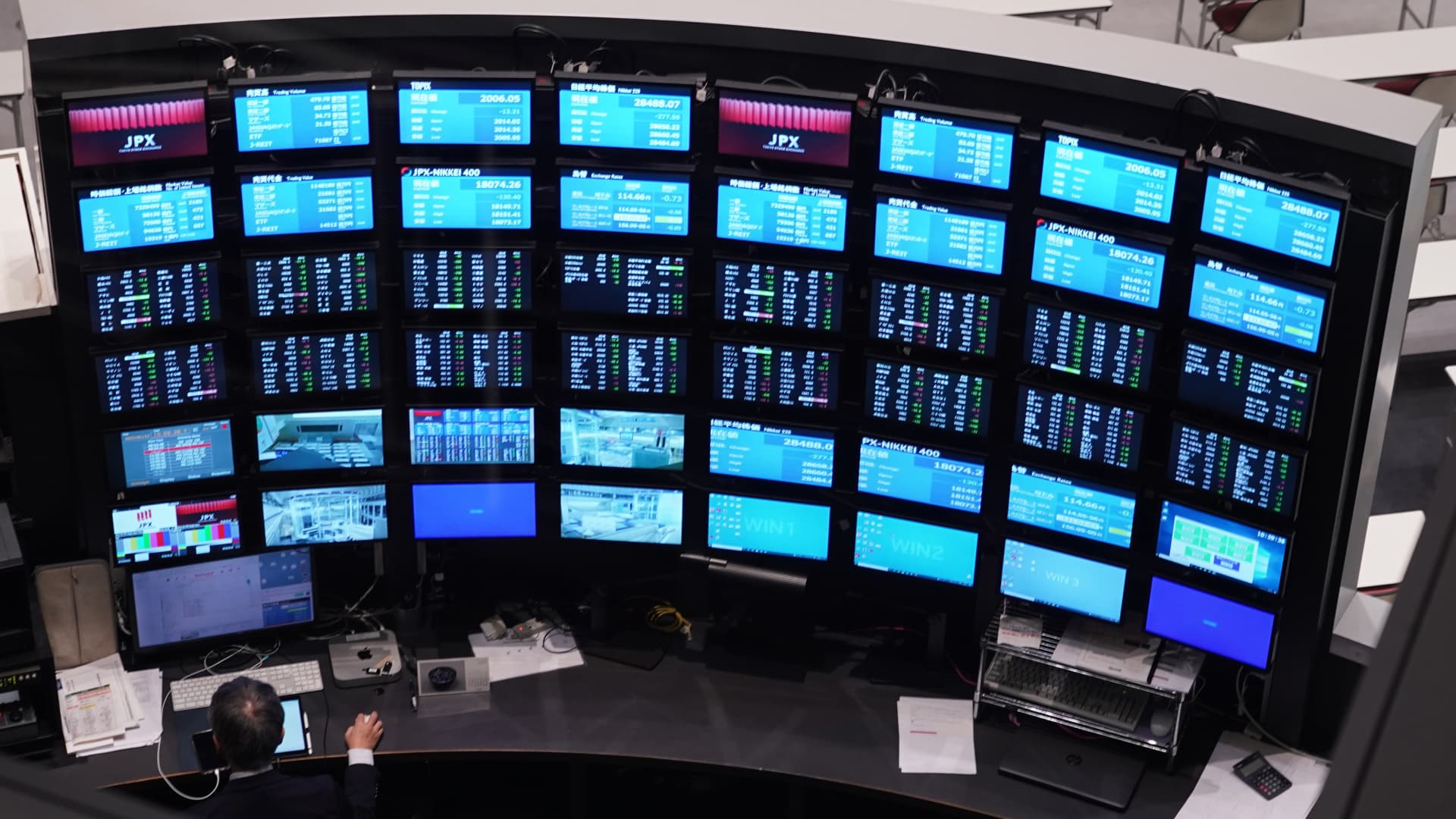
Asia-Pacific Markets Open Higher Amid Middle East Conflict Hopes
- Market Optimism: Asia-Pacific markets opened higher on Tuesday amid hopes for a resolution to the Middle East conflict, despite ongoing tensions between Iran and the U.S., indicating investor confidence in future economic recovery.
- Index Performance: South Korea's Kospi rose by 1.58%, the small-cap Kosdaq increased by 0.90%, and Japan's Nikkei 225 gained 0.52%, reflecting strong regional market performance and positive investor sentiment regarding economic prospects.
- Oil Price Fluctuations: As of 8:00 PM ET, West Texas Intermediate futures fell by 1.72% to $88.07 per barrel, while Brent crude futures dropped by 1.02% to $94.51 per barrel, highlighting market sensitivity to geopolitical risks.
- U.S. Futures Movement: U.S. stock futures were broadly higher on Monday, with S&P 500 futures and Nasdaq 100 futures rising by 0.1% and 0.2%, respectively, suggesting investor optimism for future markets, even as the S&P 500 fell by 0.24% during regular trading.
Honeywell Sells Business to Reshape Portfolio Amid Market Uncertainty
- Honeywell Business Sale: Honeywell sells its Productivity Solutions and Services (PSS) business to Brady Corporation for $1.4 billion in cash, a strategic move to divest cyclical, slower-growing, lower-margin operations, thereby enhancing the overall quality of its portfolio.
- Market Reaction Stable: Despite a 5% rise in oil prices due to uncertainty over commercial shipping traffic in the Strait of Hormuz, the market's decline was less severe than feared, as Treasury yields remained relatively unchanged, indicating a stable investor sentiment.
- Eli Lilly Acquisition Moves: Eli Lilly acquires clinical-stage biotech firm Kelonia Therapeutics for $3.25 billion in cash, aiming to bolster its cancer treatment pipeline, with the deal potentially worth up to $7 billion, showcasing the company's aggressive expansion strategy in oncology.
- Active IPO Market: In spite of uncertainties from the Iran conflict, Jersey Mike's confidentially files for an IPO with a valuation of approximately $8 billion, reflecting ongoing interest in new public offerings and further driving growth in investment banking activities.

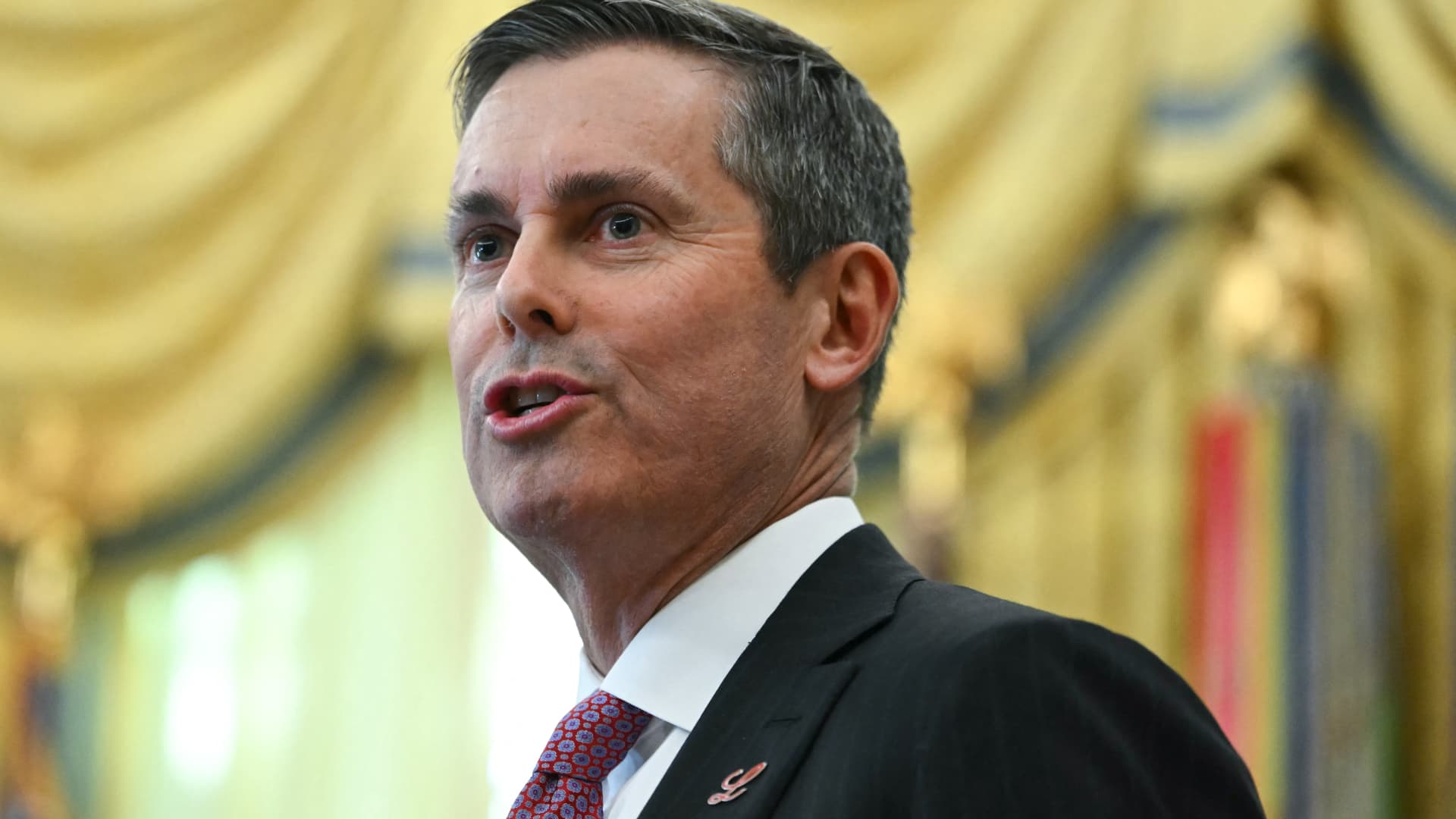
Wells Fargo CEO Warns Against Rate Cuts Amid Iran Conflict
- Rate Cut Risks: Wells Fargo CEO Charlie Scharf stated that lowering interest rates before clarity on the Iran conflict would be a “wrong thing to do,” emphasizing real risks in uncertainty that could impact future economic decisions.
- Economic Resilience: Despite financial market volatility, Scharf noted that the U.S. economy remains strong, with consumer spending increasing by 5% to 7% year-over-year, indicating robust economic fundamentals.
- Spending Adjustments: Scharf mentioned that while consumer spending is up, rising gas prices are leading to adjustments in other spending categories, reflecting the economy's adaptability.
- Potential Risk Assessment: Scharf warned that if the Iran conflict persists, it could cause greater economic damage, but he does not see systemic risks from private credit losses.

Wells Fargo CEO: Current Private Credit Risks Are Far Less Severe Than During the Financial Crisis
Private Credit Risk: Wells Fargo's CEO emphasizes that the risks associated with private credit are not yet comparable to those seen during the financial crisis.
Market Conditions: The current market environment presents unique challenges and uncertainties that differ from past financial crises.

Wells Fargo CEO Asserts Private Credit Is Not a Systemic Risk
Wells Fargo CEO Statement: The CEO of Wells Fargo stated that private credit does not pose a systemic risk to the financial system.
Market Implications: This assertion may influence investor confidence and market perceptions regarding the stability of private credit markets.
Regulatory Context: The comments come amid ongoing discussions about the potential risks associated with private lending and its impact on the broader economy.
Industry Reactions: The statement has sparked varied reactions from industry experts and analysts, highlighting differing views on the safety of private credit.
EXCHANGERIGHT INCOME FUND - AMENDED CREDIT AGREEMENT WITH WELLS FARGO SIGNED ON APRIL 15, 2026 - SEC FILING
Exchange Right Income Fund: The Exchange Right Income Fund has entered into a new amended credit agreement with Wells Fargo.
Effective Date: This agreement is set to take effect on April 15, 2026.
SEC Filing: The details of this agreement have been filed with the SEC.
Financial Implications: The amended credit agreement may impact the fund's financial strategies and operations moving forward.
Asia-Pacific Markets Open Higher Amid Middle East Conflict Hopes
- Market Optimism: Asia-Pacific markets opened higher on Tuesday amid hopes for a resolution to the Middle East conflict, despite ongoing tensions between Iran and the U.S., indicating investor confidence in future economic recovery.
- Index Performance: South Korea's Kospi rose by 1.58%, the small-cap Kosdaq increased by 0.90%, and Japan's Nikkei 225 gained 0.52%, reflecting strong regional market performance and positive investor sentiment regarding economic prospects.
- Oil Price Fluctuations: As of 8:00 PM ET, West Texas Intermediate futures fell by 1.72% to $88.07 per barrel, while Brent crude futures dropped by 1.02% to $94.51 per barrel, highlighting market sensitivity to geopolitical risks.
- U.S. Futures Movement: U.S. stock futures were broadly higher on Monday, with S&P 500 futures and Nasdaq 100 futures rising by 0.1% and 0.2%, respectively, suggesting investor optimism for future markets, even as the S&P 500 fell by 0.24% during regular trading.
Honeywell Sells Business to Reshape Portfolio Amid Market Uncertainty
- Honeywell Business Sale: Honeywell sells its Productivity Solutions and Services (PSS) business to Brady Corporation for $1.4 billion in cash, a strategic move to divest cyclical, slower-growing, lower-margin operations, thereby enhancing the overall quality of its portfolio.
- Market Reaction Stable: Despite a 5% rise in oil prices due to uncertainty over commercial shipping traffic in the Strait of Hormuz, the market's decline was less severe than feared, as Treasury yields remained relatively unchanged, indicating a stable investor sentiment.
- Eli Lilly Acquisition Moves: Eli Lilly acquires clinical-stage biotech firm Kelonia Therapeutics for $3.25 billion in cash, aiming to bolster its cancer treatment pipeline, with the deal potentially worth up to $7 billion, showcasing the company's aggressive expansion strategy in oncology.
- Active IPO Market: In spite of uncertainties from the Iran conflict, Jersey Mike's confidentially files for an IPO with a valuation of approximately $8 billion, reflecting ongoing interest in new public offerings and further driving growth in investment banking activities.
Wells Fargo CEO Warns Against Rate Cuts Amid Iran Conflict
- Rate Cut Risks: Wells Fargo CEO Charlie Scharf stated that lowering interest rates before clarity on the Iran conflict would be a “wrong thing to do,” emphasizing real risks in uncertainty that could impact future economic decisions.
- Economic Resilience: Despite financial market volatility, Scharf noted that the U.S. economy remains strong, with consumer spending increasing by 5% to 7% year-over-year, indicating robust economic fundamentals.
- Spending Adjustments: Scharf mentioned that while consumer spending is up, rising gas prices are leading to adjustments in other spending categories, reflecting the economy's adaptability.
- Potential Risk Assessment: Scharf warned that if the Iran conflict persists, it could cause greater economic damage, but he does not see systemic risks from private credit losses.
Wells Fargo CEO: Current Private Credit Risks Are Far Less Severe Than During the Financial Crisis
Private Credit Risk: Wells Fargo's CEO emphasizes that the risks associated with private credit are not yet comparable to those seen during the financial crisis.
Market Conditions: The current market environment presents unique challenges and uncertainties that differ from past financial crises.
Wells Fargo CEO Asserts Private Credit Is Not a Systemic Risk
Wells Fargo CEO Statement: The CEO of Wells Fargo stated that private credit does not pose a systemic risk to the financial system.
Market Implications: This assertion may influence investor confidence and market perceptions regarding the stability of private credit markets.
Regulatory Context: The comments come amid ongoing discussions about the potential risks associated with private lending and its impact on the broader economy.
Industry Reactions: The statement has sparked varied reactions from industry experts and analysts, highlighting differing views on the safety of private credit.