Artemis II Mission Successfully Launched Toward the Moon
Written by Emily J. Thompson, Senior Investment Analyst
Updated: 1 hour ago
0mins
Source: seekingalpha
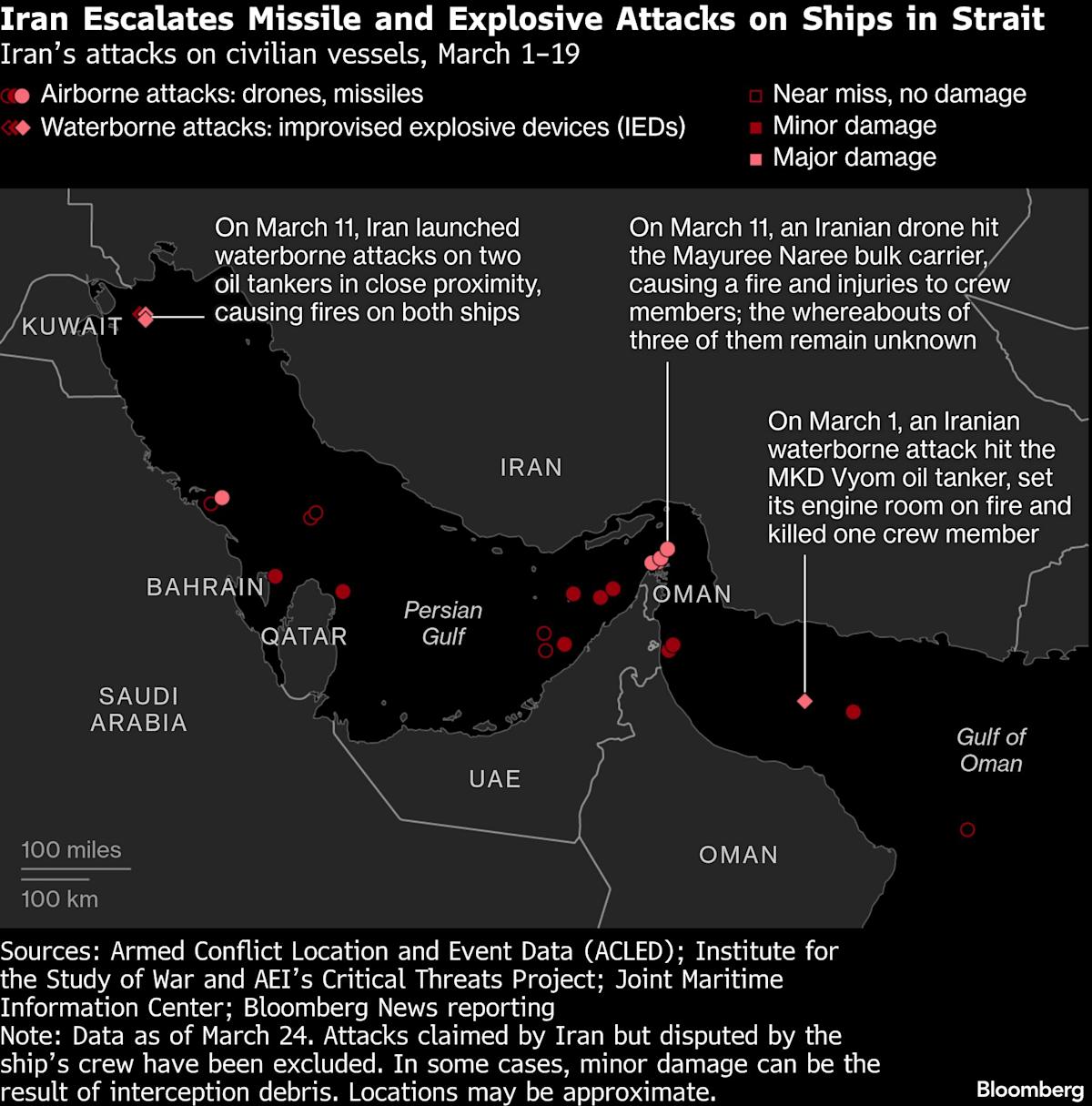
- Successful Launch: NASA's Space Launch System rocket successfully lifted off at 6:30 p.m. ET on Wednesday, marking the beginning of a new chapter in human space exploration after years of delays, laying the groundwork for future lunar missions.
- Journey Planning: The Artemis II mission will send astronauts around the moon and safely back, with a journey exceeding 250,000 miles (402,336 km), representing the farthest distance humans have traveled in space in over 50 years.
- Mission Objectives: A key aspect of this mission is to pave the way for future lunar landing missions; although Artemis II will not attempt a lunar landing, it is set to prepare for a mission targeting the moon's surface later this decade.
- International Competition Context: Unlike the Apollo program during the Cold War, NASA's renewed lunar efforts are taking place amid rising competition with China, which is also pursuing plans to establish a research presence on the moon.
Trade with 70% Backtested Accuracy
Stop guessing "Should I Buy LMT?" and start using high-conviction signals backed by rigorous historical data.
Sign up today to access powerful investing tools and make smarter, data-driven decisions.
Analyst Views on LMT
Wall Street analysts forecast LMT stock price to fall
12 Analyst Rating
4 Buy
7 Hold
1 Sell
Hold
Current: 604.390

Low
430.00
Averages
535.50
High
605.00
Current: 604.390
Low
430.00
Averages
535.50
High
605.00
About LMT
Lockheed Martin Corporation is a global aerospace and defense company. The Company is engaged in the research, design, development, manufacture, integration and sustainment of advanced technology systems, products and services. Its segments include Aeronautics, Missiles and Fire Control (MFC), Rotary and Mission Systems (RMS) and Space. Aeronautics segment is engaged in the research, design, development, manufacture, integration, sustainment, support and upgrade of advanced military aircraft. MFC segment provides air and missile defense systems, manned and unmanned ground vehicles, energy management solutions, and others. RMS segment designs, manufactures, services and supports various military and commercial helicopters, surface ships, sea and land-based missile defense systems, and others. Its Space segment is engaged in the research and design, development, engineering and production of satellites, space transportation systems, and strategic, advanced strike, and defensive systems.
About the author

Emily J. Thompson
Emily J. Thompson, a Chartered Financial Analyst (CFA) with 12 years in investment research, graduated with honors from the Wharton School. Specializing in industrial and technology stocks, she provides in-depth analysis for Intellectia’s earnings and market brief reports.
Lockheed Martin Schedules Q1 2026 Earnings Call

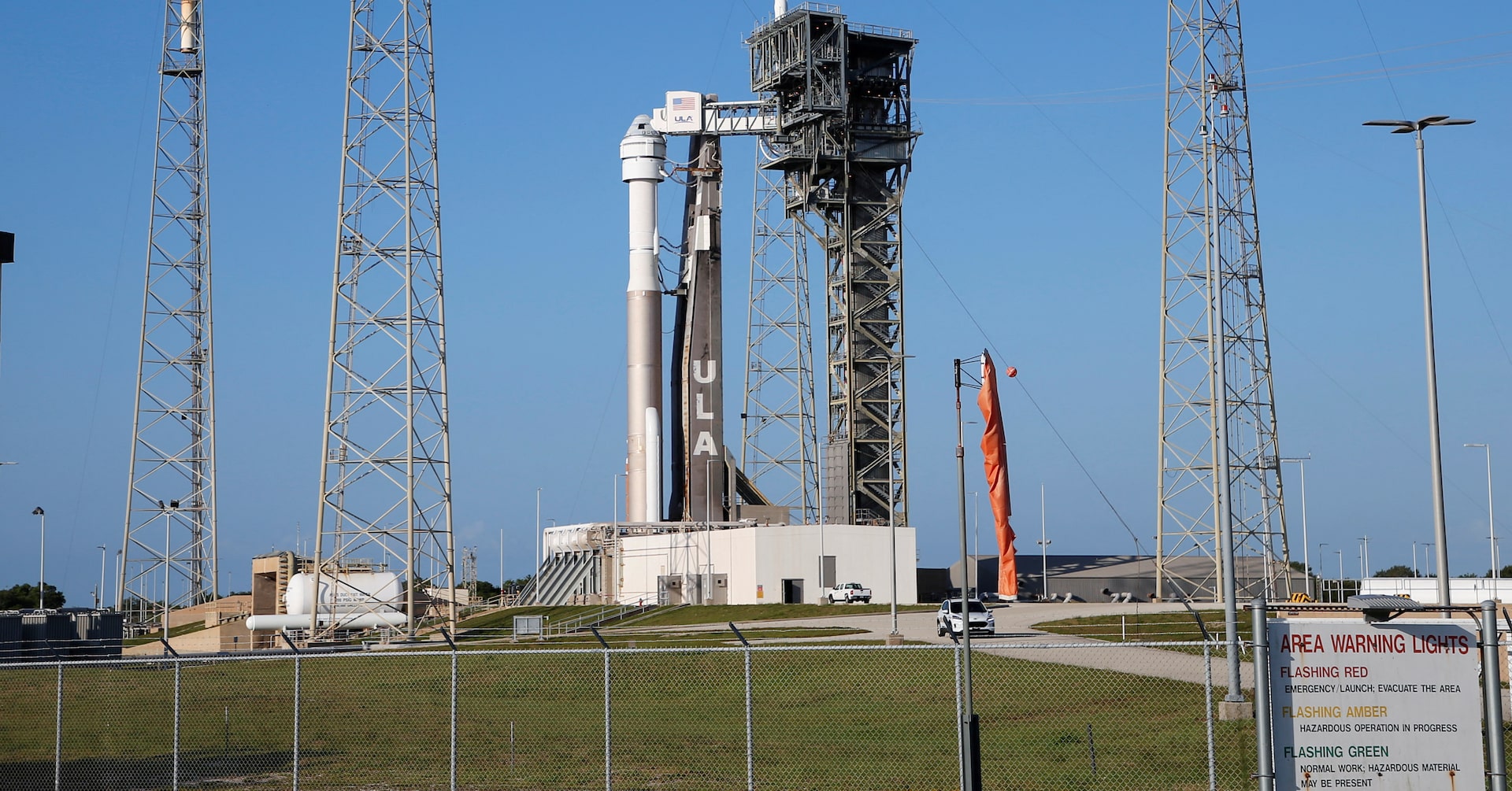
- Earnings Call Announcement: Lockheed Martin will host its Q1 2026 earnings results conference call on April 23, 2026, at 8:30 AM ET, where top executives will discuss financial results and answer questions, demonstrating the company's commitment to transparency and investor communication.
- Timing of Earnings Release: The Q1 earnings results will be published before the market opens, ensuring investors have access to the latest financial data prior to the call, which reflects the company's sensitivity to market dynamics and investor needs.
- Live Webcast Availability: The conference call will be webcast live on Lockheed Martin's website, with accompanying presentation slides and financial charts also available on the same site, enhancing information accessibility and transparency for stakeholders.
- Replay and Podcast: An on-demand replay of the webcast will be available until May 7, 2026, along with a podcast version, further broadening the channels through which investors can access information, highlighting the company's emphasis on diverse communication methods.
See More
Artemis II Mission Successfully Launched Toward the Moon

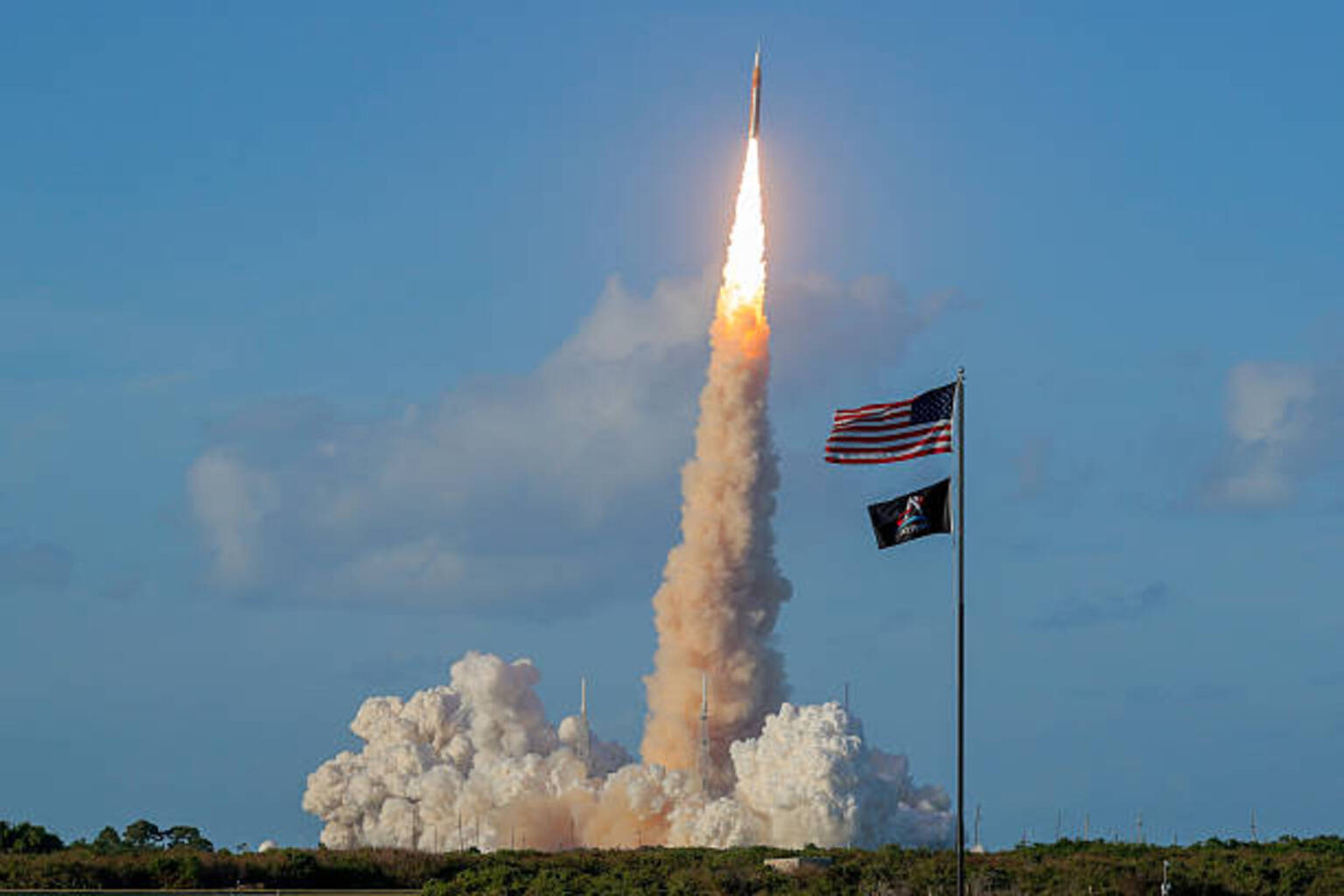
- Successful Launch: NASA's Space Launch System rocket successfully lifted off at 6:30 p.m. ET on Wednesday, marking the beginning of a new chapter in human space exploration after years of delays, laying the groundwork for future lunar missions.
- Journey Planning: The Artemis II mission will send astronauts around the moon and safely back, with a journey exceeding 250,000 miles (402,336 km), representing the farthest distance humans have traveled in space in over 50 years.
- Mission Objectives: A key aspect of this mission is to pave the way for future lunar landing missions; although Artemis II will not attempt a lunar landing, it is set to prepare for a mission targeting the moon's surface later this decade.
- International Competition Context: Unlike the Apollo program during the Cold War, NASA's renewed lunar efforts are taking place amid rising competition with China, which is also pursuing plans to establish a research presence on the moon.
See More

High Net Worth Investors Navigate Market Volatility Amid Geopolitical Tensions


- Cash is King: R360's ultra-high net worth investors are currently holding up to 30% in cash and short-duration debt, reflecting a strategy to maintain liquidity amidst market volatility, emphasizing a long-term investment philosophy.
- Treasury Market Opportunities: With the 10-year Treasury yield rising to 4.3%, high net worth investors are showing strong interest in intermediate fixed income products, indicating an increasing demand for stable returns in the current interest rate environment.
- Tech Stock Buying Opportunities: Sameer Samana from Wells Fargo notes that the sharp pullback in equities has created opportunities for high net worth investors to buy tech stocks at more reasonable valuations, particularly in the software and hardware sectors, reflecting confidence in future growth potential.
- Energy and Commodity Investments: Charlie Garcia from R360 states that investors have shifted 40% of their new money into energy and commodities, particularly Canadian Natural Resources and major oil companies, signaling a long-term bullish outlook on the energy market despite potential short-term oil price fluctuations.
See More

Iran and U.S. Engage in Online Propaganda War


- Escalation of Online Propaganda: Iran is actively engaging in an online propaganda war against the U.S. by posting ironic and pop-culture-infused content on social media, particularly targeting Trump, which reflects its assertive stance in the information warfare landscape.
- Impactful Video Dissemination: Utilizing AI-generated animated videos to showcase military successes, Iran aims to attract younger audiences and undermine the U.S. military image through humor and visual appeal, thereby enhancing its international standing.
- U.S. Counter-Strategy: The Trump administration has blended wartime messaging with internet culture, releasing controversial military videos that, despite criticism, have garnered nearly 100 million views among young people, indicating their effectiveness in outreach.
- Economic Impact Warning: Iran's parliamentary speaker cautioned investors about the potential influence of Trump's war updates on stock markets, suggesting a reverse correlation between market reactions and Trump's statements, further highlighting the war's threats to global economy and energy prices.
See More
SpaceX Confidentially Files for IPO, Eyes $1.75 Trillion Valuation


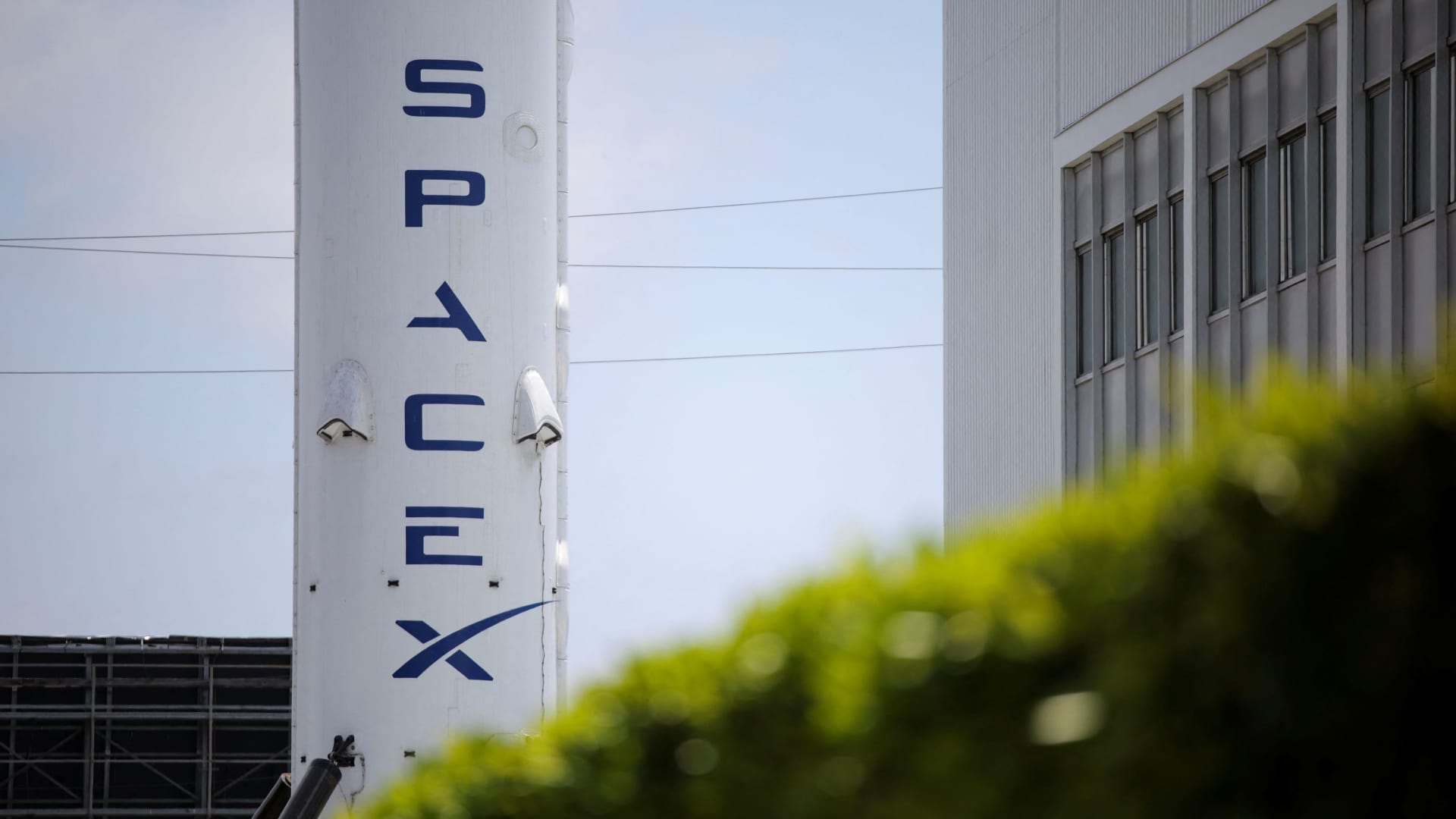
- IPO Process Accelerated: SpaceX has confidentially filed for an IPO with the SEC, aiming for a June listing with a target valuation of $1.75 trillion, which, if successful, would mark the largest public offering in history.
- Massive Fundraising Goal: The company plans to raise up to $75 billion, surpassing Alibaba's $22 billion record set in 2014 for U.S. IPOs, indicating strong market interest and investment potential in the aerospace sector.
- Government Contract Support: Since 2008, SpaceX has secured over $24.4 billion in contracts from the federal government, including support from NASA and the Air Force, providing a robust financial foundation for its IPO.
- Market Environment Challenges: Despite SpaceX's strong fundamentals, increased market volatility could impact the IPO's success, with experts noting that current geopolitical conditions need to improve to ensure investor confidence.
See More

U.S. Defense Department Reaches Agreement with Boeing and Lockheed Martin to Boost Patriot Missile Production
- Production Capacity Increase: The U.S. Department of Defense has reached a seven-year agreement with Boeing and Lockheed Martin to triple the production of missile seekers for the Patriot missile system, addressing rising global security demands and ensuring the stability of the defense industrial base.
- Supply Chain Optimization: This agreement signifies a shift in procurement strategy towards direct collaboration with lower-tier suppliers, aimed at providing more predictable demand signals that encourage investment in manufacturing capacity, tooling, and workforce development, thereby enhancing supply chain resilience.
- Addressing New Threats: The proliferation of low-cost drones is reshaping modern warfare economics, prompting defense planners to reassess the need for scaling production and developing lower-cost interceptors to counter challenges posed by conflicts in Ukraine and Iran.
- Strategic Implications: This initiative not only aims to replenish stockpiles but also seeks to enhance the air and missile defense capabilities of the U.S. and its allies, ensuring a competitive edge in a complex geopolitical landscape.
See More
Lockheed Martin Schedules Q1 2026 Earnings Call
- Earnings Call Announcement: Lockheed Martin will host its Q1 2026 earnings results conference call on April 23, 2026, at 8:30 AM ET, where top executives will discuss financial results and answer questions, demonstrating the company's commitment to transparency and investor communication.
- Timing of Earnings Release: The Q1 earnings results will be published before the market opens, ensuring investors have access to the latest financial data prior to the call, which reflects the company's sensitivity to market dynamics and investor needs.
- Live Webcast Availability: The conference call will be webcast live on Lockheed Martin's website, with accompanying presentation slides and financial charts also available on the same site, enhancing information accessibility and transparency for stakeholders.
- Replay and Podcast: An on-demand replay of the webcast will be available until May 7, 2026, along with a podcast version, further broadening the channels through which investors can access information, highlighting the company's emphasis on diverse communication methods.
See More
Artemis II Mission Successfully Launched Toward the Moon
- Successful Launch: NASA's Space Launch System rocket successfully lifted off at 6:30 p.m. ET on Wednesday, marking the beginning of a new chapter in human space exploration after years of delays, laying the groundwork for future lunar missions.
- Journey Planning: The Artemis II mission will send astronauts around the moon and safely back, with a journey exceeding 250,000 miles (402,336 km), representing the farthest distance humans have traveled in space in over 50 years.
- Mission Objectives: A key aspect of this mission is to pave the way for future lunar landing missions; although Artemis II will not attempt a lunar landing, it is set to prepare for a mission targeting the moon's surface later this decade.
- International Competition Context: Unlike the Apollo program during the Cold War, NASA's renewed lunar efforts are taking place amid rising competition with China, which is also pursuing plans to establish a research presence on the moon.
See More
High Net Worth Investors Navigate Market Volatility Amid Geopolitical Tensions
- Cash is King: R360's ultra-high net worth investors are currently holding up to 30% in cash and short-duration debt, reflecting a strategy to maintain liquidity amidst market volatility, emphasizing a long-term investment philosophy.
- Treasury Market Opportunities: With the 10-year Treasury yield rising to 4.3%, high net worth investors are showing strong interest in intermediate fixed income products, indicating an increasing demand for stable returns in the current interest rate environment.
- Tech Stock Buying Opportunities: Sameer Samana from Wells Fargo notes that the sharp pullback in equities has created opportunities for high net worth investors to buy tech stocks at more reasonable valuations, particularly in the software and hardware sectors, reflecting confidence in future growth potential.
- Energy and Commodity Investments: Charlie Garcia from R360 states that investors have shifted 40% of their new money into energy and commodities, particularly Canadian Natural Resources and major oil companies, signaling a long-term bullish outlook on the energy market despite potential short-term oil price fluctuations.
See More
Iran and U.S. Engage in Online Propaganda War
- Escalation of Online Propaganda: Iran is actively engaging in an online propaganda war against the U.S. by posting ironic and pop-culture-infused content on social media, particularly targeting Trump, which reflects its assertive stance in the information warfare landscape.
- Impactful Video Dissemination: Utilizing AI-generated animated videos to showcase military successes, Iran aims to attract younger audiences and undermine the U.S. military image through humor and visual appeal, thereby enhancing its international standing.
- U.S. Counter-Strategy: The Trump administration has blended wartime messaging with internet culture, releasing controversial military videos that, despite criticism, have garnered nearly 100 million views among young people, indicating their effectiveness in outreach.
- Economic Impact Warning: Iran's parliamentary speaker cautioned investors about the potential influence of Trump's war updates on stock markets, suggesting a reverse correlation between market reactions and Trump's statements, further highlighting the war's threats to global economy and energy prices.
See More
SpaceX Confidentially Files for IPO, Eyes $1.75 Trillion Valuation
- IPO Process Accelerated: SpaceX has confidentially filed for an IPO with the SEC, aiming for a June listing with a target valuation of $1.75 trillion, which, if successful, would mark the largest public offering in history.
- Massive Fundraising Goal: The company plans to raise up to $75 billion, surpassing Alibaba's $22 billion record set in 2014 for U.S. IPOs, indicating strong market interest and investment potential in the aerospace sector.
- Government Contract Support: Since 2008, SpaceX has secured over $24.4 billion in contracts from the federal government, including support from NASA and the Air Force, providing a robust financial foundation for its IPO.
- Market Environment Challenges: Despite SpaceX's strong fundamentals, increased market volatility could impact the IPO's success, with experts noting that current geopolitical conditions need to improve to ensure investor confidence.
See More
U.S. Defense Department Reaches Agreement with Boeing and Lockheed Martin to Boost Patriot Missile Production
- Production Capacity Increase: The U.S. Department of Defense has reached a seven-year agreement with Boeing and Lockheed Martin to triple the production of missile seekers for the Patriot missile system, addressing rising global security demands and ensuring the stability of the defense industrial base.
- Supply Chain Optimization: This agreement signifies a shift in procurement strategy towards direct collaboration with lower-tier suppliers, aimed at providing more predictable demand signals that encourage investment in manufacturing capacity, tooling, and workforce development, thereby enhancing supply chain resilience.
- Addressing New Threats: The proliferation of low-cost drones is reshaping modern warfare economics, prompting defense planners to reassess the need for scaling production and developing lower-cost interceptors to counter challenges posed by conflicts in Ukraine and Iran.
- Strategic Implications: This initiative not only aims to replenish stockpiles but also seeks to enhance the air and missile defense capabilities of the U.S. and its allies, ensuring a competitive edge in a complex geopolitical landscape.
See More