Apple's iPhone sales in China surged 22% following the launch of the iPhone 17.
iPhone Sales Surge: Sales of iPhones in China increased by 22% in the first month following the launch of the iPhone 17 series, contrasting with a 5% decline during the same period for the iPhone 16 series.
Market Context: Despite the strong performance of the iPhone 17, the overall smartphone market in China experienced a 2.7% decline in sales year-on-year due to weak consumer demand.
Trade with 70% Backtested Accuracy
Analyst Views on AAPL

About AAPL
About the author


Apple's App Store Revenue Grows 7% in Q1

- Revenue Growth Analysis: According to UBS, Apple's (AAPL) App Store revenue increased by 7% year-over-year in Q1 2026, although the growth was only about 80 basis points higher than the previous quarter, indicating a slowdown in momentum.
- FX Impact: On a foreign exchange neutral basis, the App Store's growth was approximately 5% in Q1 2026, consistent with Q4 2025, highlighting the significant supportive role of FX factors on revenue.
- Future Outlook: Looking ahead to the June 2026 quarter, Apple's revenue growth expectation is around 12%, essentially unchanged from the previous quarter, indicating stability in future growth despite increasing competitive pressures.
- Regional Performance Disparity: The App Store revenue in the U.S. was essentially flat year-over-year, down roughly 320 basis points, while the rest of the world saw about 11% year-over-year growth, showcasing strong performance in international markets.
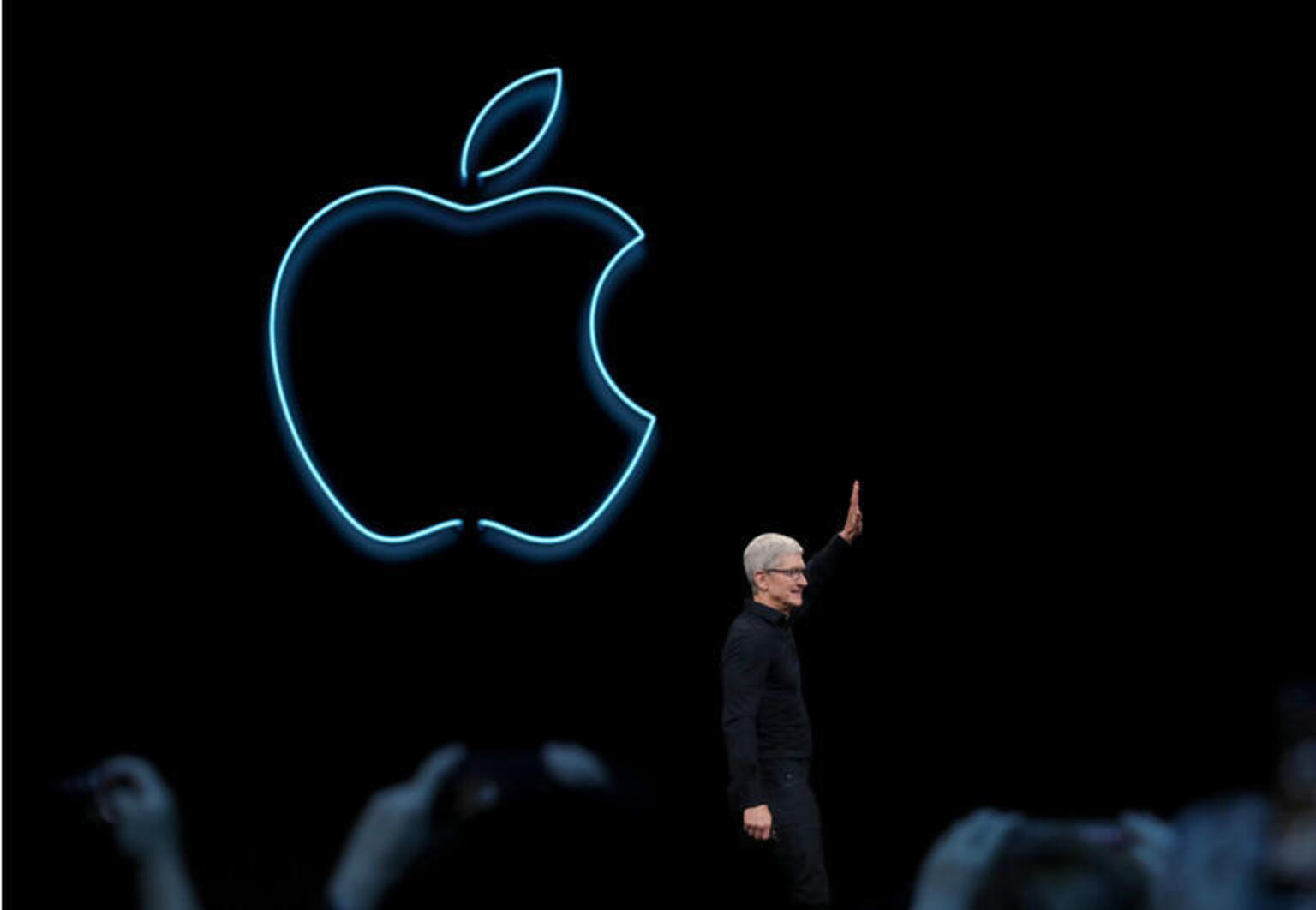
Apple's Foldable iPhone Set for September Launch Despite Engineering Challenges
- Engineering Challenges: Despite reports of complex engineering issues potentially delaying the foldable iPhone by months, Bloomberg indicates that it remains on track for a September launch alongside the iPhone 18 Pro and Pro Max, showcasing Apple's resilience in technology development.
- Market Reaction: Following the delay news, Apple shares fell over 4% but have since recovered, reflecting market confidence in Apple's long-term prospects, even as short-term supply constraints may arise.
- Product Launch Strategy: The foldable iPhone is set to launch simultaneously with the iPhone 18 Pro series, and while initial supply may be limited, this strategy aims to enhance consumer demand and bolster brand image.
- Industry Impact: The launch of Apple's foldable iPhone is expected to significantly impact the smartphone market, particularly in the premium segment, likely prompting competitors to accelerate the development of similar products, thereby altering the market landscape.

Flex Ltd.: The King of Contract Manufacturing


- Data Center Growth: Flex's data center manufacturing segment grew by 50% year-over-year, with a forecasted 35% growth for the next year, indicating its crucial role in the rapidly expanding AI sector and enhancing its revenue structure.
- Margin Improvement: Flex's gross margin nearly doubled from 5.5% in 2020 to 8.4% in 2025, reflecting increased profitability in its high-value product lines and solidifying its competitive position in the contract manufacturing market.
- Earnings Per Share Growth: Over the past eight years, Flex has achieved an impressive 51% annual growth in earnings per share while reducing its share count by 27%, demonstrating successful capital management through stock buybacks that bolster investor confidence.
- Technological Trend Adaptation: Flex's transformation in designing, manufacturing, and managing high-end electronic products has positioned it as a critical player in global supply chains, particularly in automotive electronics and medical devices, further enhancing its market competitiveness.

Market Dynamics and Investment Opportunities Analysis


- Oil Price Surge Impact: U.S. benchmark WTI crude prices have risen by 5% to over $99 a barrel, raising expectations for the resumption of oil tanker traffic in the Strait of Hormuz, which could significantly impact global supply chains and related stock performances.
- Stock Market Recovery: The S&P 500 has rebounded 6.9% from its war-driven low on March 30, now just 2.8% below its record close on January 27, indicating growing market confidence in economic recovery, particularly as labor market and inflation data stabilize.
- Meta and CoreWeave Partnership: Meta Platforms has announced a $21 billion long-term agreement with CoreWeave to enhance AI computing capacity, highlighting the ongoing demand for growth in the AI sector as Meta seeks computing resources to support its Reels and new AI models.
- Capital One Rating Upgrade: JPMorgan has upgraded Capital One from hold to buy, viewing the credit card issuer as a strong pick in consumer finance despite market volatility, with expectations that synergies from the Discover acquisition will drive future performance improvements.

Apple's Hinge Dilemma: Foldable Failure or Tactical Pause?

Apple's Stock Performance: Apple has faced a significant drop in its stock price, falling by 5% to around $246, which has impacted its total market capitalization of approximately $3.8 trillion. This decline is attributed to concerns over the company's innovation capabilities and engineering challenges with its upcoming foldable iPhone.
Challenges with Foldable iPhone: Reports indicate that the foldable iPhone has encountered serious engineering issues, leading to delays in production until at least 2027. This has raised questions among investors about Apple's ability to innovate and compete in the smartphone market.
Strength in Services Revenue: Despite hardware challenges, Apple's services division has seen remarkable success, generating a record $30 billion in revenue in the first quarter of 2026. This segment has high profit margins, providing a financial cushion for the company amid hardware setbacks.
Market Position and Future Outlook: While Apple faces short-term challenges, including regulatory issues in China and competition from rivals like Samsung, analysts maintain a moderate buy rating on the stock, suggesting potential for recovery and growth in the long term, especially with the demand for AI-ready hardware like the Mac Mini.

Alphabet's AI Investments Drive Strong Growth

- Significant Revenue Growth: Alphabet's total revenue grew by 15% in 2025, with expectations for acceleration to nearly 17% this year, indicating strong business performance driven by AI investments, particularly in its advertising and cloud sectors.
- Advertising Business Recovery: Revenue from Google Search and other ads increased by 17% year-over-year, alleviating market concerns about AI potentially undermining traditional advertising, showcasing AI's potential in enhancing user experience and ad effectiveness.
- Surge in Cloud Demand: Google Cloud's revenue rose by 48%, with operating income up over 153%, indicating that AI-driven demand is rapidly increasing, further solidifying Alphabet's position in the cloud computing market.
- Expanding User Base: The Google Gemini AI app now boasts over 750 million monthly active users, while paid subscribers across YouTube and Google One exceed 325 million, demonstrating Alphabet's extensive influence and market penetration in the AI space.
Apple's App Store Revenue Grows 7% in Q1
- Revenue Growth Analysis: According to UBS, Apple's (AAPL) App Store revenue increased by 7% year-over-year in Q1 2026, although the growth was only about 80 basis points higher than the previous quarter, indicating a slowdown in momentum.
- FX Impact: On a foreign exchange neutral basis, the App Store's growth was approximately 5% in Q1 2026, consistent with Q4 2025, highlighting the significant supportive role of FX factors on revenue.
- Future Outlook: Looking ahead to the June 2026 quarter, Apple's revenue growth expectation is around 12%, essentially unchanged from the previous quarter, indicating stability in future growth despite increasing competitive pressures.
- Regional Performance Disparity: The App Store revenue in the U.S. was essentially flat year-over-year, down roughly 320 basis points, while the rest of the world saw about 11% year-over-year growth, showcasing strong performance in international markets.
Apple's Foldable iPhone Set for September Launch Despite Engineering Challenges
- Engineering Challenges: Despite reports of complex engineering issues potentially delaying the foldable iPhone by months, Bloomberg indicates that it remains on track for a September launch alongside the iPhone 18 Pro and Pro Max, showcasing Apple's resilience in technology development.
- Market Reaction: Following the delay news, Apple shares fell over 4% but have since recovered, reflecting market confidence in Apple's long-term prospects, even as short-term supply constraints may arise.
- Product Launch Strategy: The foldable iPhone is set to launch simultaneously with the iPhone 18 Pro series, and while initial supply may be limited, this strategy aims to enhance consumer demand and bolster brand image.
- Industry Impact: The launch of Apple's foldable iPhone is expected to significantly impact the smartphone market, particularly in the premium segment, likely prompting competitors to accelerate the development of similar products, thereby altering the market landscape.
Flex Ltd.: The King of Contract Manufacturing
- Data Center Growth: Flex's data center manufacturing segment grew by 50% year-over-year, with a forecasted 35% growth for the next year, indicating its crucial role in the rapidly expanding AI sector and enhancing its revenue structure.
- Margin Improvement: Flex's gross margin nearly doubled from 5.5% in 2020 to 8.4% in 2025, reflecting increased profitability in its high-value product lines and solidifying its competitive position in the contract manufacturing market.
- Earnings Per Share Growth: Over the past eight years, Flex has achieved an impressive 51% annual growth in earnings per share while reducing its share count by 27%, demonstrating successful capital management through stock buybacks that bolster investor confidence.
- Technological Trend Adaptation: Flex's transformation in designing, manufacturing, and managing high-end electronic products has positioned it as a critical player in global supply chains, particularly in automotive electronics and medical devices, further enhancing its market competitiveness.
Market Dynamics and Investment Opportunities Analysis
- Oil Price Surge Impact: U.S. benchmark WTI crude prices have risen by 5% to over $99 a barrel, raising expectations for the resumption of oil tanker traffic in the Strait of Hormuz, which could significantly impact global supply chains and related stock performances.
- Stock Market Recovery: The S&P 500 has rebounded 6.9% from its war-driven low on March 30, now just 2.8% below its record close on January 27, indicating growing market confidence in economic recovery, particularly as labor market and inflation data stabilize.
- Meta and CoreWeave Partnership: Meta Platforms has announced a $21 billion long-term agreement with CoreWeave to enhance AI computing capacity, highlighting the ongoing demand for growth in the AI sector as Meta seeks computing resources to support its Reels and new AI models.
- Capital One Rating Upgrade: JPMorgan has upgraded Capital One from hold to buy, viewing the credit card issuer as a strong pick in consumer finance despite market volatility, with expectations that synergies from the Discover acquisition will drive future performance improvements.
Apple's Hinge Dilemma: Foldable Failure or Tactical Pause?
Apple's Stock Performance: Apple has faced a significant drop in its stock price, falling by 5% to around $246, which has impacted its total market capitalization of approximately $3.8 trillion. This decline is attributed to concerns over the company's innovation capabilities and engineering challenges with its upcoming foldable iPhone.
Challenges with Foldable iPhone: Reports indicate that the foldable iPhone has encountered serious engineering issues, leading to delays in production until at least 2027. This has raised questions among investors about Apple's ability to innovate and compete in the smartphone market.
Strength in Services Revenue: Despite hardware challenges, Apple's services division has seen remarkable success, generating a record $30 billion in revenue in the first quarter of 2026. This segment has high profit margins, providing a financial cushion for the company amid hardware setbacks.
Market Position and Future Outlook: While Apple faces short-term challenges, including regulatory issues in China and competition from rivals like Samsung, analysts maintain a moderate buy rating on the stock, suggesting potential for recovery and growth in the long term, especially with the demand for AI-ready hardware like the Mac Mini.
Alphabet's AI Investments Drive Strong Growth
- Significant Revenue Growth: Alphabet's total revenue grew by 15% in 2025, with expectations for acceleration to nearly 17% this year, indicating strong business performance driven by AI investments, particularly in its advertising and cloud sectors.
- Advertising Business Recovery: Revenue from Google Search and other ads increased by 17% year-over-year, alleviating market concerns about AI potentially undermining traditional advertising, showcasing AI's potential in enhancing user experience and ad effectiveness.
- Surge in Cloud Demand: Google Cloud's revenue rose by 48%, with operating income up over 153%, indicating that AI-driven demand is rapidly increasing, further solidifying Alphabet's position in the cloud computing market.
- Expanding User Base: The Google Gemini AI app now boasts over 750 million monthly active users, while paid subscribers across YouTube and Google One exceed 325 million, demonstrating Alphabet's extensive influence and market penetration in the AI space.